Disclosure: As an Amazon Associate, we earn from qualifying purchases. If you click a link on this page and make a purchase, we may receive a small commission at no extra cost to you.
Cleaning rust, weld discoloration, and stuck-on metal grime takes the right amount of abrasion. A brush that is too soft wastes time, while a brush that is too aggressive can scratch the workpiece. The MAXMAN Brass Brush Set gives you an 11-inch beech wood handle and brass wire bristles for controlled hand cleaning on steel, iron, weld seams, bolts, brackets, and workshop parts. This review helps you decide where it works well, where steel brushes may be better, and which surfaces you should avoid.
Quick Verdict
Rating: 8/10, recommended with caveats
Best For: Welders, mechanics, and DIY users cleaning light rust, weld residue, and metal parts by hand
Bottom Line: The MAXMAN Brass Brush Set offers good control, a comfortable beech wood grip, and corrosion-resistant brass bristles. It is not the right choice for delicate coatings, polished soft metals, or heavy rust that needs faster cutting power.
| Specification | Detail |
|---|---|
| Brand | MAXMAN |
| Product Type | Brass wire brush set |
| Handle Material | Beech wood |
| Bristle Material | Brass wire |
| Bristle Design | Dense, slightly curved bristles for surface contact on uneven metal |
| Length | 11 inches per brush |
| Best Use | Rust removal, weld cleaning, oxidation removal, and metal surface preparation |
| Storage Feature | Built-in hanging hole |
| Care Note | Rinse debris after use, dry fully, and hang when stored |
| Safety Note | Avoid polished aluminum, delicate finishes, decorative coatings, and other easily scratched surfaces |
What Is the MAXMAN Brass Brush Set?
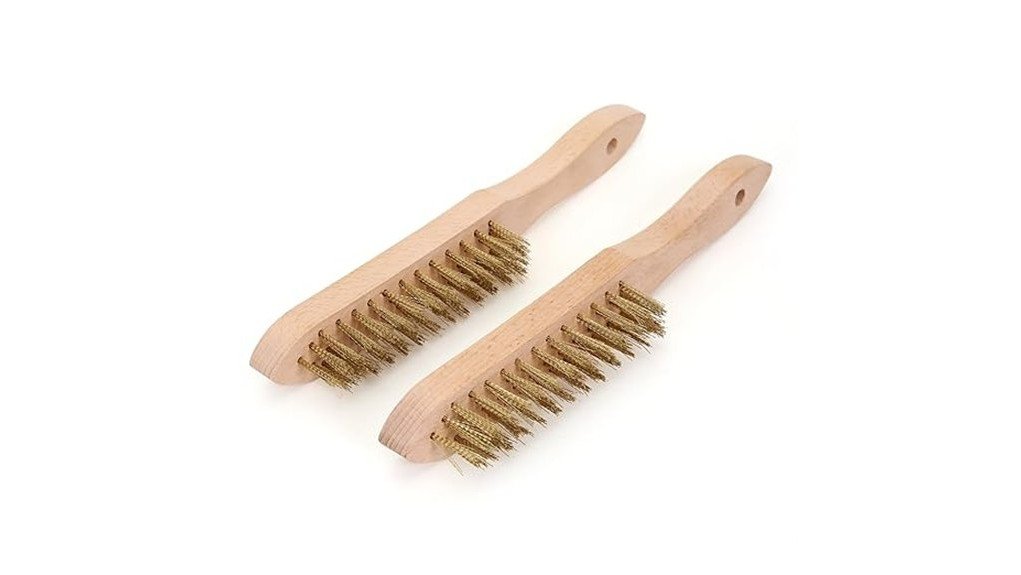
The MAXMAN Brass Brush Set is a hand cleaning tool set for metal prep, rust removal, weld cleanup, and general workshop maintenance. Each brush pairs brass wire bristles with an 11-inch beech wood handle, giving you more reach and leverage than a small detail brush.
The set is aimed at welders, mechanics, homeowners, and DIY users who need controlled abrasion. Brass is softer than steel, so it can be a better choice when you want to remove oxidation or grime without jumping straight to a harsher steel wire brush.
You should still treat it as an abrasive tool. Brass can scratch soft metals and coated finishes, so the brush makes the most sense on steel, iron-based parts, rough hardware, weld seams, frames, brackets, outdoor fixtures, and similar work surfaces.
Who Should Buy It?
Best For
- Welders cleaning discoloration, slag residue, and surface buildup around seams
- Mechanics removing light rust and grime from bolts, brackets, frames, and exhaust parts
- DIY users restoring metal furniture, gates, tools, and outdoor fixtures
Skip If
- You need a finishing brush for polished aluminum, chrome-like trim, or decorative coatings
- You are removing deep, heavy rust that needs sanding, grinding, or chemical treatment
- You want a power-tool accessory instead of a manual brush
Build Quality and Materials
The most useful part of the design is the pairing of a beech wood handle with brass wire bristles. The wood handle gives you a warmer, more controlled grip than bare metal, and the 11-inch length helps keep your fingers farther from rough edges.
The brass bristles are dense and slightly curved, which helps the brush stay in contact with uneven metal. That matters when you work around weld beads, bolt heads, corners, and textured surfaces where a flat brush can skip across high spots.
Brass also resists corrosion better than plain steel bristles. That helps when you use the brush in a garage, around oily parts, or near damp outdoor hardware, but the bristles will still wear down with frequent use on rough surfaces.
Before You Buy: Brass bristles are gentler than steel, but they are still abrasive. Test a hidden spot first and avoid polished aluminum, painted decorative finishes, soft trim, and coated surfaces you need to keep pristine.
Cleaning Performance and Use Cases
For light to moderate rust, the MAXMAN brush works best when you use steady pressure and short strokes. It can break up loose corrosion, dried grime, and oxidation without requiring a grinder or drill-mounted brush.
Rust Removal
You can use the brush on steel hardware, old tools, gates, brackets, and other rough metal pieces with surface rust. Deep pitting or thick corrosion will usually need extra work, such as sanding or a rust treatment, after the brush removes the loose layer.
Weld Cleaning
After welding, the brass bristles help clean slag residue, oxidation, and discoloration around seams. The long handle gives you better reach when you work around corners, joints, and tight areas where your hand needs extra clearance.
General Metal Polishing
This brush can brighten dull steel surfaces and prepare parts before paint or repair. It is not a final polishing tool for a mirror finish, so use it for prep work rather than fine cosmetic finishing.
Comfort and Handling
The 11-inch handle gives you enough reach for larger surfaces while still feeling easy to control. It also helps reduce hand strain because you can apply pressure with your wrist and forearm instead of pinching a small handle.
The beech wood grip can also feel more stable when your hands are dusty or lightly oily. You should still wear gloves, especially when working near sharp metal edges, hot weld areas, or loose wire fragments.
Pro Tip: Use short, controlled strokes and let the bristles do the work. Heavy scrubbing can bend the brass wires faster and may leave more visible marks on the surface.
How to Use It Correctly
Start by removing loose dirt from the part so the brush can reach the rust or oxidation directly. Work in the same direction when surface appearance matters, since random scrubbing can leave uneven scratch patterns.
Use light to moderate pressure first, then increase pressure only if the surface can handle it. On unknown metals or coated parts, test the brush in a hidden area before cleaning the visible face.
For weld cleanup, wait until the work area is safe to touch and follow your usual welding safety practices. Wear eye protection and gloves because small debris, slag, or wire fragments can break loose during brushing.
Durability and Maintenance
The brass bristles should hold up well for normal garage and workshop cleaning, especially on light rust and surface prep jobs. Heavy use on cast iron, heavily oxidized steel, or rough weld areas will shorten bristle life because the softer brass has to work harder.
Cleaning the brush after use helps it last longer. Tap out dry debris, rinse off stuck residue when needed, and let the brush dry fully before storage.
The built-in hanging hole is useful because it keeps the bristles from being crushed in a drawer. Hanging the brush also helps it dry faster and keeps it easy to find on a pegboard or wall rack.
Compatibility and Safety
The MAXMAN brass brush is best matched with steel, iron-based hardware, weld seams, outdoor fixtures, and rough metal parts that can tolerate light abrasion. It is less suitable for soft aluminum, decorative coatings, painted trim, and surfaces where visible scratching would be a problem.
Do not use the brush as a substitute for the right safety gear or surface-prep process. Wear eye protection, keep your hands away from sharp edges, and follow the product label or shop safety guidance for the material you are cleaning.
If you are prepping a part for paint, welding, or repair, remove any loose debris after brushing. A clean surface helps the next step work better, but this manual brush will not replace sanding, grinding, degreasing, or chemical rust removal when the surface is badly damaged.
How It Compares to Alternatives
Compared with steel wire brushes, the MAXMAN brass set is gentler and better suited to controlled cleaning. Steel brushes cut faster on heavy rust, but they can leave deeper scratches and may feel too aggressive for lighter restoration work.
Nylon brushes are safer for delicate surfaces, but they usually lack the bite needed for rust and weld residue. Stainless steel brushes can be useful for faster metal cleaning, while this MAXMAN brass brush makes the most sense when you want a balanced manual tool for everyday rust, grime, and weld prep.
Pros and Cons
Pros
- 11-inch beech wood handle gives you reach, leverage, and better hand clearance
- Brass wire bristles offer controlled abrasion for rust, oxidation, and weld cleanup
- Gentler than steel wire brushes for many metal surface-prep tasks
- Corrosion-resistant bristles make sense for damp garages and oily workshop settings
- Built-in hanging hole makes storage easier and helps protect the bristles
Cons
- Not safe for every surface, especially delicate coatings or polished soft metals
- Less aggressive than steel brushes when you need fast heavy-rust removal
- Brass bristles wear faster if you press too hard on rough cast or deeply corroded metal
How It Performs in Real Use
For Garage and Workshop Use
The brush works well on hand tools, bolts, brackets, and small metal parts where you want control more than speed. It helps you clean targeted areas without setting up a power tool.
For Automotive Repair
It can remove rust and grime around frames, exhaust components, brackets, and hardware before repair or repainting. Use caution around painted panels, coated trim, and parts with a finished surface.
For Welding Projects
The brush is useful for cleaning slag residue, discoloration, and oxidation around weld seams. It is especially helpful on small jobs where a manual brush gives you more control than a powered wheel.
For Home DIY Restoration
You can use it on old metal furniture, gates, outdoor fixtures, and rough steel pieces with light rust buildup. For decorative pieces, test first so you do not dull or scratch a visible finish.
Is It Worth the Price?
The MAXMAN Brass Brush Set looks like a strong value for the price if you regularly clean metal by hand. It gives you a practical mix of reach, grip comfort, and surface-safe abrasion for garage, welding, automotive, and DIY restoration work.
You get the most value if you need a brush for repeated light-to-moderate cleaning rather than one heavy rust job. It is worth considering if you care more about control than aggressive cutting speed.
It is not the best fit if you need a finishing tool for delicate surfaces or a fast way to strip thick corrosion. In those cases, you may need a nylon brush, sanding tool, steel brush, or chemical rust remover depending on the material.
Frequently Asked Questions
Can the MAXMAN Brass Brush Set be used on aluminum?
It is not recommended for polished or soft aluminum because brass bristles can leave scratches. If you must test it, try a hidden area first and use very light pressure.
Is this brush good for weld cleaning?
Yes, it works well for cleaning slag residue, oxidation, and discoloration around weld seams. It is best for manual cleanup and surface prep, not heavy grinding.
Will brass bristles scratch metal?
They can scratch some metals and finishes, even though brass is gentler than steel. Use it on rough steel or iron-based parts, and test first when surface appearance matters.
Can it remove deep rust?
It can remove loose rust and light-to-moderate surface corrosion. Deep rust, pitting, or thick scale may still need sanding, grinding, or a rust treatment after brushing.
How do you make the brush last longer?
Use short strokes, avoid excessive pressure, and clean debris from the bristles after each job. Let the brush dry fully and hang it by the built-in hole instead of crushing it in a drawer.
Should you choose brass, steel, or nylon bristles?
Choose brass when you want controlled metal cleaning with less bite than steel. Choose steel for heavy rust, and choose nylon for delicate surfaces that could scratch easily.
Does the 11-inch handle matter?
Yes, the 11-inch handle gives you better reach and keeps your hand farther from rough metal edges. It also helps you apply steadier pressure during longer cleaning sessions.
Who should skip this brush set?
Skip it if you mainly work on polished aluminum, decorative coatings, painted trim, or soft finishes. You should also skip it if you need a powered tool for fast heavy-rust removal.
The Bottom Line
The MAXMAN Brass Brush Set is a smart buy for welders, mechanics, and DIY users who need controlled cleaning on steel, iron-based hardware, weld seams, and lightly rusted parts. Its 11-inch beech wood handle and brass wire bristles make it practical for hand prep, but you should skip it for delicate finishes, polished soft metals, or heavy industrial rust removal.