Disclosure: As an Amazon Associate, we earn from qualifying purchases. If you click a link on this page and make a purchase, we may receive a small commission at no extra cost to you.
Repairing cracked plastic can save you from replacing a bumper cover, tank, trim panel, or household part. The 20pcs Plastic Welding Rods kit is made for polypropylene repair, which makes compatibility the most important buying factor. This review explains where these rods make sense, what tools you need, and why material matching matters more than package count. They can create a durable welded repair on the right plastic, but they are not a universal fix for every plastic part.
Quick Verdict
Rating: 7/10, Recommended with caveats
Best For: DIY users repairing compatible polypropylene bumper covers, tanks, housings, and trim pieces
Bottom Line: These rods are useful when you need a heat-welded repair on polypropylene. The tradeoff is simple: you must confirm the base plastic and control heat carefully, or the repair may fail.
| Specification | Detail |
|---|---|
| Product Type | Plastic welding rods |
| Amazon Product Identifier | B07JL7TKK3, from the article’s Amazon link |
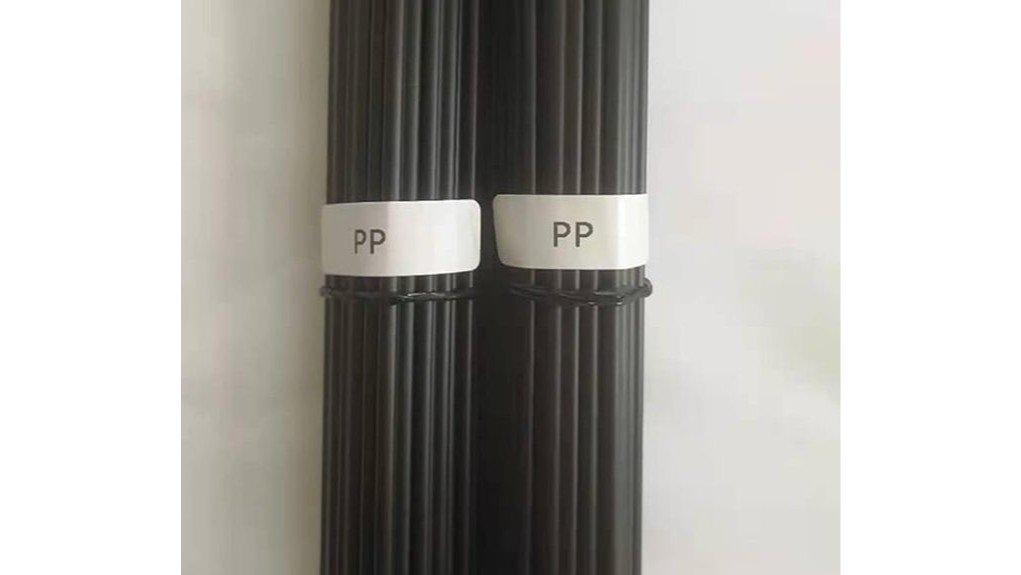
| Material | Black polypropylene |
| Quantity | 20 rods |
| Diameter | Approx. 3 mm, as stated in the source article |
| Length | Not confirmed, verify the current seller listing before purchase |
| Compatibility | Polypropylene plastic only, unless the seller listing states otherwise |
| Best Use | Automotive plastic repair, bumper cracks, tanks, housings, and compatible household parts |
| Required Tool | Plastic welding heat tool or suitable hot air tool |
| Safety Note | Use ventilation, eye protection, heat-safe gloves, and follow your tool instructions |
What Is the 20pcs Plastic Welding Rods Kit?
The 20pcs Plastic Welding Rods kit is a set of polypropylene filler rods for repairing cracked or broken plastic parts. You use the rods with heat so the filler material melts into a compatible base plastic.
The main advantage is that the repair becomes a fused plastic joint instead of a surface-level adhesive patch. That can help on parts that flex or vibrate, such as bumper covers, trim panels, tanks, and plastic housings.
The kit is best treated as a focused polypropylene repair accessory. It is not a replacement for a full plastic repair kit, a welder, surface prep tools, clamps, or professional repair work on structural safety parts.
Who Should Buy It?
Best For
- DIY users fixing cracked polypropylene car bumpers or trim panels
- Owners repairing compatible tanks, housings, covers, or storage parts
- Users who already have a plastic welding heat tool and basic prep supplies
Skip If
- You need to repair ABS, PVC, nylon, polyethylene, or unknown plastic
- You do not have a compatible heat tool or safe work area
- The damaged part is structural, pressurized, load-bearing, or safety-critical
Before You Buy: Confirm the plastic type before ordering. Polypropylene rods can make weak repairs on incompatible plastics, even when the surface looks similar.
Key Features and Material Benefits
Polypropylene Compatibility
These rods are made for polypropylene, a plastic often used in automotive parts because it can flex without cracking as easily as more brittle materials. When the base part is also polypropylene, the rod can melt into the surface and form a stronger bond than many basic glues.
Compatibility is still the biggest limit. Many plastic parts have a molded material code on the back, such as PP for polypropylene. Check that code before you start, because a good-looking weld bead will not guarantee strength on the wrong plastic.
Black Rod Color
The black color makes these rods a practical match for many hidden automotive repairs, inner panels, wheel-well liners, tanks, and dark housings. It may not blend well on light-colored or visible plastic unless you plan to sand, refinish, or paint the repair area.
Small-Rod Format
The 3 mm rod size is useful for narrow cracks, short seams, and small patch work. It gives you more control than thick filler material when you are working around curved bumper sections or tight corners.
The tradeoff is coverage. A 20-piece pack is useful for several small repairs, but it may not be enough for long cracks, missing plastic sections, or large reinforcement jobs.
Installation and Usage Overview
Surface preparation matters as much as the rod itself. Clean the damaged area, remove grease, dry the surface, and lightly roughen the plastic so melted material can grip the base part.
Heat control also affects bond strength. Too little heat leaves the rod sitting on top of the surface, while too much heat can warp the plastic, widen the crack, or weaken the repair area.
Basic Repair Steps
- Identify the plastic type and confirm it is compatible with polypropylene rod.
- Clean the repair area and remove loose edges, paint flakes, oil, and dirt.
- Use a compatible heat tool to warm the base plastic and rod gradually.
- Press the softened rod into the crack or seam so it fuses with the part.
- Let the repair cool fully before trimming, sanding, or reinstalling the part.
Pro Tip: Test on a hidden area or scrap polypropylene first. A small test helps you set the heat level before you work on a visible bumper or finished part.
Common Mistakes to Avoid
Skipping Material Identification
Do not assume every black plastic automotive part is polypropylene. Some parts use ABS, polyethylene, blends, or reinforced plastics, and those materials may need different rods or repair methods.
Using the Rod Like Glue
Plastic welding depends on heat and material fusion. If you melt only the rod and do not soften the base plastic, the repair may look complete but peel away under flex, vibration, or impact.
Overheating Thin Plastic
Thin panels can warp quickly. Use controlled heat, work in small sections, and let the plastic cool between passes when the part starts to soften too much.
Compatibility and Safety
These rods touch automotive, household, and repair-related plastic, so you should use them with basic workshop precautions. Work in a ventilated area, keep heat away from fuel, solvents, paint fumes, and flammable surfaces, and wear eye protection and heat-safe gloves.
Avoid using this type of repair on parts that protect occupants, hold high pressure, handle fuel, or carry structural loads. For safety-critical automotive parts, let a qualified repair professional inspect the damage before you rely on a DIY weld.
After the repair cools, inspect both sides if possible. Look for gaps, loose edges, bubbles, or areas where the bead did not fuse into the base plastic.
How It Performs in Real Use
For Automotive Bumper Cracks
These rods make the most sense on polypropylene bumper covers and trim pieces that need flexible repair. A well-prepped weld can help stop a crack from spreading, especially when you can reinforce the back side of the panel.
For Tanks, Housings, and Covers
They can work on compatible polypropylene tanks, housings, and covers when the damage is minor and not safety-critical. Repairs on tanks should be handled carefully, because leaks, pressure, chemicals, or heat exposure can change the risk level.
For Small Household Plastic Repairs
For polypropylene bins, containers, handles, and plastic housings, the rods can be useful when replacement parts are not worth the cost. The repair area may remain visible, so treat the result as functional rather than cosmetic.
For Long-Term Durability
Durability depends on the plastic match, surface prep, weld depth, and how much stress the part sees after repair. On the right material, the welded joint can handle normal handling and vibration. On the wrong material, it may crack or separate quickly.
Pros and Cons
Pros
- Polypropylene material suits many compatible automotive plastic repairs
- 3 mm rod size gives you control on cracks, seams, and curved parts
- Black color works well for many hidden or dark repair areas
- Heat-welded repair can be stronger than a surface adhesive patch
- 20-piece pack is practical for small DIY repair jobs
Cons
- Limited to compatible polypropylene repairs
- Requires proper heat control, prep work, and practice
- Not suitable for every tank, safety part, or structural repair
Is It Worth the Price?
This is a budget-friendly repair accessory for small plastic welding jobs. It offers strong value when you already know the damaged part is polypropylene and you have the right heat tool.
The best value comes from avoiding replacement of small plastic parts, trim pieces, housings, or bumper areas. A single successful repair can make the pack worthwhile for a DIY user.
It is not the best fit if you need a complete repair system, a cosmetic finish, or one rod type for many plastic materials. You may need different rods, mesh reinforcement, sanding tools, paint, or professional help depending on the damage.
How It Compares to Alternatives
Compared with epoxy plastic repair kits, these rods focus on heat fusion instead of a chemical bond. That can be better for flexible polypropylene parts, but epoxy may be easier for users who do not own a plastic welding tool.
Compared with universal plastic glues, polypropylene welding rods require more skill but can deliver a more durable repair on matching material. The rods make the most sense when you value strength and compatibility over quick application.
Frequently Asked Questions
Can these rods be used on all plastics?
No. These rods are intended for polypropylene repairs, so they may not bond well to ABS, PVC, nylon, polyethylene, or unknown plastic blends. Check the material code on the part before you start.
Do I need a special tool to use them?
Yes. You need a plastic welding heat tool or a suitable hot air tool that can soften the rod and base plastic in a controlled way. A regular glue gun is not a substitute for plastic welding.
Are these suitable for car bumper repair?
Yes, they can be suitable for polypropylene bumper covers and trim pieces. You should confirm the bumper material first, then repair from the back side when possible for better support and a cleaner front surface.
Will the repair be waterproof?
A well-fused polypropylene repair may help seal a crack, but this depends on prep, weld quality, and the type of tank or housing. Do not rely on a DIY repair for pressurized, fuel-related, or safety-critical containers.
Can I sand or paint the repair afterward?
You can usually trim or sand the cooled weld area for a smoother finish. Paint compatibility depends on the plastic, surface prep, primer, and coating system you use.
How many repairs can one 20-piece pack handle?
That depends on crack length, gap size, reinforcement needs, and how much practice material you use. A 20-piece pack is better for several small repairs than one large rebuild.
Who should skip these rods?
Skip them if you cannot confirm the plastic type, do not have a heat tool, or need a repair on a safety-critical part. In those cases, a different material, a full repair kit, or professional service may be safer.
The Bottom Line
The 20pcs Plastic Welding Rods kit is a practical choice for DIY users repairing compatible polypropylene parts, especially bumper covers, trim, housings, and small household plastics. Its main strength is the ability to create a heat-fused repair, while its main limitation is narrow material compatibility.
Buy it if you can identify the plastic and already have the right tool. Skip it if you need a universal plastic fix, a cosmetic repair with no finishing work, or a repair on a structural or safety-critical part.