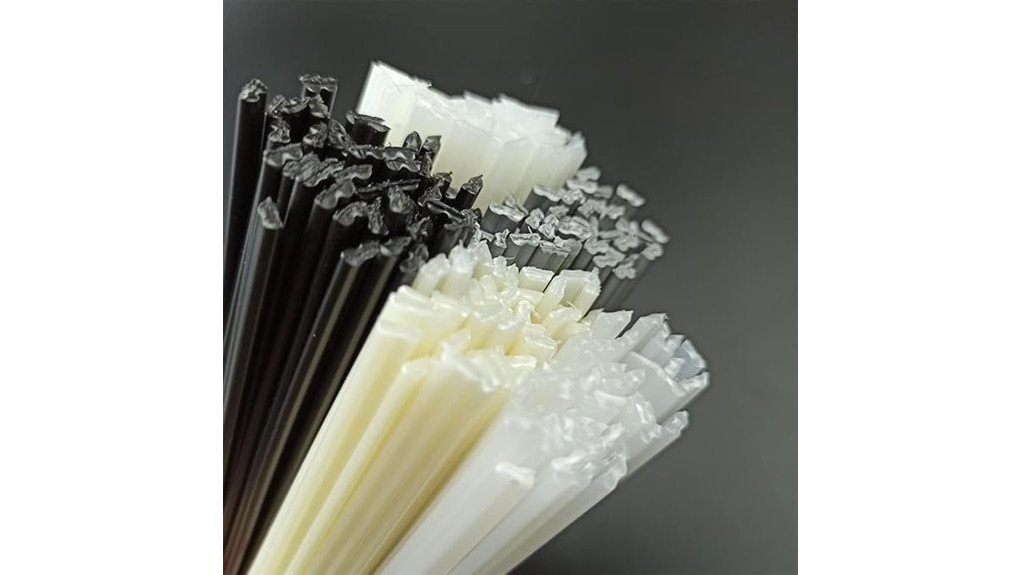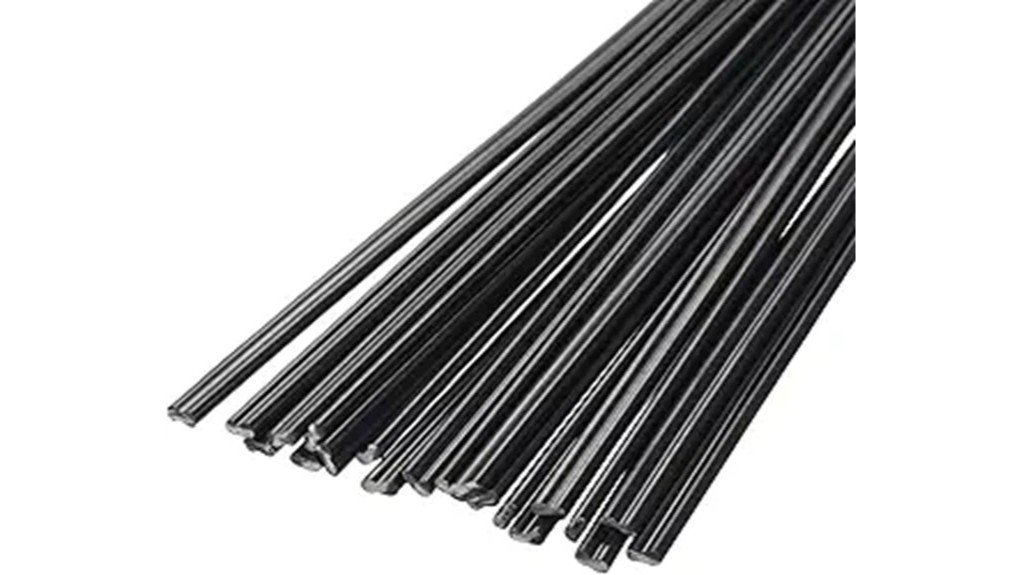
The Meccanixity 20-piece plastic welding rods are flat ABS filler strips for repairing cracked ABS parts such as bumper covers, housings and tanks, when used with a hot-air or heated plastic welder. They are worth considering if you need an ABS filler in a bulk pack. Skip them if your part is polypropylene, polyethylene or an unidentified plastic. The Meccanixity 20pcs ABS plastic welding rods suit repairs on ABS parts.
Quick specs at a glance
| Item | Per the listing |
|---|---|
| Type | Plastic welding filler rods (strips), 20 pieces |
| Material | ABS |
| Size | About 5 mm wide x 2.5 mm thick x 8 inches long |
| Tool needed | Hot-air or heated plastic welder (not included) |
| Named uses | Bumpers, containers, valves, water tanks and kayaks |
Check Current Price on Amazon →
Who these ABS rods suit
Plastic welding works best when the filler matches the base material. These rods are ABS, a rigid plastic common in dashboards, trim, housings, some bumper covers and toys. If you are fixing a cracked ABS part and already own a plastic welder, a pack of 20 gives you plenty of filler for several repairs or practice runs.
They are less suited to flexible bumpers, fuel tanks or garden items, which are often polypropylene or polyethylene. Those materials need rods of their own type. See the Jounjip LDPE welding rods for an example of a different plastic type.
How to check the rods match your repair
- Identify the plastic. Find a molded code (ABS, PP, PE, PC, PVC and so on) on the part. Do not guess.
- Match the rod to the plastic. ABS rod on ABS part is the standard pairing. Mixed plastics usually do not fuse into a strong joint.
- Check the rod profile. The listed flat 5 x 2.5 mm strip works with a V-groove and a flat or triangular welding tip. Check that your tool’s speed tip or nozzle accepts that width.
- Confirm your tool. A hot-air gun with a speed nozzle or a plastic welder gives control. Use the temperature the tool maker lists for ABS and test on scrap.
- Consider the load. Structural or safety-critical parts should follow the manufacturer’s repair guidance, not just a DIY weld.
Pros and limitations
Pros
- 20 rods give you filler for several jobs and for practice runs.
- Flat strips are handy for long cracks and seams.
- Rod length of about 8 inches is easy to hold and cut to size.
Limitations
- ABS only. They will not make a good weld in polypropylene or polyethylene.
- Results depend on heat control, groove prep and technique more than on the rod.
- Colour matching is limited, so painted repairs usually need sanding, filler and paint.
- No heater or tips in the pack.
How to weld ABS with these rods
- Clean the area with soap and water, then a plastic-safe cleaner. Remove paint and grease near the crack.
- Drill a small stop hole at each end of the crack to keep it from spreading.
- Grind or cut a V-groove along the crack, about two thirds of the way through the plastic.
- Tack the two sides together if needed, then heat the base and rod at the same time. Press the rod into the groove with light, even pressure.
- Let the weld cool naturally. Do not quench with water.
- Sand flush, then fill and paint if the part is visible.
Work in a ventilated area, because melting ABS gives off fumes you should not breathe. Wear safety glasses and gloves, keep the heater away from fuel and other flammable materials, and let hot tips cool before touching them. Store rods dry, away from sunlight and heat.
Related guides
- Plastic welding kit review for a starter tool and rods together.
- Plastic welding replacement tips if your tool needs spare tips.
- 1600W hot-air plastic welder as a heat source.
Frequently Asked Questions
What plastic are these Meccanixity welding rods for?
The listing describes them as ABS plastic welding strips, so they are meant for ABS parts. They are not a universal filler. Polypropylene, polyethylene and other plastics need rods of the same material, so check the stamp on the part and the product description before buying.
How do I know if my part is ABS?
Look for a molded code such as ABS or PP inside the part, often on the back of a bumper or housing. If there is no mark, test a hidden spot with scrap rod. ABS usually sands and melts differently from polypropylene, but a stamped code is the reliable method.
What size are the rods and how many are in the pack?
Per the listing, each rod is about 5 mm wide, 2.5 mm thick and 8 inches long, with 20 pieces in the pack. The flat profile suits V-grooved seams on flat or lightly curved parts. Check the listing for the current pack contents.
Do I need a special tool to use plastic welding rods?
Yes. You need a heat source such as a hot-air plastic welder, a plastic welding gun or a soldering-style plastic welder with suitable tips. Ordinary lighters and torches burn and char the plastic. The rod does not include a heater, so budget for the tool and for ventilation.
Conclusion
These rods are a sensible ABS filler pack for anyone who already has a plastic welder. Confirm the plastic type, prepare a proper groove and ventilate the work area.
See These Welding Rods on Amazon →