Disclosure: As an Amazon Associate, we earn from qualifying purchases. If you click a link on this page and make a purchase, we may receive a small commission at no extra cost to you.
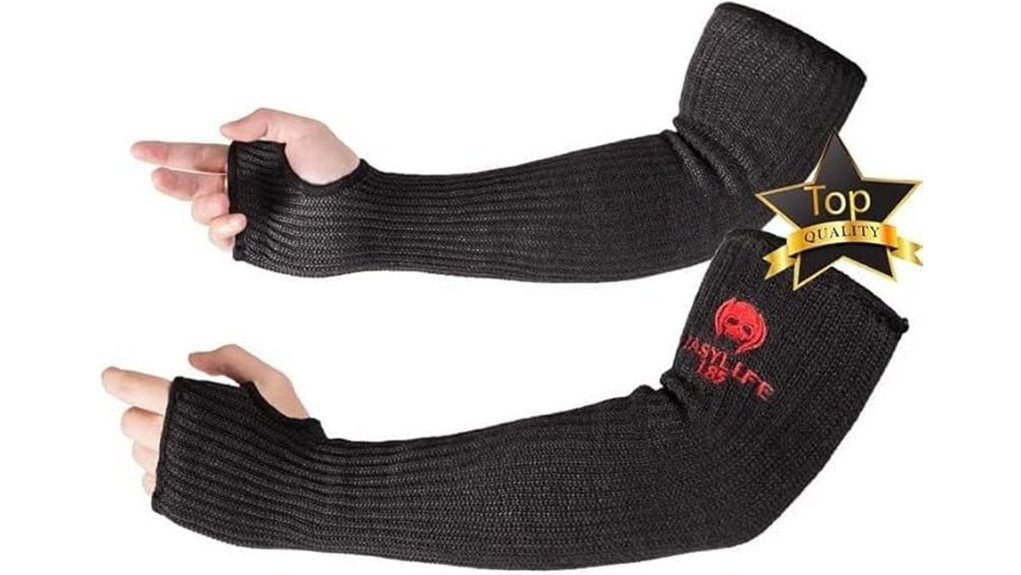
Cut-resistant sleeves are a smart add-on when your forearms are exposed to sharp edges, rough materials, glass, sheet metal, garden thorns, or repetitive handling work. The Cut Resistant Arm Protector in this review is built around an 18-inch sleeve design, a thumb slot, double-ply construction, and an article-stated EN 388 Level 5 cut-resistance claim. It is best viewed as arm coverage for cut and abrasion risk, not as full heat protection or a replacement for gloves, guards, or job-specific PPE. This review helps you decide if the fit, protection level, care needs, and limitations match the way you work.
Quick Verdict
Rating: 8/10
Best For: workers and hobbyists who need lightweight forearm coverage for cutting, handling, gardening, glass work, assembly, or shop tasks.
Bottom Line: This arm protector offers practical coverage with an 18-inch length, thumb slot, and double-ply knit build. The main tradeoff is that it is made for cut and abrasion protection, not high-heat protection or every arm size.
| Specification | Detail |
|---|---|
| Product Name | Cut Resistant Arm Protector |
| Product Type | Cut-resistant arm sleeve or forearm protector |
| Length | 18 inches |
| Cut Resistance Claim | EN 388 Level 5, article-stated |
| Comparable Rating Claim | Comparable to ANSI A6, article-stated |
| Design | Double-ply knit sleeve with thumb slot |
| Material Details | Article describes aramid-strength fibers, glass fibers, and high elastic nylon |
| Fit | Designed for men and women; fit may vary by arm size |
| Best Use | Manufacturing, gardening, food service, glass handling, assembly lines, and general material handling |
| Care Note | Hand wash in cold water with mild detergent for gentle care; article also states machine washing is possible |
| Safety Note | Not intended as significant heat protection |
Key Takeaways
- The arm protector uses an 18-inch sleeve length to cover more of your forearm than a short wrist guard.
- The article states EN 388 Level 5 cut resistance, with protection aimed at cuts, scrapes, scratches, and abrasions.
- The double-ply knit build and thumb slot help the sleeve stay in position while you move your hand and wrist.
- The lightweight, flexible design is useful for tasks where bulky gear can slow you down.
- It is not a heat sleeve, so welders, grill users, and high-temperature workers should choose PPE rated for heat exposure.
What Is the Cut Resistant Arm Protector?
The Cut Resistant Arm Protector is a forearm sleeve made to add a layer of cut and abrasion resistance between your skin and the material you are handling. It is designed for tasks where your hands may already be protected by gloves, but your wrists and forearms still come close to sharp, rough, or pointed surfaces.
The key design details are the 18-inch length, the thumb slot, the double-ply knit construction, and the article-stated EN 388 Level 5 cut-resistance rating. The sleeve is meant to be flexible enough for daily movement while still giving your arm more coverage than a glove alone.
Before You Buy: Do not treat these sleeves as full protection for every hazard. They are made for cut and abrasion coverage, not significant heat protection, chemical protection, electrical protection, or machine-guard replacement.
Who Should Buy It?
Best For
- You handle sharp or rough materials and want extra forearm coverage beyond gloves.
- You need a flexible sleeve for gardening, assembly work, food service, glass handling, or shop tasks.
- You prefer a thumb-slot design that helps reduce sleeve movement during repeated hand motions.
Skip If
- You need rated heat protection for welding, ovens, grills, or hot metal work.
- You need a certified product for a workplace policy that requires exact documentation from the manufacturer.
- You want a sleeve with confirmed brand, model, warranty, or package-count details listed in the article.
Material and Protection Features
The article describes the sleeve as using aramid-strength fibers, glass fibers, high elastic nylon, and a double-ply construction. That mix is meant to balance protection and flexibility, which matters when you need your wrist, hand, and elbow to move without constant sleeve adjustment.
The strongest protection claim in the article is EN 388 Level 5 cut resistance, with a comparison to ANSI A6 standards. Because safety ratings can vary by exact model and listing, you should confirm the current product label or documentation before using it for regulated work.
This protector is best suited to contact risks such as nicks, scratches, scrapes, and light abrasion from rough materials. It should not be used as the only safety layer near active blades, moving machinery, exposed chains, or other equipment that requires guards and formal PPE.
Design and Fit
The 18-inch length gives the sleeve more coverage than short cuff-style protection. For many users, that means coverage from near the wrist up the forearm, though the exact coverage depends on your arm length and how high you pull the sleeve.
The thumb slot is an important fit feature because it anchors the sleeve near your hand. That helps limit sliding when you reach, grip, lift, prune, sort, or handle parts. If the thumb opening feels tight, rubs your skin, or restricts circulation, stop using it and choose a better-fitting sleeve.
The knit construction is designed for close contact without a bulky outer shell. That makes the protector more useful for detailed work, but it also means fit matters. A sleeve that is too loose can shift, while a sleeve that is too tight can become uncomfortable during longer tasks.
Pro Tip: Put the sleeve on before your glove, then pull the glove cuff over the sleeve edge when your task allows it. This can reduce exposed skin at the wrist and help keep the sleeve in place.
Material Safety and Comfort
Because this product touches your skin, comfort matters as much as the cut-resistance claim. The article describes a lightweight sleeve with high elastic nylon, which should help reduce stiffness during repeated movement.
Glass fibers and aramid-style materials can feel different from cotton or standard work sleeves. If you have sensitive skin, test the sleeve for a short period before wearing it through a full shift or long project. Stop using it if you notice irritation, rubbing, numbness, or skin discomfort.
For workplace use, match the sleeve to your safety plan. Cut-resistant fabric can lower risk from many contact hazards, but it does not make sharp tools safe to handle carelessly. Follow your jobsite PPE rules, tool instructions, and supervisor guidance when the task has a known injury risk.
Applications and Comfort
This arm protector makes the most sense when your forearms are likely to brush against sharp or rough surfaces. The article lists manufacturing, gardening, food service, glass handling, and assembly lines as useful settings.
In gardening, it can help protect against scratches from branches, thorns, wire, and rough plant material. In glass handling or assembly work, it can add coverage when you are moving parts, panels, containers, or other materials that may scrape the forearm.
The comfort advantage is the lightweight, flexible design. Heavy protective sleeves may feel safer at first, but they can reduce control and make you remove them during detailed tasks. This sleeve aims for a more wearable balance, as long as the hazard level matches the product.
How It Performs in Real Use
For Daily Handling Work
For repeated lifting, sorting, or assembly tasks, the sleeve’s thumb slot helps keep the fabric from creeping up your wrist. The 18-inch length is useful when you reach into bins, work near edges, or move parts where your forearm may scrape a surface.
For Gardening and Yard Tasks
In yard work, the sleeve can reduce minor scratches from brush, stems, and thorns. It is still wise to pair it with gloves, eye protection, and the right tool for the job, especially when pruning or handling wire.
For Glass Handling and Sharp Materials
The article’s cut-resistance claims make this protector relevant for glass handling and similar tasks. Use it as an extra layer, not as permission to grip broken glass or sharp scrap without proper technique and gloves.
For Long-Term Use
Durability depends on how often you wear the sleeve and what surfaces it touches. Inspect the fabric before each use. Replace it if you see holes, thinning, broken fibers, loose stitching, or worn areas near the thumb slot.
Fit Tips Before You Buy
Measure the area you want covered before ordering. The article states an 18-inch length, but coverage will feel different on shorter and longer arms. If you want protection from wrist to near the upper arm, check your own forearm measurement first.
Think about what you will wear with the sleeve. Gloves, jackets, aprons, and tool belts can affect comfort and coverage. If your glove cuff is very tight, it may not sit comfortably over the sleeve.
For best results, put the sleeve on clean, dry skin and smooth out twists before starting work. A twisted sleeve can create pressure points and may leave gaps in the area you want protected.
Cleaning and Maintenance
The article gives two care signals: it says the sleeves are machine washable, and it also recommends hand washing in cold water with mild detergent. For longer life, the gentler choice is hand washing, then air drying away from direct heat.
Avoid bleach unless the product label specifically allows it. Harsh cleaning products can damage fibers, weaken elasticity, or change how the sleeve feels against your skin. Do not use the sleeve while it is wet if that makes grip, comfort, or job safety worse.
Cleaning is also a good time to inspect the protector. Look for frayed spots, cut marks, stretched areas, and damage around the thumb slot. A cut-resistant sleeve should be replaced when the material is no longer intact.
Pros and Cons
Pros
- 18-inch length gives useful forearm coverage for handling and shop tasks.
- Thumb slot helps reduce slipping during repeated hand movement.
- Double-ply knit construction supports durability without a bulky shell.
- Article-stated EN 388 Level 5 cut resistance gives buyers a clear protection benchmark to verify.
- Flexible design works for both professional tasks and hobby use when the hazard level is appropriate.
Cons
- Not made for significant heat protection.
- Fit may vary by arm size, especially around the thumb slot and upper sleeve.
- Brand, package count, warranty, and current certification details should be verified on the live listing before purchase.
Is It Worth the Price?
This sleeve is worth considering if you need a simple, flexible layer of forearm protection for everyday handling tasks. Its value comes from the 18-inch coverage, thumb-slot fit, double-ply construction, and article-stated EN 388 Level 5 cut-resistance claim.
It is likely a strong value for the price if your main concern is reducing minor cuts, scratches, and abrasions while keeping your hands free to move. It is not the best fit if you need verified heat protection, heavy-duty puncture protection, or documented PPE for strict workplace compliance.
How It Compares to Alternatives
Compared with a basic cotton work sleeve, this arm protector offers a stronger cut-resistance focus and a more secure thumb-slot design. Compared with heavier leather sleeves, it should feel lighter and easier to move in, but it will not give the same type of heat or spark coverage.
If you need welding protection, compare it with rated welding sleeves. If you need food-service cut protection, confirm the sleeve material, cleaning rules, and workplace requirements before relying on it in a commercial setting.
Frequently Asked Questions
What tasks are these cut-resistant arm protectors best for?
They are best for tasks where your forearms may contact sharp, rough, or abrasive surfaces. The article lists manufacturing, gardening, food service, glass handling, and assembly work as likely uses.
Do these sleeves replace work gloves?
No. These sleeves protect the arm area, while gloves protect your hands and fingers. For many tasks, you should use both so the wrist area has fewer exposed gaps.
Are the sleeves good for heat protection?
No. The source article states that these sleeves do not provide significant heat resistance or thermal protection. Choose sleeves specifically rated for heat if you work near sparks, ovens, hot parts, grills, or welding equipment.
How should you clean the arm sleeves?
The gentlest method is to hand wash them in cold water with mild detergent, then air dry away from direct heat. The article also says they are machine washable, but you should still follow the current product label.
How long do cut-resistant arm sleeves last?
Lifespan depends on how often you use them and how harsh the surfaces are. Replace the sleeve if you see holes, thinning, fraying, loose fibers, or damage near the thumb slot.
Will the 18-inch length fit every user?
Not exactly. The article says the sleeve is made to accommodate a wide range of arm sizes, but coverage and tightness can vary. Measure your arm and check the current listing before buying.
What common mistake should you avoid?
Do not assume cut resistance means complete injury protection. Keep your arm away from active blades and moving machinery, and use proper guards, gloves, and task-specific safety gear.
The Bottom Line
The Cut Resistant Arm Protector is a practical pick if you want lightweight forearm coverage for cutting, handling, gardening, glass work, or assembly tasks. Its best features are the 18-inch length, thumb slot, double-ply knit build, and article-stated EN 388 Level 5 cut resistance.
Skip it if you need confirmed heat protection, strict workplace certification documents, or a sleeve with verified brand and warranty details. For general cut and abrasion coverage, it earns a recommended-with-caveats verdict.