Disclosure: As an Amazon Associate, we earn from qualifying purchases. If you click a link on this page and make a purchase, we may receive a small commission at no extra cost to you.
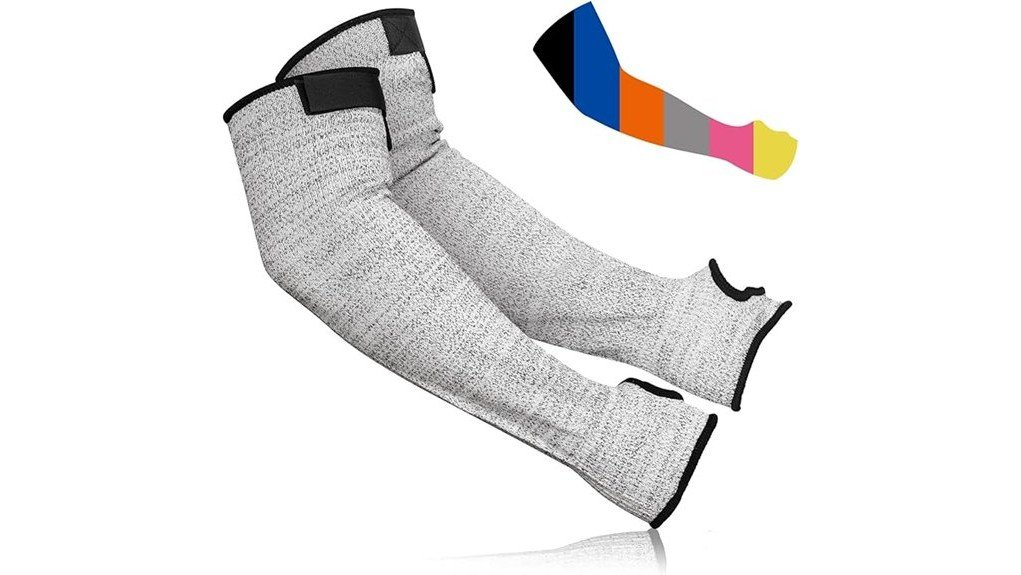
Arm protection matters when you work around sharp edges, thorny plants, glass, metal, pets, or rough materials. These Cut Resistant Arm Sleeves are designed to add a protective layer over your forearms while still keeping your hands free and mobile. The source listing describes them as ANSI Level A5 cut-resistant sleeves made from high-performance polyethylene with thumb holes and adjustable hook and loop closures. They look most useful for shoppers who want lightweight cut and scratch protection, but they are not a substitute for heat-rated welding sleeves, chemical-resistant gear, or task-specific PPE.
Quick Verdict
Rating: 8/10, Recommended with caveats
Best For: light to medium cut and scratch protection during yard work, glass handling, shop tasks, pet grooming, and everyday forearm coverage.
Bottom Line: These sleeves make sense if you want breathable forearm coverage with an adjustable fit and thumb-hole design. Skip them if your main hazard is heat, flame, harsh chemicals, heavy impact, or any task that requires certified specialty protection beyond cut resistance.
| Specification | Detail |
|---|---|
| Product type | Cut resistant arm sleeves |
| Amazon ASIN | B0F887BGS2 |
| Cut rating stated in source article | ANSI Level A5 |
| Material stated in source article | High-performance polyethylene, also called HPPE |
| Design | Forearm sleeve with thumb holes and adjustable hook and loop closure |
| Fit | One-size-fits-most design for men and women |
| Best use | Gardening, pet grooming, glass handling, light shop work, and scratch-prone tasks |
| Care note | Source article says hand wash or machine wash on a delicate cycle, then air dry |
| Safety note | Not described as heat-rated, flame-resistant, impact-resistant, or chemical-resistant |
What Are These Cut Resistant Arm Sleeves?
These cut resistant arm sleeves are forearm covers made for tasks where scratches, minor cuts, and sharp-edge contact are common. The article describes them as HPPE sleeves with an ANSI Level A5 cut rating, which places the focus on cut resistance rather than heat, chemical, or impact protection.
The design uses thumb holes to help keep the sleeve from sliding up your arm during movement. The adjustable hook and loop closure is meant to help you tighten the fit around the upper forearm or wrist area, depending on how the sleeve is shaped.
They are best viewed as an add-on safety layer. You would still need the right gloves, eye protection, long pants, apron, or task-specific protective gear when the job calls for it.
Before You Buy: The source article describes ANSI A5 cut protection, but the Amazon product page could not be independently verified during this edit. Before relying on these sleeves for work safety, confirm the cut rating, material, package count, and care label on the product page or packaging.
Who Should Buy It?
Best For
- Gardeners who want forearm coverage around thorns, branches, and rough stems.
- DIY users who handle glass, sheet metal edges, sharp packaging, or rough materials.
- Pet owners who want scratch protection during grooming, bathing, or handling nervous pets.
Skip If
- You need heat-rated welding sleeves, flame-resistant fabric, or spark protection.
- You work around chemicals and need chemical-resistant sleeves or gauntlets.
- You need full hand protection, since these cover the arms but do not replace gloves.
Features and Benefits of Cut Resistant Arm Sleeves
The main benefit is simple: these sleeves put a cut-resistant barrier between your forearms and rough working surfaces. That can help when your arms brush against sharp garden stems, glass edges, sheet metal corners, or pet nails.
The article describes the sleeves as ANSI Level A5, which is a useful level for many cut-risk tasks when the rating is confirmed on the product label. It does not mean the sleeves are cut-proof. Sharp tools, force, blade angle, and worn material can still create injury risk.
The HPPE material is also a practical choice for this type of product because it is commonly used in cut-resistant safety gear. The advantage for you is that HPPE can feel lighter and more flexible than bulky leather or thick canvas sleeves.
Design and Comfort Aspects
Comfort matters because protective sleeves only help if you actually keep them on. These sleeves use a one-size-fits-most design with thumb holes, which helps hold the fabric in place when you reach, bend, carry, trim, or groom.
The adjustable hook and loop closure is the main fit feature. A snug fit can reduce shifting, while a too-tight fit can feel restrictive or uncomfortable during longer jobs. You should be able to move your wrist and elbow without the sleeve bunching, pinching, or cutting into your skin.
The best sleeve fit is secure enough to stay in place, but loose enough that you can bend, grip, and work without pressure marks.
- Thumb holes help keep the sleeve positioned over your wrist and forearm.
- Adjustable closure helps improve fit across different arm shapes.
- Breathable material can feel more comfortable during longer tasks.
- Lightweight coverage is useful for people who dislike bulky protective gear.
Material Safety and Comfort
Because these sleeves touch your skin, the material and fit matter as much as the cut rating. The source article identifies the material as high-performance polyethylene, which is commonly shortened to HPPE. This is not the same as leather, rubber, nitrile, or chemical-resistant fabric.
These sleeves may be helpful for people with thin or fragile skin who want an extra layer during everyday tasks. Still, they should not be treated as medical gear. If your skin tears easily, bruises often, or reacts to fabrics, choose carefully and ask a medical professional when needed.
Stop using the sleeves if they cause itching, rash, numbness, pinching, or reduced circulation. A protective sleeve should feel secure, not painful.
Fit Tips Before You Buy
One-size-fits-most sleeves can be convenient, but they are not perfect for every arm. If your arms are very small, the sleeves may slide. If your arms are larger, the closure may feel tight or limit movement.
Pro Tip: Put the sleeve on before starting the task, then bend your elbow, rotate your wrist, and reach forward. If the thumb hole pulls, the closure pinches, or the sleeve slides, adjust the fit before handling sharp materials.
For the best fit, wear the sleeves with the thumb holes seated comfortably between your thumb and index finger. Tighten the hook and loop closure only enough to reduce slipping. Do not use the closure to force a fit if the sleeve feels too small.
How It Performs in Real Use
For Gardening
These sleeves are a practical choice for gardening tasks where your forearms brush against rose bushes, thorny shrubs, vines, sticks, or rough stems. They can help reduce scratches while still letting you use your hands freely with separate gardening gloves.
For Pet Grooming
During pet grooming, the sleeves can add a protective layer against claw scratches on your forearms. They are most useful for routine brushing, bathing, nail-trim setup, and handling pets that move around, but they do not replace safe handling or professional help for aggressive animals.
For Glass and Light Shop Work
For glass handling, sheet material, packaging, and light shop tasks, the cut-resistant layer can help protect areas that gloves do not cover. You should still wear suitable gloves, eye protection, and any other PPE required for the task.
For Welding-Adjacent Work
The original article mentions welding, but these sleeves are not described as high-temperature or flame-resistant. They may help with sharp metal edges during setup or cleanup, but they should not replace leather welding sleeves or flame-resistant PPE when sparks, heat, or slag are present.
Cleaning and Maintenance
The source article says the sleeves can be hand washed or machine washed on a delicate cycle. Air drying is the safer care choice because high heat can shorten the life of many protective textiles.
Check the sleeves after washing and before each use. Look for thinning fabric, loose stitching, stretched thumb holes, worn closure points, cuts, tears, or areas that no longer lie flat against your arm. Replace the sleeves if the material is damaged.
Do not use bleach, harsh solvents, or high dryer heat unless the product care label specifically allows it. When safety gear is cleaned the wrong way, it may lose comfort, fit, or protective performance.
Pros and Cons
Pros
- Source article lists ANSI Level A5 cut resistance for forearm protection.
- HPPE material gives you a lighter feel than many bulky sleeve options.
- Thumb holes help keep the sleeve positioned during reaching and bending.
- Adjustable hook and loop closure helps improve fit for different users.
- Useful for gardening, pet grooming, glass handling, and light shop tasks.
Cons
- Not described as heat-rated, flame-resistant, or spark-resistant.
- Does not provide significant chemical protection.
- One-size-fits-most design may not fit very small or very large arms well.
Is It Worth the Price?
These sleeves are worth considering if you want a simple, reusable layer of forearm protection for everyday cut and scratch risks. They offer strong value for the price when your main needs are lightweight coverage, adjustable fit, and comfort during routine tasks.
The best value goes to gardeners, DIY users, pet owners, and workers who already use gloves but want extra forearm protection. They are not the best fit if you need certified heat, flame, chemical, puncture, or impact protection.
Before buying, check the current Amazon listing for the exact package count, sizing details, care instructions, and rating label. Those details can affect value more than the button price alone.
How It Compares to Alternatives
Compared with leather welding sleeves, these cut resistant arm sleeves should feel lighter and easier to wear for routine movement. Leather welding sleeves are still the better choice when sparks, heat, or flame exposure is part of the job.
Compared with chemical-resistant sleeves, these are focused on cut and scratch coverage rather than liquid or chemical protection. They make the most sense when you want breathable forearm protection for dry tasks involving sharp edges, rough surfaces, or light abrasion.
Frequently Asked Questions
Are these cut resistant arm sleeves cut-proof?
No. Cut resistant does not mean cut-proof. The source article describes ANSI Level A5 protection, but sharp tools, force, blade angle, and worn material can still cause injury.
Can you use them for welding?
Use caution. The article mentions welding, but it also says the sleeves are not designed for high-temperature environments. For active welding, sparks, slag, or flame exposure, use proper heat-rated welding sleeves and PPE.
Do they replace work gloves?
No. These sleeves protect the forearm area, while gloves protect your hands and fingers. For glass, metal, gardening tools, or shop tasks, pair them with task-appropriate gloves.
Are they good for gardening?
Yes, they are a practical choice for gardening around thorny bushes, rough stems, branches, and scratch-prone plants. Wear them with gardening gloves for better hand and wrist protection.
Are these sleeves machine washable?
The source article says they can be machine washed on a delicate cycle. Air drying is recommended to help preserve the material and fit.
Do they offer chemical resistance?
No significant chemical resistance is stated in the source article. If you work with cleaners, solvents, oils, pesticides, or chemicals, choose protective sleeves rated for that chemical exposure.
Will one-size-fits-most work for every arm?
Not always. The adjustable hook and loop closure helps, but very small arms may experience slipping and larger arms may feel tight. Check the product page and return policy before buying if fit is a concern.
Who should skip these arm sleeves?
Skip them if your main risk is heat, flame, chemicals, electrical hazards, impact, or heavy puncture exposure. They are best for cut and scratch reduction in dry, routine tasks.
The Bottom Line
These Cut Resistant Arm Sleeves are a solid choice if you want lightweight forearm protection for gardening, pet grooming, glass handling, and light shop work. Their biggest strengths are the article-stated ANSI A5 cut rating, HPPE material, thumb holes, and adjustable fit, while the main limitation is that they are not heat-rated or chemical-resistant.
Buy them if you want an added safety layer for everyday cut and scratch risks. Skip them if your work requires specialty PPE for flame, sparks, chemicals, impact, or professional high-risk environments.