Disclosure: As an Amazon Associate, we earn from qualifying purchases. If you click a link on this page and make a purchase, we may receive a small commission at no extra cost to you.
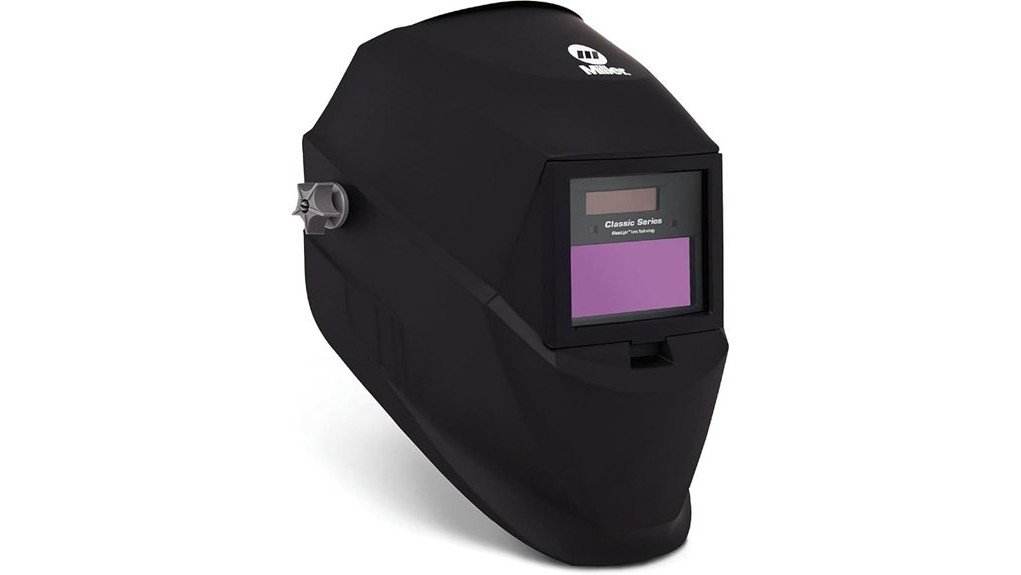
Choosing a welding helmet is not only about getting a dark lens. You need enough viewing area, fast lens response, useful controls, and a shell that stays comfortable during longer jobs. The Miller 287803 Welding Helmet is positioned as an auto-darkening helmet with a 6-square-inch viewing area, ClearLight lens technology, adjustable shade settings, and lightweight nylon construction. This review helps you decide whether those features make sense for your welding setup, while also pointing out the details you should verify before buying.
Quick Verdict
Rating: 8/10, recommended with caveats
Best For: Welders who want an auto-darkening helmet with clear optics, digital controls, and a lightweight shell for regular shop or garage use.
Bottom Line: The Miller 287803 Welding Helmet stands out for its ClearLight lens technology, adjustable shade range, and 1/23,000-second switching speed. The main tradeoff is that some buyer details, such as exact weight, package contents, and warranty terms, should be confirmed on the live seller page before purchase.
| Specification | Detail |
|---|---|
| Brand | Miller |
| Model | 287803 |
| Product type | Auto-darkening welding helmet |
| Viewing area | 6 square inches |
| Lens technology | ClearLight lens technology |
| Shade range | Adjustable shades 8 to 13 for welding |
| Arc sensors | Dual arc sensors |
| Switching speed | 1/23,000th of a second |
| Controls | Digital controls for shade, delay, and sensitivity |
| Material | Lightweight nylon construction |
| Headgear | Adjustable ratchet headgear |
| Power | Rechargeable solar cell listed in the source article |
| Safety standards | ANSI Z87.1+, CSA, and CE listed in the source article |
Before You Buy: Confirm the live Amazon listing before ordering. The article supports the main lens, shade, sensor, material, and safety-standard details, but exact weight, included accessories, replacement lens part numbers, and warranty terms should be checked on the seller page or Miller documentation.
Key Takeaways
- The Miller 287803 Welding Helmet uses a 6-square-inch viewing area to give you a broader view of your work area than very small lens helmets.
- ClearLight lens technology is the main optical feature, aimed at improving clarity while you weld.
- The auto-darkening filter includes adjustable shades 8 to 13, making it useful for different welding tasks within that shade range.
- Dual arc sensors and a 1/23,000-second switching speed help the lens react quickly when the arc starts.
- The lightweight nylon shell, ratchet headgear, and digital controls make the helmet easier to adjust during longer projects.
What Is the Miller 287803 Welding Helmet?
The Miller 287803 Welding Helmet is an auto-darkening welding helmet designed to protect your eyes and face while giving you a clearer view of the weld area. It combines ClearLight lens technology, adjustable shades, dual arc sensors, and a fast lens response for shop, garage, and fabrication work.
The helmet is built with a lightweight nylon shell and adjustable ratchet headgear. That matters when you spend more than a few minutes under the hood, since a heavy or poorly balanced helmet can distract you while you work. The digital controls also let you adjust shade, delay, and sensitivity instead of relying on one fixed setting for every welding situation.
Who Should Buy It?
Best For
- Welders who want an auto-darkening lens with adjustable welding shades from 8 to 13.
- Users who value a 6-square-inch viewing area for better visibility around the weld puddle.
- Garage, farm, shop, and fabrication users who want digital shade, delay, and sensitivity controls.
Skip If
- You need verified exact weight, accessory list, or warranty terms before buying and cannot confirm them on the live listing.
- You prefer a very large panoramic viewing area for production welding or complex out-of-position work.
- You need a helmet for a specific process outside the listed shade range and cannot confirm compatibility in the manual.
Features of the Miller 287803 Welding Helmet
Viewing Area and Clarity
The 6-square-inch viewing area is one of the most useful everyday features. A larger viewing window helps you see more of the joint, your electrode or torch position, and the surrounding workpiece without constantly lifting the hood.
The ClearLight lens technology is designed to improve optical clarity. For you, that can mean a cleaner view of the weld puddle and surrounding metal, which is especially helpful when you are trying to keep a steady travel angle or follow a marked line.
Auto-Darkening Performance
The auto-darkening filter uses adjustable shades from 8 to 13 for welding. That gives you room to match the shade to the process, amperage, and comfort level instead of forcing every job through the same lens darkness.
The dual arc sensors and 1/23,000-second switching speed are important safety and usability details. Fast switching helps reduce the delay between arc start and lens darkening, while two sensors help the helmet detect arc light from more than one point.
Comfort and Customization Options
The lightweight nylon construction is a practical benefit for long sessions. Less helmet weight can reduce neck strain, especially if you are tacking, grinding between passes, or moving around a project for several hours.
The adjustable ratchet headgear lets you tune the fit around your head. A secure fit helps keep the viewing area aligned with your eyes, which matters when you are working in tight positions or changing angles often.
The digital controls let you adjust shade, delay, and sensitivity. Shade controls affect lens darkness, delay controls how long the lens stays dark after the arc stops, and sensitivity controls how easily the lens reacts to arc light. Those settings make the helmet more flexible than a basic fixed-shade hood.
Power and Durability
The article lists a rechargeable solar cell as the helmet’s power source. This can reduce reliance on frequent battery replacement, but you should still check the live product listing or manual for battery details, charging requirements, and storage guidance.
The nylon shell gives the helmet a lightweight frame while still serving as face protection during normal welding use. Inspect the shell, lens, cover plates, and headgear regularly. Cracks, loose parts, or damaged lenses can reduce protection and should be addressed before welding.
Optical Performance and Safety Standards
Visual performance is a major reason to consider this helmet. The combination of ClearLight lens technology, adjustable shades 8 to 13, dual arc sensors, and fast switching gives you a practical feature set for many common welding jobs.
The source article lists compliance with ANSI Z87.1+, CSA, and CE standards. You should still check markings, packaging, and the current seller listing before use, especially if your workplace requires a specific safety standard or documented PPE approval.
Pro Tip: Before your first real weld, test the shade, sensitivity, and delay settings on scrap material using the same process and lighting conditions. Adjust until you can see the weld puddle clearly without choosing a shade below the level required for your work.
How It Performs in Real Use
For Garage and Shop Repairs
For common garage repairs, the 6-square-inch viewing area helps you line up the joint and keep track of nearby edges. The lightweight shell is also useful when you are moving between a bench, a vise, and the workpiece.
For Fabrication Projects
During fabrication, the digital controls give you more flexibility as lighting and weld positions change. You can adjust sensitivity when the arc is harder to detect and use delay settings to keep the lens dark briefly after the arc stops.
For Outdoor Use
The original article describes the helmet as suitable for outdoor use. In bright sunlight, you should test the auto-darkening behavior before welding, since ambient light can affect how some helmets respond. Keep the sensors clean and follow the product manual for outdoor settings.
For Longer Welding Sessions
The nylon construction and ratchet headgear are the main comfort features for longer sessions. A secure fit helps prevent the helmet from slipping, while lower weight can make a difference when you are welding in short bursts across a long project.
Setup Tips Before First Use
- Inspect the shell and lens: Do not weld with cracked cover plates, damaged lenses, or loose headgear.
- Adjust the headgear first: Set the ratchet headgear so the helmet stays stable without creating pressure points.
- Set shade for the job: Use the shade 8 to 13 range according to your welding process, amperage, comfort, and safety guidance.
- Test sensitivity: If the lens darkens too easily or not quickly enough, adjust sensitivity before welding on the actual project.
- Check delay: A longer delay may help when the weld area remains bright after the arc stops, while a shorter delay can feel faster for tack welding.
- Keep sensors clean: Dust, spatter, or a blocked sensor can affect auto-darkening performance.
Material Safety and Comfort
The helmet’s lightweight nylon construction is a comfort feature, but the helmet is still protective equipment. Do not modify the shell, lens area, headgear, or sensors. Changes that seem small can affect fit, visibility, or protection.
Use this helmet with the rest of the protective gear required for your work, such as gloves, flame-resistant clothing, and proper respiratory or ventilation controls when needed. A welding helmet protects your face and eyes, but it does not replace full welding safety practices.
Pros and Cons
Pros
- 6-square-inch viewing area gives you more visibility than many compact lens helmets.
- ClearLight lens technology supports a clearer view of the weld area.
- Adjustable shade range from 8 to 13 adds flexibility for different welding tasks.
- Dual arc sensors and 1/23,000-second switching speed support quick lens response.
- Digital shade, delay, and sensitivity controls make setup more customizable.
Cons
- Exact weight, package contents, and warranty terms are not confirmed in the source article.
- Two arc sensors may not appeal to buyers who want a higher-sensor premium helmet.
- You still need to confirm the shade range and safety markings match your workplace requirements.
Is It Worth the Price?
The Miller 287803 Welding Helmet is worth considering if you want an auto-darkening helmet with clear optics, a usable viewing area, and digital control over shade, delay, and sensitivity. Its value is strongest for welders who need more than a basic passive hood but do not want to rely on vague, one-setting protection.
It makes the most sense for regular garage, shop, and fabrication work where comfort and visibility matter. It is not the best fit if you need confirmed advanced specs, a very large viewing window, or a documented accessory package before buying.
How It Compares to Alternatives
Compared with a basic fixed-shade welding helmet, the Miller 287803 gives you auto-darkening performance, adjustable shades, and digital controls. That makes it easier to move between tasks without constantly lifting the hood or changing lenses.
Compared with higher-end premium helmets, the main question is how much viewing area, how many sensors, and how much documentation you need. The Miller 287803 makes the most sense if you want ClearLight optics and a balanced feature set, but you should compare it with larger-view Miller helmets or other premium auto-darkening models if production welding is your main use.
Frequently Asked Questions
What shade range does the Miller 287803 Welding Helmet offer?
The article lists adjustable welding shades from 8 to 13. That range gives you flexibility for different welding tasks, but you should match the shade to your process, amperage, and safety guidance.
How large is the viewing area?
The Miller 287803 Welding Helmet has a 6-square-inch viewing area listed in the source article. That gives you more visual space around the weld than many very compact helmets.
Is the helmet suitable for outdoor welding?
The original article describes the helmet as suitable for outdoor use. Before welding outside, test the auto-darkening response in the actual light conditions and make sure the arc sensors are clean and unobstructed.
Can you replace the lens if it gets damaged?
The source article says the lens can be replaced if damaged. Before ordering replacement parts, confirm the correct lens or cover plate part number from the current seller listing, packaging, or Miller documentation.
What safety standards are listed for this helmet?
The article lists ANSI Z87.1+, CSA, and CE compliance. If your jobsite requires documented PPE compliance, confirm the markings and current product documentation before use.
What is the warranty period?
The provided article does not verify a specific warranty period. Check the live Amazon listing, seller details, or Miller documentation before purchase if warranty coverage is a deciding factor.
What is the weight of the welding helmet?
The article describes the helmet as lightweight and made from nylon, but it does not provide an exact weight. Confirm the current listed weight before buying if neck fatigue or all-day wear is a major concern.
Who should skip the Miller 287803 Welding Helmet?
Skip it if you need a verified exact accessory bundle, exact weight, or warranty terms before ordering and cannot confirm those details on the live listing. You may also want to compare higher-end models if you need a larger viewing window or more advanced sensor setup.
The Bottom Line
The Miller 287803 Welding Helmet is a strong option if you want ClearLight lens technology, a 6-square-inch viewing area, adjustable shades 8 to 13, and digital controls in a lightweight nylon shell. It is best for regular welding work where comfort and visibility matter, but you should skip it or verify further if exact weight, package contents, warranty terms, or workplace-specific documentation are required.