Disclosure: As an Amazon Associate, we earn from qualifying purchases. If you click a link on this page and make a purchase, we may receive a small commission at no extra cost to you.
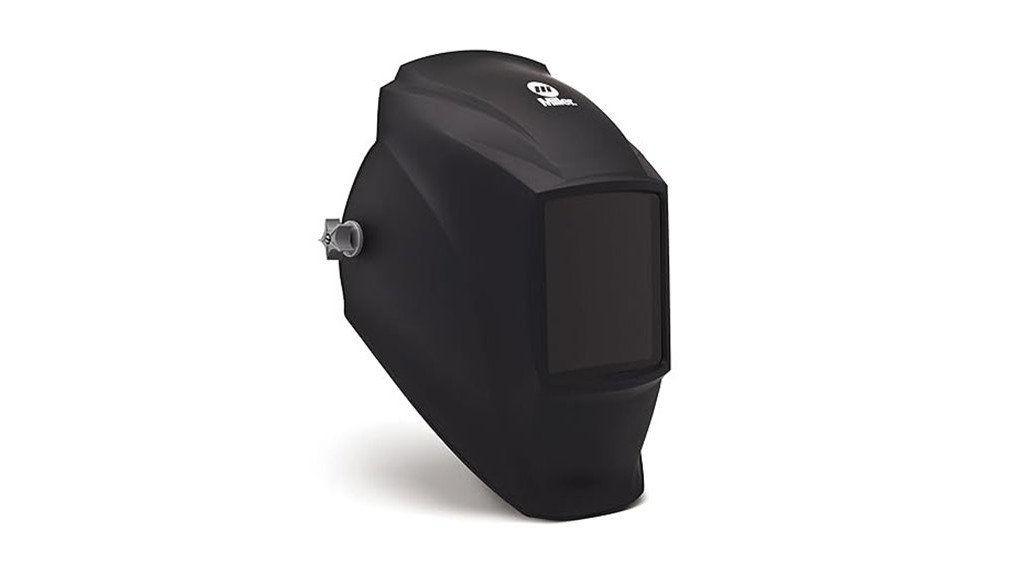
Choosing a passive welding helmet is mostly about comfort, visibility, and dependable face protection without extra electronics. The Miller 238497 MP-10 Passive Welding Helmet is a simple shade #10 helmet built for welders who want a lightweight shell, an adjustable fit, and a large viewing area. This review helps you decide if its passive lens setup makes sense for your work style, or if you would be better served by an auto-darkening helmet. Its biggest strengths are low weight and simple use, while the main tradeoff is that a passive lens requires you to lift or nod the helmet into position before welding.
Quick Verdict
Rating: Recommended with caveats
Best For: Welders who want a lightweight passive helmet with a shade #10 lens and a large 4 x 4 inch viewing area.
Bottom Line: The Miller 238497 MP-10 is a practical choice if you prefer a simple passive helmet that does not rely on batteries or sensors. Skip it if you want automatic shade adjustment or a helmet with more advanced lens controls built in from the start.
| Specification | Detail |
|---|---|
| Brand | Miller |
| Model | 238497 MP-10 |
| Product type | Passive welding helmet |
| Lens type | Passive shade #10 lens |
| Viewing area | 4 x 4 square inches |
| Weight | 16 ounces |
| Material | Heavy-duty nylon |
| Headgear | Ergonomic adjustable headgear |
| Upgrade options | Supports lens upgrades, including an auto-darkening lens option, based on the article details |
| Accessory support | Includes a magnifying-lens holder |
| Welding process compatibility | MIG, TIG, and Stick welding, as stated in the source article |
| Best use | General welding tasks where a passive shade #10 helmet is appropriate |
What Is the Miller 238497 MP-10 Passive Welding Helmet?
The Miller 238497 MP-10 is a passive welding helmet with a fixed shade #10 lens. Unlike an auto-darkening helmet, it does not change shade automatically when an arc starts. That makes it better suited to welders who prefer a simple, traditional helmet design and do not need electronic lens controls.
The helmet weighs 16 ounces, which helps reduce neck fatigue during longer welding sessions. Its adjustable headgear lets you fine-tune the fit, while the 4 x 4 inch viewing area gives you more room to inspect your joint, puddle area, and workpiece before and between welds.
The shell is described as heavy-duty nylon, giving the helmet a balance of durability, flexibility, and lighter weight. The article also notes upgrade flexibility, including lens upgrades and a magnifying-lens holder for closer work.
Before You Buy: This is a passive shade #10 helmet. Make sure a fixed shade #10 lens matches the welding process, amperage range, and visibility needs for your work before choosing it over an auto-darkening model.
Who Should Buy It?
Best For
- Welders who want a simple passive helmet without relying on sensors or batteries.
- Users who value a lightweight 16-ounce helmet for longer shop sessions.
- Buyers who want a large 4 x 4 inch viewing area for easier project inspection.
Skip If
- You want automatic shade switching when the arc starts.
- You need variable shade control for frequent process or amperage changes.
- You prefer a helmet that comes with advanced lens controls already installed.
Design and Comfort Features
The strongest comfort feature is the helmet’s low 16-ounce weight. A lighter helmet can make a real difference when you spend long periods fitting, tacking, grinding nearby, or moving between short welds. Less weight on your head and neck helps the helmet feel easier to manage during repeated use.
The adjustable headgear also matters because a passive helmet needs to sit securely while you position it before welding. A loose fit can shift while you work, while an overly tight fit can create pressure during longer sessions. The Miller 238497 MP-10 gives you room to adjust the fit so the helmet feels more stable.
Visibility and Passive Shade #10 Lens
The MP-10 uses a passive shade #10 lens, which gives you a fixed level of darkening. This setup is simple and familiar, especially if you already prefer traditional welding helmets. You do not have to manage sensitivity settings, delay controls, batteries, or solar assist features.
The 4 x 4 inch viewing area is one of the article’s most useful details. A larger viewing window can help you line up your work before striking an arc, check bead placement after a pass, and inspect the surrounding area without constantly repositioning your head.
The tradeoff is control. With a passive lens, you need to raise and lower the helmet or nod it into place before welding. If you often do quick tack welds, switch positions often, or want to keep both hands steady during starts, an auto-darkening helmet may feel more convenient.
Durability and Materials
The article describes the shell as heavy-duty nylon. That material choice supports a helmet that is durable enough for regular welding use while staying flexible and light. For buyers, that balance matters because a helmet that feels too heavy may get uncomfortable before the work is done.
A welding helmet should also be inspected regularly. Look for cracks, loose headgear, worn lens covers, and any damage that could affect fit or protection. Replace damaged parts according to the product instructions, and do not keep using a helmet that no longer stays secure.
Upgrade Options and Versatility
The MP-10 stands out because the article notes lens upgrade options. If you start with a passive shade #10 setup, you may still have room to move toward an auto-darkening lens later, depending on the compatible lens you choose. That can be useful if you want a simple helmet now but may want more convenience later.
The included magnifying-lens holder is another practical feature for detailed work. It can help when you need a closer view of smaller joints, tighter fit-up areas, or more precise bead placement. As with any lens accessory, confirm the correct size and compatibility before buying a replacement or add-on lens.
Pro Tip: Before your first session, adjust the headgear while wearing your usual safety glasses or corrective glasses. This gives you a more realistic fit and helps prevent pressure points once you start welding.
Compatibility and Safety Notes
The source article states that this helmet is compatible with MIG, TIG, and Stick welding. Treat that as a starting point, not a substitute for checking your actual welding setup. Lens shade needs can vary by process, amperage, material, and working conditions.
Because this is a passive shade #10 helmet, you should confirm that shade #10 is suitable for the work you plan to do. If you change processes often or work across a wider amperage range, a variable-shade auto-darkening helmet may be easier to match to each job.
You can wear glasses underneath this helmet, according to the original article. Even so, check the fit carefully. Your glasses should not press into your face, tilt the helmet, or interfere with the helmet sitting correctly.
How It Performs in Real Use
For Shop and Garage Welding
For general shop use, the MP-10 should appeal to welders who want a straightforward helmet that is light and easy to wear. The passive lens keeps the setup simple, and the large viewing area helps when you need to inspect your work before and after welding.
For Longer Sessions
The 16-ounce weight gives this helmet a clear comfort advantage over heavier shells. If your work involves repeated setup, positioning, and short welds, the lighter build can help reduce neck strain. The adjustable headgear also helps you keep the helmet stable without overtightening it.
For Detail Work
The magnifying-lens holder makes the helmet more useful for close inspection and smaller weld areas. This does not replace good lighting or correct work positioning, but it gives you another way to fine-tune visibility when details matter.
For Beginners
Beginners may like the simple passive design because it removes settings and electronic controls from the learning process. The main learning curve is timing the helmet drop and keeping your work position steady. If that feels frustrating, an auto-darkening helmet may be easier to start with.
How to Use It Correctly
Start by adjusting the headgear before you begin welding. The helmet should feel secure when you tilt your head, but it should not create pressure around your forehead or temples. Recheck the fit after a few minutes because headgear can feel different once you are moving around the workpiece.
Keep the lens clean and free from heavy scratches. Use mild soap and water for routine cleaning, then dry the lens with a soft cloth. Avoid harsh cleaners unless the product instructions say they are safe for the lens and shell.
Store the helmet in a cool, dry place when you are done. That helps protect the lens, headgear, and shell from avoidable wear. Before each use, inspect the helmet for cracks, loose parts, or lens damage.
Pros and Cons
Pros
- Lightweight 16-ounce design helps reduce fatigue during longer sessions.
- Passive shade #10 lens keeps the helmet simple and easy to use.
- Large 4 x 4 inch viewing area helps with setup and inspection.
- Adjustable headgear supports a more secure, personalized fit.
- Lens upgrade support and magnifying-lens holder add useful flexibility.
Cons
- Passive lens does not darken automatically when the arc starts.
- Fixed shade #10 may not suit every welding process or amperage range.
- Buyers who want advanced controls may need an auto-darkening model instead.
Is It Worth the Price?
The Miller 238497 MP-10 is worth considering if you want a simple passive welding helmet from a recognized welding brand and do not need built-in auto-darkening controls. Its value comes from the lightweight shell, adjustable headgear, large viewing window, and upgrade-friendly lens setup.
It makes the most sense for buyers who care about comfort and simple operation. It is not the best fit if you want variable shade control, automatic switching, or more electronics built into the helmet from day one.
How It Compares to Alternatives
Compared with many auto-darkening helmets, the MP-10 is simpler and easier to understand. You do not have to think about sensitivity settings, delay settings, or battery status, which may appeal to welders who prefer a traditional helmet.
If you want more convenience for frequent tack welds or changing work positions, compare it with an auto-darkening helmet from Miller, Lincoln Electric, or 3M Speedglas. The MP-10 makes more sense if you want a lightweight passive helmet and are comfortable working with a fixed shade #10 lens.
Frequently Asked Questions
Is the Miller 238497 MP-10 good for beginners?
Yes, it can work well for beginners who want a simple passive welding helmet. The main thing to learn is how to lower the helmet before starting the arc, since the lens does not darken automatically.
What welding processes can you use it for?
The original article states that it is compatible with MIG, TIG, and Stick welding. You should still confirm that a fixed shade #10 lens is appropriate for your process, amperage, and work environment.
Does this helmet have an auto-darkening lens?
The helmet is described as a passive shade #10 model. The article notes that lens upgrades are possible, including an auto-darkening lens option, but you should confirm compatibility before buying any replacement lens.
Can you wear glasses under the Miller MP-10?
Yes, the original article says you can wear glasses under the helmet. For the best fit, adjust the headgear while wearing your glasses so the frame does not press uncomfortably or shift the helmet position.
How large is the viewing area?
The viewing area is listed as 4 x 4 square inches. That larger window can help you inspect the weld area, line up your work, and check bead placement more comfortably.
How should you clean and maintain it?
Clean the helmet with mild soap and water, then dry it with a soft cloth. Check the lens, shell, and headgear regularly for scratches, cracks, looseness, or damage before welding.
Who should skip this welding helmet?
Skip it if you want automatic darkening, variable shade settings, or electronic controls built into the helmet. It is also not ideal if shade #10 does not match the type of welding you plan to do.
The Bottom Line
The Miller 238497 MP-10 Passive Welding Helmet is a strong fit if you want a lightweight, simple passive helmet with a shade #10 lens and a large 4 x 4 inch viewing area. Its main limitation is the fixed passive lens, so buyers who want automatic shade switching or variable settings should compare auto-darkening options before deciding.