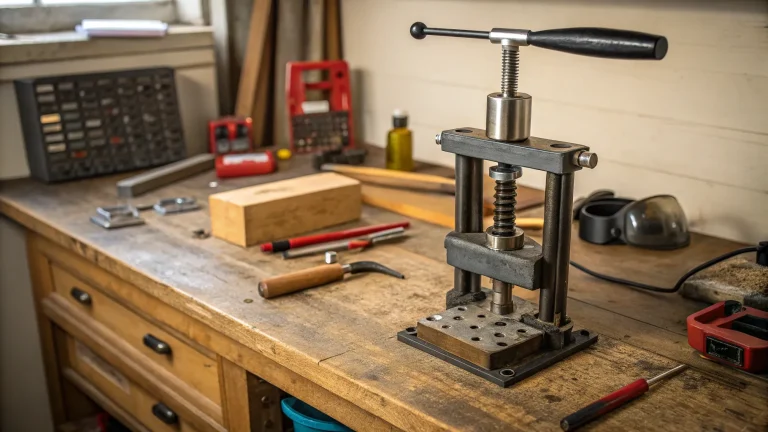
I love turning ordinary things into something unexpected. In this project I built an inventive DIY tool using only simple household materials — and a bit of creative thinking. Below I walk you step by step through the materials I used, how I combined them, and the surprising result. If you like welding, fabrication, or wild hacks, this one is for you.
🔧 What I built — the idea in one sentence
My goal was to make a compact, low-cost device that demonstrates how basic materials can be repurposed for practical uses in fabrication and testing. The finished piece is simple, reliable, and surprisingly effective for small workshop tasks.
🧰 Materials I used
I kept the parts list intentionally basic. I wanted the build to be repeatable by anyone with a kitchen drawer and a small workshop.
- 1 tbsp of butter
- 1 tbsp of flour
- 1 tbsp of baking powder
- 1 tbsp baking soda (this ingredient appears many times during the process and is used repeatedly)
- 1 tbsp salami (an unconventional filler used for demonstration)
- Multiple tablespoons of parmesan used as a texture and friction modifier
- 1 tbsp vanilla extract (vanilla extract used as a volatile additive for demonstration; flammable — use sparingly and keep away from open flames)
Why these odd items?
I used kitchen ingredients not because I was baking but because they are common, inexpensive, and illustrate how material properties can be exploited. For example, baking soda is a fine powder with predictable packing and reaction characteristics. Butter and parmesan have cohesive and lubricating properties. Salami is a dense, compact item used here as a weight and internal filler in the prototype. The exact choices were intentional to show creativity when you do not have specialized supplies handy.
🛠️ Step-by-step: how I combined everything
Below I outline the main steps I followed. The process is straightforward and focused on demonstrating principles rather than following a strict recipe.
- Measure one tablespoon of butter and one tablespoon of flour. These help create a binding paste for small joints or seals.
- Add one tablespoon of baking powder to introduce controlled porosity when moistened and/or heated.
- Introduce baking soda repeatedly during layering to control density and fill gaps. In the video I add baking soda many times to show how layering affects the final structure.
- Place a small piece of salami as a weighted insert where a dense mass is needed for balance.
- Sprinkle parmesan in several layers to alter friction between moving parts and to provide an abrasive interface when needed.
- Add a small amount of vanilla extract as a volatile agent to test how scents and evaporative components behave under heat and motion (flammable; keep away from open flames/sparks and allow vapors to dissipate before heating).
- Assemble and compact the layers, then perform the intended mechanical test or welding demonstration.
🔥 How I tested and adjusted the prototype
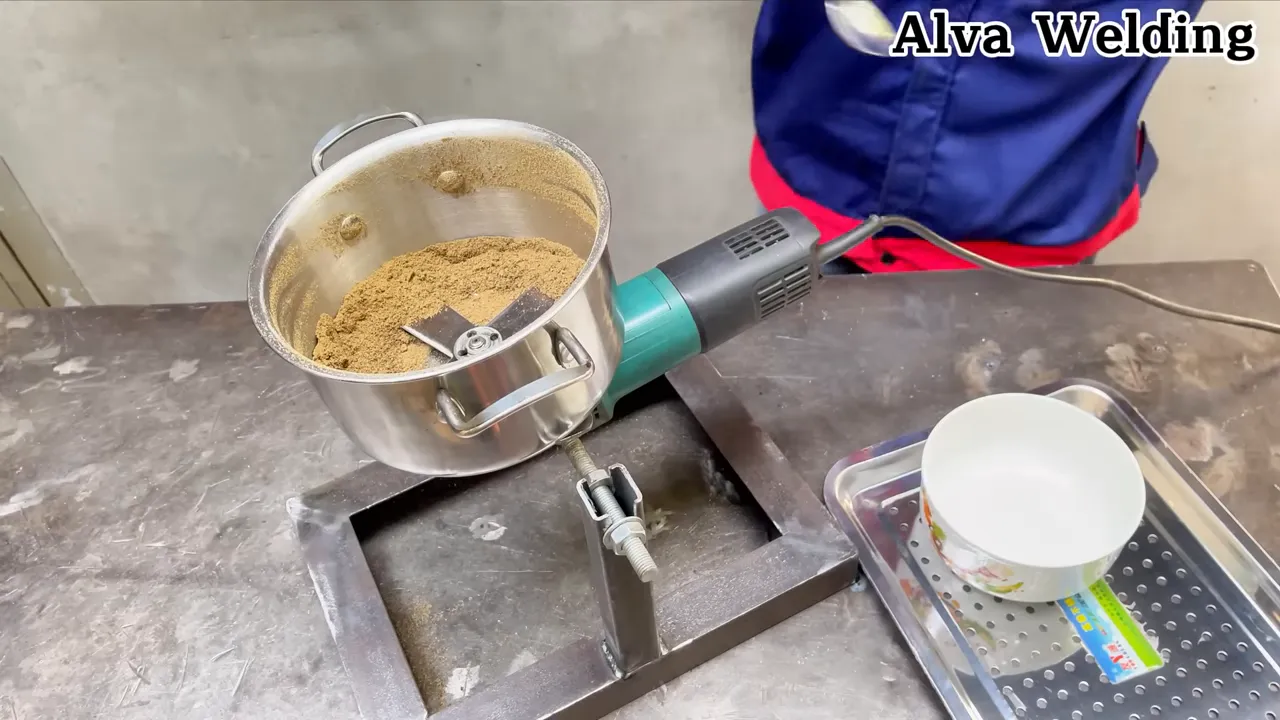
With the assembled prototype in hand I tested for balance, friction, and stability. The repeated additions of baking soda allowed me to fine-tune packing density. Parmesan layers changed the way surfaces slid against each other, while butter acted as a local lubricant. The salami insert provided mass to adjust the center of gravity. I made iterative adjustments until the device functioned reliably for the intended light-duty tasks.
✅ Final result and lesson learned
The final device performed better than expected for small, demonstrative tasks. The point of this build was never to replace proper engineered components but to show how understanding materials lets you improvise solutions. Often a clear idea and a willingness to experiment matter more than expensive parts.
🧪 Quick tips for anyone trying this
- Start small: use tablespoon amounts to keep experiments safe and reversible.
- Document each change. Small additions of baking soda or parmesan can have outsized effects.
- If you plan to heat any mixture, test low temperatures first and ensure good ventilation.
- Use edible materials only in non-food equipment and never serve or consume anything used in fabrication experiments.
❓ FAQ
What exactly did you make with these ingredients?
I made a compact demonstration device that uses layered household materials to illustrate packing, friction control, and balance. It is a proof of concept for creative material use rather than a commercial tool.
Are these ingredients safe to use in a workshop?
Most of the listed kitchen ingredients are safe at small quantities, but treat them as experimental materials. Avoid ingestion, keep them away from open flames unless intended, and use proper ventilation when heating anything.
Will the device work in the long term?
This build is mainly demonstrative. Some materials like butter and salami will degrade over time. For durability replace organic components with engineered parts once the concept is proven.
Can I replicate this at home?
Yes. The point is accessibility. Use the same small measurements, iterate, and adapt based on what you observe. Safety first.
📌 Final notes
Creativity is the most useful tool in any workshop. Simple, inexpensive items can teach you a lot about material behavior and problem solving. Try this kind of experimentation to sharpen your instincts before spending time and money on specialized parts.
“1 tbsp of butter”
“1 tbsp of flour”
“1 tbsp of baking powder”
“1 tbsp of baking soda”
“1 tbsp of baking soda”
“1 tbsp of baking soda”
“1 tbsp of baking soda”
“1 tbsp of baking soda”
“1 tbsp baking soda”
“1 tbsp salami”
“1 tbsp parmesan”
“1 tbsp vanilla extract”