Forney 31610 E6010 Welding Rod Review
By Garage Welding | Last updated: June 13, 2026
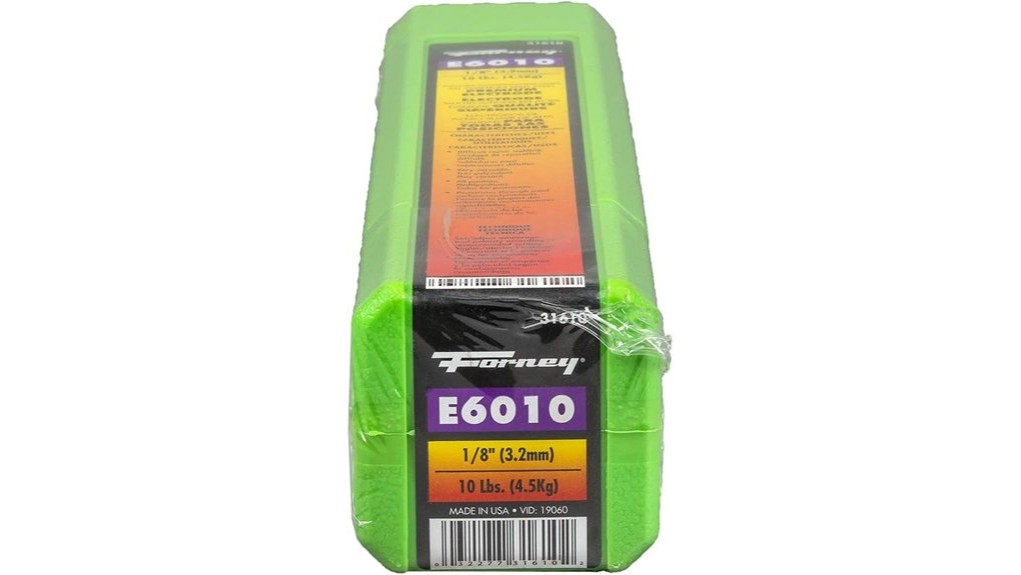
The Forney 31610 E6010 welding rod is a 1/8 inch stick electrode sold in a 10 pound package. It is designed for deep penetration and can be useful on steel surfaces that are not perfectly clean, including dirty, rusty, or galvanized material. This review covers what it is best for, who should use it, and what to check before buying.
Verdict
The Forney 31610 E6010 is a strong option for welders who need deep penetration for repair, maintenance, pipe work, and welding in positions such as vertical or overhead. It is not the easiest rod for every beginner, and E6010 rods often require a welder that can run them properly, so check your machine compatibility before buying.
Key Specs
| Specification | Detail |
|---|---|
| Brand | Forney |
| Model | 31610 |
| Electrode Type | E6010 welding rod |
| Diameter | 1/8 inch |
| Package Weight | 10 pounds |
| Main Use | Deep penetration welds, maintenance, repair, and pipe welding |
| Welding Positions | Flat, vertical, and overhead applications |
| Amazon ASIN | B00880S99I |
What Is This Product?
The Forney 31610 is an E6010 stick welding electrode. It is made for applications where a digging arc and deep penetration are useful. That makes it a practical choice for repair work, maintenance jobs, square edge butt welds, and some pipe welding tasks.
This rod is often chosen for steel that may have rust, dirt, paint, oil, or galvanizing on the surface. Clean metal is still best practice, but this type of electrode is known for working better than many rods in less-than-perfect field conditions.
Who It Is For
This welding rod is best for welders who need strong penetration and position flexibility. It suits repair shops, farm work, field maintenance, pipe welding practice, and general steel repair where surface prep may be limited.
It can also work for DIY welders who already understand stick welding basics and have a machine that can run E6010 rods well.
Who Should Skip It
Skip this rod if your welder does not support E6010 electrodes or does not have the open circuit voltage needed to keep the arc stable. Some small hobby welders may struggle with E6010 rods.
Beginners who want an easier rod for clean mild steel may prefer an E6013 or E7018 rod, depending on the job and machine setup.
Key Features
- 1/8 inch diameter for common stick welding applications
- 10 pound package for larger jobs or repeated repair work
- Deep penetration for square edge butt welds and maintenance work
- Useful on dirty, rusty, painted, oily, or galvanized steel surfaces
- Works in multiple welding positions, including vertical and overhead
Real-World Use
The Forney 31610 E6010 rod is most useful where penetration matters more than appearance. It can help on outdoor repairs, farm equipment, structural maintenance, and pipe-related work where access and surface condition are not ideal.
Because E6010 rods have a forceful arc, they are often used for root passes and welds that need to bite into the joint. Welders should still remove loose rust, heavy paint, oil, and contaminants whenever possible for safer and more consistent results.
For vertical and overhead welding, this rod gives welders flexibility, but technique matters. Keep the arc controlled, use the correct amperage range for your machine and rod size, and follow the rod manufacturer’s recommendations.
Performance and User Experience
The main strength of the Forney 31610 E6010 welding rod is penetration. It is designed for challenging conditions and can be useful when working on rusty, dirty, painted, galvanized, or oily steel surfaces.
The 1/8 inch size is a common choice for repair and maintenance welding. The 10 pound package also gives welders enough rods for extended work without needing a small refill pack.
One important watch-out is machine compatibility. E6010 rods can be harder to run on some machines, especially low-cost or limited-output welders. Check your welder manual before ordering.
Pros and Cons
Pros
- Deep penetration helps with repair, maintenance, and pipe welding tasks
- Can be used on dirty, rusty, painted, oily, or galvanized steel with less surface preparation than some rods
- Works in multiple positions, including vertical and overhead welding
Cons
- Not every stick welder runs E6010 rods well
- Beginners may find the digging arc harder to control than easier-running rods
- Best results still require proper joint prep, machine setup, and safe welding technique
Is It Worth the Price?
The Forney 31610 E6010 is worth considering if you need a deep-penetrating rod for repair work, field welding, or jobs where the steel is not perfectly clean. The 10 pound pack makes sense for welders who use E6010 often or want enough rods for several projects.
It may not be the best value if you only need a small quantity or if your welder cannot run E6010 rods smoothly. In that case, check your machine manual first and compare rod types before buying.
Alternatives to Consider
For context, similar welding rod options include Lincoln Electric Fleetweld 5P E6010, Hobart E6010 welding electrodes, and Forney E6011 welding rods. E6011 can be a useful alternative for some AC welding machines, while E7018 may be better for clean steel and smoother finished welds.
Frequently Asked Questions
What Is the Recommended Welding Machine for Forney 31610 E6010?
Use a stick welder that can run E6010 electrodes properly. E6010 rods often need suitable open circuit voltage and a stable arc. Check your welder manual before using this rod.
How Should I Store Forney 31610 E6010 Welding Rods?
Store the rods in a cool, dry place. Keep them away from moisture and seal the package when not in use. Poor storage can affect arc performance and weld quality.
Can I Use This Rod for Outdoor Welding?
Yes, this type of rod is suitable for many outdoor welding jobs. It is useful for maintenance and repair work, especially where deep penetration is needed. Always protect the weld area from unsafe wind, moisture, and contamination when possible.
What Is the Shelf Life of Forney 31610 E6010 Welding Rods?
The article source does not confirm an exact shelf life. For best results, store the rods dry and follow the manufacturer’s storage guidance on the package or product manual.
Are There Any Safety Precautions for Using This Welding Rod?
Yes. Wear proper welding PPE, including a welding helmet, gloves, fire-resistant clothing, and eye protection. Work in a ventilated area, especially when welding galvanized, painted, oily, or contaminated metal. Be aware of electrical hazards and keep flammable materials away from the welding area.
Final Verdict
The Forney 31610 E6010 welding rod is a practical choice for welders who need deep penetration, position flexibility, and performance on less-than-perfect steel surfaces. It is best for repair, maintenance, and pipe-related work rather than simple beginner practice on clean material.
Before buying, confirm that your welder can run E6010 rods well. If it can, this 1/8 inch, 10 pound package is a useful addition to a repair or field welding setup.