Disclosure: As an Amazon Associate, we earn from qualifying purchases. If you click a link on this page and make a purchase, we may receive a small commission at no extra cost to you.
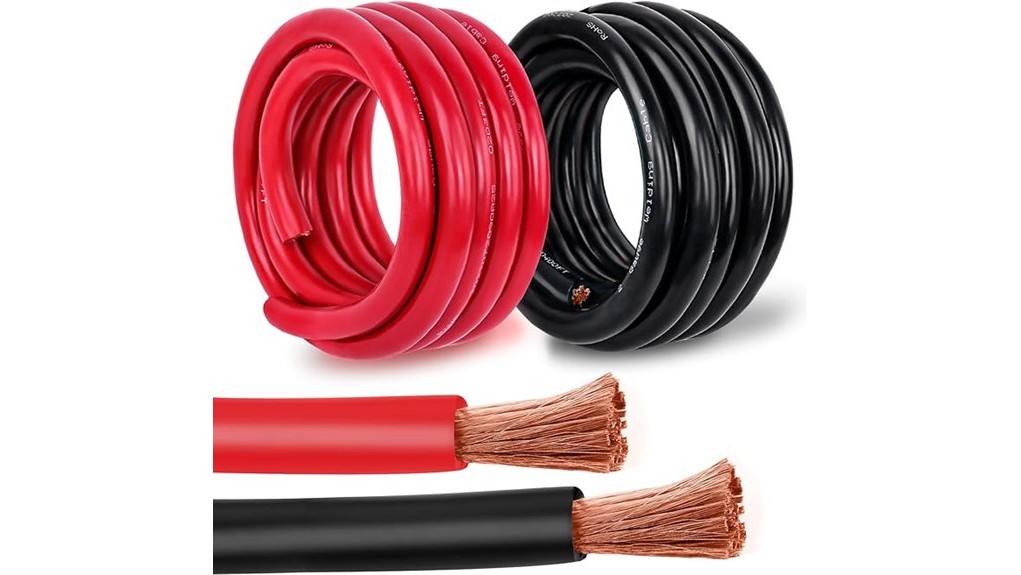
Battery cables need to carry high current without excess voltage drop, heat buildup, or frustrating stiffness during installation. The 2 Gauge Battery Cable Copper Wire is aimed at buyers who need a heavy-duty cable for automotive, solar, marine, generator, amplifier, or welding-related power connections. It stands out because the listed conductor material is 99% pure copper, paired with a durable PVC jacket and a high-strand design for better flexibility. This review helps you decide where it makes sense, where you should double-check compatibility, and when a different cable type may be safer.
Quick Verdict
Rating: 8/10, Recommended with caveats
Best For: DIY automotive wiring, battery banks, solar setups, marine power connections, generators, amplifiers, and other high-current projects that need flexible 2 gauge copper cable.
Bottom Line: This cable is a strong choice if you want thick copper wiring with a protective PVC jacket and flexible strand construction. The main caveat is that you still need to confirm length, terminal size, fuse protection, and application requirements before installation.
| Specification | Detail |
|---|---|
| Product type | 2 gauge battery cable copper wire |
| Gauge size | 2 gauge |
| Conductor material | Listed as 99% pure copper |
| Strand design | High-strand construction with 0.256 mm twisted strands |
| Jacket material | Durable PVC jacket |
| Working temperature range | -40°C to 105°C |
| Operating voltage | Up to 600V |
| Best use | Automotive, solar, marine, generator, amplifier, and welding-related power connections |
| Brand | Not specified in the provided product details |
| Safety note | Confirm amperage needs, terminal fit, fuse protection, routing, and local installation requirements before use. |
Key Takeaways
- The 2 Gauge Battery Cable Copper Wire is listed with a 99% pure copper conductor for strong conductivity and reduced energy loss.
- The PVC jacket helps protect the cable against abrasion, oxidation, corrosion, and general wear during normal use.
- The -40°C to 105°C working temperature range makes it suitable for demanding automotive, solar, marine, and generator setups.
- The high-strand construction improves flexibility, which helps when routing cable through tight or curved spaces.
- You still need proper connectors, crimps, fuses, and routing to get safe, reliable performance from any high-current cable.
What Is the 2 Gauge Battery Cable Copper Wire?
The 2 Gauge Battery Cable Copper Wire is a heavy-duty electrical cable designed for high-current power transfer. The main appeal is its listed 99% pure copper composition, which helps support efficient conductivity compared with lower-quality conductors in demanding installations.
It also uses a PVC jacket for protection against abrasion and environmental exposure. That matters when you route cable through engine bays, battery boxes, solar setups, boat compartments, or workshop power projects where the cable may contact edges, vibration, or changing temperatures.
The high-strand design makes the cable easier to bend than a stiff, low-strand conductor. That flexibility can save time during installation, especially when you need to route cable around corners, under panels, or between power components with limited working room.
Before You Buy: Do not choose battery cable by gauge alone. Confirm the cable length, current draw, terminal size, fuse rating, insulation needs, and installation environment before you connect it to a vehicle, battery bank, inverter, solar system, marine setup, or amplifier.
Who Should Buy It?
Best For
- DIY installers who need 2 gauge copper cable for high-current battery or power connections.
- Automotive, solar, generator, marine, amplifier, or workshop users who want flexible cable routing.
- Buyers who value a PVC jacket, high-strand design, and listed -40°C to 105°C working range.
Skip If
- You need a pre-made cable with terminals already crimped and heat-shrunk.
- Your application requires a different wire gauge, a special insulation rating, or tinned marine-grade cable.
- You are unsure how to size, fuse, crimp, or route high-current wiring safely.
Key Features of 2 Gauge Battery Cable
This cable combines a thick 2 gauge size with copper construction, a PVC jacket, and high-strand flexibility. Those details matter because battery and inverter wiring often carries more current than small accessory wire can handle.
The listed operating voltage rating of up to 600V gives the cable a broad use range, but voltage rating alone does not confirm that it fits every setup. You still need to match the cable gauge to amperage, length, voltage drop, temperature, and installation conditions.
Conductivity and Voltage Drop
Copper is widely used for battery and power wiring because it conducts electricity well. In this cable, the listed 99% pure copper conductor supports efficient current transfer and helps reduce wasted energy when compared with poor-quality conductors.
For long cable runs, voltage drop becomes more noticeable. A thicker cable like 2 gauge can help, but the right size still depends on total current draw and distance. Check your equipment manual or ask a qualified installer when you are wiring inverters, winches, battery banks, or marine systems.
Materials and Build Quality
The PVC jacket helps protect the conductor from abrasion, corrosion, oxidation, and daily wear. That makes the cable more practical for installations where it may rub against panels, brackets, battery boxes, or vehicle surfaces.
The jacket also supports durability across the listed -40°C to 105°C working temperature range. This is useful for engine compartments, garages, boats, outdoor solar projects, and other areas where temperatures can change quickly.
Flexibility and Routing
The cable uses high strands of 0.256 mm twisted copper wire. This strand design improves bendability, which helps when you need to route the cable through tight spaces or around curved paths.
Flexible cable is easier to position cleanly and may place less strain on connectors when installed correctly. Still, you should avoid sharp bends, pinch points, and unsupported runs that can damage the jacket over time.
Benefits of Using Copper Wire
Copper wire offers strong conductivity, dependable heat transfer, and good performance in demanding electrical applications. For high-current projects, those advantages can help reduce energy loss and support stable power delivery.
- High conductivity: Supports efficient energy transfer in battery and power wiring.
- Better flexibility: The high-strand design makes routing easier than stiff low-strand cable.
- Protective jacket: PVC insulation helps resist abrasion and environmental wear.
- Broad application range: Useful for vehicles, solar setups, marine wiring, generators, amplifiers, and welding-related power needs.
- Heat management: Properly sized copper cable can help handle electrical load more reliably.
Pro Tip: Buy the cable only after you know the full run length. Longer runs create more voltage drop, so a cable that works for a short battery connection may not be right for a longer inverter, solar, or marine installation.
Applications and Practical Uses
The 2 Gauge Battery Cable Copper Wire works best in setups that need strong current flow and reliable routing. It can support automotive battery connections, solar installations, generator setups, welding-related power connections, marine wiring, and amplifier wiring when the gauge matches the project.
For automotive use, it can help deliver stable power between batteries, starters, alternators, distribution blocks, or accessories. For solar and generator use, it can help connect components in systems where current demand and cable length need careful planning.
Marine users may also consider it for power connections where corrosion resistance and routing flexibility matter. However, if the cable will face constant moisture, salt exposure, or strict marine-code requirements, check whether your project needs tinned marine wire or another specialized cable type.
Installation and Setup Tips
Good cable performance depends on more than the conductor. You need the correct lugs, a strong crimp, proper insulation, a clean ground path, and fuse protection that matches the equipment.
- Measure the full cable path before cutting, including bends and service loops.
- Use high-quality connectors sized for 2 gauge cable and your terminal posts.
- Crimp terminals with the correct tool instead of crushing them with pliers.
- Add heat shrink or protective boots where terminals may face moisture, vibration, or accidental contact.
- Route the cable away from sharp metal, hot exhaust parts, moving belts, and pinch points.
- Support longer runs with clamps or loom so vibration does not damage the jacket.
- Use a proper fuse or breaker near the power source when the application requires it.
Compatibility and Safety
This cable is suitable for many high-power uses, but it is not automatically correct for every electrical system. A safe installation depends on current draw, cable length, voltage, fuse size, environment, temperature, connector quality, and local rules.
For vehicle and marine projects, follow the equipment manual and use parts that match the application. For solar, inverter, generator, or welding-related setups, confirm the wire size with the equipment manufacturer or a qualified professional when the load is high.
Do not rely on unsupported certification claims. If you need UL, SAE, ABYC, ISO, or another safety standard for a specific project, confirm it on the product listing, packaging, or manufacturer documentation before buying.
How It Performs in Real Use
For Automotive Battery Connections
In automotive wiring, 2 gauge copper cable can help carry high current between key electrical components when the run length and load match the cable size. The flexible strand construction also helps when you route cable around battery trays, firewalls, and engine-bay obstacles.
For Solar and Battery Bank Setups
Solar and battery bank wiring often needs careful voltage-drop planning. This cable’s copper construction and thick gauge can be useful for short to moderate high-current runs, but you should still size the wire based on amperage, voltage, distance, and inverter or charge-controller guidance.
For Marine and Outdoor Power Projects
The PVC jacket helps protect against abrasion and general environmental wear. For boats or damp compartments, the cable may be useful in the right setup, but you should confirm whether your installation needs tinned marine-grade cable or additional moisture protection.
For Amplifier, Generator, and Workshop Use
High-power amplifiers, generator connections, and welding-related power setups can benefit from a thick, flexible cable when the electrical load is appropriate. The key is using correct connectors, solid crimps, and safe routing so the cable performs as intended.
Pros and Cons
Pros
- Listed 99% pure copper conductor supports efficient current transfer.
- 2 gauge size works for many high-current battery and power applications.
- PVC jacket helps protect against abrasion, corrosion, oxidation, and wear.
- High-strand 0.256 mm twisted construction improves flexibility during routing.
- Listed -40°C to 105°C working range suits demanding environments.
Cons
- Brand, model, length, and included accessories are not specified in the provided details.
- It may require separate lugs, crimp tools, heat shrink, fuse protection, or cable loom.
- Not the right choice if your setup needs a different gauge, tinned marine cable, or verified safety certification.
Is It Worth the Price?
The 2 Gauge Battery Cable Copper Wire is worth considering if you need thick copper cable for high-current power connections and want flexibility during installation. It offers strong value for the price when your main priorities are copper construction, a protective PVC jacket, and broad use across vehicles, solar setups, marine projects, generators, amplifiers, or workshop wiring.
The best value comes from using it in a project where 2 gauge cable is the correct size. If you still need terminals, crimping tools, heat shrink, loom, fuses, or professional installation, include those costs in your buying decision.
It is not the best fit if you need a fully assembled cable, a verified brand-specific kit, or documented certifications for a regulated installation. In those cases, a pre-made cable assembly or application-specific wire may be a safer purchase.
How It Compares to Alternatives
Compared with thinner battery cable, 2 gauge copper wire can handle higher current with less voltage drop when installed correctly. Compared with copper-clad aluminum wire, pure copper is usually the better choice when conductivity and reliability matter most.
Compared with welding cable, this product may be useful for many high-current power setups, but welding cable can be more flexible depending on strand count and jacket type. The 2 Gauge Battery Cable Copper Wire makes the most sense if you want a copper battery-style cable with a protective PVC jacket and broad project compatibility.
Frequently Asked Questions
Can this 2 gauge battery cable be used for automotive wiring?
Yes, it can be used for automotive power connections when 2 gauge cable matches the vehicle’s current draw, run length, and terminal setup. Always confirm the correct gauge, fuse protection, and routing before connecting it to a battery or high-current accessory.
Is this cable flexible enough for tight spaces?
The high-strand construction helps make the cable more flexible than stiff low-strand wire. You should still avoid sharp bends, tight pinch points, and unsupported routing that can damage the PVC jacket.
Can it be used for marine applications?
It may work for some marine power connections because the PVC jacket helps protect the cable and the copper conductor supports strong current flow. For saltwater, wet compartments, or code-sensitive installations, confirm whether you need tinned marine-grade wire or additional protection.
How does 2 gauge compare with smaller wire gauges?
A lower gauge number means a thicker cable, so 2 gauge is larger than 4 gauge, 6 gauge, or 8 gauge wire. Thicker wire can help reduce voltage drop and support higher current, but the correct size depends on amperage, voltage, distance, and equipment requirements.
Does it come with terminals or connectors?
The provided product details focus on the cable material, jacket, gauge, strand design, temperature range, and voltage rating. They do not confirm included terminals or accessories, so check the listing details before buying.
Are there verified safety certifications for this cable?
The provided details do not verify specific certifications. If your project requires UL, SAE, ABYC, ISO, or another standard, confirm that requirement on the product listing, packaging, or manufacturer documentation before installation.
Who should skip this 2 gauge battery cable?
Skip it if you need a pre-terminated cable, a brand-specific wiring kit, a different wire gauge, or documented certification for a regulated setup. Also skip DIY installation if you are not comfortable sizing, fusing, crimping, and routing high-current cable safely.
The Bottom Line
The 2 Gauge Battery Cable Copper Wire is a practical choice if you need flexible, copper-based cable for high-current automotive, solar, generator, marine, amplifier, or workshop power connections. Its main strengths are the listed 99% pure copper conductor, PVC jacket, high-strand construction, and broad temperature range.
Skip it if you need a fully assembled cable, verified certifications, or a specialized marine or equipment-specific wire. For the right project, it earns a recommended-with-caveats verdict because the cable looks useful, but safe performance depends on correct sizing, connectors, fusing, and installation.