Disclosure: As an Amazon Associate, we earn from qualifying purchases. If you click a link on this page and make a purchase, we may receive a small commission at no extra cost to you.
Choosing the right heavy-gauge cable matters when you are wiring a battery system, inverter, winch, solar setup, or high-demand automotive project. This 4/0 gauge cable is built for applications where low resistance, flexibility, and durable insulation matter more than saving space. Its strongest points are the fully annealed copper conductor, high strand count, and EPDM jacket. The main tradeoff is that 4/0 cable is thick, heavy, and only makes sense when your setup truly calls for this size.
Quick Verdict
Rating: 8/10, Recommended with caveats
Best For: Buyers who need a flexible, high-capacity copper cable for automotive, battery, inverter, or renewable energy wiring where 4/0 AWG is specified.
Bottom Line: This cable is a strong choice when you need heavy copper construction, a tough EPDM jacket, and a 600-volt rating. Skip it if your project needs a smaller wire size, a pre-terminated cable, or a cable with fully verified listing details before purchase.
| Specification | Detail |
|---|---|
| Product type | 4/0 AWG electrical cable |
| Conductor | Fully annealed pure copper |
| Stranding | High strand count for flexibility |
| Insulation | Durable, solvent-resistant EPDM jacket |
| Voltage rating | Rated up to 600 volts |
| Temperature range | -50°C to +105°C, based on the article-supported specification |
| Standards noted | ASTM standards, SAE J1127, IEC, and RoHS are listed in the source article |
| Common use cases | Automotive wiring, battery banks, inverters, winches, and renewable energy systems where 4/0 AWG is required |
| Safety note | Confirm ampacity, fuse size, terminal type, and local code requirements before installation |
Key Takeaways
- The 4/0 gauge cable uses fully annealed pure copper, which helps reduce resistance in high-current applications.
- The EPDM jacket gives the cable better protection against tough shop, vehicle, and outdoor conditions.
- The high strand count improves flexibility, which matters because 4/0 cable is naturally thick and difficult to route.
- The cable is rated up to 600 volts and is described as meeting ASTM, SAE J1127, IEC, and RoHS standards.
- It can suit automotive and renewable energy projects, but only when your equipment calls for 4/0 AWG cable.
What Is the 4/0 Gauge Cable?
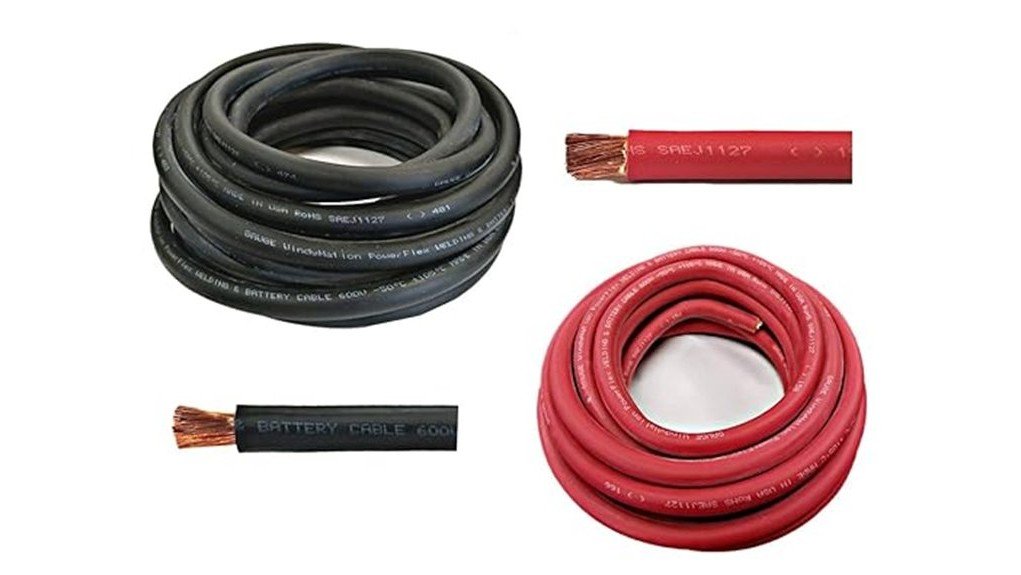
The 4/0 gauge cable, also written as 0000 AWG cable, is a heavy-duty electrical cable made for high-current wiring. This type of cable is much larger than standard household or light automotive wire, so it is used when a system needs strong current flow with less voltage drop over a run.
This cable is described as using fully annealed pure copper with a high strand count. That combination helps the cable carry current efficiently while staying flexible enough for routing through battery compartments, vehicle builds, inverter setups, and energy storage systems. The EPDM insulation adds protection against wear, solvents, temperature swings, and harsh working environments.
It is not a universal upgrade for every project. A larger wire size does not fix poor connections, undersized fuses, bad terminals, or an incorrectly designed system. You should match the cable to your equipment manual, amperage draw, cable length, fuse rating, and local electrical rules.
Who Should Buy It?
Best For
- Battery, inverter, winch, or solar setups that specifically call for 4/0 AWG copper cable.
- Automotive and off-grid projects where flexibility is helpful during routing.
- Buyers who want copper construction with a tough EPDM jacket for demanding conditions.
Skip If
- Your project manual calls for a smaller cable size or a different insulation type.
- You need a ready-made cable with lugs already crimped on both ends.
- You cannot verify length, color, quantity, or seller-specific package details before ordering.
Before You Buy: Do not choose 4/0 cable by guesswork. Confirm your required wire gauge, run length, amperage, fuse size, lug size, and installation environment before purchase.
Key Features of 4/0 Gauge Cable
The main reason to choose this cable is its fully annealed pure copper conductor. Copper has strong conductivity, and annealing helps improve flexibility compared with harder drawn copper. For high-current systems, that can help reduce energy loss when the cable is sized and installed correctly.
The high strand count also matters. Large-gauge solid or low-strand cable can be stiff and hard to bend. A more flexible stranded design is easier to route around battery trays, frame rails, equipment bays, and tight electrical compartments.
The EPDM insulation gives the cable a tough outer layer. The article-supported specs describe it as solvent-resistant and suitable for a temperature range of -50°C to +105°C. That makes it better suited for demanding environments than light-duty wire, but it still needs protection from sharp edges, crushing, heat sources, and abrasion.
Materials and Build Quality
For high-current cable, the conductor material is one of the biggest buying factors. This cable uses pure copper rather than copper-clad aluminum. That is important because copper can carry current more efficiently than aluminum of the same size, which helps in battery and inverter systems where voltage drop can hurt performance.
The EPDM jacket is another useful feature. It helps protect the copper conductor from moisture exposure, solvents, and temperature stress. That does not mean you can install it carelessly. Any cable can fail early if it rubs on metal, sits against hot exhaust parts, or is crimped with the wrong tool.
Pro Tip: Before cutting the cable, mock up the route with rope or scrap wire. Add extra length for bends, terminal strain relief, and service loops so the finished cable is not pulled tight.
Fit and Compatibility
This cable makes sense only when your system is designed for 4/0 AWG. Common uses include large battery banks, inverters, winches, high-current automotive accessories, and renewable energy wiring. It may also suit welding-style power connections when the equipment and terminal hardware call for this size.
Because 4/0 cable is thick, you need compatible lugs, heat shrink, grommets, clamps, boots, and crimping tools. Standard light-duty wire terminals will not fit. You should also check the stud size on your battery, bus bar, inverter, fuse block, or disconnect before buying lugs.
The article states that 4/0 gauge cable can typically reach up to about 230 amps, depending on insulation and installation conditions. Treat that as a conditional rating, not a blanket rule. Actual safe ampacity depends on insulation temperature rating, conductor material, bundling, airflow, cable length, and the electrical code or manufacturer requirements for your project.
Installation and Setup
Installing 4/0 cable requires more planning than installing small wire. The cable is flexible for its size, but it still has a large bend radius. Avoid tight bends near terminals because stress at the lug can loosen the connection over time.
Use a proper cable cutter so the conductor ends stay clean. Strip only the amount needed for the lug barrel, then use a crimper rated for 4/0 cable. A poor crimp creates heat, resistance, and voltage drop. After crimping, cover the connection with adhesive-lined heat shrink when the installation environment calls for moisture and abrasion protection.
Secure the cable along the route with clamps or mounts. Keep it away from exhaust parts, steering components, suspension movement, sharp sheet metal, and pinch points. When passing through metal, use a grommet or bulkhead fitting to protect the insulation.
How It Performs in Real Use
For Automotive Battery and Winch Wiring
In automotive use, the cable’s copper conductor and high strand count are useful for battery relocations, winches, and high-current accessories. The flexibility helps when routing around the engine bay or frame. The cable still needs correct fusing and secure mounting because vehicle vibration can loosen weak connections.
For Inverters and Battery Banks
For inverter and battery bank wiring, 4/0 cable helps reduce voltage drop when the system requires a large conductor. This is especially useful when short, heavy cables connect batteries, bus bars, inverters, and disconnects. You should keep runs as short as practical and follow the inverter manufacturer’s cable-size chart.
For Renewable Energy Systems
In renewable energy systems, such as solar battery storage, the cable can help handle demanding DC current paths. The EPDM jacket and temperature range are useful in equipment areas that see heat, cold, or rough handling. Outdoor or exposed runs may still need conduit, strain relief, and weather-rated components.
For Long-Term Use
Over time, the cable’s performance depends on the quality of the installation. Clean terminals, tight connections, proper crimping, and protected routing matter as much as the cable itself. Regular inspection helps catch corrosion, cracked insulation, loose lugs, and heat discoloration before they become bigger problems.
Usage Tips for Better Results
- Measure the full route first: Include bends, strain relief, and service access before cutting.
- Use the right lugs: Match the lug barrel to 4/0 AWG cable and the ring size to your equipment stud.
- Crimp with the correct tool: Hammer crimps and undersized crimpers can create weak connections.
- Protect pass-through points: Use grommets or bushings anywhere the cable passes through metal.
- Fuse the system correctly: Use a fuse or breaker sized for the cable, equipment, and installation requirements.
- Inspect after first use: Check for warm terminals, loose hardware, and insulation rub marks after the system has been under load.
Compliance and Safety Standards
The article-supported specifications list compliance with ASTM standards and SAE J1127, along with IEC and RoHS references. These standards and certifications can help support buyer confidence, but you should still confirm the exact product label and seller listing before ordering because cable listings can vary by length, color, and package option.
The cable is described as rated up to 600 volts and suitable for a temperature range of -50°C to +105°C. Those ratings are useful for automotive and energy projects, but they do not replace proper design. High-current wiring should be planned around equipment manuals, code requirements, correct overcurrent protection, and professional guidance when needed.
Safety is especially important in DC battery systems because high current can cause arcing, heat, and fire risk when parts are undersized or poorly installed. If you are unsure about cable sizing, fusing, grounding, or termination quality, have the system checked by a qualified installer or electrician.
Pros and Cons
Pros
- Fully annealed pure copper helps support efficient current transfer.
- High strand count improves flexibility for a cable this large.
- EPDM insulation adds protection against demanding shop, vehicle, and outdoor conditions.
- 600-volt rating suits many automotive, inverter, and renewable energy applications.
- Article-supported temperature range of -50°C to +105°C gives it broad environmental usefulness.
Cons
- Too large and costly for projects that do not require 4/0 AWG cable.
- May require special cutters, crimpers, lugs, heat shrink, and routing space.
- Listing details such as length, color, and included accessories should be verified before purchase.
Is It Worth the Price?
This cable is worth considering if your project needs a true heavy-gauge copper conductor with flexible stranding and durable insulation. It is not a budget pick in the same way that smaller wire might be, but it can be a strong value for the price when the system requires 4/0 AWG cable.
You get the most value from it in high-current setups where voltage drop, heat, and durability matter. Battery banks, inverters, winches, and renewable energy systems can benefit from the larger conductor size when it matches the system design.
It is not the best fit if you only need light accessory wiring, a short low-current lead, or a pre-terminated cable. In those cases, buying 4/0 cable may add unnecessary cost, bulk, and installation work.
How It Compares to Alternatives
Compared with smaller copper cables, 4/0 gauge cable can support higher-current applications and lower voltage drop when properly sized. The tradeoff is that it is heavier, harder to route, and more expensive than smaller gauges such as 1/0, 2/0, or 3/0.
Compared with copper-clad aluminum cable, this fully annealed copper design is better for buyers who care about conductivity and durability. Copper-clad aluminum may cost less, but you should compare ampacity, voltage drop, terminal compatibility, and code requirements before choosing it for a high-current system.
Frequently Asked Questions
What is 4/0 gauge cable used for?
4/0 gauge cable is used for high-current wiring, including battery banks, inverters, winches, automotive power systems, and renewable energy setups. It should be used only when your equipment or wiring plan calls for this large conductor size.
What is the maximum amperage capacity for 4/0 gauge cable?
The article-supported figure is up to about 230 amps, depending on insulation and installation conditions. Treat that number as conditional because safe ampacity changes with temperature rating, cable length, bundling, airflow, and code requirements.
Can 4/0 gauge cable be used outdoors?
The EPDM jacket is described as tough and solvent-resistant, which can help in outdoor or demanding environments. For exposed installations, confirm the listing details and use proper conduit, strain relief, weather-rated hardware, and abrasion protection.
What tools are needed to install 4/0 gauge cable?
You usually need a heavy cable cutter, a wire stripper or sharp stripping tool, 4/0-rated lugs, a proper crimper, heat shrink, and mounting clamps. The crimper and lugs must match the cable size to avoid weak or hot connections.
Is 4/0 cable better than 2/0 or 1/0 cable?
It is better only when your system needs the larger conductor size. 4/0 cable can reduce voltage drop in high-current setups, but it also costs more, takes more space, and requires larger terminals.
Does this cable come with lugs or connectors?
The source article does not verify included accessories. Before buying, check the Amazon listing for length, color, package quantity, and whether lugs or heat shrink are included.
Can you use this cable for solar battery wiring?
Yes, it can suit solar battery or inverter wiring when the system design calls for 4/0 AWG copper cable. Always follow your charge controller, inverter, battery, and fuse manufacturer requirements.
Who should skip this 4/0 gauge cable?
Skip it if your project uses low-current accessories, small terminals, tight routing spaces, or a manual that specifies a smaller cable. It is also not ideal if you need a finished cable with connectors already installed.
The Bottom Line
The 4/0 gauge cable is a strong fit for high-current automotive, inverter, battery, and renewable energy projects that require flexible copper cable with durable EPDM insulation. Its main strengths are copper conductivity, flexibility, 600-volt rating, and tough insulation, while its main limits are size, installation complexity, and the need to verify listing details before purchase.
Buy it if your system specifically calls for 4/0 AWG cable and you are prepared to use the right terminals, crimping tools, fusing, and routing protection. Skip it if a smaller cable size, pre-terminated lead, or fully verified accessory kit would better match your project.