Disclosure: As an Amazon Associate, we earn from qualifying purchases. If you click a link on this page and make a purchase, we may receive a small commission at no extra cost to you.
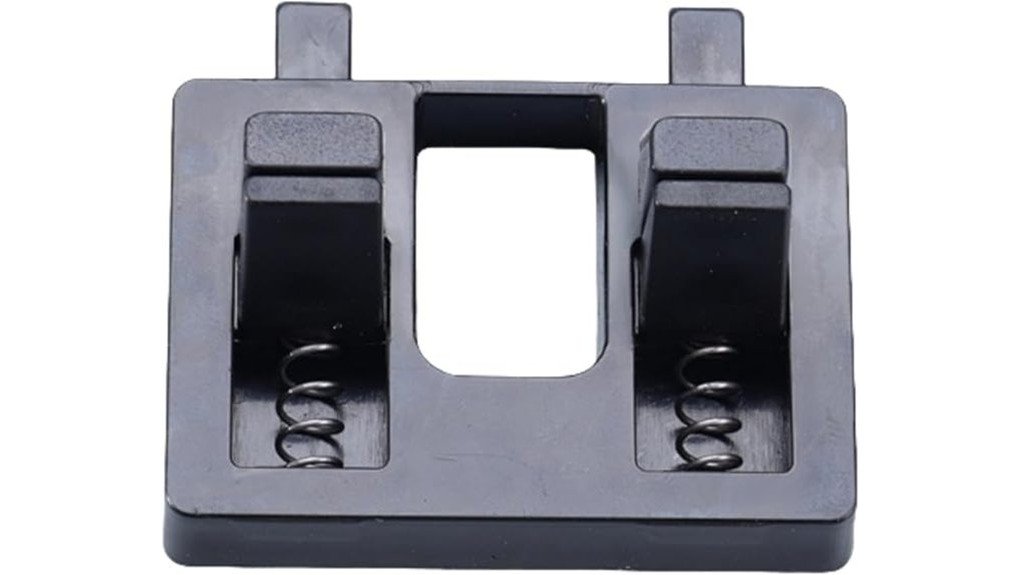
Holding small wires steady can be frustrating when both hands are already busy with a soldering iron, solder, or repair tool. The Generic Electric Wire Welding Fixture is a compact hands-free holder designed to keep wires and small components in place during light soldering and electronic repair work. It uses a black plastic base and two spring-loaded clips to help you line up wire ends with less slipping. This review helps you decide if it is useful for your bench, or if you need a heavier vise or more adjustable third-hand tool.
Quick Verdict
Rating: 8.0/10, Recommended with caveats
Best For: DIY electronics users, small wire repairs, and light bench soldering tasks.
Bottom Line: This fixture makes sense if you need a simple holder for wires from 1.0 to 7.30 mm and want both hands free while soldering. It is not the best choice for heavy parts, high-heat work directly against the base, or jobs that need a metal bench vise.
| Specification | Detail |
|---|---|
| Brand | Generic |
| Product type | Electric wire welding and soldering fixture |
| ASIN | B0FBL86QMQ |
| Design | Compact base with two spring-loaded clips |
| Base material | Black plastic |
| Wire diameter range | 1.0 to 7.30 mm |
| Best use | Holding wires or small components during soldering, light repair, and DIY electronics work |
| Safety note | Keep direct heat away from the plastic base and follow safe soldering practices. |
What Is the Generic Electric Wire Welding Fixture?
The Generic Electric Wire Welding Fixture is a small bench aid that holds wires or parts while you solder, join, or repair them. Instead of trying to pinch two wire ends together by hand, you place them in the spring-loaded clips so your hands can focus on heat control and solder placement.
The fixture is simple by design. It uses a black plastic base for support and two clips to secure wires with a listed diameter range of 1.0 to 7.30 mm. That range covers many common small wire repair tasks, though it does not make the tool suitable for every cable, connector, or heavy-duty job.
Before You Buy: This is a light-duty holding fixture for soldering and wire positioning. Do not treat the black plastic base like a metal welding jig, heat shield, or heavy bench vise.
Who Should Buy It?
Best For
- DIY users who solder small wires and want a steadier hold.
- Electronics repair work where clips can keep wire ends aligned.
- Small workbenches or portable tool kits that need a compact holder.
Skip If
- You need to clamp large cables, heavy connectors, or metal parts under high force.
- You want a fully adjustable magnifying third-hand station with articulated arms.
- Your work involves direct flame, very high heat, or welding near the plastic base.
Design and Stability
The fixture focuses on basic stability rather than complex adjustment. Its black plastic structure gives the clips a fixed platform, which can help reduce rolling, shifting, and hand fatigue during small soldering jobs.
The original article describes the base as resistant to tipping, which matters when you are aligning wire ends before applying heat. A steadier base can make the solder joint easier to control, especially when you do not have a second person helping or a larger bench clamp nearby.
The tradeoff is weight and strength. A compact plastic fixture is easier to store and move, but it will not feel as planted as a heavier metal third-hand tool or a dedicated bench vise.
Clips and Wire Holding
The main working feature is the pair of spring-loaded clips. They are meant to hold wires or small components in position so you can work with both hands free.
The listed compatibility range of 1.0 to 7.30 mm gives the tool useful flexibility for small wire work. It should be most helpful when the wires fit securely without forcing the clips open too far or leaving the material loose inside the jaws.
Because the clips hold from fixed positions, they may require trial and error when you need a precise angle. For more complex positioning, a tool with flexible arms, a PCB holder, or a small vise may be easier to adjust.
Functionality and Usability
In daily use, this fixture is about control and convenience. It helps you keep wires lined up while you tin ends, join two conductors, or hold a small component steady during a quick repair.
Setup should be straightforward: place the fixture on a stable surface, open the clips, insert the wires, and check alignment before applying heat. That simple process makes it approachable for beginners while still useful for experienced hobbyists who want a fast holder for repeat jobs.
The fixture works best when you keep expectations realistic. It helps with holding and positioning, but it does not replace correct soldering technique, heat control, flux selection, insulation safety, or proper strain relief.
Compatibility and Common Uses
This fixture is best suited for light electronics, small wire repairs, hobby projects, and bench soldering. The 1.0 to 7.30 mm wire diameter range gives you room for many small conductors, leads, and repair pieces.
You can use it when joining wire ends, repairing small electronics, preparing leads, or holding parts before a final solder joint. It is also helpful when you need to keep a wire elevated from the table while you apply heat.
It is less suitable for oversized battery cables, thick insulated connectors, heavy metal parts, or work that requires strong clamping pressure. In those cases, use a heavier clamp, vise, or purpose-built fixture.
Material Safety and Heat Notes
The black plastic base is useful for portability and easy handling, but plastic has limits around heat. Keep the soldering iron tip, flame, and hot workpiece away from the base whenever possible.
Use the fixture on a stable, heat-resistant work surface. Good ventilation, eye protection, and safe iron placement matter, especially when you work with solder, flux, wire insulation, or heated metal.
If the wire insulation softens, smokes, or melts near the clip area, pause and adjust your setup. The fixture should hold your work, not absorb direct heat or act as a protective shield.
Pro Tip: Clip the wires first, then test the alignment before heating. A dry fit helps you avoid twisting the wires while the solder is molten.
How It Performs in Real Use
For Small Wire Repairs
For small wire repairs, the fixture helps keep two ends close together while you tin, overlap, or join them. This can make the repair cleaner than trying to hold the wires with your fingers or tape.
For Electronics Projects
For hobby electronics, the clips can hold leads, wires, or small parts during quick soldering steps. It is most useful when the part is light enough for the clips and does not need fine angle adjustment.
For Portable Workbenches
The compact build makes it easy to keep near a soldering station or carry with a small repair kit. That helps if you work in a garage, classroom, maker space, or temporary bench area.
For Repeated Light Jobs
For repeat wire prep, the fixture can save time by giving you a consistent place to hold material. It is less ideal for long sessions with heavy pieces, since the fixed clip layout may limit positioning.
Setup Tips Before First Use
Place the fixture on a flat surface before loading the clips. A mat or stable bench helps reduce sliding and keeps the base from shifting while you work.
Make sure the wire diameter fits the clip grip before applying heat. If the wire is too thin, it may move during soldering. If it is too thick, forcing the clip can reduce control and may damage the holder.
Keep the hottest part of the work away from the plastic base. When you need to solder close to the clip, use careful heat control and give the metal time to cool before touching or repositioning it.
Pros and Cons
Pros
- Two spring-loaded clips help hold wires for hands-free soldering.
- Supports wire diameters from 1.0 to 7.30 mm.
- Compact design fits small benches and portable repair kits.
- Black plastic base keeps the tool lightweight and easy to move.
- Useful for DIY electronics, light repairs, and simple wire alignment.
Cons
- Not a substitute for a heavy vise, metal jig, or high-heat welding fixture.
- Fixed clip positions may not suit every soldering angle.
- Plastic base requires care around direct heat and hot workpieces.
Is It Worth the Price?
The Generic Electric Wire Welding Fixture is best viewed as a budget-friendly bench helper for small wire work. Its value comes from simple hands-free holding, not from premium materials, advanced adjustment, or heavy-duty clamping force.
It is worth considering if you often solder small wires and want a quick way to hold them steady. You will get the most value if your jobs fit the 1.0 to 7.30 mm wire range and do not require complex positioning.
It is not the best fit if you need a full soldering station, magnifier, PCB vise, or high-heat fixture. In those cases, paying more for a heavier and more adjustable tool may make sense.
How It Compares to Alternatives
Compared with classic third-hand soldering tools, this fixture appears simpler and more focused on holding wires in place. Third-hand tools with adjustable arms may offer better angles, but they can take longer to set up.
Compared with a small bench vise, this fixture is lighter and easier to move, but it does not offer the same clamping strength. Choose this holder for quick wire alignment, not for heavy parts or high-force gripping.
Frequently Asked Questions
What is the Generic Electric Wire Welding Fixture used for?
It is used to hold wires or small components in place while you solder, join, or repair them. The main benefit is hands-free positioning so you can focus on heat control and solder placement.
What wire sizes does it support?
The article-supported range is 1.0 to 7.30 mm in wire diameter. Check your wire size before buying because very thin wires may slip and very thick wires may not sit correctly in the clips.
Is this a soldering tool or a welding tool?
Despite the product wording, it is best treated as a light-duty wire holding fixture for soldering and small repair tasks. It is not a heavy welding jig or a heat-resistant metal fabrication fixture.
Can the plastic base handle heat?
The base is described as black plastic, so you should avoid direct contact with a soldering iron, flame, or hot metal. Use it on a heat-resistant surface and keep the hottest work area away from the base.
Is it good for beginners?
Yes, it can help beginners by keeping wires steady during basic soldering practice. Beginners should still follow soldering safety steps, use ventilation, and avoid touching heated metal or melted insulation.
Will it replace a third-hand tool?
It may replace a third-hand tool for simple wire-to-wire tasks. It will not replace one if you need flexible arms, a magnifier, a PCB holder, or very specific angles.
What common mistake should you avoid?
Do not force wires into the clips or solder too close to the plastic base. A quick dry fit before heating helps you confirm that the wire sits securely and the joint area is easy to reach.
Does it include a warranty?
Warranty terms were not independently verified during this edit. Check the current seller listing and product details before ordering if warranty coverage matters to you.
The Bottom Line
The Generic Electric Wire Welding Fixture is a practical small holder for buyers who need help aligning wires during light soldering and electronics repair. Its biggest strengths are the two spring-loaded clips, compact design, and 1.0 to 7.30 mm wire range.
Skip it if you need heavy clamping force, adjustable arms, a magnifier, or a tool meant for high-heat welding work. For simple wire holding on a small bench, it is a useful and affordable-style add-on with clear limits.