Disclosure: As an Amazon Associate, we earn from qualifying purchases. If you click a link on this page and make a purchase, we may receive a small commission at no extra cost to you.
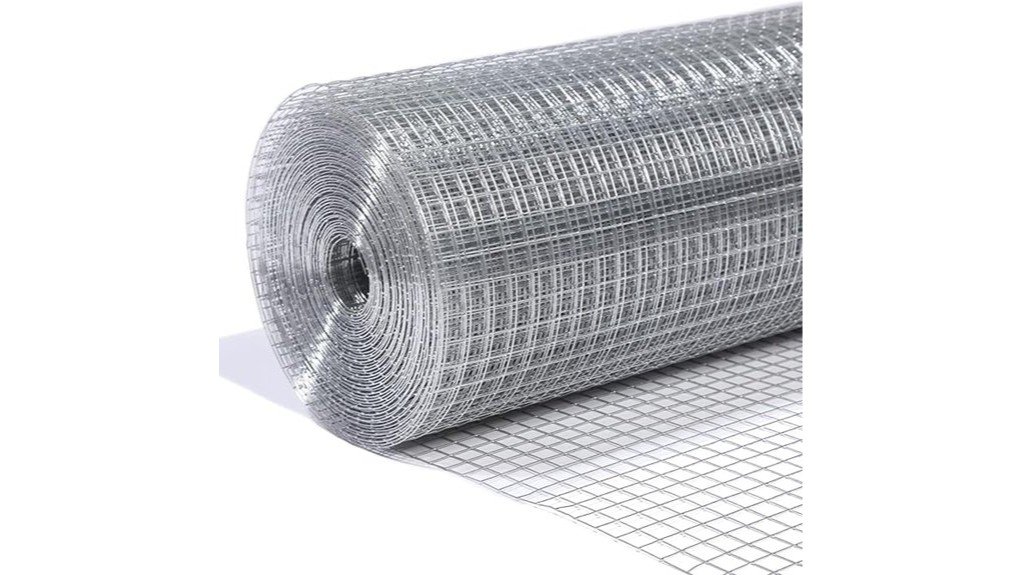
Choosing hardware cloth can get confusing because small differences in mesh size, roll width, gauge, and coating change how well it works for gardens, cages, and outdoor barriers. The LAN JIA 1/4-Inch Hardware Cloth linked in this review is listed as a 48-inch by 100-foot, 23-gauge roll with hot-dip galvanizing after welding. That makes it better suited for larger garden beds, chicken runs, snake barriers, and long fence runs than a small patch roll. This review helps you decide where it makes sense, what to check before buying, and which limitations matter during installation.
Quick Verdict
Rating: 8.4/10
Best For: Gardeners, chicken coop builders, and DIY users who need a large 1/4-inch galvanized wire mesh roll.
Bottom Line: LAN JIA 1/4-Inch Hardware Cloth is a practical choice when you need small mesh openings, outdoor corrosion resistance, and a long roll for bigger projects. The main tradeoff is that the 48-inch by 100-foot roll is large and heavy, so it takes careful handling, cutting, and storage.
Before You Buy: Confirm the size and variant on Amazon before ordering. This linked ASIN is shown as a 1/4-inch, 48-inch by 100-foot, 23-gauge roll, while similar LAN JIA listings include other widths, lengths, mesh sizes, and gauges.
| Specification | Detail |
|---|---|
| Brand | LAN JIA |
| Manufacturer | LAN JIA. LLC |
| Part Number | LJ254801 |
| Item Model Number | LJ254801 |
| ASIN | B098LQNL43 |
| Product Type | Welded hardware cloth wire mesh roll |
| Mesh Opening | 1/4 inch square openings |
| Listed Size | 48 inches by 100 feet |
| Gauge | 23 gauge |
| Galvanizing | Hot-dip galvanized after welding |
| Listed Item Weight | 53 pounds |
| Listed Product Dimensions | 8 x 8 x 48 inches |
| Best Use | Chicken coops, garden fencing, raised beds, snake barriers, gopher barriers, plant supports, and DIY mesh projects |
| Safety Note | Cut wire edges can be sharp, so gloves and eye protection are strongly recommended during cutting and installation. |
What Is the LAN JIA 1/4-Inch Hardware Cloth?
The LAN JIA 1/4-Inch Hardware Cloth is a welded steel wire mesh roll made for outdoor barriers, garden protection, animal enclosures, and general DIY use. Its 1/4-inch square openings are small enough for many pest-control and containment projects where wider chicken wire may leave too much open space.
The linked model, LJ254801, is listed as a 48-inch by 100-foot roll with 23-gauge wire and hot-dip galvanizing after welding. That combination gives you a large amount of mesh coverage and added rust resistance for outdoor use. It is not a small craft roll, so you should plan for the weight, roll size, tools, and storage space before it arrives.
Who Should Buy It?
Best For
- Gardeners building raised bed liners, gopher guards, or pest barriers.
- Chicken coop owners who want smaller mesh than standard chicken wire.
- DIY users who need one long roll for several outdoor or fencing projects.
Skip If
- You only need a small patch piece for a minor repair.
- You need a heavier 19-gauge mesh for higher-impact animal pressure.
- You cannot safely handle or cut a large 53-pound roll.
Product Features and Specifications
The biggest advantage of this hardware cloth is the combination of small 1/4-inch openings and a long 48-inch by 100-foot roll. That size helps when you need continuous coverage for garden beds, coop skirts, sidewalls, or long perimeter sections.
The 23-gauge wire keeps the roll more manageable than heavier-gauge mesh, but it also means you should match it to the right job. It is useful for pest screening, garden protection, and light to moderate enclosure work. For large animals, high pressure points, or impact-heavy use, a thicker gauge may be a better choice.
LAN JIA lists the mesh as hot-dip galvanized after welding. That matters because welded joints can become weak spots on cheaper mesh. Galvanizing after welding helps cover the wire and joint areas, which can improve outdoor corrosion resistance when the mesh is exposed to soil, moisture, and weather.
Materials and Build Quality
This LAN JIA roll uses welded wire mesh with hot-dip galvanizing after the welding process. The welded grid gives the hardware cloth a more fixed shape than twisted chicken wire, so it works better when you need cleaner lines, smaller openings, and firmer panel sections.
The 1/4-inch mesh size is one of the main reasons to choose this product. It can help block small pests, reduce gaps around chicken runs, and protect seedlings or roots in raised beds. The mesh is also useful when you need a firm screen for craft, storage, or utility projects.
Because it is metal wire mesh, cut edges can be sharp. You should use gloves, long sleeves, and eye protection when unrolling, cutting, bending, or fastening it. A second person can also help control the roll during large installations.
Garden Protection and Pest Control
For garden work, the 1/4-inch openings make this hardware cloth useful for raised bed bottoms, root-zone protection, and small pest barriers. You can line the bottom of a raised bed before filling it with soil, or bend sections into guards around vulnerable plants.
It can also help as an underground barrier for burrowing pests when installed correctly. For this type of use, you need enough depth and overlap to stop animals from pushing around the edge. Soil conditions, local pests, and installation depth will affect results, so avoid treating any mesh as a guaranteed pest solution.
Animal Enclosures and Chicken Coop Use
This roll can work for chicken coop covers, run sides, apron-style barriers, and rabbit enclosure projects where small mesh openings matter. Compared with standard chicken wire, welded hardware cloth can feel more structured and less flimsy for many coop projects.
The 23-gauge wire is best for smaller openings and general barrier work, not for every predator-risk situation. If your area has raccoons, dogs, coyotes, or other strong animals, use strong framing, proper fasteners, buried skirts, and latches. You may also want to compare heavier 19-gauge hardware cloth for high-stress sections.
Installation and Ease of Use
A 48-inch by 100-foot roll gives you strong coverage, but it also takes planning. Measure your project before cutting, add extra length for overlaps, and mark your cut line before you unroll too much mesh. This helps reduce waste and keeps the roll easier to control.
Use wire cutters, aviation snips, or tin snips that are suitable for metal mesh. For fastening, choose staples, washers with screws, fencing clips, zip ties, or U-nails based on the surface and load. A tight, flat installation reduces gaps and keeps the wire from bowing away from the frame.
Pro Tip: Cut hardware cloth slightly larger than the opening, then overlap the mesh onto the frame by at least an inch or two. This gives fasteners more wire to grip and reduces weak edge gaps.
Applications and Versatility
Applications for the LAN JIA 1/4-Inch Hardware Cloth go beyond basic fencing. Its small openings and large roll size make it useful for garden protection, animal barriers, craft projects, and utility screening. The right use depends on how much strength, coverage, and corrosion resistance your project needs.
| Application | Use Case | Buyer Benefit |
|---|---|---|
| Garden Projects | Plant cages, bed liners, or root barriers | Helps protect plants from small pests and burrowing animals |
| Animal Protection | Chicken coop covers or run sides | Provides smaller openings than many basic wire fences |
| Snake Barrier | Low fence sections or perimeter screening | Small 1/4-inch openings reduce entry gaps when installed tightly |
| Gopher Guard | Underground raised bed barrier | Adds a physical layer below soil and roots |
| Craft and Utility Projects | Storage screens, jewelry holders, vents, or custom panels | Easy to cut into custom shapes with the right tools |
How It Performs in Real Use
For Raised Garden Beds
In raised beds, this hardware cloth works best as a bottom liner or side barrier before you add soil. The 1/4-inch openings help block many small burrowing pests while still allowing drainage. You should overlap seams and secure the mesh to the bed frame to reduce gaps.
For Chicken Coops and Runs
For chicken coops, the mesh can cover vents, windows, runs, and apron-style skirt areas. It is more rigid than standard chicken wire, which helps when you staple or screw it to wood framing. For high-predator areas, focus on fasteners, frame strength, and ground-level edges because the wire alone is only one part of the enclosure.
For Snake and Rodent Barriers
The small 1/4-inch grid can help reduce openings along fences, sheds, and garden borders. Performance depends on tight installation, buried edges, and careful sealing around corners. Any gap larger than the mesh opening can weaken the whole barrier.
For Long-Term Outdoor Use
Hot-dip galvanizing after welding supports outdoor use better than plain uncoated steel wire. Still, soil contact, fertilizers, salt exposure, standing water, and cut edges can affect long-term durability. Inspect buried and ground-contact sections regularly, especially after winter, heavy rain, or yard work.
Setup Tips Before First Use
Start by measuring your full project area and writing down every panel length before cutting. A 100-foot roll can cover several projects, but careless cutting can leave you with short pieces that are harder to use.
Unroll only the amount you need and place a weight on the loose end to prevent spring-back. Cut slowly along one row of mesh, then bend or trim sharp wire tails. After cutting, turn exposed points inward when possible or cover them with trim, wood framing, or edge protection.
- Wear heavy gloves and eye protection before cutting or bending the mesh.
- Use strong fasteners spaced closely enough to prevent sagging.
- Overlap seams instead of butting two cut edges together.
- Check corners and ground-level edges because pests often find weak spots there.
- Store leftover mesh off the ground and away from standing water.
Safety and Maintenance Notes
Hardware cloth is useful, but it is not soft or forgiving material. Cut wire ends can scratch skin, injure pets, or snag clothing if they are left exposed. After installation, run a gloved hand along edges and corners to find sharp points that need trimming, bending, or covering.
For pet and livestock enclosures, check the mesh regularly for loose fasteners, bent sections, corrosion, and gaps around doors or posts. Do not rely on the mesh alone if the enclosure needs structural strength. Use solid framing, secure latches, and appropriate fasteners for the animal and predator risk in your area.
Brand Reputation and Product Support
LAN JIA is a wire mesh brand with a broad range of hardware cloth sizes, mesh types, and galvanized wire products. The brand listing describes multiple size options, including 1/4-inch and 1/2-inch mesh, different widths, and different lengths. That variety is helpful, but it also makes size verification important before checkout.
The product page references warranty and support information through Amazon, but this review does not treat that as a fixed long-term guarantee. Always check the current seller, return terms, warranty details, and variant selection on Amazon before you buy.
Pros and Cons
Pros
- 1/4-inch square openings work well for many small-pest and enclosure projects.
- 48-inch by 100-foot roll provides wide coverage for large gardens or runs.
- Hot-dip galvanizing after welding supports outdoor corrosion resistance.
- Welded grid holds shape better than loose twisted chicken wire.
- Useful for gardens, coops, snake barriers, raised beds, and DIY screening.
Cons
- The large roll is heavy and may be difficult for one person to handle.
- 23-gauge wire may not be ideal for high-impact predator protection.
- Cut edges are sharp and need careful trimming, bending, or covering.
Is It Worth the Price?
The LAN JIA 1/4-Inch Hardware Cloth is worth considering if you need a large amount of small-opening mesh for outdoor projects. Its value is strongest for buyers who can use the full 48-inch by 100-foot roll across garden beds, coop runs, fence skirts, and utility screens.
It may not be the best fit if you only need a small repair patch or a short roll for one opening. In that case, a smaller 25-foot or 50-foot roll may be easier to handle and store. You should also compare heavier-gauge options if strength matters more than roll length.
How It Compares to Alternatives
Compared with standard chicken wire, this LAN JIA hardware cloth offers smaller openings and a more structured welded grid. That makes it a better fit for pest screening, coop reinforcement, and raised bed protection where gap size matters.
If you want a heavier wire, compare 19-gauge options from brands such as HUNKA, VEVOR, or Amagabeli. If you need a smaller project roll, look for the same mesh size in a shorter length. The LAN JIA 1/4-inch roll makes the most sense when you want broad coverage and 1/4-inch mesh in one large roll.
Frequently Asked Questions
What size is the linked LAN JIA hardware cloth?
The linked ASIN is listed as a 1/4-inch mesh roll measuring 48 inches by 100 feet. Check the Amazon variant selector before ordering because LAN JIA offers similar rolls in different widths, lengths, mesh sizes, and gauges.
Is 1/4-inch hardware cloth good for chicken coops?
Yes, 1/4-inch hardware cloth can work well for coop vents, run sides, and apron barriers because the openings are smaller than many basic wire fences. For predator-heavy areas, pair it with strong framing, secure fasteners, buried edges, and reliable latches.
Can you use this hardware cloth underground?
You can use galvanized hardware cloth as an underground barrier for raised beds or pest control projects. For best results, overlap seams, secure edges, and inspect buried sections over time because soil conditions and moisture can affect metal durability.
How do you cut hardware cloth safely?
Use wire cutters, aviation snips, or tin snips rated for metal mesh. Wear gloves and eye protection, cut along one wire line, and bend or cover sharp edges before pets, children, or livestock can contact them.
Is 23-gauge wire strong enough?
It is strong enough for many garden barriers, plant guards, light enclosure panels, and pest screens. For high-impact areas, large animals, or heavy predator pressure, compare heavier 19-gauge hardware cloth before deciding.
Can this hardware cloth be painted or coated?
You can paint or coat many metal mesh products, but adhesion depends on surface prep and the coating you choose. Clean the mesh first, use a product made for galvanized metal, and follow the coating manufacturer’s instructions.
What common mistakes should you avoid during installation?
Avoid leaving loose edges, wide gaps, sharp exposed cut ends, or seams with no overlap. Also avoid using weak fasteners in animal enclosures, since pests and predators often test corners, doors, and ground-level edges first.
Who should skip this roll?
Skip it if you need only a small patch, cannot handle a heavy 100-foot roll, or need a thicker wire for severe impact or predator pressure. A smaller roll or heavier-gauge mesh may be a better match for those situations.
The Bottom Line
The LAN JIA 1/4-Inch Hardware Cloth is a strong option for buyers who need a large galvanized mesh roll for garden protection, chicken coop work, raised beds, and pest barriers. Its biggest strengths are the 1/4-inch openings, welded construction, and 48-inch by 100-foot coverage, while its main limitation is the heavy roll size and lighter 23-gauge wire.
Buy it if you can use the full roll and want small-opening hardware cloth for outdoor projects. Skip it if you need a small patch piece, a lighter roll, or a heavier-gauge mesh for high-stress enclosure sections.