Disclosure: As an Amazon Associate, we earn from qualifying purchases. If you click a link on this page and make a purchase, we may receive a small commission at no extra cost to you.
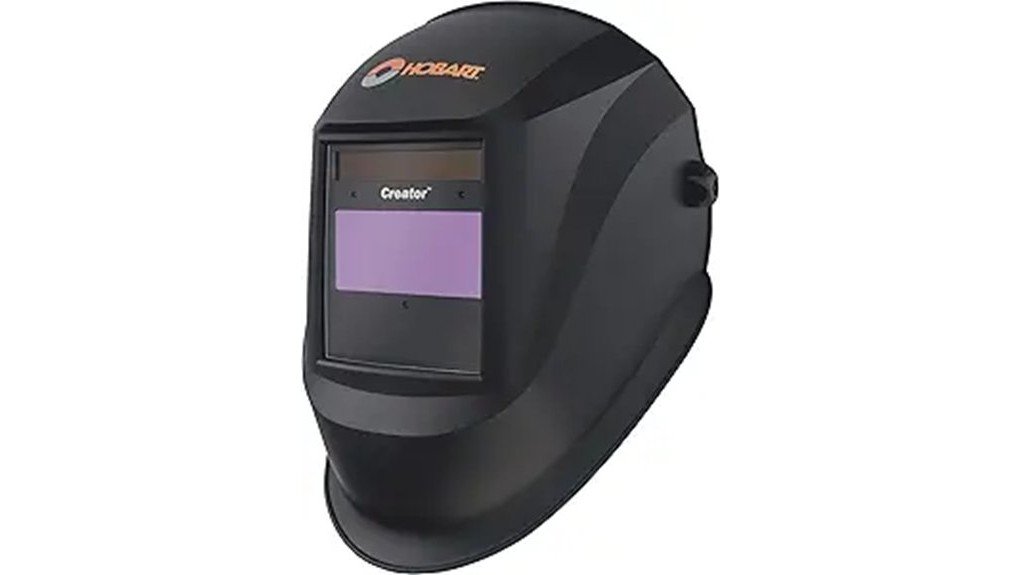
Choosing a welding helmet is not only about comfort. You need a lens that reacts quickly, a viewing area that helps you see the puddle, and controls that do not slow you down between welding and grinding. The Hobart 770866 Creator Black Auto-Darkening Welding Helmet aims to give hobby welders and light shop users a practical balance of visibility, protection, and simple analog control. This review explains where it works well, what details you should confirm before buying, and who may need a larger or more advanced hood.
Quick Verdict
Rating: 8.4/10
Best For: DIY welders, garage users, and light shop work that needs auto-darkening, grind mode, and simple manual controls.
Bottom Line: The Hobart 770866 is a strong value if you want a clear 7.1 sq. in. viewing field, three arc sensors, and weld/grind modes without a complex digital menu. Skip it if you need a larger premium viewing window, advanced digital presets, or verified hardhat compatibility for jobsite use.
Key Takeaways
- The Hobart 770866 is the black version of the Hobart Creator auto-darkening welding helmet.
- It uses PureColor lens technology with a 7.1 sq. in. viewing field for clearer weld visibility.
- Three independent arc sensors help the lens detect the arc reliably during normal welding tasks.
- The lens has a fast 1/25,000-second reaction time and supports weld and grind modes.
- Analog shade, sensitivity, and delay controls make it easier to adjust without scrolling through menus.
- It is better for garage, DIY, and light shop welding than for buyers who need a premium digital helmet.
| Specification | Detail |
|---|---|
| Brand | Hobart |
| Model | 770866 |
| Series | Creator |
| Product Type | Auto-darkening welding helmet |
| Color/Pattern | Black |
| Lens Technology | PureColor lens technology |
| Viewing Field | 7.1 sq. in. |
| Arc Sensors | 3 independent arc sensors |
| Reaction Time | 1/25,000 second |
| Shade Range | #3 light state and #9 to #13 weld shade range |
| Modes | Weld and grind |
| Controls | Analog shade, sensitivity, delay, and grind controls |
| Supported Processes | MIG, TIG, and stick welding, based on retailer listing details |
| Low-Amp TIG | Rated for low-amperage TIG use, with retailer listing support down to 10 amps |
| Included Accessories | Retailer listings note outside cover lenses, inside cover lenses, and ratchet headgear |
| Replacement Parts | Compatible replacement lens, lens frame, cover lens kit, headgear, and magnifying lenses are listed by Hobart |
| Warranty Note | Some retailer listings show a 2-year warranty or 2-year lens warranty. Confirm current terms with the seller before purchase. |
Before You Buy: Confirm the current seller listing if hardhat compatibility, warranty coverage, or included replacement lenses matter to you. Retailer details can vary, and jobsite requirements may be stricter than garage or home shop needs.
What Is the Hobart 770866 Welding Helmet?
The Hobart 770866 is a Creator Series auto-darkening welding helmet in a black finish. It is built for welders who want an automatic lens, clear manual controls, and a wide enough view for common MIG, TIG, and stick welding work.
The main selling point is the mix of PureColor lens technology, a 7.1 sq. in. viewing field, three arc sensors, and a fast 1/25,000-second reaction time. You also get grind mode, which helps when you switch from welding to surface prep and do not want the lens to keep darkening.
This is not the most advanced Hobart helmet. The Creator line sits below larger-view premium options, so it makes the most sense if you want reliable core features without paying for a bigger window or digital control system.
Who Should Buy It?
Best For
- DIY welders who want auto-darkening protection for garage repairs and small fabrication jobs.
- Users who prefer analog shade, sensitivity, and delay controls instead of digital menus.
- Welders who switch between welding and grinding and want a dedicated grind mode.
Skip If
- You want the largest possible viewing window for production welding.
- You need advanced digital settings, memory presets, or premium helmet features.
- Your worksite requires verified hardhat compatibility or specific safety documentation.
Key Features of the Hobart 770866 Welding Helmet
PureColor Lens and Viewing Area
The 7.1 sq. in. viewing field gives you more room to watch your weld area than a small fixed-window helmet. That helps during tack welds, bead starts, and repositioning because you can see more of the workpiece without lifting the hood.
PureColor lens technology is meant to give a more natural view than older green-tinted lenses. This helps you track the puddle, joint edge, and surrounding metal more easily, especially when lighting in your shop is not ideal.
Three Arc Sensors and Fast Reaction Time
The helmet uses three independent arc sensors to detect the welding arc. More sensors can reduce missed detection when your hands, torch angle, or workpiece partially blocks one sensor.
The 1/25,000-second reaction time means the lens darkens quickly when the arc starts. You should still set the helmet correctly for the process and shade range, but the fast switching speed is a strong feature for a helmet in this class.
Analog Controls for Shade, Sensitivity, and Delay
Analog controls keep the setup simple. You can adjust shade, sensitivity, and delay without opening a digital menu or scrolling through settings with gloves on.
This is useful if you move between MIG, TIG, and stick welding during the same project. It also makes the helmet easier for newer welders because the main controls are direct and easy to understand.
Grind Mode for Surface Prep
Grind mode prevents the lens from darkening while you grind, clean edges, or prepare metal between welds. That saves time because you do not need to change helmets just to remove slag, smooth a bead, or clean a joint.
You still need proper eye and face protection when grinding. The helmet can act as a protective shield, but you should follow the product instructions and use the right safety gear for your grinder, material, and work area.
Comfort, Fit, and Adjustability
The Hobart 770866 includes adjustable headgear, and retailer listings describe ratchet-style headgear with broad adjustability. A better fit matters because a helmet that slips forward or pinches your head becomes distracting during longer sessions.
The Creator Series is a sensible size for home and light shop work. If you weld for long shifts every day, compare it with larger-view or higher-end helmets that may offer more comfort adjustments and premium lens features.
Pro Tip: Set sensitivity higher for lower-amperage TIG work and lower it if nearby arcs or bright shop lights trigger the lens. Always test your settings on scrap metal before starting the actual weld.
How It Performs in Real Use
For MIG Welding
For typical garage MIG work, the Hobart 770866 gives you the core features most users need: auto-darkening, shade adjustment, grind mode, and enough viewing area to follow the weld line. The analog controls are especially useful when you move between thin sheet metal and heavier repair work.
For TIG Welding
The helmet is listed as low-amp TIG rated, and some retailer details mention use down to 10 amps. That makes it more flexible than basic helmets that struggle with low-amperage arc detection.
For very precise TIG work, a premium helmet with a larger lens and more advanced optical features may still be worth comparing. For occasional TIG jobs, the Creator 770866 offers a practical balance.
For Stick Welding
Stick welding often creates a strong arc, so the three-sensor setup should be well suited for normal home shop and repair tasks. The delay control can help when the weld puddle remains bright after the arc stops.
For Grinding and Cleanup
Grind mode makes the helmet easier to use between weld passes. You can clean the joint, smooth rough spots, and check your work without fighting unwanted lens darkening.
The main mistake is forgetting to switch back to weld mode before striking an arc. Build a habit of checking the mode and shade setting every time you move from grinding back to welding.
Setup Tips Before First Use
- Check the lens covers: Make sure the inside and outside protective lenses are clean, seated correctly, and not badly scratched.
- Adjust the headgear first: Set the headband so the helmet stays stable when you nod it down.
- Test on scrap metal: Strike a short test arc to confirm the shade, delay, and sensitivity before welding your project.
- Use the right shade: Match the shade setting to your welding process, amperage, and the helmet instructions.
- Confirm grind mode: Use grind mode only for grinding and prep work. Switch back to weld mode before welding.
Compatibility and Safety Notes
The Hobart 770866 is designed for welding helmet use with MIG, TIG, and stick processes, based on retailer listing details. It also accepts compatible Hobart accessories such as cover lenses, replacement lens parts, headgear, and magnifying lenses.
Some listings mention ANSI, CSA, and CE-related standards, but you should verify current safety documentation if you need the helmet for professional, school, or jobsite compliance. Safety requirements can vary by workplace, instructor, and local policy.
Do not use any auto-darkening helmet without reading the manual and checking the lens function first. Replace damaged cover lenses, do not weld with a cracked shell or faulty lens, and use additional safety gear when the job requires it.
Pros and Cons
Pros
- 7.1 sq. in. viewing field gives you a practical view for garage and light shop welding.
- Three independent arc sensors improve detection during common welding positions.
- 1/25,000-second reaction time supports fast lens darkening when the arc starts.
- Grind mode helps with prep and cleanup without switching to a separate face shield.
- Analog controls make shade, sensitivity, and delay adjustments simple.
Cons
- The viewing area is not as large as some premium Hobart Inventor Series helmets.
- It uses analog controls, so buyers who want digital presets may prefer another model.
- Hardhat compatibility and included accessories should be confirmed on the current seller page.
Is It Worth the Price?
The Hobart 770866 is best described as a strong value for the price if you want trusted brand support, an auto-darkening lens, grind mode, and simple controls. It gives you important safety and usability features without pushing into the higher-cost premium helmet category.
You get the most value if you weld at home, maintain equipment, repair trailers or brackets, or need a dependable hood for mixed MIG, TIG, stick, and grinding work. It is not the best fit if you weld full-time and want the biggest lens, digital memory settings, or premium comfort upgrades.
How It Compares to Alternatives
Compared with the Hobart Pillar Series, the Creator 770866 gives you a larger viewing field and more capability for users who want a step above entry-level auto-darkening protection. Compared with Hobart Inventor Series helmets, the Creator has a smaller viewing area and fewer premium features, but it can be a better value for light shop and DIY use.
If you are comparing outside the Hobart lineup, helmets from Lincoln Electric, Miller, and YESWELDER may offer different window sizes, controls, and price points. The Hobart 770866 makes the most sense if you want a familiar welding brand, three arc sensors, grind mode, and straightforward manual settings.
Common Mistakes to Avoid
- Forgetting grind mode is on: Always switch back to weld mode before striking an arc.
- Using the wrong shade: Set the shade for your process and amperage instead of leaving it in one position for every job.
- Ignoring dirty cover lenses: Scratched or dirty lenses reduce visibility and make welding harder.
- Skipping the test arc: Test sensitivity and delay before starting a project, especially when changing processes.
- Assuming jobsite compatibility: Confirm hardhat and safety standard requirements before using it on a regulated worksite.
Frequently Asked Questions
What is the Hobart 770866 welding helmet best used for?
It is best for DIY welding, garage repairs, farm repairs, and light shop work. The auto-darkening lens, three arc sensors, and grind mode make it useful for MIG, TIG, stick, and cleanup tasks.
How large is the viewing area?
The Hobart 770866 has a 7.1 sq. in. viewing field. That is roomy enough for most home and light shop welding, though larger premium helmets offer a wider view.
Does the Hobart 770866 have grind mode?
Yes. Grind mode prevents the lens from darkening during grinding and surface prep, so you can see the work area more clearly between welds.
Can you adjust the sensitivity and delay?
Yes. The helmet uses analog controls for sensitivity and delay, along with shade and grind settings. This lets you tune the lens for different processes and lighting conditions.
Is it suitable for TIG welding?
Yes, it is listed for TIG use and low-amperage TIG support. For very detailed TIG work, you may still want to compare it with higher-end helmets that offer a larger lens and more advanced settings.
Can you replace the protective lenses?
Yes. Hobart lists compatible replacement cover lenses and lens parts for the Creator Series. Replace scratched or damaged lenses to keep your view clear and your helmet working properly.
Is the Hobart 770866 hardhat compatible?
Retailer details are not fully consistent on this point. If hardhat use matters, confirm the current seller listing, manual, or Hobart documentation before you buy.
Who should skip this welding helmet?
Skip it if you need a premium helmet with a larger viewing window, digital memory settings, or jobsite-specific compatibility documentation. It is better for practical home and light shop use than heavy production welding.
The Bottom Line
The Hobart 770866 Creator Black Auto-Darkening Welding Helmet is a smart buy if you want a dependable welding hood with PureColor lens technology, three arc sensors, grind mode, and simple analog controls. It is best for DIY, garage, and light shop welders who want practical protection without moving into a premium price tier.
Skip it if you need a larger professional viewing area, digital presets, or verified hardhat compatibility for regulated jobsite work. For most home welding projects, its main strength is reliable core performance, while its main limitation is that it lacks some higher-end comfort and control features.