Disclosure: As an Amazon Associate, we earn from qualifying purchases. If you click a link on this page and make a purchase, we may receive a small commission at no extra cost to you.
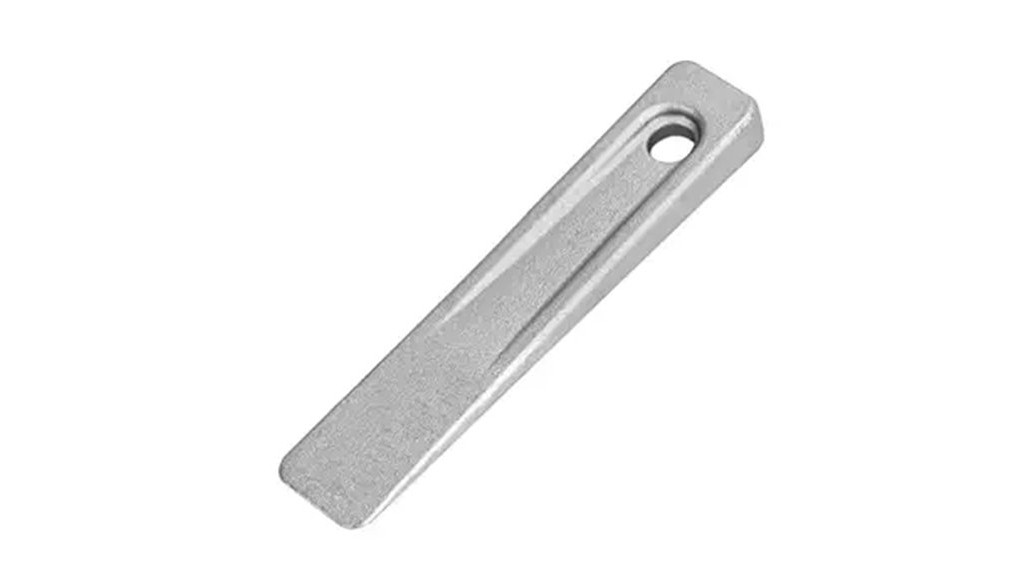
Small leveling errors can turn into bigger shop problems when machinery, fixtures, or heavy workpieces are not seated correctly. The 5 Inch Steel Wedges are designed to help you lift, level, separate, or align equipment in controlled shop, woodworking, automotive, and industrial tasks. Their main strengths are the tapered triangular shape, high-hardness alloy steel build, and frosted anti-slip surface. The tradeoff is that they still need correct placement and should not be treated as a substitute for rated lifting, blocking, or safety support equipment.
Quick Verdict
Rating: 8.2/10
Best For: Shop users who need a compact steel wedge for leveling, aligning, spacing, and controlled positioning tasks.
Bottom Line: These 5 inch steel wedges are worth considering if you need a durable tapered wedge for machinery setup, woodworking, or automotive maintenance. They are not the right tool when you need a rated jack, stand, wheel chock, or load-bearing safety support.
| Specification | Detail |
|---|---|
| Product Name | 5 Inch Steel Wedges |
| Product Type | Steel leveling and alignment wedge |
| Design | Tapered triangular wedge for easy insertion |
| Length | 5 inches |
| Width | 1 inch |
| Thickness Range | Tapers from about 0.5 inch to 0.05 inch |
| Material | High-hardness alloy steel |
| Surface | Frosted anti-slip surface |
| Best Use | Leveling, aligning, spacing, and positioning machinery or workpieces |
| Common Applications | Industrial setup, woodworking, automotive maintenance, and shop alignment tasks |
| Care Notes | Clean after use, inspect for wear or corrosion, dry before storage, and store in a dry area |
| Safety Note | Use only for suitable positioning tasks. Do not use as a substitute for rated lifting stands, safety supports, or wheel chocks. |
What Are the 5 Inch Steel Wedges?
The 5 Inch Steel Wedges are compact tapered wedges made from high-hardness alloy steel. Each wedge has a triangular profile that helps you slide it under a workpiece, machine foot, fixture, or part that needs fine height adjustment. The article-supported dimensions are 5 inches long, 1 inch wide, and tapered from about 0.5 inch down to 0.05 inch.
The frosted anti-slip surface is a useful detail because a wedge that shifts during setup can ruin alignment or create a safety issue. This texture is meant to reduce accidental sliding while you adjust, level, or stabilize the item. It does not remove the need for careful placement, especially around heavy equipment.
These wedges make the most sense for buyers who want a simple, reusable shop tool rather than a complex leveling system. You can use them in machinery alignment, woodworking setups, automotive maintenance, and general workshop positioning, as long as the task matches the wedge size and safe working limits.
Key Takeaways
- The 5 inch length gives you a compact wedge that is easy to place in tight shop areas.
- The 1 inch width and tapered profile support controlled lifting, leveling, and spacing adjustments.
- High-hardness alloy steel helps the wedge resist bending during suitable shop and industrial use.
- The frosted anti-slip surface improves grip compared with a smooth metal wedge.
- These wedges are useful for woodworking, automotive maintenance, machinery alignment, and equipment leveling.
- Correct placement matters. A steel wedge should not replace rated support equipment when safety is critical.
- Cleaning, inspection, and dry storage help reduce rust and extend service life.
Who Should Buy It?
Best For
- Shop users who need a compact wedge for fine leveling and alignment.
- Woodworkers who need temporary spacing or controlled positioning during setup.
- Automotive or maintenance users who need a durable steel wedge for non-rated positioning tasks.
Skip If
- You need a rated jack stand, wheel chock, hoist block, or certified load support.
- You need a wide shim plate rather than a narrow 1 inch wedge.
- You want a rust-proof tool for wet storage without regular drying or care.
Before You Buy: Check that a 5 inch by 1 inch wedge fits your work area. These wedges are helpful for leveling and alignment, but they are not a replacement for rated lifting, blocking, or safety support equipment.
Key Features of 5 Inch Steel Wedges
High-Hardness Alloy Steel Build
The main selling point is the high-hardness alloy steel construction. For a wedge, this matters because the tool often sees pressure at a narrow contact point. Softer materials may deform more easily, especially when used around heavy equipment or repeated alignment work.
The steel build also makes these wedges reusable. Instead of relying on soft wood shims that can crush, split, or absorb moisture, you get a harder wedge that can handle repeated shop use when cared for correctly. You should still inspect the edges and surface before each use.
Tapered Triangular Shape
The triangular wedge shape makes insertion easier. The thin end starts at about 0.05 inch, which helps you begin a lift or gap adjustment without forcing a thick tool into place. The wedge then increases to about 0.5 inch, giving you more height as you slide it farther under the object.
This design is useful when you need small alignment changes rather than a large lift. It gives you more control than trying to force a flat spacer into a gap that is not perfectly even. For machinery leveling or woodworking setup, that control can save time.
Frosted Anti-Slip Surface
The frosted anti-slip surface helps reduce accidental sliding. That is useful when you are working with vibration, uneven surfaces, or parts that need to stay aligned while you make adjustments. A smooth metal wedge can be harder to control, especially on painted, polished, or dusty surfaces.
This surface texture is not a guarantee against movement. You still need to place the wedge squarely, check that it is seated, and avoid side loading it in a way that could push it out of position.
Compact 5 Inch Size
The 5 inch length is a practical size for many shop jobs. It is long enough to give you hand control during placement, yet compact enough to fit into tighter areas near equipment feet, fixture edges, frames, or workpieces. The 1 inch width also helps when space is limited.
The tradeoff is contact area. A narrow wedge can be excellent for precise placement, but it may not be the best choice for wide surfaces that need broad support. For larger loads or delicate surfaces, you may need a wider plate, shim, or purpose-built leveling tool.
Advantages of Using Steel Wedges in Various Applications
Steel wedges are useful because they combine strength, repeatability, and simple operation. You do not need power, adjustment screws, or complex setup. You place the wedge where it belongs, check its seating, and make small adjustments until the part or equipment reaches the position you need.
- Durability: High-hardness alloy steel helps the wedge resist deformation during suitable pressure-based tasks.
- Versatility: The wedge can help with machinery alignment, woodworking fixtures, automotive maintenance, and general shop spacing.
- Stability: The frosted surface helps reduce unwanted sliding during controlled setup work.
- Ease of Use: The tapered shape lets you start with a thin edge and increase lift gradually.
The biggest benefit is control. You can make small adjustments without needing a bulky tool. That makes these wedges especially helpful when you are trying to level a machine foot, hold a gap, support a temporary setup, or position a workpiece before fastening or measuring.
How It Performs in Real Use
For Machinery Leveling
In machinery leveling, a small wedge can help you fine-tune height before final adjustment. The 0.05 inch thin edge is useful when the starting gap is small. The thicker 0.5 inch end gives you more lift range than a flat shim of one thickness.
You should still use the proper final leveling hardware for the machine. Treat the wedge as a setup and adjustment aid unless the equipment manual allows it as part of the final installation.
For Woodworking Setups
For woodworking, these wedges can help with spacing, positioning, and holding a temporary angle during layout or assembly. Steel is harder than wood, so it will not compress the same way a wooden shim might. That can help when you need repeatable spacing.
Use care on finished wood or soft surfaces. A steel edge can mark the material if you push it too hard or drag it across the surface. Add a protective layer when the surface finish matters.
For Automotive Maintenance
In automotive maintenance, a compact steel wedge can help with alignment, spacing, or positioning parts during non-rated tasks. The small width can fit into tight areas where a larger block may not reach. This can be helpful during setup work, bracket alignment, or controlled spacing tasks.
Do not use these wedges as wheel chocks, jack stands, or under-vehicle safety supports. When a vehicle is raised, use rated stands and follow the vehicle service procedure.
For Long-Term Shop Use
For repeated shop use, alloy steel is a strong material choice, but the wedge still needs care. Dust, moisture, impact damage, and corrosion can affect grip and fit over time. A quick inspection before use helps catch burrs, rust, or edge wear before they create a problem.
Long-term value depends on how you store the wedges. Keep them dry, clean off debris, and avoid tossing them into a bin where edges can chip or surfaces can get damaged.
Tips for Effective Use and Maintenance of Steel Wedges
Placement Tips for Better Results
Place the wedge so the tapered face contacts the work evenly. Avoid setting it at a sharp side angle because that can make it slip or create uneven pressure. When possible, insert the wedge slowly and check movement after each small adjustment.
For leveling work, use measuring tools rather than guessing by eye. A wedge can move the part, but your level, straightedge, dial indicator, or machine setup procedure tells you whether the position is correct.
Pro Tip: Before using the wedge on painted, finished, or soft surfaces, place a thin protective barrier between the steel and the surface to reduce marks while you test the fit.
Cleaning Tips
After use, wipe off dirt, oil, sawdust, metal dust, or moisture. If residue is stuck on the surface, use a gentle solvent and a brush that will not damage the wedge. Dry the wedge fully before putting it away.
Do not store steel wedges wet. Moisture can lead to corrosion, and corrosion can reduce surface grip or make the wedge harder to place smoothly.
Inspection and Storage
Inspect the wedge for wear, burrs, dents, cracks, or corrosion. Pay close attention to the thin edge because it is the part most likely to show damage from impact or rough handling. If the wedge is badly damaged, replace it rather than forcing it into a precision setup.
Store the wedges in a dry drawer, toolbox, or organizer. A light lubricant can help prevent sticking and reduce rust risk, but wipe off excess before use if it could make the wedge slippery.
Compatibility and Safety
These wedges are best matched with hard, stable surfaces where a narrow steel wedge can sit securely. They are not ideal for fragile surfaces, soft finishes, unstable loads, or situations where the wedge might be ejected under side pressure. Use them only where the size and shape make sense.
For machinery and automotive work, follow the equipment manual or service procedure. If the task involves heavy equipment, moving machinery, or working under a raised vehicle, use rated safety supports and professional guidance. A wedge can help with positioning, but it should not be the only thing protecting you from a load.
Outdoor use is possible, but storage and cleaning matter more outdoors. Dirt and moisture can collect on the steel surface. Clean and dry the wedge after outdoor use to help prevent rust and preserve the anti-slip texture.
Pros and Cons
Pros
- High-hardness alloy steel construction supports repeated shop use.
- 5 inch length is compact enough for tight alignment and setup areas.
- Tapered 0.05 inch to 0.5 inch profile gives you gradual adjustment control.
- Frosted anti-slip surface helps reduce unwanted sliding during placement.
- Useful across woodworking, automotive maintenance, machinery setup, and general shop tasks.
Cons
- Not a replacement for rated lifting, blocking, or vehicle support equipment.
- The 1 inch width may be too narrow for larger surfaces that need broad support.
- Steel can mark soft, painted, or finished surfaces if used without protection.
Is It Worth the Price?
The 5 Inch Steel Wedges look like a practical value if you need a simple, reusable tool for leveling, alignment, spacing, or controlled shop positioning. Because the design is straightforward, the value comes from the alloy steel construction, compact size, tapered profile, and anti-slip texture rather than extra accessories or complex features.
They are a smart buy for everyday shop use if you often adjust fixtures, machinery feet, workpieces, or automotive parts during setup. The main limitation is that they are still specialty wedges. You should skip them if your real need is a rated jack, adjustable leveling mount, wide shim plate, or certified support device.
How It Compares to Alternatives
Compared with wooden shims, these steel wedges should hold their shape better under suitable pressure and repeated use. Wood can be useful for delicate surfaces, but it may crush, split, or absorb moisture over time.
Compared with plastic shims or rubber wedges, these steel wedges are better for harder shop environments where durability matters. If you need a non-marring surface, vibration damping, or corrosion resistance without maintenance, plastic, rubber, or a coated shim may be worth comparing.
Frequently Asked Questions
What are 5 inch steel wedges used for?
They are used for controlled leveling, alignment, spacing, and positioning tasks. Common uses include machinery setup, woodworking fixtures, automotive maintenance, and general shop work.
What size are these steel wedges?
The article-supported size is 5 inches long and 1 inch wide. The thickness tapers from about 0.5 inch at the thick end to about 0.05 inch at the thin edge.
Can these wedges be used outdoors?
Yes, they can be used outdoors for suitable tasks, but steel needs care after exposure to moisture. Clean and dry the wedges after outdoor use, then store them in a dry place to help reduce rust.
Are these wedges safe for automotive work?
They can help with positioning, spacing, or alignment during suitable automotive maintenance tasks. Do not use them as wheel chocks, jack stands, or safety supports under a raised vehicle.
How should you place a steel wedge for leveling?
Place the thin end into the gap and keep the wedge aligned with the direction of force. Insert it slowly, check that it is seated evenly, and confirm your final position with a level or measuring tool.
How do you clean steel wedges after use?
Wipe away dirt, metal dust, sawdust, oil, and moisture after use. If needed, use a gentle solvent and brush, then dry the wedges fully before storage.
Who should skip these steel wedges?
Skip them if you need a certified support, a wide shim plate, a non-marring wedge, or a rust-proof tool for wet storage. They are best for controlled shop positioning, not for replacing safety-rated equipment.
The Bottom Line
The 5 Inch Steel Wedges are a recommended choice with caveats if you need a compact, durable wedge for leveling, alignment, spacing, and controlled shop setup. Their main strengths are the high-hardness alloy steel build, tapered triangular profile, and frosted anti-slip surface. Skip them if you need a rated safety support, a wide bearing surface, or a wedge that will not mark delicate finishes.