Disclosure: As an Amazon Associate, we earn from qualifying purchases. If you click a link on this page and make a purchase, we may receive a small commission at no extra cost to you.
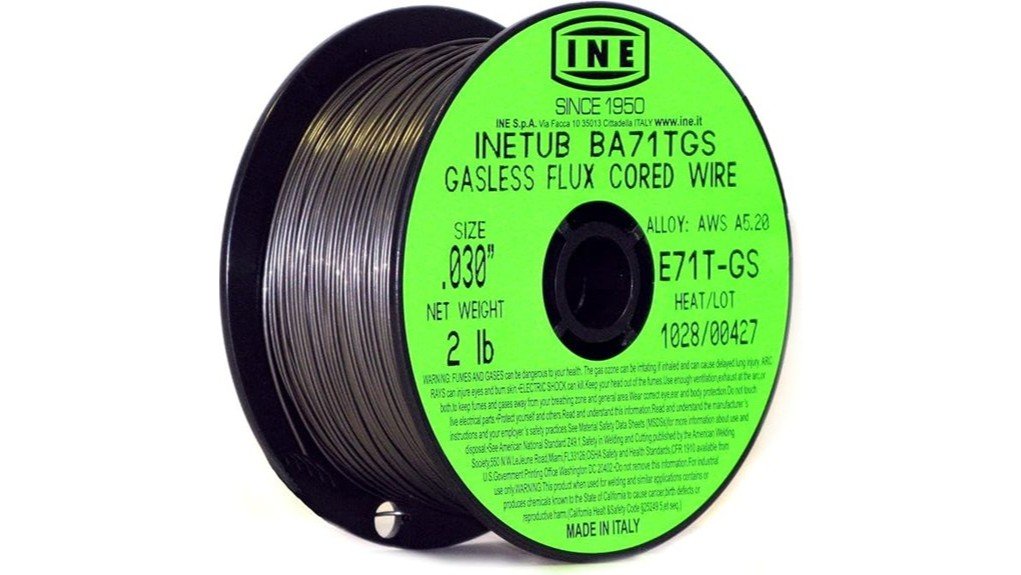
Small welding jobs get harder when your setup needs a gas bottle, regulator, hose, and calm indoor conditions. The INETUB BA71TGS Welding Wire gives you a simpler gasless flux-cored option for compatible welders and carbon steel projects. This review helps you decide whether its 0.030-inch size, 2-pound spool, self-shielded design, and AWS E71T-GS classification fit your work. It is a practical choice for garage repairs, outdoor jobs, and DIY steel work, but you still need the right polarity, clean prep, and realistic expectations about slag cleanup.
Quick Verdict
Rating: 8/10
Best For: DIY welders, garage users, and beginners who want gasless flux-cored wire for mild carbon steel work.
Bottom Line: INETUB BA71TGS is worth considering if you want a portable 0.030-inch flux-cored wire with no external shielding gas required. Skip it if you need wire for aluminum, stainless steel, or certified structural work.
Key Takeaways
- INETUB BA71TGS is a self-shielded flux-cored welding wire, so it does not need a separate shielding gas bottle.
- The reviewed Amazon variant is the 0.030-inch wire on a 2-pound spool.
- Its AWS E71T-GS classification makes it a gasless flux-core option for mild carbon steel and carbon-manganese steel work.
- The wire is designed for DCEN polarity, also called DC electrode negative or straight polarity.
- It is promoted for smooth arc action, low spatter, full slag coverage, reliable feeding, and easy slag removal.
- It can work in multiple positions, but it is not a substitute for certified structural welding wire.
| Specification | Detail |
|---|---|
| Brand | INETUB / INE USA |
| Model | BA71TGS |
| Product type | Self-shielded gasless flux-cored welding wire |
| AWS classification | AWS A5.20 E71T-GS |
| Wire diameter | 0.030 inch |
| Spool size | 2-pound spool |
| Spool diameter | 4-inch spool, based on the reviewed Amazon variant |
| Shielding gas | Not required for self-shielded flux-cored use |
| Recommended polarity | DCEN, also called DC electrode negative or straight polarity |
| Supported materials | Carbon steel and carbon-manganese steel, when used with a compatible welder |
| Position support | Flat, horizontal, vertical, and overhead welding positions |
| Performance claims | Smooth arc, low spatter, reliable feed, full slag coverage, and easy slag removal |
| Country of manufacture | Made in Italy |
| Best use | DIY welding, garage repairs, outdoor work, auto body patches, gates, fences, and light fabrication |
| Safety note | Confirm welder compatibility, polarity, contact tip size, drive roll type, ventilation, and base-metal suitability before welding. |
What Is the INETUB BA71TGS Welding Wire?
The INETUB BA71TGS is a self-shielded flux-cored wire for carbon steel and carbon-manganese steel. Unlike solid MIG wire, it does not need external shielding gas because the flux inside the wire helps protect the weld while it burns.
The reviewed version uses a 0.030-inch wire diameter on a 2-pound spool. That size works well for many compact flux-core and MIG-capable machines that support 0.030-inch flux-cored wire. The smaller spool also makes sense for home garages, occasional repair work, and welders that accept 4-inch rolls.
The wire’s main appeal is convenience. You can avoid a gas cylinder and still get a usable setup for outdoor-friendly steel repairs. You still need correct DCEN polarity, proper wire speed, the right contact tip, and clean enough metal to get the best result.
Before You Buy: Match the 0.030-inch wire size to your welder, contact tip, drive roll, spool hub, and DCEN polarity requirements. Do not assume this wire works for stainless steel, aluminum, or certified structural welding unless your project specifications and a qualified welding professional confirm it.
Who Should Buy It?
Best For
- DIY welders who want gasless flux-cored wire for mild carbon steel repairs.
- Garage users who need a 2-pound spool for occasional jobs instead of a larger shop roll.
- Beginners who want wire described for smooth arc action, reliable feeding, and easy slag removal.
Skip If
- You need verified wire for aluminum, stainless steel, pressure vessels, or code-sensitive fabrication.
- Your machine does not accept 0.030-inch flux-cored wire, a 4-inch spool, or DCEN polarity.
- You want a no-cleanup process, since flux-cored welding leaves slag that must be removed.
Performance Analysis
The strongest buying points are the self-shielded setup, smooth arc behavior, reliable feed, low spatter claim, and easy slag removal. Those details matter because flux-cored welding can feel rough when the wire feeds poorly or the machine settings are off.
| Feature | What It Means for You | Practical Limitation |
|---|---|---|
| Self-shielded design | Lets you weld without a gas cylinder, regulator, or gas hose. | You still need ventilation because welding fumes can be hazardous. |
| Smooth arc action | Helps you maintain a steadier bead when voltage and wire speed are set correctly. | Poor settings can still cause popping, spatter, or uneven bead shape. |
| Reliable feed | Supports more consistent wire delivery through compatible machines. | A worn liner, wrong drive roll, or high tension can still cause feeding problems. |
| Full slag coverage | Helps protect the weld as it cools and can support a cleaner bead profile. | You must remove slag before inspection or additional passes. |
| Low spatter claim | Can reduce cleanup when the machine, surface prep, and stickout are dialed in. | Rust, paint, oil, moisture, and wrong polarity can increase spatter. |
Gasless Flux-Cored Convenience
The main reason to choose this wire is the gasless flux-cored design. Since the wire is self-shielded, you do not need to move a gas bottle around your garage, driveway, farm, or repair area.
This setup also helps outdoors, where wind can disrupt the shielding gas used with standard solid MIG wire. Flux-core does not remove every problem, though. Dirt, paint, moisture, poor fit-up, and strong wind can still hurt weld quality.
For mobile repair work, the smaller 2-pound spool is easy to store and carry. For production work, it may feel small because you will change spools more often than you would with a larger roll.
Wire Size, Spool Size, and Compatibility
The 0.030-inch diameter is one of the most important buying details. Before you order, check your welder manual to confirm support for 0.030-inch flux-cored wire, the correct contact tip, and the correct drive roll groove.
The 2-pound spool size works best for machines that accept small 4-inch rolls. Some welders need an adapter, while others may not accept this spool style at all. Check your spool hub before buying.
Polarity matters too. INETUB BA71TGS is designed for DCEN, which means the electrode lead is negative. Running flux-cored wire on the wrong polarity can make the arc harsh, increase spatter, and weaken the weld.
Pro Tip: Before your first weld, install a matching 0.030-inch contact tip, confirm DCEN polarity, set drive-roll tension lightly, and run a test bead on scrap steel from the same project.
Slag, Spatter, and Cleanup
Flux-cored wire creates slag, so cleanup is part of the process. This wire is promoted for full slag coverage and easy slag removal, which can save time after tack welds, small patches, and visible repairs.
Low spatter depends on setup. You can improve results by cleaning away oil, thick paint, heavy rust, and moisture before welding. A steady travel speed, correct stickout, and the right polarity also help reduce cleanup.
Do not judge the bead only by the slag layer. Chip and brush the weld before inspection, then look for porosity, undercut, poor tie-in, or gaps. Those signs tell you more about the weld quality than the first cooled surface does.
Material Compatibility and Safety
The safest buyer expectation is to use this wire for mild carbon steel and carbon-manganese steel projects. It is not a general-purpose wire for every metal type. Do not use it on aluminum or stainless steel unless a qualified source confirms the right wire and process for that material.
The product information notes use on light-gauge steel and mild carbon steel applications. Some manufacturer information also mentions zinc-coated plates, but welding coated or galvanized metal can create hazardous fumes. Remove coatings when appropriate, use strong ventilation, and get professional guidance for coated-metal work.
Welding can create fumes, sparks, ultraviolet light, and hot metal. Use proper eye protection, gloves, flame-resistant clothing, and safe ventilation. For vehicle frames, trailers, pressure vessels, load-bearing parts, or safety-critical repairs, ask a qualified welding professional before you weld.
How It Performs in Real Use
For Garage Repairs
For small steel repairs, the 0.030-inch wire size and 2-pound spool make this product easy to keep on hand. It suits brackets, patch pieces, gates, fences, and similar mild steel jobs when your machine supports the wire.
For Outdoor Welding
The self-shielded design is useful outdoors because it does not rely on an external gas stream. You should still protect the weld area from strong wind, rain, dirt, and moisture because those conditions can make the arc unstable or create defects.
For Auto Body and Light Fabrication
The reviewed Amazon listing positions this wire for auto body and DIY repair work. For thin or light-gauge material, start with conservative settings and practice on scrap first. Too much heat can burn through thin steel quickly.
For Beginners
Beginners may like the simple no-gas setup and the claimed smooth arc action. Still, you should expect a learning curve with wire speed, voltage, travel angle, travel speed, and stickout. Practice beads can prevent wasted parts and messy repairs.
For Multi-Pass Practice
The article and listing describe single-pass and multi-pass use, but this does not mean the wire is approved for certified multi-pass structural work. For any multi-pass weld, clean the slag fully between passes so you do not trap slag under the next bead.
How to Use It Correctly
Start by confirming that your welder supports gasless flux-cored wire in 0.030 inch. Then install the correct contact tip and drive roll, load the 2-pound spool, set DCEN polarity, and test your wire speed and voltage on scrap steel.
Prepare the surface before welding. Remove loose rust, oil, paint, dirt, and moisture from the weld area. Flux-cored wire can handle less-than-perfect conditions better than some processes, but cleaner metal still gives you a better chance of a strong bead.
Keep your stickout consistent and avoid whipping the gun too much. A steady travel speed and stable gun angle help the wire run cleaner. After each weld, let the bead cool enough to handle safely, then chip and brush away the slag before inspection.
Common Mistakes to Avoid
- Using the wrong polarity: Check for DCEN before welding because wrong polarity can make the wire run poorly.
- Skipping surface prep: Heavy paint, oil, and moisture can cause porosity and extra spatter.
- Using the wrong contact tip: A mismatched tip can cause feeding issues and an unstable arc.
- Forgetting slag between passes: Trapped slag can weaken the weld and create defects.
- Expecting certified structural performance: Use qualified procedures and professional guidance for critical welds.
Pros and Cons
Pros
- Self-shielded flux-cored design removes the need for a separate shielding gas bottle.
- 0.030-inch diameter works with many compact welders that support flux-cored wire.
- 2-pound spool size suits small shops, home garages, and occasional repair work.
- AWS E71T-GS classification gives buyers a clearer wire-type reference.
- Promoted performance includes smooth arc action, reliable feed, low spatter, and easy slag removal.
Cons
- You still need to remove slag after welding, especially before additional passes.
- Compatibility depends on your welder, spool fit, contact tip, drive roll, and DCEN polarity.
- Not the right choice for aluminum, stainless steel, or certified structural work without professional confirmation.
Is It Worth the Price?
INETUB BA71TGS looks like a strong value for the price if you need a small spool of gasless flux-cored wire for occasional carbon steel welding. You get a convenient 2-pound spool, a common 0.030-inch diameter, and a self-shielded setup that avoids gas-cylinder costs and storage.
The best value goes to buyers who care about portability, simple setup, and outdoor-friendly repairs. It is not the best fit if you weld every day in a production shop or need verified wire specifications for code-sensitive work.
For a DIY garage, it sits in a practical value tier. You are paying for convenience, no-gas use, and a known INETUB BA71TGS wire type rather than a specialty wire for every welding situation.
How It Compares to Alternatives
Compared with solid MIG wire, INETUB BA71TGS is easier to use without shielding gas and can be more convenient outdoors. Solid wire may leave less slag in a controlled indoor shop when you already have the right gas setup.
Compared with E71T-11 flux-cored wire, E71T-GS is often chosen for thinner mild steel and general single-pass repair use. Compared with larger 10-pound spools, this 2-pound option is easier to store but less efficient for high-volume welding.
Frequently Asked Questions
Is the INETUB BA71TGS Welding Wire suitable for beginners?
Yes, it can suit beginners if their welder supports 0.030-inch gasless flux-cored wire. The no-gas setup is simple, but you still need to learn wire speed, voltage, stickout, and slag cleanup.
Can this welding wire be used outdoors?
Yes, self-shielded flux-cored wire is often chosen for outdoor work because it does not need external shielding gas. Avoid rain, moisture, dirty work areas, and strong wind that can still affect weld quality.
What materials should you use it on?
Use it for mild carbon steel or carbon-manganese steel projects when your machine and project allow it. Do not assume it works on aluminum, stainless steel, or coated metals without checking the correct wire and safety guidance first.
Does INETUB BA71TGS need shielding gas?
No, this is a self-shielded gasless flux-cored wire. The flux inside the wire provides shielding during welding, so you do not need a separate gas cylinder for normal use.
What polarity should you use with this wire?
Use DCEN polarity unless your wire label or machine instructions say otherwise. DCEN means direct current electrode negative, and using the wrong polarity can increase spatter and reduce weld quality.
What welder do you need for this wire?
You need a welder that supports gasless flux-cored wire in 0.030-inch diameter. Also check the contact tip, drive roll, 4-inch spool fit, and DCEN polarity before loading the wire.
Do you need to remove slag after welding?
Yes. Flux-cored welding leaves slag on the bead, so you should chip and brush it away after the weld cools enough to handle safely. Clean slag fully before inspection or another pass.
Who should skip this welding wire?
Skip it if your machine does not support 0.030-inch flux-cored wire or DCEN polarity. You should also skip it for aluminum, stainless steel, pressure vessels, vehicle frames, or certified structural welding unless a qualified welding professional approves the process.
The Bottom Line
INETUB BA71TGS Welding Wire is a recommended pick with caveats if you want a 0.030-inch, 2-pound gasless flux-cored wire for mild carbon steel repairs, garage projects, and outdoor-friendly welding. Its main strengths are simple setup, no gas requirement, reliable feeding, smooth arc behavior, and easy slag removal.
Skip it if your welder is not compatible, you need specialty-metal wire, or your project requires certified structural procedures. For the right DIY setup, it earns its 8/10 rating because it offers useful convenience while keeping clear limits.