Disclosure: As an Amazon Associate, we earn from qualifying purchases. If you click a link on this page and make a purchase, we may receive a small commission at no extra cost to you.
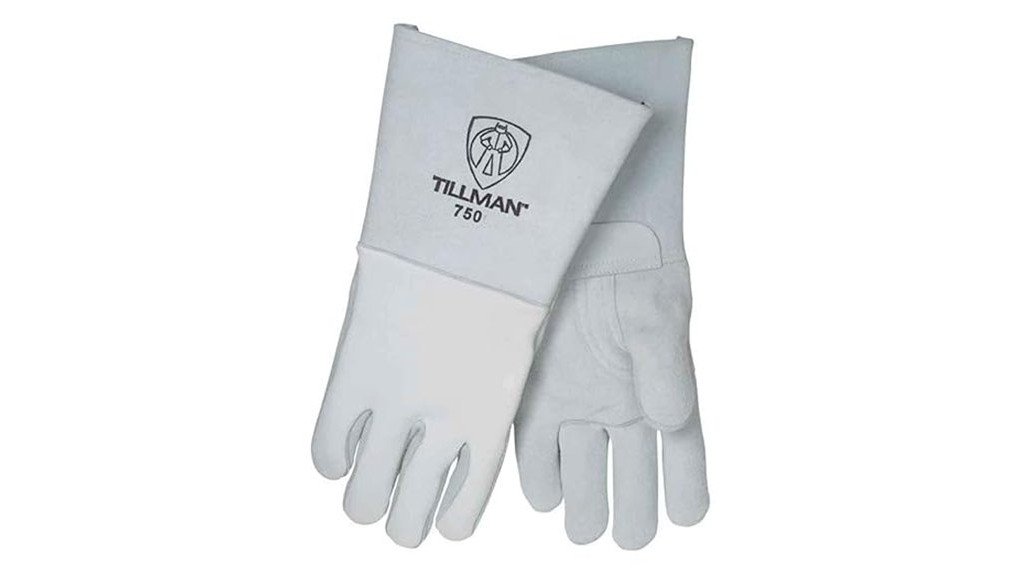
Stick welding can expose your hands to heat, sparks, spatter, and repeated abrasion, so glove construction matters as much as comfort. John Tillman welders gloves use premium elkskin construction with heat-focused features designed for demanding welding work. Their main strengths are flexible leather, reinforced stitching, and a design that balances protection with enough palm feel to control your electrode holder. The main concern is fit, since choosing the wrong size can reduce both comfort and dexterity.
Quick Verdict
Rating: Recommended with caveats
Best For: Stick welders who want a softer elkskin glove with reinforced seams and better palm dexterity than heavily padded designs.
Bottom Line: These Tillman gloves combine supple elkskin, welted fingers, reinforced thumb construction, and Kevlar stitching for demanding stick-welding work. They are a strong choice when heat protection and electrode control both matter, but you should confirm the exact size and Amazon variant before ordering.
Key Specifications
| Specification | Detail |
|---|---|
| Brand | Tillman / John Tillman Co. |
| Product type | Premium elkskin welding gloves |
| Primary application | Stick welding |
| Main material | Top-grain elkskin leather |
| Back lining | Cotton/foam lining for added heat protection |
| Palm | Unlined for improved dexterity |
| Stitching | DuPont Kevlar thread |
| Finger construction | Welted fingers to help protect stitching |
| Thumb | Reinforced thumb construction |
| Best use | Heat-intensive stick-welding and fabrication work where protection and grip both matter |
What Are John Tillman Welders Gloves Made Of?
John Tillman premium welding gloves in this elkskin line are built around top-grain elkskin leather. Elkskin is valued in welding gloves because it can remain comparatively soft and flexible after repeated exposure to heat, helping you maintain a more natural grip than you may get from a very stiff leather glove.
The construction also uses a cotton and foam-lined back for added heat protection while leaving the palm unlined for better feel and dexterity. This combination is especially useful for stick welding, where your glove still needs enough protection for sparks and radiant heat without making electrode control unnecessarily awkward.
Key Takeaways
- Top-grain elkskin gives you a balance of flexibility, heat resistance, and durability.
- A cotton/foam-lined back adds protection while the unlined palm preserves more hand feel.
- DuPont Kevlar stitching helps strengthen seams exposed to heat and abrasion.
- Welted fingers and a reinforced thumb address areas that commonly see wear during welding.
- These gloves make the most sense for stick welding rather than highly delicate TIG work.
- Fit matters, so check the Tillman sizing information for the exact variant you are buying.
Who Should Buy It?
Best For
- Stick welders who regularly work around sparks, spatter, and radiant heat.
- Fabricators who prefer a softer leather glove instead of a very stiff cowhide design.
- Buyers who want reinforced seams without giving up all palm dexterity.
Skip If
- You mainly perform fine TIG work and need maximum fingertip sensitivity.
- You cannot confirm that the available size matches your hand measurements.
- You need a glove certified for a specific workplace requirement not stated on the product listing.
Before You Buy: Check the exact model and size shown on the Amazon listing before ordering. Tillman sells several similar premium elkskin welding gloves, and their available sizes and colors can differ by model.
Key Features That Enhance Comfort and Durability
Top-Grain Elkskin Construction
The biggest selling point is the elkskin leather. Compared with a hard, heavily insulated glove, the softer feel can make it easier to close your hand around an electrode holder or reposition your grip during a weld.
That does not mean the leather is heatproof. It is still protective equipment that can wear, scorch, or become damaged with enough exposure. Its advantage is the balance between heat-oriented protection and usable flexibility.
Kevlar Stitching and Welted Fingers
The gloves use DuPont Kevlar stitching, which is well suited to areas exposed to heat and abrasion. Welted finger construction adds a leather barrier around vulnerable seams, helping reduce direct exposure of the stitching to sparks and rubbing.
This design matters because seam failure can end the useful life of an otherwise serviceable leather glove. Reinforcing the seams and fingers addresses that weak point directly.
Reinforced Thumb
The thumb receives reinforcement because this area takes considerable stress while you grip a holder, move material, or repeatedly open and close your hand. Extra reinforcement can help reduce premature wear while maintaining a usable gripping shape.
Lined Back and Unlined Palm
Instead of putting thick insulation throughout the entire glove, the design places cotton/foam lining on the back while keeping the palm unlined. This gives the back of your hand extra heat protection while allowing your palm to retain more tactile feedback.
Pro Tip: Do not choose an oversized welding glove simply because it feels easier to put on. Excess material around your fingers can reduce electrode control and may make the glove feel more cumbersome during longer jobs.
How It Performs in Real Use
For Stick Welding
This is where the design makes the most sense. Stick welding produces significant heat, sparks, and spatter, so the lined back, leather construction, welted fingers, and reinforced seams all address practical demands of the process.
The unlined palm also helps keep the glove from feeling completely insulated from the electrode holder. You still get a substantial welding glove, but with more attention paid to grip and control.
For Longer Fabrication Sessions
During repeated welding cycles, a glove that becomes extremely stiff can increase hand fatigue. Elkskin’s comparatively supple feel is useful when you need to repeatedly grip, reposition, and release tools throughout the day.
Heat exposure will still affect any leather glove over time, so inspect the material and seams regularly rather than assuming flexibility means the glove is still safe.
For MIG Welding
You may find this type of glove usable for some MIG work when additional heat protection is more important than fine fingertip feel. However, it is primarily designed around stick-welding demands, so a dedicated MIG glove may feel less bulky for lighter work.
For TIG Welding
These are generally not the first choice when you need precise filler-rod control. TIG gloves are normally thinner and more sensitive at the fingers. If most of your work is TIG, prioritize a glove designed specifically for that process rather than choosing a heavier stick glove simply for added insulation.
How to Select the Right Size for Your John Tillman Gloves
Correct sizing affects safety, grip, and fatigue. A glove that is too tight can restrict movement, while one that is too loose can leave extra leather around your fingertips and make precise control more difficult.
- Measure your hand: Measure around the widest part of your palm without including your thumb.
- Check the exact model: Tillman offers several similar elkskin glove variants, so use the sizing information for the model shown on the listing.
- Check finger length: Your fingertips should reach comfortably into the glove without excessive empty space.
- Test your grip: You should be able to close your hand around your welding equipment without the leather bunching excessively.
If you can try the gloves on at a welding supply store before ordering online, that can help you identify the Tillman size that fits your hand shape best.
Material Safety and Welding Protection
Welding gloves are only one part of your protective equipment. You should still use the eye, face, body, and respiratory protection required for your welding process and workplace conditions.
Inspect your gloves before each use. Stop using them if you see holes, burned-through areas, major seam damage, severe hardening, or other wear that exposes your skin. Do not assume a glove is safe merely because the outer leather still looks intact.
You should also avoid treating welding gloves as general-purpose protection against every hot object, sharp edge, chemical, or machine hazard. Follow the product instructions and your workplace safety requirements for the task you are performing.
Pros and Cons
Pros
- Top-grain elkskin offers a useful balance of flexibility and welding protection.
- Cotton/foam-lined back adds heat protection without lining the entire palm.
- Unlined palm supports better grip and dexterity.
- Welted fingers help shield vulnerable seams from abrasion and heat.
- Kevlar stitching and reinforced thumb construction target common wear areas.
Cons
- A stick-welding glove can feel too bulky for delicate TIG work.
- Fit depends on selecting the correct Tillman model and size.
- The unlined palm favors dexterity, so buyers wanting maximum insulation throughout the glove may prefer a more heavily lined design.
Care and Maintenance
Good glove care starts with avoiding unnecessary contamination. Brush or wipe away loose dirt and debris after use, and follow the manufacturer’s care instructions before applying cleaners or leather treatments.
Let damp gloves dry naturally in a ventilated area rather than placing them directly against a strong heat source. Excessive drying heat can affect leather condition and shape.
Most importantly, inspect high-wear areas such as the thumb, fingertips, palm, and seams. Welding gloves are consumable protective equipment, so replacement is the right choice once damage affects protection.
Is It Worth the Price?
John Tillman’s premium elkskin welding gloves sit above basic split-leather gloves in material quality and construction. You are paying for features such as supple elkskin, Kevlar stitching, welted fingers, reinforcement, and a lining strategy designed to preserve more palm dexterity.
That makes them worth considering if you weld regularly and dislike gloves that become overly stiff or make it difficult to control your holder. A cheaper cowhide glove may still make more sense for occasional welding, especially when maximum dexterity is not a priority.
The value also depends heavily on fit. Even a well-built welding glove becomes a poor purchase if the fingers are too long, the palm is too tight, or the available Amazon variant is not the model you expected.
How It Compares to Alternatives
If you want to compare other premium elkskin options, the Caiman 1485 is designed for MIG and stick welding with an elkskin palm, insulated back, and Kevlar stitching. The Steiner 8502 is another elkskin stick-welding glove with a foam-insulated back, unlined palm, welted construction, and extended cuff.
The Tillman option makes the most sense if you specifically want Tillman’s established elkskin stick-glove design and its combination of a lined back, unlined palm, reinforced thumb, welted fingers, and Kevlar stitching. Compare fit and the exact model offered before treating any of these gloves as interchangeable.
Frequently Asked Questions
Are John Tillman elkskin gloves mainly for stick welding?
Yes. The premium Tillman elkskin construction described here is primarily associated with stick-welding gloves. Their lining, cuff coverage, welted fingers, and reinforced construction are designed around the higher heat and spatter common with stick welding.
Do these gloves have a fully insulated palm?
No. The design uses a cotton/foam-lined back while leaving the palm unlined. The purpose is to provide added protection on the back of your hand while preserving better grip and dexterity through the palm.
Can you use John Tillman stick gloves for TIG welding?
You may be able to wear them, but they are not the best choice when fine filler-rod control is your priority. Dedicated TIG gloves are normally thinner and provide better fingertip sensitivity.
Why are the fingers welted?
Welted fingers place additional leather around vulnerable seam areas. This helps protect stitching from abrasion, sparks, and heat exposure that can otherwise shorten glove life.
How should you choose the correct size?
Measure around the widest part of your palm and compare that measurement with the sizing guidance for the exact Tillman model being sold. You want secure finger placement and a comfortable palm without excessive loose leather.
When should welding gloves be replaced?
Replace them when you find holes, severe burns, damaged seams, worn-through leather, or other damage that reduces protection. Inspect the thumb, fingertips, palm, and seams before you begin welding.
What should you check before ordering from Amazon?
Confirm the model, size, color, and package details displayed on the current listing. Tillman sells several similar premium elkskin welding gloves, so checking the exact variant prevents you from ordering based only on a general product description.
The Bottom Line
John Tillman premium elkskin welders gloves are a strong option if you primarily need stick-welding protection but still care about grip and hand flexibility. The top-grain elkskin, lined back, unlined palm, welted fingers, reinforced thumb, and Kevlar stitching create a practical combination, while buyers who mainly perform fine TIG work or cannot confirm the correct size should consider another option.
Ready to Buy?
Check the exact model, size, latest price, and product details before you decide.