Disclosure: As an Amazon Associate, we earn from qualifying purchases. If you click a link on this page and make a purchase, we may receive a small commission at no extra cost to you.
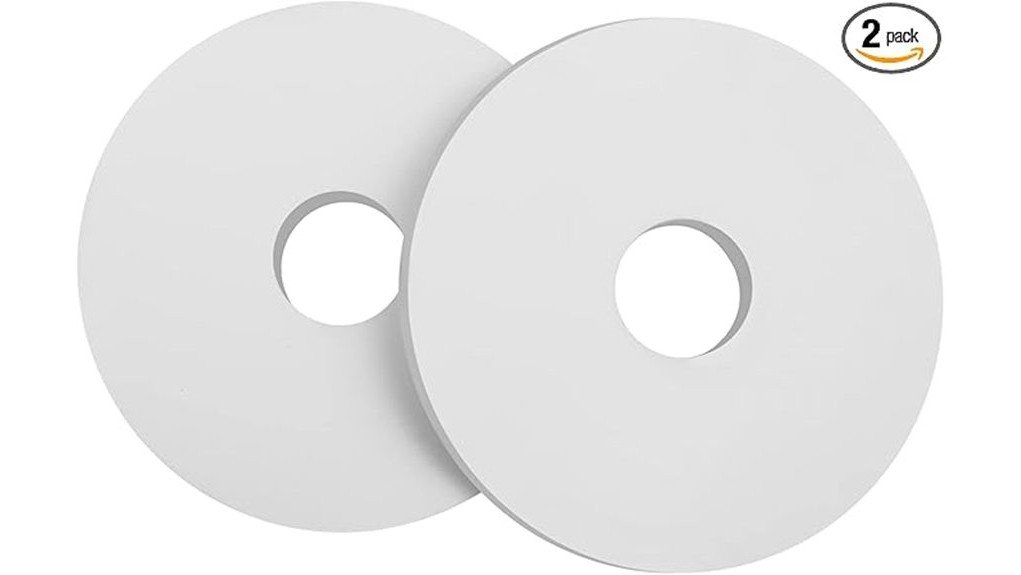
When you work with a torch, solder, or hot metal, your bench needs a surface that can handle concentrated heat without putting the surrounding workspace at unnecessary risk. The Nelyrho 2-Pack Ceramic Soldering Boards are compact heat-resistant boards intended for soldering, casting-related bench work, welding support, and other high-temperature metalworking tasks. Their main strengths are the two-board package, compact dimensions, and a listed heat-resistance rating of up to 3000°F. The main limitation is that they are support surfaces, not a furnace, crucible, torch shield, or complete fireproof workstation.
Quick Verdict
Rating: Recommended with caveats
Best For: Hobbyists, jewelry makers, metalworkers, and workshop users who need a compact heat-resistant surface for small torch and soldering jobs.
Bottom Line: The Nelyrho boards give you a compact two-piece setup for high-temperature bench work and are listed to tolerate temperatures up to 3000°F. They make the most sense for controlled small-scale work, but you still need a larger nonflammable workstation and the correct equipment for the metal process you are performing.
Key Specifications
| Specification | Detail |
|---|---|
| Brand | Nelyrho |
| Product type | Ceramic soldering board / quartz fire brick |
| Package quantity | 2 boards |
| Outer dimension | 140 mm |
| Inner dimension | 35 mm |
| Thickness | 13 mm |
| Listed heat resistance | Up to 3000°F |
| Listed weight | 1.28 lb |
| Best use | Small soldering, metalworking, welding-support, and casting-related bench tasks |
| Important limitation | A work surface only. It does not replace a crucible, furnace, forge, torch shield, or larger fire-resistant bench surface. |
Key Takeaways
- You get two compact ceramic soldering boards rather than a single work surface.
- The boards measure 140 mm outer, 35 mm inner, and 13 mm thick.
- The product is listed for heat resistance up to 3000°F, making it suitable for high-temperature bench applications within its intended use.
- The compact format works best for small components and controlled torch work rather than large fabrication jobs.
- You should still place the boards on a larger nonflammable surface and follow normal hot-work safety practices.
What Are Nelyrho Ceramic Soldering Boards?
The Nelyrho Ceramic Soldering Boards are specialized heat-resistant work surfaces sold as a two-pack. The product is described as a ceramic soldering board and quartz fire brick for high-temperature tasks such as soldering, metal casting work, melting-related bench preparation, and welding support.
Each board has a listed outer dimension of 140 mm, an inner dimension of 35 mm, and a thickness of 13 mm. That compact footprint is useful when you are working with jewelry components, small metal pieces, solder joints, or other projects that do not require a large fabrication table.
The most important point is what the product does not do. A soldering board provides a heat-resistant place to position your work. It does not supply heat, contain molten metal, replace a crucible, or turn an ordinary tabletop into a fully protected hot-work station.
Before You Buy: Do not treat the 3000°F listing claim as permission to place the board on a combustible bench or expose nearby objects to flame. Use it as one part of a properly prepared nonflammable work area.
Who Should Buy It?
Best For
- Jewelry makers and hobbyists handling small soldering jobs.
- Metalworkers who want two compact heat-resistant surfaces for bench work.
- Users performing controlled torch, brazing, casting-preparation, or small-component welding tasks.
Skip If
- You need a large surface for fabrication or long workpieces.
- You need a furnace, crucible, forge lining, or complete welding table rather than a small support board.
- You expect one board to protect a combustible bench from every possible hot-work hazard.
Heat Resistance and Thermal Performance
The headline specification is a listed maximum temperature of up to 3000°F. For you as a buyer, that matters because soldering and torch work can concentrate a large amount of heat into a small area. A purpose-made heat-resistant board gives you a more appropriate working surface than an ordinary household tabletop.
The practical benefit is not simply surviving heat. A stable ceramic surface also gives you a dedicated place to position small parts while you concentrate on torch direction, joint placement, solder flow, and tool control.
You should still match the board to the job. Large molten-metal pours, forge operations, or heavy welding processes involve hazards that go well beyond the capabilities of a small soldering board.
Size, Workspace, and Build
With a 140 mm outer dimension and 13 mm thickness, these boards are aimed at compact jobs. That size is easy to fit into a jewelry bench, hobby work area, or small metalworking station without taking over the entire workspace.
The two-pack is also useful when you want a spare board or prefer to keep separate work surfaces available for different tasks. You may also find it more convenient than repeatedly moving one hot board around the bench.
The tradeoff is obvious: a compact board gives you less room for larger assemblies. Before ordering, compare the 140 mm working size with the parts you normally solder or heat.
Pro Tip: Measure your most common workpieces before ordering. A heat-resistant board can have an excellent temperature rating and still be frustrating if your parts regularly extend beyond its working area.
How to Use Nelyrho Boards Correctly
Start by placing the board on a larger, stable, nonflammable work surface. Clear away paper, solvents, plastics, sawdust, fuel containers, and other combustible materials before lighting a torch or heating metal.
Position the part so it sits securely and does not rock or extend into an unsafe area. Keep the torch flame directed only where required for the process. The board should support the work while you maintain control of your tools and heat source.
For melting or casting projects, use the board only as an appropriate support or staging surface when the process calls for one. Molten metal belongs in a crucible or other equipment designed for that purpose. Do not attempt to use the ceramic board itself as a melting vessel.
Setup Tips Before First Use
- Inspect both boards for shipping damage, deep cracks, or broken edges.
- Place the board on a larger fire-resistant or nonflammable base.
- Check that your workpiece fits fully within the usable area.
- Arrange your torch, tweezers, tongs, solder, and other tools before heating begins.
- Keep a safe cooling area available for hot tools and finished pieces.
How It Performs in Real Use
For Jewelry and Small-Part Soldering
The compact dimensions are a natural fit for rings, small fittings, wire pieces, and similar components. You get a dedicated heat-resistant surface without needing a large bench accessory for every minor job.
For Repeated Workshop Tasks
The two-board package can be more practical than a single board when you regularly move between projects. One board can cool while the second is available for another task, provided both are handled and stored safely.
For Casting Preparation
The boards can serve as part of a heat-resistant work area when you prepare small casting components or handle hot tools. They should not be confused with the crucible, mold, furnace, or other equipment responsible for containing molten metal.
For Welding or Brazing Support
For small, controlled jobs, a heat-resistant ceramic surface can help isolate the workpiece from the ordinary bench beneath it. The limited board size makes it less suitable for large fabrication, long pieces, or jobs that produce a wide heat or spark zone.
Compatibility and Safety
The boards are marketed for high-temperature metalworking, but the right setup depends on your torch, metal, filler material, flux, and process. Follow the instructions supplied with your torch and other equipment rather than relying on the board’s temperature claim alone.
Wear the protective equipment appropriate for the work you are doing. Eye protection, suitable clothing, ventilation, and heat-resistant handling tools may all be necessary depending on the process. Never touch the board immediately after heating just because the surface no longer glows or looks hot.
Inspect the board over time. If it develops serious cracks, crumbling areas, or damage that makes the workpiece unstable, stop using that board until you can determine whether it remains suitable for the job.
Cleaning and Maintenance
Let the board cool completely before cleaning it. Once cool, remove loose solder, flux residue, or debris gently rather than striking the ceramic or using aggressive methods that could damage the surface.
Avoid sudden temperature changes, such as placing a hot board in water. Thermal shock can damage many heat-resistant materials even when they tolerate very high operating temperatures.
Store the boards where they will not be dropped or crushed by heavier tools. Their value comes from providing a flat, stable work area, so chipped or fractured surfaces deserve attention before the next hot-work session.
Pros and Cons
Pros
- Two heat-resistant boards are included in the package.
- Listed heat resistance reaches up to 3000°F.
- Compact 140 mm format suits small metalworking and soldering jobs.
- 13 mm thickness provides a substantial dedicated work surface.
- Useful for soldering, casting-related bench work, and other controlled high-temperature applications.
Cons
- The compact size is limiting for larger workpieces or fabrication jobs.
- The board does not replace a proper fire-resistant workstation, crucible, furnace, or forge.
- The maximum temperature and other listing claims should not replace the operating limits of your torch, metal, or other equipment.
Is It Worth the Price?
Because current pricing can change and was not independently verified for this review, it is better to judge value by the two-board package, dimensions, and intended use rather than by labeling it budget or premium. The set is worth considering if you regularly need a compact heat-resistant surface and would benefit from having two boards available.
You get less value if your projects are usually larger than the 140 mm working area or if you actually need equipment for melting, forging, or large-scale welding. In those cases, buying a more suitable workstation or process-specific accessory is more important than the high listed temperature rating.
How It Compares to Alternatives
Traditional honeycomb ceramic soldering boards are another option, especially when you want holes that can accept pins or wire for positioning small jewelry components. A 4-inch JTS honeycomb ceramic board, for example, is built around that perforated layout, while other jewelry-work boards combine honeycomb surfaces with positioning pins.
Charcoal and magnesia soldering blocks are also used at metalworking benches, but they handle and reflect heat differently. The Nelyrho set makes the most sense when your priority is a simple two-piece ceramic work surface with the listed 140 mm dimensions and high-temperature rating rather than a specialized pin-holding or charcoal-style surface.
Frequently Asked Questions
How hot can the Nelyrho ceramic soldering boards get?
The product is listed with heat resistance up to 3000°F. Treat that as a product specification, not a substitute for the temperature limits and safety instructions of your torch, metal, solder, flux, or other equipment.
What size are the Nelyrho soldering boards?
The listed dimensions are 140 mm outer, 35 mm inner, and 13 mm thick. Check those measurements against your normal workpieces before buying, especially if you regularly solder larger assemblies.
Can I melt metal directly on these boards?
Do not treat the board as a crucible or melting container. For melting and casting, use equipment specifically designed to heat and contain molten metal, while using the board only as an appropriate support surface when the process calls for one.
Can I put the board directly on a wooden workbench?
A safer setup is to use the board on a larger nonflammable or fire-resistant work surface. A small soldering board should not be your only protection between torch work and combustible furniture.
How should I clean the board after soldering?
Allow it to cool fully first. Remove loose residue carefully with a suitable non-aggressive tool, and avoid dropping, striking, or rapidly cooling the hot ceramic in water.
Who should skip the Nelyrho 2-pack?
Skip it if most of your workpieces are larger than the 140 mm board or if you need a furnace, forge, large welding table, crucible, or complete hot-work station. The product is best treated as a compact bench accessory.
The Bottom Line
The Nelyrho 2-Pack Ceramic Soldering Boards are worth considering when you need two compact heat-resistant work surfaces for small soldering and metalworking projects. Their main strength is the combination of a 140 mm format and listed heat resistance up to 3000°F, while their main limitation is the small working area and the need for a properly prepared nonflammable workstation around them.
If those dimensions suit your projects and you understand that the boards are support surfaces rather than complete melting or welding equipment, this set earns a Recommended with caveats verdict.
Ready to Buy?
Check the latest price, package details, and current product information before you decide.