Disclosure: As an Amazon Associate, we earn from qualifying purchases. If you click a link on this page and make a purchase, we may receive a small commission at no extra cost to you.
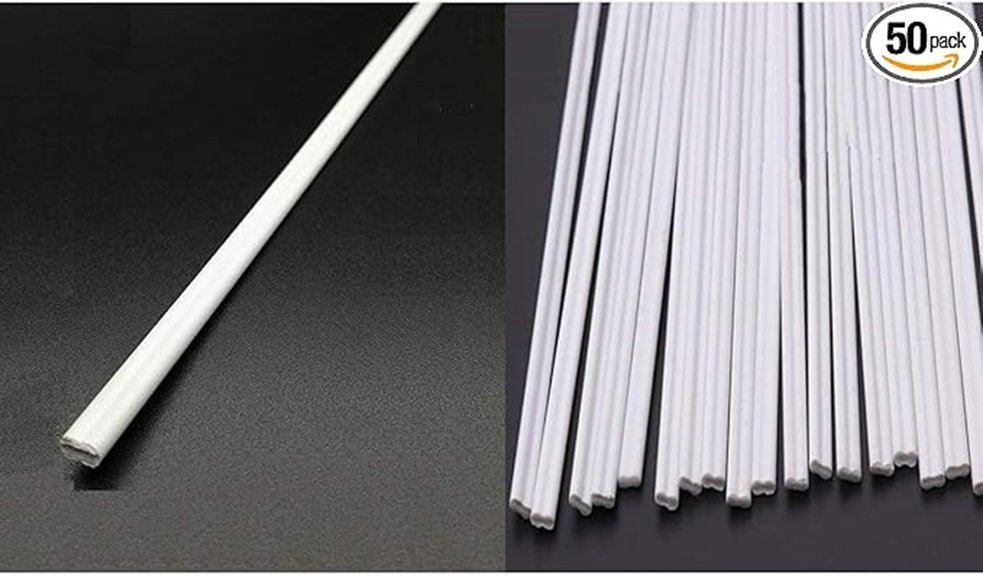
Plastic welding works best when your filler material matches the plastic you are repairing. The Eliphs White PVC Plastic Welding Rods give you 50 rectangular PVC strips measuring 0.1 × 0.2 × 12.5 inches each, with roughly 52 feet of material in the package. They are designed mainly for PVC fabrication and repair work, including PVC plates, pipe fittings, plastic containers, appliance parts, and selected automotive components. The main limitation is compatibility: you should identify the base plastic before assuming a PVC rod will create a dependable weld.
Quick Verdict
Rating: Recommended with caveats
Best For: DIYers, repair shops, fabricators, and hobbyists working with compatible PVC parts.
Bottom Line: You get 50 consistent white PVC strips in a practical rectangular profile, giving you plenty of filler material for repeated PVC jobs. The tradeoff is that material identification and correct heat control matter, so these rods are not a universal solution for every plastic.
Key Specifications
| Specification | Detail |
|---|---|
| Brand | Eliphs |
| Product Type | PVC plastic welding rods |
| Material | PVC |
| Color | White |
| Quantity | 50 pieces |
| Individual Strip Size | 0.1 × 0.2 × 12.5 inches |
| Total Listed Length | About 52 feet |
| Profile | Rectangular rod |
| Listed Item Weight | 0.25 kg |
| Grade | Industrial |
| Manufacturer | Eliphs |
| ASIN | B07VGZRM88 |
| Best Use | Compatible PVC fabrication and repair work |
What Is the Eliphs White PVC Plastic Welding Rod Set?
This Eliphs set is a supply of PVC filler strips for plastic welding. Instead of receiving one continuous coil, you get 50 separate 12.5-inch pieces. The Amazon listing describes them as PVC raw material formed through heating, melting, and extrusion, with a white color and rectangular profile.
The listed applications include welding PVC plates, making or repairing pipe fittings and plastic containers, and working with PVC components found in automotive, appliance, lawn, and horticultural equipment. That makes the set most useful when you already know the workpiece is PVC and need additional compatible filler material.
Key Takeaways
- You receive 50 individual PVC strips, each measuring 0.1 × 0.2 × 12.5 inches.
- The package provides approximately 52 feet of total welding material.
- The rods are white and have a rectangular profile.
- The listing describes the PVC as resistant to wear, corrosion, acids, alkalis, and low temperatures.
- The most important buying requirement is matching the filler rod to a compatible PVC workpiece.
- You still need suitable plastic-welding equipment, safe heat control, ventilation, and normal hot-work precautions.
Who Should Buy It?
Best For
- DIY users repairing known PVC components.
- Fabricators who want multiple short filler strips instead of one continuous rod.
- Automotive, appliance, and workshop users who regularly encounter compatible PVC parts.
Skip If
- You have not identified the plastic you need to weld.
- Your workpiece is polyethylene, polypropylene, ABS, or another plastic requiring a different filler material.
- You need a certified repair method for a safety-critical or pressure-containing component.
Before You Buy: Do not choose welding rod only by color or appearance. Confirm that the base material is compatible PVC first. A rod that melts does not automatically mean it will form a reliable weld with a different plastic family.
Build Quality and Materials
The rods are made from PVC raw material and are listed as industrial grade. Eliphs describes the material as having wear resistance, low-temperature resistance, corrosion resistance, acid and alkali resistance, and good self-lubrication. The manufacturing description also notes a uniform white color and smooth surface appearance.
The rectangular 0.1 × 0.2-inch cross section is worth noting because filler profile affects how the material feeds into a joint. You may find a flat rectangular strip easier to position along some seams than a round rod, but the correct choice depends on your welder, joint geometry, and workpiece.
Fit and Compatibility
Compatibility is more important than the package length. These are PVC rods, so PVC should be your primary target material. Although the listing uses broad wording about plastic welding, you should not assume that PVC filler is suitable for unrelated plastics such as ABS, polyethylene, or polypropylene.
When possible, look for an identification mark on the original component before welding. Automotive and molded plastic parts may have a material code on the back. Matching the filler material to the substrate gives you a much better starting point than choosing a rod based only on similar color or texture.
Pro Tip: Keep a short labeled sample of your known PVC rod separate from other filler materials. When you work with several plastics, clear labeling helps prevent accidentally feeding ABS, PP, PE, or another rod into a PVC repair.
How to Use PVC Welding Rods Correctly
Good plastic welding depends on surface preparation, material compatibility, heat control, and steady technique. Your plastic welder’s instructions should always take priority because different tools use different airflow, nozzle, and temperature settings.
- Identify the plastic: Confirm that the workpiece is compatible PVC before selecting the filler rod.
- Clean the joint: Remove dirt, grease, loose material, paint, and contamination that could weaken the weld.
- Prepare the damaged area: Shape or groove the joint only as required by the repair method and tool instructions.
- Test on scrap when possible: A spare piece lets you judge heat and feeding technique without damaging the finished part.
- Heat gradually: Warm the workpiece and filler according to your plastic welder’s directions. Avoid excessive heat that causes burning, heavy discoloration, or distortion.
- Feed steadily: Maintain controlled pressure and movement so the filler bonds along the joint rather than piling up in one location.
- Allow the repair to cool: Do not load, bend, grind, or finish the weld until the repaired area has cooled adequately.
A plastic weld is not just melted filler sitting on top of a surface. You want controlled fusion between compatible materials. If the rod beads up, pulls away easily, or does not blend with the workpiece, stop and recheck the material type and process.
How It Performs in Real Use
For PVC Sheet and Plate Work
The rectangular strips are well suited to jobs where you need to feed filler along a prepared PVC seam. With 50 individual pieces, you can work in sections without cutting material from a large continuous spool first.
For Pipe Fittings and Plastic Containers
The manufacturer lists pipe fitting fabrication and plastic containers among the intended uses. These rods can therefore make sense for compatible non-critical PVC fabrication and repair. For pressure plumbing, potable-water systems, regulated installations, or other critical applications, follow applicable codes and use an approved repair method rather than assuming a hand-welded patch is acceptable.
For Automotive and Appliance Parts
The listing identifies automotive and appliance applications involving PVC components, including ventilation-related parts and liners. These jobs can benefit from having many short strips available, but you should still verify the molded plastic marking because vehicles and appliances often use several different plastics in nearby components.
For Lawn and Workshop Equipment
PVC components may also appear in consumer and horticultural equipment. For a cracked compatible cover, housing, duct, or similar non-critical component, the rods give you a reusable supply instead of requiring a new filler purchase for every small job.
Material Safety and Workshop Use
The Amazon listing describes the PVC material as non-toxic and clean. That description should not be interpreted as meaning hot plastic welding is fume-free or that ventilation is unnecessary. Heating and welding operations should be performed with appropriate ventilation and the protective equipment required by your tool and workplace instructions.
Keep your face away from fumes, protect your eyes and hands, and treat the welding nozzle and recently heated plastic as burn hazards. Avoid overheating the PVC, and do not use a hot-air or plastic-welding tool near flammable materials. If you use the product professionally, follow the exposure-control requirements that apply to your workplace.
You should also avoid using an improvised plastic weld where failure could create a serious safety hazard. Structural, pressure-containing, electrical-safety, vehicle-safety, or regulated components may require a manufacturer-approved repair or complete replacement.
Pros and Cons
Pros
- 50 individual 12.5-inch PVC strips provide roughly 52 feet of total material.
- Rectangular 0.1 × 0.2-inch profile can be convenient for feeding along prepared seams.
- White PVC works well when you need filler material for compatible white PVC parts.
- Listing specifies wear, corrosion, acid, alkali, and low-temperature resistance.
- Suitable for several listed PVC fabrication categories, including plates, fittings, containers, automotive parts, and appliances.
Cons
- You must identify the workpiece material correctly before welding.
- The rods do not replace the plastic welder, suitable nozzle, preparation tools, or safety equipment.
- No verified UV-resistance specification or certified structural-repair rating is provided on the listing.
Is It Worth the Price?
Because selling price and offer status can change, the most useful way to judge value is by the amount and format of material you receive. This package contains 50 pieces and about 52 feet of PVC filler in total, which can be useful if you expect to complete several PVC jobs instead of a single tiny repair.
It is worth considering if you specifically need white PVC filler and prefer a rectangular strip. It is less attractive if you rarely weld PVC or need several different plastic types, since a mixed material kit or a rod matched to another substrate may give you better practical value.
Before ordering, compare the current Amazon price with the total quantity, the profile you need, and the amount of PVC work you actually expect to do. A cheaper rod is not a better buy if its material or shape does not suit your project.
How It Compares to Alternatives
The Polyvance R09 PVC Welding Rod is another option for pure PVC work. It uses gray, 1/8-inch round PVC rods and is offered as 30 pieces measuring 12 inches each. That makes it worth comparing when you prefer a conventional round profile or gray filler instead of the Eliphs rectangular white strips.
Polyvance also sells an R17 Acrylic/PVC Welding Rod, but that product is made for an acrylic/PVC blend rather than ordinary PVC. It is a useful reminder that plastics that look similar can require different filler materials. The Eliphs set makes the most sense when your workpiece is compatible PVC and you specifically want its white rectangular format.
Frequently Asked Questions
How many PVC welding rods are included?
The package contains 50 individual PVC welding strips. Each strip is listed at 12.5 inches long, which corresponds to roughly 52 feet of total material across the package.
What size are the individual rods?
Each strip is listed at 0.1 × 0.2 × 12.5 inches. The product details describe the rods as rectangular rather than round.
Can you use these rods on ABS, PP, or polyethylene?
You should not assume so. These rods are made from PVC, and good plastic-welding practice is to match the filler rod to the workpiece material. If your part is ABS, PP, PE, or another plastic, use filler intended for that material.
Are these PVC rods rated for outdoor repairs?
The listing describes corrosion and low-temperature resistance, but it does not provide a specific verified UV-weathering rating. For long-term outdoor exposure, judge suitability based on the complete repaired part, its environment, and any manufacturer requirements.
Do you need ventilation when welding PVC?
Yes. Do not treat a material-level “non-toxic” description as permission to breathe fumes created during hot work. Use suitable ventilation, follow your welding tool’s safety instructions, and use appropriate protective equipment.
Can you paint over the repaired area?
The product listing does not provide a verified paint-compatibility specification. If appearance matters, test your chosen plastic primer and coating on scrap PVC first and follow the coating manufacturer’s preparation instructions.
Who should skip these welding rods?
Skip them when you cannot confirm that your workpiece is compatible PVC, when you need another filler material, or when the damaged component requires a certified repair method. They are filler rods for plastic welding, not a universal adhesive or a substitute for replacing an unsafe component.
The Bottom Line
The Eliphs White PVC Plastic Welding Rods are a practical choice when you regularly repair or fabricate compatible PVC and want 50 white rectangular filler strips with roughly 52 feet of total material. They are recommended with caveats because their usefulness depends heavily on correct plastic identification, proper heat control, and safe welding technique.
If you know your workpiece is PVC and the 0.1 × 0.2-inch rectangular profile suits your welding method, this set is worth considering. If you are uncertain about the plastic type or need a certified safety-critical repair, identify the material or use an approved professional repair method first.