Disclosure: As an Amazon Associate, we earn from qualifying purchases. If you click a link on this page and make a purchase, we may receive a small commission at no extra cost to you.
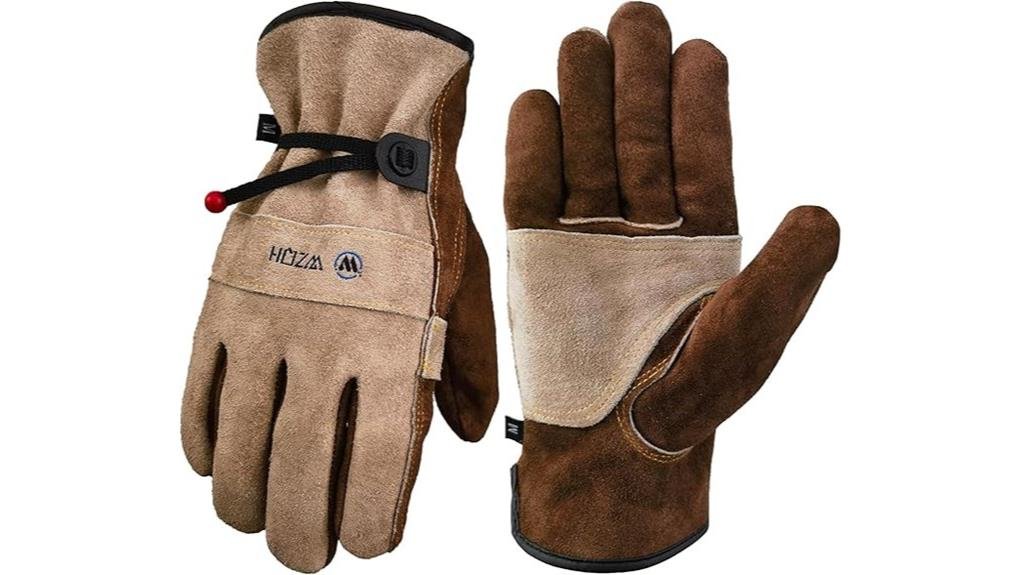
Rough yard work, thorny plants, lumber, and shop debris can wear through thin gloves fast. These leather work gloves use 100% split cowhide leather, a cotton lining, reinforced palms, and an adjustable wrist to give you stronger everyday hand protection. This review helps you decide if they fit your gardening, landscaping, DIY, construction, or light shop needs. The main benefit is durable leather coverage, while the main caution is that they should not replace certified heat, cut, chemical, electrical, or welding PPE unless the current product label confirms that use.
Quick Verdict
Rating: Recommended with caveats, 8/10 editorial score
Best For: Gardeners, homeowners, landscapers, and DIY users who need thicker leather protection for abrasive or thorny jobs.
Bottom Line: These gloves are worth considering if you want split cowhide leather, a cotton lining, reinforced palms, and multiple size choices. Skip them if you need verified safety ratings or a thin glove for delicate tasks.
| Specification | Detail |
|---|---|
| Product type | Leather work gloves |
| Material | 100% split cowhide leather |
| Lining | Cotton lining |
| Palm design | Reinforced palm |
| Wrist design | Adjustable wrist to help reduce dirt entry |
| Size range | XSmall, Small, Medium, Large, XLarge, and 2XLarge |
| Color noted | Coffee grey |
| Best use | Gardening, landscaping, construction tasks, DIY projects, yard work, and light shop work |
What Are These Leather Work Gloves?
These are general-purpose leather work gloves made for rough jobs where thin cloth gloves may not offer enough protection. The 100% split cowhide leather helps resist abrasion from wood, soil, stone, wire, tools, and other rough surfaces.
The cotton lining softens the inside, the reinforced palm adds durability where the glove wears fastest, and the adjustable wrist helps limit dirt, mulch, and small debris from sliding inside. Treat them as durable work gloves, not as specialized PPE for every hazard.
Before You Buy: Check the size chart and current product listing before ordering. A loose leather glove can reduce grip, while a tight glove can limit finger movement and comfort.
Who Should Buy It?
Best For
- Gardeners working around roses, cactus, weeds, brush, and rough stems.
- Homeowners doing yard cleanup, landscaping, hauling, and weekend DIY projects.
- Users who want split cowhide leather with a lined interior and reinforced palm.
Skip If
- You need certified welding gloves, flame-resistant PPE, or verified heat ratings.
- You handle chemicals, electrical hazards, wet concrete, or blades that require task-rated gloves.
- You need a thin glove for tiny fasteners, fine wiring, or delicate assembly.
Key Takeaways
- 100% split cowhide leather gives better abrasion resistance for rough work.
- The cotton lining improves comfort during longer yard, garage, or shop sessions.
- Reinforced palms protect the highest-wear area of the glove.
- The thorn-resistant design helps around roses, cacti, brush, and weeds.
- Size choices from XSmall to 2XLarge make fit checking important before purchase.
Material and Design Features
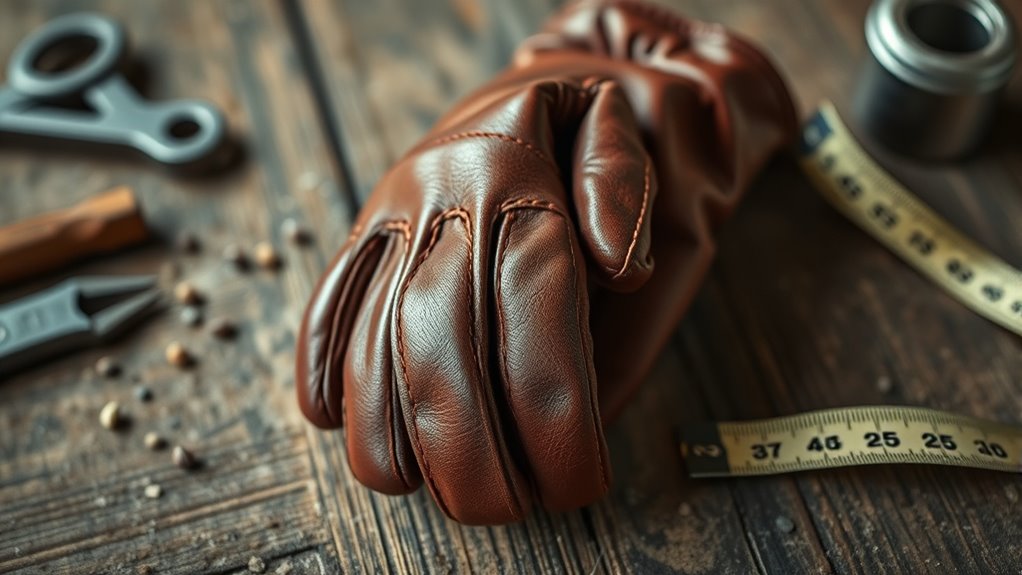
The main material is 100% split cowhide leather. Split cowhide is a practical choice for work gloves because it is tough, textured, and suited to repeated contact with rough surfaces.
The reinforced palm is the most useful design feature for lifting, pulling, carrying, and tool handling. The adjustable wrist also helps when you are digging, spreading mulch, or working close to the ground.
Comfort, Fit, and Dexterity
The cotton lining gives the gloves a softer interior than unlined leather. That helps during longer tasks, especially when you are gripping shovels, pruners, rakes, lumber, or hand tools.
Because these are leather gloves, they will not feel as thin or precise as nitrile-coated gloves. You get stronger protection, but you give up some fingertip feel for small parts and delicate work.
Thorn Proof and Wear Resistance
The thorn-resistant design is useful when you work around roses, cactus spines, blackberry vines, weeds, and dry brush. No glove should be treated as fully puncture-proof, but thick leather is a practical upgrade from light garden gloves.
The wear-resistant build also helps with repeated friction from pulling weeds, carrying rough lumber, loading rocks, and moving yard debris. Use care around nails, wire ends, and jagged metal, since those hazards can still pierce or damage gloves.
Versatile Applications
These gloves work best as a multi-use pair for gardening, landscaping, firewood handling, fence repair, garage projects, and basic construction chores. The leather body protects against rough surfaces, while the wrist design helps keep debris out.
For welding or hot work, be cautious. Leather can help around abrasion and brief spark-prone tasks, but regular welding or high-heat work calls for gloves with the correct safety rating, cuff length, and heat protection.
How It Performs in Real Use
For Gardening and Thorny Plants
The split cowhide leather gives you a stronger barrier against thorns and rough stems than thin fabric gloves. These gloves make sense for pruning, clearing brush, and pulling stubborn weeds.
For Yard Cleanup and Landscaping
The reinforced palm helps when you carry branches, move stones, drag bags, or grip rakes and shovels. They may feel warmer than fabric gloves, but that extra coverage is part of the protection.
For Construction and DIY Projects
For DIY tasks, they are useful for handling lumber, plywood, blocks, and rough hardware. Keep a thinner pair nearby when you need fine control over small screws or trim work.
For Light Shop Work
In a garage or workshop, they can help with carrying metal pieces and moving materials. Do not rely on them for chemicals, electrical work, blade contact, or high heat without a task-specific safety rating.
Fit Tips Before You Buy
Use the seller size chart before ordering. Leather gloves may soften with use, but they should not pinch your fingertips, restrict circulation, or bunch heavily in the palm.
Pro Tip: Measure around your dominant hand at the widest part of the palm, then test the gloves with your most-used tools before starting a long job.
Material Safety and Care
The cotton lining helps reduce direct friction between your hand and the leather. If you have a known sensitivity to leather, dyes, or glove linings, stop using the gloves if irritation appears.
For care, brush off dry dirt, wipe with a lightly damp cloth, and use mild soap only when needed. Let the gloves air dry at room temperature, then store them in a cool, dry place away from direct heat.
Pros and Cons
Pros
- Split cowhide leather gives strong abrasion resistance for rough tasks.
- Cotton lining improves comfort during longer work sessions.
- Reinforced palms add protection where gloves wear fastest.
- Thorn-resistant build helps with roses, cactus, brush, weeds, and branches.
- Multiple sizes help more users find a workable fit.
Cons
- No verified cut, chemical, heat, or welding certification was available from the article details.
- Leather may feel too bulky for small fasteners or precision tool work.
- Fit may require trial and error if you are between sizes.
Customer Satisfaction and Support
The article details note customer support and a satisfaction guarantee, which can add confidence if the current seller terms match. Check the live product page for the current return window, package details, size notes, and seller policy before ordering.
Is It Worth the Price?
These gloves look like a strong value for the price if you need everyday leather protection for yard work, gardening, landscaping, and DIY tasks. The best value comes from the mix of split cowhide leather, cotton lining, reinforced palms, and broad sizing.
They are not the best fit if you need certified safety ratings, waterproof protection, or high fingertip dexterity. Compare the current price by size before you decide, since availability and seller terms can change.
How It Compares to Alternatives
Compared with nitrile-coated work gloves, these leather gloves should offer better abrasion and thorn protection, but less fingertip feel. Nitrile-coated gloves may be better for grip, light dexterity, and quick warm-weather tasks.
Compared with goatskin driver gloves or long-cuff welding gloves, this pair is closer to a general outdoor and DIY glove. Goatskin can feel softer, while task-rated welding gloves are better when heat, sparks, or long cuffs matter most.
Frequently Asked Questions
Are these leather work gloves good for gardening?
Yes. They are a strong option for gardening tasks that involve thorns, weeds, brush, soil, and rough stems.
Can you use them for welding?
Use caution. Choose certified welding gloves for regular welding, high heat, or workplace safety requirements.
What sizes are available?
The article-supported size range includes XSmall, Small, Medium, Large, XLarge, and 2XLarge. Always check the seller size chart before ordering.
Are the gloves puncture-proof?
No glove should be treated as fully puncture-proof without a verified rating. These are best described as thorn-resistant and abrasion-resistant.
How should you clean and maintain them?
Brush off dry dirt, wipe with a lightly damp cloth, and air dry at room temperature. Store them in a cool, dry place away from direct heat.
Who should skip these gloves?
Skip them if you need waterproof, chemical-resistant, electrical, cut-rated, or certified welding gloves. They are also not ideal for tiny parts or very precise fingertip work.
The Bottom Line
These leather work gloves are a recommended-with-caveats choice for gardeners, homeowners, landscapers, and DIY users who want split cowhide leather, cotton lining, reinforced palms, and broad sizing. Their biggest strength is durable everyday hand protection, while their main limitation is the lack of verified task-specific safety ratings in the available article details.
Buy them for rough outdoor and shop chores, but choose specialized PPE if you need certified welding, cut, chemical, electrical, or waterproof protection.