Disclosure: As an Amazon Associate, we earn from qualifying purchases. If you click a link on this page and make a purchase, we may receive a small commission at no extra cost to you.
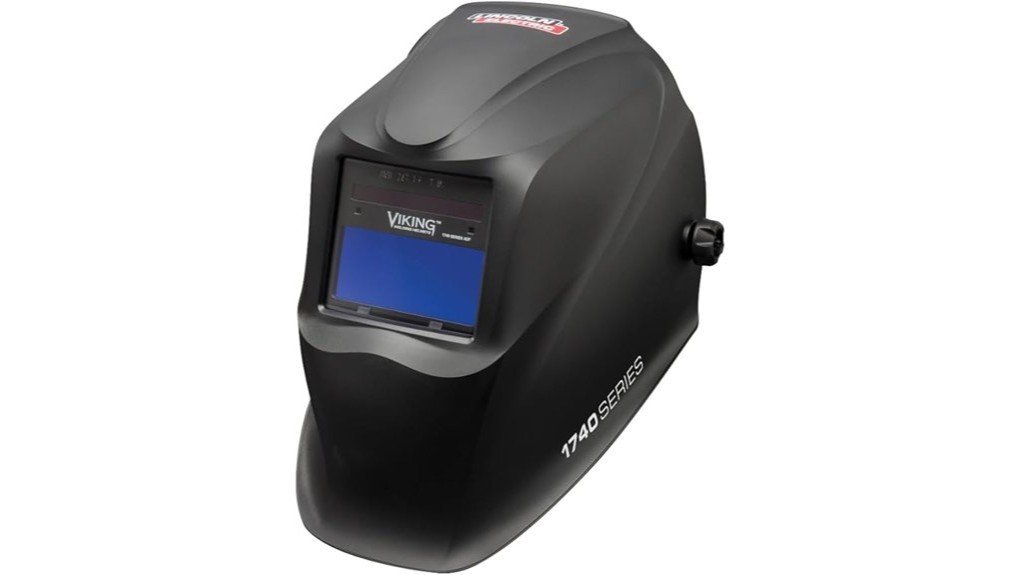
Choosing a welding helmet is really a decision about eye comfort, arc visibility, and how easily you can move between welding and prep work. The Lincoln Electric Viking 1740 Helmet aims to give you a clearer view through Lincoln Electric’s 4C lens technology, variable shade control, and adjustable sensitivity and delay settings. This review helps you decide whether it fits your shop, hobby projects, or light professional work. Its biggest strengths are true-color viewing and practical controls, while the main limitation is that some listing details should be checked before purchase.
Quick Verdict
Rating: 8.0/10, Recommended with caveats
Best For: Welders who want a true-color auto-darkening helmet with simple controls, grind mode, and replaceable batteries.
Bottom Line: The Viking 1740 is worth considering if you want clearer color recognition, adjustable shade control, and a comfortable headgear setup. It is not the best fit if you need a fully verified current spec sheet, a larger viewing area, or a premium helmet from Lincoln Electric’s higher-end Viking line.
| Specification | Detail |
|---|---|
| Brand | Lincoln Electric |
| Model | Viking 1740 Helmet |
| Product type | Welding helmet |
| Lens technology | 4C lens technology with true-color viewing |
| Shade control | Continuous variable shade control from 9 to 13 |
| Controls | Adjustable sensitivity and delay settings |
| Power | Solar-powered system with two user-replaceable AAA batteries |
| Headgear | Improved 3-point ratchet headgear with padding |
| Mode | Grind mode with flashing LED indicator |
| Included accessories | Two inside cover lenses and five outside cover lenses |
Before You Buy: Confirm the current Amazon listing details before you order. The source text contained conflicting weight information, so this review avoids relying on a fixed weight claim.
What Is the Lincoln Electric Viking 1740 Helmet?
The Lincoln Electric Viking 1740 Helmet is a welding helmet built around 4C lens technology, a feature meant to improve color clarity while you watch the weld puddle. Instead of giving you a dark, green-heavy view, the lens aims to make the arc, base metal, and surrounding work area easier to read.
The helmet also includes shade control, sensitivity and delay adjustments, grind mode, padded ratchet headgear, solar assist, replaceable AAA batteries, and extra cover lenses. That mix fits welders who want one helmet for welding, quick surface prep, and ongoing shop use.
Who Should Buy It?
Best For
- DIY welders and shop users who want true-color viewing without moving to a top-tier helmet.
- Welders who prefer adjustable sensitivity and delay rather than one fixed lens behavior.
- Users who switch between welding and grinding and want a dedicated grind mode.
Skip If
- You need a larger viewing area or a premium Lincoln Electric Viking helmet.
- You need fully verified current listing specs before making a final buying decision.
- Your jobsite requires a specific hard-hat adapter, certification, or safety standard not confirmed by the listing.
Optical Performance and Lens Clarity
The main reason to consider this helmet is the 4C lens technology. A clearer color view can make it easier to see the weld pool, joint line, and material edge without working through a dull, overly tinted filter.
The article-supported feature set lists a 1/1/1/1 optical clarity rating. Since live verification of the current Amazon listing was not reliable, confirm that rating before purchase if optical class is a must-have requirement.
Shade Control, Sensitivity, and Delay
The Viking 1740 offers continuous variable shade control from 9 to 13. That range supports many common arc-welding situations, but you still need to choose the right shade for the process, amperage, and safety rules you follow.
Adjustable sensitivity helps the lens respond to arc brightness and surrounding light. Delay control lets you tune how quickly the lens returns to its lighter state after the arc stops, which can help when the weld pool still glows.
User Features and Comfort
Comfort matters because a helmet that feels awkward can distract you during a weld. The Viking 1740 includes an improved 3-point ratchet headgear with padding, which helps you tighten the fit and spread pressure more evenly.
The original source described the helmet as lightweight, but it also gave conflicting weight details later in the FAQ. For that reason, this review focuses on the headgear design and advises checking the current listing if exact weight affects your comfort.
Grind Mode and Task Switching
The included grind mode is useful when you need to clean edges, smooth welds, or prep material between passes. The flashing LED indicator helps remind you that the helmet is in grind mode, which is important before you return to welding.
Power, Maintenance, and Accessories
The helmet uses a solar-powered system supported by two user-replaceable AAA batteries. That setup helps reduce battery-only dependence while still giving you a simple replacement path when power support gets weak.
You also get two inside cover lenses and five outside cover lenses. A scratched or dirty cover lens can make a good filter feel unclear, so replacing covers at the right time helps preserve visibility.
Pro Tip: Keep a few spare outside cover lenses near your welding table. Replacing a cloudy cover lens is often the fastest way to improve visibility without changing your helmet settings.
Compatibility and Safety Notes
The source article mentions hard-hat compatibility, which can help if you weld where added head protection is required. Before buying, confirm that the current helmet version and any adapter you need match your jobsite setup.
Do not rely on grind mode or auto-darkening alone as a substitute for proper personal protective equipment. Use the right shade for the process, keep the lens clean, and follow the helmet manual and workplace safety requirements.
How It Performs in Real Use
For Daily Shop Welding
For regular shop use, the Viking 1740 makes the most sense when you want clearer color and easy control access. The shade 9 to 13 range and adjustable sensitivity give you room to tune the helmet for different lighting and arc conditions.
For Longer Welding Sessions
The padded ratchet headgear is the key comfort feature during longer sessions. A better fit can reduce pressure points and keep the helmet steadier when you move around the workpiece.
For Grinding and Prep Work
Grind mode helps when you need to switch from welding to cleanup without changing to a separate face shield for every quick task. The flashing LED indicator gives you a visual reminder to leave grind mode before welding again.
For Maintenance and Lens Care
The included inside and outside cover lenses help extend the usable life of the viewing area. If you weld around spatter, dust, or grinding debris, having replacement covers included saves you an early accessory purchase.
Setup Tips Before First Use
- Check the mode before welding: Make sure the helmet is not still in grind mode before striking an arc.
- Start with a safer shade setting: Use the shade guidance from your manual, jobsite rules, or welding process requirements.
- Adjust sensitivity in your actual workspace: Shop lighting, nearby welders, and reflective surfaces can affect lens response.
- Inspect cover lenses often: Replace scratched or cloudy covers before blaming the auto-darkening filter.
Pros and Cons
Pros
- 4C lens technology supports a clearer, more natural color view.
- Variable shade control from 9 to 13 gives you useful adjustment range.
- Adjustable sensitivity and delay help match the helmet to your work setting.
- Grind mode with flashing LED indicator supports faster task changes.
- Includes inside and outside cover lenses for lens protection and maintenance.
Cons
- Current listing details should be verified because the source text had conflicting weight information.
- Not the best choice if you want the largest viewing area in Lincoln Electric’s helmet lineup.
- Hard-hat use may require checking adapter compatibility before purchase.
Is It Worth the Price?
The Lincoln Electric Viking 1740 Helmet looks like a strong value for the price if you want true-color viewing, adjustable controls, grind mode, and included cover lenses in one package. It is especially appealing for buyers who want a recognizable welding brand without jumping straight to a larger, higher-end helmet.
You get the most value from it if you weld often enough to care about comfort and lens clarity, but not so often that you need every premium feature available. The limitation is that current listing details should be checked closely before you buy.
How It Compares to Alternatives
Compared with basic budget auto-darkening helmets, the Viking 1740 stands out for its 4C lens technology, adjustable controls, grind mode, and included replacement cover lenses. If you want a larger viewing area or more premium features, compare it with higher-end Lincoln Electric Viking models such as the Viking 2450 or Viking 3350.
Frequently Asked Questions
Is the Lincoln Electric Viking 1740 good for beginners?
Yes, it can work well for beginners who want adjustable shade, sensitivity, and delay settings. New users should read the manual first and learn how to set the shade and grind mode correctly.
What shade range does the Viking 1740 use?
The article-supported shade range is 9 to 13. Choose the shade based on your welding process, amperage, manual, and workplace safety requirements.
Can you use this helmet for grinding?
Yes, the helmet includes grind mode with a flashing LED indicator. Always switch out of grind mode before welding so the lens can protect you as intended.
Does the solar power replace the batteries?
No. The helmet uses solar power with two user-replaceable AAA batteries. Keep spare batteries available and replace them when lens response becomes unreliable or the manual recommends it.
Is the Viking 1740 compatible with hard hats?
The source article says the helmet offers hard-hat compatibility. Confirm the current helmet version and any required adapter before buying for jobsite use.
What accessories come with the helmet?
The article lists two inside cover lenses and five outside cover lenses. These covers help protect the viewing area from scratches, dust, and spatter.
Who should skip this welding helmet?
Skip it if you need a larger viewing area, confirmed premium-level specifications, or jobsite-specific compatibility that is not shown on the current listing. You may also want to compare higher-end Viking models before buying.
The Bottom Line
The Lincoln Electric Viking 1740 Helmet is a smart buy for welders who want 4C lens clarity, adjustable shade behavior, grind mode, and practical maintenance accessories. It is best for DIY and general shop users, while buyers who need a larger view, verified current specs, or confirmed hard-hat setup should compare alternatives first.