Disclosure: As an Amazon Associate, we earn from qualifying purchases. If you click a link on this page and make a purchase, we may receive a small commission at no extra cost to you.
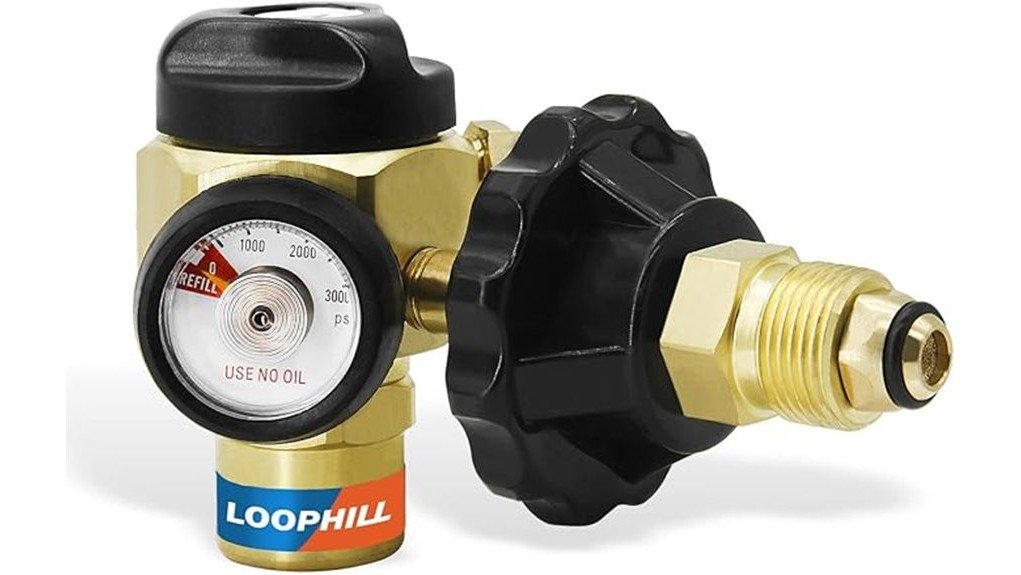
Choosing a nitrogen purging regulator comes down to control, durability, and safe compatibility with your cylinder and job type. The LOOPHILL VN-500 Nitrogen Purging Regulator is built for users who need adjustable nitrogen flow for HVAC leak testing, pipeline purging, brazing, and related industrial tasks. It combines a regulator and clear flow meter in one compact body, which helps you monitor flow without adding a separate gauge setup. This review breaks down its article-supported specs, best use cases, safety considerations, and the main limitations to check before you buy.
Quick Verdict
Rating: 8/10, recommended with caveats
Best For: HVAC technicians, brazing users, and industrial users who need nitrogen flow control up to 500 PSI.
Bottom Line: The LOOPHILL VN-500 is worth considering if you want a compact nitrogen regulator with a clear flow meter, forged brass body, CGA-580 connection, and four working modes. The main caveat is that you should confirm gas compatibility, warranty coverage, and connection fit against the current seller listing or manual before using it on a pressurized system.
Key Takeaways
- The LOOPHILL VN-500 is a nitrogen purging regulator made for HVAC leak testing, pipeline purging, brazing, and industrial gas control.
- Its two-in-one design combines a regulator and a clear flow meter, so you can monitor nitrogen flow while adjusting pressure.
- The article-supported pressure range reaches up to 500 PSI, which suits many testing and purging tasks when used correctly.
- Forged solid brass construction helps with durability, corrosion resistance, and stability under pressure.
- The CGA-580 connection and dual-threaded outlets improve compatibility, but you still need to confirm fit before use.
- This is not a universal gas regulator. Use it for nitrogen unless the product manual or manufacturer confirms another gas type is safe.
| Specification | Detail |
|---|---|
| Brand | LOOPHILL |
| Model | VN-500 |
| Product type | Nitrogen purging regulator |
| Design | Two-in-one regulator and clear flow meter |
| Material | Forged solid brass body |
| Working modes | TST, PRG, BRZ, and OFF |
| Maximum supported pressure | Up to 500 PSI, based on the source article |
| Connection type | Standard CGA-580 connection |
| Outlet design | Dual-threaded outlets |
| Best use | HVAC leak detection, pipeline purging, brazing, welding protection, and industrial nitrogen flow control |
| Safety note | Use with nitrogen and follow the product manual, cylinder instructions, and applicable job-site safety procedures. |
What Is the LOOPHILL VN-500 Nitrogen Purging Regulator?
The LOOPHILL VN-500 is a nitrogen regulator designed to help you control flow and pressure during purging, leak testing, brazing, and other nitrogen-based work. Its main appeal is the compact two-in-one setup, which places the regulator and clear flow meter in a single tool.
The forged brass body gives the regulator a sturdy feel and helps it handle demanding shop or field conditions. The four working modes, TST, PRG, BRZ, and OFF, make it more flexible than a basic single-use regulator when you need to switch between testing, purging, brazing, and shutoff control.
Before You Buy: Confirm the CGA-580 cylinder connection, outlet threading, gas type, and pressure needs before ordering. A nitrogen regulator should not be used with other gases unless the manual or manufacturer clearly says it is safe.
Who Should Buy It?
Best For
- HVAC users who need controlled nitrogen flow during leak testing or line purging.
- Technicians who want a compact regulator with an integrated clear flow meter.
- Welding or brazing users who need a nitrogen atmosphere for supported protection tasks.
Skip If
- You need a regulator for oxygen, acetylene, propane, argon, or another gas not confirmed by the manual.
- Your cylinder does not use a CGA-580 connection or your setup needs a different outlet thread.
- You need verified dimensions, weight, certifications, or accessory details before purchase.
Features and Specifications
Two-in-One Regulator and Flow Meter Design
The VN-500 combines the regulator and clear flow meter into one compact unit. That design helps you read nitrogen flow without managing a separate flow meter, which can make setup cleaner on HVAC, purging, and brazing jobs.
This layout is especially useful when you need quick visual feedback while adjusting flow. You still need to make changes slowly and follow the manual, because high-pressure gas control requires careful handling.
Forged Brass Construction
The source article lists a forged solid brass body, which is a practical material choice for a regulator that may see repeated use in shops, service vans, or job sites. Brass helps resist corrosion and gives the unit a durable structure for pressure control.
The build quality is one of the stronger reasons to consider this regulator. The tradeoff is that the article does not provide verified dimensions or weight, so you should check the current product listing if storage size or tool-bag fit matters to you.
Four Working Modes
The VN-500 includes four working modes: TST, PRG, BRZ, and OFF. These modes match common tasks such as testing, purging, brazing, and shutting the regulator off when the job is complete.
That mode layout helps you avoid treating every task the same way. It also gives the regulator a clearer workflow than a basic single-purpose tool, especially when you move between leak testing and brazing work.
Pressure Control up to 500 PSI
The article-supported pressure capability reaches up to 500 PSI. This gives the regulator enough range for many nitrogen purging and testing applications, but you should always match pressure to the equipment, line, and job requirements.
More pressure is not automatically better. Use only the level required for the task, and never exceed the limits of the system you are testing or purging.
CGA-580 Connection and Dual-Threaded Outlets
The VN-500 uses a standard CGA-580 connection, which is commonly associated with nitrogen cylinder setups. The dual-threaded outlets add flexibility for supported hoses or fittings.
Fit still matters. Before you buy, compare your cylinder valve and hose fittings with the regulator details so you do not end up needing adapters or a different regulator.
How It Performs in Real Use
For HVAC Leak Detection
For HVAC work, the VN-500 is useful when you need controlled nitrogen pressure during leak testing. The clear flow meter gives you a quick visual check, while the adjustable pressure range helps you match the test setup more carefully.
For Pipeline Purging
During pipeline purging, steady nitrogen flow helps push unwanted air or contaminants out of the line. The PRG mode and integrated flow meter make the VN-500 easier to manage than a regulator with less visible feedback.
For Brazing and Welding Protection
The BRZ mode is designed for brazing-related use, where controlled nitrogen flow can help support a cleaner working atmosphere. This makes the regulator practical for users who need more than basic cylinder pressure reduction.
For Field and Shop Use
The compact two-in-one design is helpful when you move between a service vehicle, workshop, and job site. Since the article does not verify exact size or weight, check the current listing if portability is your top priority.
Pro Tip: Before your first job, connect the regulator, check the fitting match, set the mode, and raise pressure slowly while watching the flow meter. This helps you spot setup issues before the work becomes time-sensitive.
Setup Tips Before First Use
Start by confirming that your nitrogen cylinder uses the correct CGA-580 connection. Inspect the regulator body, outlet threads, and flow meter area before attaching it, and do not use the tool if you see damage, missing parts, or questionable threads.
Attach fittings carefully and avoid forcing mismatched threads. Once connected, open pressure gradually, monitor the flow meter, and use the mode that matches your task. If you are unsure about a pressure setting, follow the equipment manual or ask a qualified technician.
- Use TST for supported testing tasks.
- Use PRG for supported purging tasks.
- Use BRZ for supported brazing-related work.
- Use OFF when you finish or need to stop flow.
Compatibility and Safety
The LOOPHILL VN-500 should be treated as a nitrogen purging regulator, not a universal gas regulator. Using the wrong gas, wrong cylinder connection, or wrong pressure range can create safety risks and poor performance.
Because this tool handles pressurized gas, you should follow the product manual, cylinder instructions, and job-site procedures. Wear proper protective equipment, use the regulator in a suitable workspace, and never modify the regulator body, fittings, or flow meter.
The original article mentions leak detection, pipeline purging, and welding protection as intended uses. Those are practical applications, but each one has different pressure and safety requirements, so match the regulator settings to the equipment you are working on.
User Experience and Feedback
User feedback in the source article focuses on ease of use, adjustable nitrogen flow, and the value of the clear flow meter. Those points make sense for a regulator that needs to be checked often while you work.
The forged brass body is another common strength because it supports durability and resistance to corrosion. Buyers who work in demanding environments should still inspect the regulator regularly, especially around connection points and the flow meter.
The biggest limitation is verification. Since exact dimensions, weight, accessories, and warranty terms were not confirmed through an external product page, you should review the current seller listing before you make a final decision.
Pros and Cons
Pros
- Two-in-one regulator and clear flow meter design keeps flow monitoring simple.
- Forged solid brass body supports durability and corrosion resistance.
- Four working modes give you task-specific control for testing, purging, brazing, and shutoff.
- Pressure adjustment up to 500 PSI supports a wide range of nitrogen tasks.
- CGA-580 connection and dual-threaded outlets improve setup flexibility for compatible equipment.
Cons
- Not suitable for other gas types unless the manual or manufacturer confirms compatibility.
- Exact dimensions, weight, included accessories, and certifications were not verified in the source article.
- Requires correct pressure selection, fitting match, and safe handling to work properly.
Is It Worth the Price?
The LOOPHILL VN-500 looks like a strong value for the price if you need a nitrogen regulator with an integrated flow meter and a 500 PSI pressure range. It is better for buyers who care about visible flow control, brass construction, and task-specific modes.
It may not be the best fit if you need fully verified measurements, official certification details, or confirmed accessory lists before buying. For professional users, the value depends on whether the CGA-580 connection and outlet design match your current setup.
How It Compares to Alternatives
Compared with a basic nitrogen regulator, the VN-500 gives you a clearer workflow because it includes a flow meter and four labeled modes. A simpler regulator may be enough if you only need basic pressure reduction and already own a separate flow meter.
If you need a regulator for argon, oxygen, acetylene, or mixed-gas work, compare dedicated regulators made for those gases instead. The VN-500 makes the most sense when nitrogen purging, leak testing, and brazing support are your main jobs.
Frequently Asked Questions
Is the LOOPHILL VN-500 only for nitrogen?
Yes, you should treat it as a nitrogen purging regulator unless the manual or manufacturer confirms another gas type. Do not use it with oxygen, fuel gases, or other gases based on fitting appearance alone.
What does the clear flow meter help with?
The clear flow meter helps you monitor nitrogen flow while you adjust the regulator. This is useful during purging, leak testing, and brazing tasks where flow control matters.
Does the VN-500 fit every nitrogen cylinder?
No regulator fits every setup. The article lists a CGA-580 connection, so you should confirm your cylinder valve and hose fittings before ordering.
Can it really reach 500 PSI?
The source article supports pressure adjustment up to 500 PSI. Always use the pressure required for your specific job and stay within the limits of the equipment you are testing or purging.
What are the TST, PRG, BRZ, and OFF modes for?
The article lists these as the four working modes. They correspond to testing, purging, brazing, and shutoff control, which helps you choose the right setting for the task.
How should you maintain the LOOPHILL VN-500?
Keep the brass body and connection points clean, and check for debris or visible damage before use. Do not disassemble or modify the regulator unless the manual gives specific service instructions.
Who should skip this regulator?
Skip it if you need a regulator for a different gas, a non-CGA-580 cylinder, or a setup with fittings that do not match the listed outlet design. You should also skip it if you need fully verified accessory, certification, or warranty details before purchase.
Does it come with a warranty or manual?
The original article mentioned a user manual and a one-year warranty, but those details were not independently verified here. Confirm both on the current Amazon listing or with the seller before you buy.
The Bottom Line
The LOOPHILL VN-500 Nitrogen Purging Regulator is a good fit if you need a compact nitrogen regulator with a clear flow meter, forged brass body, four working modes, CGA-580 connection, and pressure control up to 500 PSI. Skip it if you need a regulator for another gas type, a different cylinder connection, or fully verified accessory and certification details before ordering.
Its main strength is practical control for nitrogen purging, leak testing, and brazing support. Its main limitation is that you still need to confirm fit, gas compatibility, and current listing details before using it on a pressurized system.