Disclosure: As an Amazon Associate, we earn from qualifying purchases. If you click a link on this page and make a purchase, we may receive a small commission at no extra cost to you.
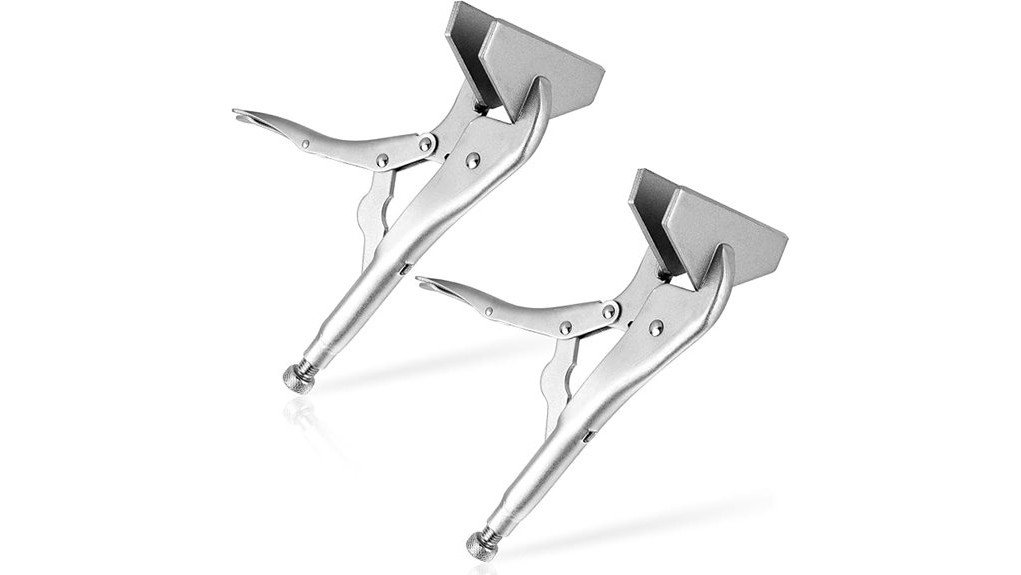
A locking clamp should hold sheet metal, small parts, and repair pieces steady without forcing you to fight the tool. The NATGAI 10 Inch Locking Clamp is built for users who want a durable, adjustable clamp for metalworking, automotive work, repairs, and general shop tasks. Its main strengths are the nickel-plated carbon steel body, adjustable jaw opening, and ergonomic handle design. The main limitation is that the available article details do not confirm exact jaw capacity, weight, or warranty terms, so you should check the product page before matching it to a very specific job.
Quick Verdict
Rating: 8/10
Best For: DIY users, metalworkers, automotive hobbyists, and repair work where a wide locking clamp is useful.
Bottom Line: The NATGAI 10 Inch Locking Clamp is worth considering if you need a strong, adjustable clamp for holding or bending sheet metal. It is less ideal if you need verified precision specs, exact jaw capacity, or a clamp made for heavy industrial production.
| Specification | Detail |
|---|---|
| Brand | NATGAI |
| Product type | 10 inch locking clamp |
| Design | Adjustable locking clamp with ergonomic handle |
| Material | Nickel-plated carbon steel |
| Jaw opening | Adjustable |
| Common uses | Metalworking, automotive repairs, sheet metal holding, small repair tasks, and DIY shop work |
| Article-supported note | Can be used as a duckbill-style clamp and for sheet metal bending tasks |
| Care note | Keep clean and dry after use to help protect the metal finish and moving parts |
What Is the NATGAI 10 Inch Locking Clamp?
The NATGAI 10 Inch Locking Clamp is a hand clamp designed to grip workpieces and hold them in place while you cut, shape, bend, weld, repair, or align parts. The article-supported build uses nickel-plated carbon steel, which gives the clamp a harder working body and better corrosion resistance than bare steel.
The adjustable jaw opening helps you set the clamp for different material thicknesses. That makes it useful for sheet metal, small automotive parts, repair brackets, and general workshop jobs where a basic hand clamp may not give you enough control.
This is not a precision machining tool or a full replacement for a vise, press brake, or dedicated fabrication fixture. It makes the most sense as a practical holding tool for jobs where you need quick clamping pressure and repeatable grip in a compact 10 inch format.
Before You Buy: The article does not verify the exact jaw capacity, weight, or warranty terms. Check the Amazon listing details before buying if your project requires a specific opening size, exact clamping force, or commercial-duty warranty support.
Who Should Buy It?
Best For
- DIY users who need an adjustable locking clamp for garage and repair tasks.
- Metalworkers who want a wide clamp for sheet metal holding or light bending work.
- Automotive hobbyists who need a clamp for brackets, panels, and small repair pieces.
Skip If
- You need verified jaw capacity, exact weight, or measured clamping force before purchase.
- You need a dedicated bench vise, press brake, or production-grade fabrication fixture.
- You mainly work with delicate finished surfaces that could mark under clamp pressure.
Material Quality and Durability
The strongest article-supported feature is the nickel-plated carbon steel construction. Carbon steel gives the clamp a sturdy base for shop use, while nickel plating helps resist surface corrosion better than untreated steel.
The article also describes a heat-treated body, which supports the goal of steady clamping force during metalworking and repair tasks. That matters when you need the clamp to stay locked while you align a workpiece, hold a small panel, or keep a bracket from shifting.
Durability still depends on how you use the clamp. Avoid using it as a hammer, pry bar, or substitute for a high-force press. Keeping the tool clean, dry, and free of metal debris will help protect the finish and moving parts.
Adjustable Features and Versatility
The adjustable jaw opening gives the NATGAI clamp its main everyday advantage. You can set the opening for different workpiece thicknesses instead of relying on one fixed clamping position.
That flexibility makes it useful for sheet metal, small repair parts, light fabrication, and general garage work. The article also notes that it can work as a duckbill-style clamp and as a sheet metal bender, which makes it more versatile than a basic straight-jaw locking plier.
The tradeoff is that the article does not provide exact maximum opening measurements. For casual repair and DIY use, that may not be a problem. For precise fabrication, compare the listing specs with your material thickness before ordering.
Ergonomic Design and User Comfort
The ergonomic handle design is meant to reduce hand strain during repeated clamping tasks. A comfortable handle matters when you need to reposition the clamp several times during cutting, bending, alignment, or assembly.
The article-supported design includes a non-slip surface, a contoured handle shape, and a lightweight feel. These features can help you keep better control while locking the clamp down or releasing pressure.
Comfort does not remove the need for careful use. Locking clamps can pinch fingers, mar soft materials, or apply more pressure than expected. Use steady hand placement and avoid clamping near skin, wires, hoses, or finished surfaces without protection.
How It Performs in Real Use
For Sheet Metal Work
The NATGAI clamp is a practical fit for holding sheet metal while you mark, align, or bend a piece. The duckbill-style use described in the article can help spread pressure across a wider contact area than a narrow-jaw tool.
For Automotive Repairs
For automotive hobby work, the clamp can help hold brackets, panels, or small repair pieces while you check alignment. It should be treated as a support tool, not as a replacement for safe stands, fixtures, or welding clamps when the job requires them.
For General DIY Projects
In a garage or home shop, the adjustable jaw opening makes the clamp useful for temporary holding tasks. You can use it when a part needs to stay steady while you drill, fasten, bend, or test fit a repair piece.
For Repeated Shop Use
The nickel-plated carbon steel body is a helpful durability point for repeated use. Still, long-term performance depends on storage and care. Keep the clamp away from standing moisture, wipe it after dirty jobs, and check the locking action before each use.
How to Use It Correctly
Start by opening the jaws wider than the workpiece, then adjust the clamp until it locks with firm pressure without crushing the material. The clamp should feel secure, but you should not need excessive force to close the handle.
For sheet metal, place the jaws evenly across the section you want to hold or bend. Uneven placement can twist the workpiece or leave unwanted marks. For painted, polished, or soft surfaces, use a protective pad when the project allows it.
Pro Tip: Test the clamp on a scrap piece first when working with thin sheet metal. This helps you find enough pressure to hold the material without leaving deeper marks than expected.
Compatibility and Safety Notes
This clamp is best matched with metalworking, repair, and DIY tasks where a locking grip is useful. It is not ideal for every material. Thin aluminum, painted trim, wood, plastic, and polished surfaces may show marks if you apply too much pressure.
Wear eye protection when cutting, bending, drilling, or working around metal. If you use the clamp near welding, heat, or sharp edges, follow safe shop practices and keep your hands away from pinch points. For vehicle work, never rely on a hand clamp to support weight or hold safety-critical parts in place.
Pros and Cons
Pros
- Nickel-plated carbon steel construction supports durability and corrosion resistance.
- Adjustable jaw opening helps match different workpiece thicknesses.
- Useful for metalworking, automotive repairs, sheet metal holding, and DIY tasks.
- Ergonomic handle design helps reduce hand fatigue during repeated use.
- Duckbill-style use can help with wider holding or light sheet metal bending tasks.
Cons
- Exact jaw capacity and tool weight were not verified in the supplied article details.
- May mark delicate, painted, polished, or soft surfaces without protection.
- Not a replacement for a bench vise, press brake, or safety-rated workholding fixture.
Is It Worth the Price?
The NATGAI 10 Inch Locking Clamp looks like a smart buy for everyday garage, repair, and light metalworking use if you need an adjustable clamp with a corrosion-resistant finish. Its value comes from the nickel-plated carbon steel body, the 10 inch size, and the ability to handle more than one type of clamping task.
It is better for buyers who care about versatility than for buyers who need verified industrial specifications. If your work depends on exact jaw opening, measured clamping force, or known tolerance limits, check the listing carefully before you decide.
How It Compares to Alternatives
Compared with a standard C-clamp, the NATGAI locking clamp should be quicker to reposition and easier to lock with one hand once adjusted. Compared with standard locking pliers, the wider clamp-style design may be more useful for sheet metal and panel work.
A dedicated bench vise or sheet metal brake will still be better for heavy forming, high force, or repeatable production work. The NATGAI clamp makes the most sense when you want a portable, adjustable holding tool for smaller jobs.
Frequently Asked Questions
What is the NATGAI 10 Inch Locking Clamp best used for?
It is best used for holding sheet metal, small repair parts, brackets, and DIY workpieces steady. It suits metalworking, automotive repairs, and general shop tasks where an adjustable locking grip helps.
Is the clamp made from stainless steel?
The article describes the clamp as nickel-plated carbon steel, not stainless steel. Nickel plating helps resist corrosion, but you should still keep the tool clean and dry after use.
Can you use it for woodworking?
You can use it for some woodworking setup or holding tasks, but it is mainly described for metalworking and repairs. Use pads or scrap wood if you need to protect finished wood from clamp marks.
Will it work as a sheet metal bender?
The supplied article says it can be used for sheet metal bending tasks. For clean, repeatable bends, use it on suitable material and test on scrap before using it on a finished piece.
Does the article confirm the exact jaw opening?
No. The article supports that the jaw opening is adjustable, but it does not provide a verified maximum jaw capacity. Check the Amazon listing before buying for a specific material thickness.
How do you maintain the locking clamp?
Wipe off dirt, metal dust, and moisture after use. Store it in a dry place and check the moving parts before each project so the clamp locks and releases smoothly.
Who should skip this clamp?
Skip it if you need confirmed industrial specifications, exact clamping force, or a tool for heavy production bending. You may also want a different clamp if you mainly work with delicate finished surfaces.
The Bottom Line
The NATGAI 10 Inch Locking Clamp is a solid choice for DIY users, metalworkers, and automotive hobbyists who need an adjustable clamp for holding, aligning, and light sheet metal tasks. Its biggest strengths are the nickel-plated carbon steel build and ergonomic locking design, while its main limitation is the lack of verified detailed specs in the supplied article. Skip it if you need a precision fixture or exact capacity data before purchase.