Disclosure: As an Amazon Associate, we earn from qualifying purchases. If you click a link on this page and make a purchase, we may receive a small commission at no extra cost to you.
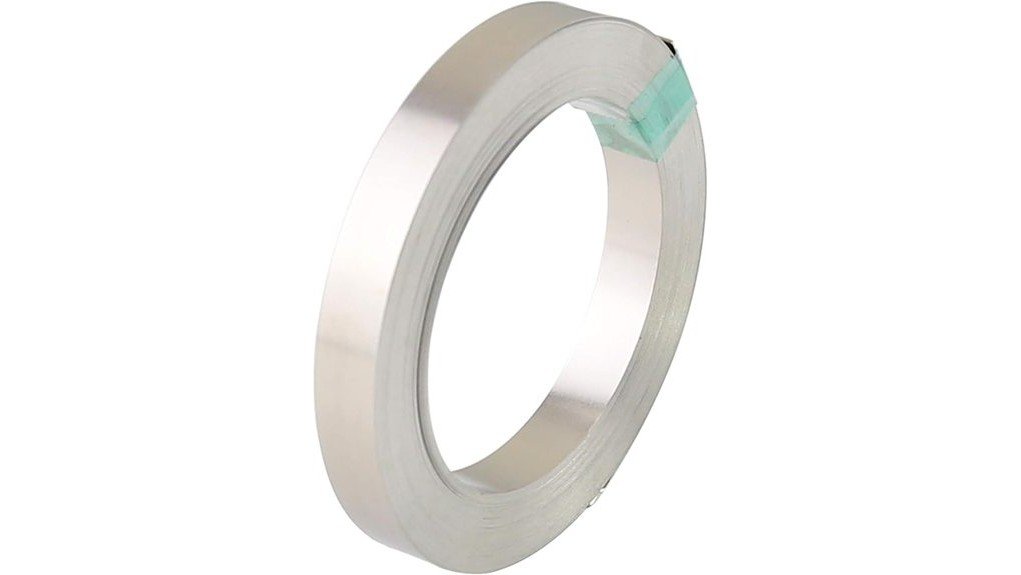
Building or repairing battery packs can get frustrating fast when the connector strip is hard to weld, too thin for your layout, or unclear about its material content. The Nickel Strip 10m is made for battery welding projects that need a narrow strip, a long roll, and consistent contact across multiple cells. This review explains what the 0.15mm thickness, 8mm width, 10-meter roll length, and stated 37% nickel composition mean for your battery assembly work. It may be a practical pick for small DIY and workshop battery builds, but you should verify your current requirements before using it in demanding packs.
Quick Verdict
Rating: Recommended with caveats
Best For: DIY battery builders, electronics hobbyists, and small repair projects using 18650-style battery cells.
Bottom Line: The Nickel Strip 10m gives you a useful 10-meter roll in a common 0.15mm x 8mm size for spot-welding battery connections. The main caution is the stated 37% nickel composition, which means you should confirm it suits your pack design before using it for high-current or professional builds.
| Specification | Detail |
|---|---|
| Product Name | Nickel Strip 10m |
| Product Type | Battery welding nickel strip |
| Roll Length | 10 meters |
| Thickness | 0.15mm |
| Width | 8mm |
| Material Detail | Stated 37% nickel composition |
| Compatibility | Battery welding projects, including 18650 cell battery packs |
| Best Use | Spot-welded battery cell connections and small pack assembly work |
| Safety Note | Match strip size, layout, weld settings, and current demand to your battery design. |
What Is the Nickel Strip 10m?
The Nickel Strip 10m is a roll of narrow metal strip used to connect battery cells during pack assembly. The article-supported size is 0.15mm thick and 8mm wide, which makes it suitable for compact battery layouts where you need a small contact strip rather than a bulky connector.
Its main use is battery welding, especially for 18650 cell battery packs. The 10-meter length gives you enough material for multiple small projects, test welds, repairs, and custom layouts. That matters if you are learning spot welding because you can practice before making final connections on your actual pack.
The stated 37% nickel composition should be treated as a key buying detail. It may still work for many hobby and repair projects, but it should not be confused with a higher-purity nickel strip unless the product listing confirms that distinction.
Before You Buy: Confirm that the 0.15mm x 8mm size and stated 37% nickel composition match your battery pack design, current draw, and welding setup. Do not choose a strip only by roll length.
Who Should Buy It?
Best For
- DIY battery builders working with 18650-style cell layouts.
- Electronics hobbyists who need a 10-meter roll for several small projects.
- Users who plan to spot weld battery connections and want a narrow 8mm strip.
Skip If
- You need verified high-purity nickel for a demanding battery pack.
- Your pack requires a different strip width, thickness, or current-carrying design.
- You do not have the right tools or experience to work safely around battery cells.
Key Features of Nickel Strip 10m
The biggest practical feature is the 10-meter roll. Instead of buying a short piece for one repair, you get enough strip to measure, cut, test, and adjust your battery layout. This is useful when you are building a pack with repeated parallel or series connections.
The 0.15mm thickness helps the strip sit close to the cell surface and gives a spot welder a manageable material thickness to work with. The 8mm width also gives you a reasonable contact area without taking up too much room on typical cylindrical cells.
The source article notes good weldability and high draw tension. In buyer terms, that means the strip is designed to form stable welded connections when you use the right welding settings, clean contact surfaces, and proper overlap.
Materials and Build Quality
The article describes this strip as having a 37% nickel composition. That is an important detail because battery builders often compare strips by material makeup, not just by size. More nickel content can affect corrosion resistance and conductivity, while plated or mixed-metal strips may behave differently under load.
For small DIY battery projects, the stated material detail may be acceptable when your current demand is modest and your design has enough contact area. For high-drain packs, power tools, e-bikes, or professional repair work, you should verify the exact material requirements before choosing this strip.
Weldability and Battery Pack Use
This nickel strip is intended for spot welding, which is the common method for joining strip material to battery cell terminals. Spot welding creates a quick localized bond, which helps reduce heat exposure compared with long heating methods.
The strip works best when you cut clean sections, align them carefully, and avoid loose or angled contact points. Good alignment helps the weld energy transfer through the strip and into the cell terminal more consistently.
Because battery cells can be dangerous when shorted, overheated, punctured, or wired incorrectly, you should plan the layout before you start. Check polarity, insulation, pack spacing, and protection circuitry before making final welds.
Benefits of Using Nickel Strip for Battery Welding
A nickel strip gives you a cleaner and more controlled connection than loose wire when you are joining several cells in a pack. The flat shape sits against the battery terminal and gives you a stable surface for repeated weld points.
The 0.15mm x 8mm size can be useful for 18650 cell configurations because it is narrow enough for compact layouts but still wide enough to create a practical connection area. This helps when you need multiple identical strips across a pack.
The long roll also helps reduce waste. You can cut short pieces for single-cell repairs, longer strips for rows of cells, and test pieces for tuning your welder before working on the final pack.
How It Performs in Real Use
For 18650 Battery Pack Assembly
For 18650 packs, the 8mm width gives you a usable contact strip that can fit across common cell terminal layouts. You still need to match the strip pattern to your pack design, especially if the pack has tight spacing or requires multiple parallel connections.
For DIY Repair Projects
For small repairs, the 10-meter roll gives you enough material to replace damaged or weak connection strips. It is helpful when you are rebuilding a simple pack, replacing a failed strip, or practicing welds before a final repair.
For Learning Spot Welding
This strip is also useful as practice material. You can test weld energy, pulse timing, pressure, and strip placement on scrap sections before touching your battery cells. That practice helps reduce weak welds and accidental heat damage.
For Long-Term Project Supplies
The roll format makes storage simple if you often work on electronics or battery projects. Keep the strip dry, clean, and protected from dirt so the welding surface stays easier to use later.
Application Tips for Optimal Performance
Good results depend on more than the strip itself. You need clean contact surfaces, stable cell holders, correct strip overlap, and a spot welder adjusted for the strip thickness and cell type.
| Technique | How It Helps | Best Use |
|---|---|---|
| Spot Welding | Creates quick, focused weld points. | Battery cell connections. |
| Overlap Joint | Adds contact area between materials. | Rows or linked cell groups. |
| Insulation Use | Helps reduce accidental shorts. | Pack building and storage. |
Pro Tip: Cut a few short test pieces first and tune your spot welder on scrap material before welding your final battery pack. A clean test weld should hold firmly without overheating the cell area.
Compatibility and Safety
This strip is best treated as a battery-pack component, not a universal electrical connector. The 0.15mm thickness, 8mm width, and stated material composition need to match your cell type, pack layout, and expected current load.
Always avoid short circuits when working with battery cells. Keep loose strip sections away from exposed terminals, use insulation where needed, and check polarity before every weld. If you are unsure about pack design, seek guidance from a qualified battery technician.
Do not rely on the strip alone to make a battery pack safe. A reliable pack also needs correct cell matching, proper insulation, secure spacing, suitable protection electronics, and careful testing before use.
Pros and Cons
Pros
- 10-meter roll gives you enough material for multiple cuts, tests, and small projects.
- 0.15mm thickness is practical for many spot-welded battery connections.
- 8mm width works well for compact 18650-style cell layouts.
- Flat strip design helps create neat battery pack connections.
- Article-supported weldability makes it useful for DIY battery assembly work.
Cons
- Stated 37% nickel composition may not suit buyers who need high-purity nickel strip.
- Current handling depends on pack design, strip layout, weld quality, and temperature.
- Requires proper spot-welding tools and battery safety knowledge.
Is It Worth the Price?
The Nickel Strip 10m can be a strong value for the price if you need a long roll for small battery projects, repair work, or spot-welding practice. You are getting a practical size, 0.15mm x 8mm, and enough material to make several cuts without running out during the first project.
It is worth considering if your main goal is convenience and DIY battery assembly. It is not the best fit if you need verified high-purity nickel, a specific current rating, or documented professional-grade specifications for a demanding pack.
How It Compares to Alternatives
Compared with shorter pre-cut strips, this 10-meter roll gives you more flexibility because you can cut each piece to fit your layout. Pre-cut strips may be easier for simple builds, but they limit your options when cell spacing or pack shape changes.
Compared with higher-purity nickel strip, this product needs a closer look because the article states a 37% nickel composition. Choose it for practical DIY use when the size and material detail fit your project, but compare alternatives if you need maximum conductivity or a verified material grade.
Frequently Asked Questions
Is the Nickel Strip 10m suitable for 18650 battery packs?
Yes, the source article supports use with 18650 cell battery packs. You still need to confirm that the 0.15mm thickness, 8mm width, and strip layout match your exact pack design.
Is it pure nickel?
The article states a 37% nickel composition. If your project requires high-purity nickel, verify the listing details before buying and do not assume it matches higher-purity strip.
What tools do you need to use it?
A spot welder is the most relevant tool for this kind of battery strip work. You may also need cutters, insulation material, a cell holder, safety gear, and a way to test the pack safely.
Can you use it for high-current battery packs?
Only use it for high-current packs if the strip size, material composition, weld pattern, and pack design are suitable for that load. Current capability depends on the full electrical design, not just the strip width.
How should you store the roll?
Store it in a cool, dry place away from dirt, moisture, and loose battery terminals. Keeping the surface clean helps make welding easier later.
What common mistakes should you avoid?
Avoid welding without testing your settings first, placing strips across the wrong terminals, or leaving exposed metal where it can short. Also avoid choosing the strip without checking current demand and pack layout.
Who should skip this nickel strip?
Skip it if you need verified high-purity nickel, a documented current rating, or a different strip size. You should also skip DIY battery welding if you are not comfortable handling battery-cell safety risks.
The Bottom Line
The Nickel Strip 10m makes sense if you need a 0.15mm x 8mm strip roll for DIY battery welding, 18650 pack work, or small repair projects. Its main strengths are the useful roll length, narrow battery-friendly size, and practical weldability, while the main limitation is the stated 37% nickel composition.
Buy it if the size and material detail match your project. Skip it if you need verified high-purity nickel, professional-grade documentation, or a strip designed for a more demanding current load.