As an Amazon Associate, Garage Welding may earn from qualifying purchases. This does not change the price you pay.
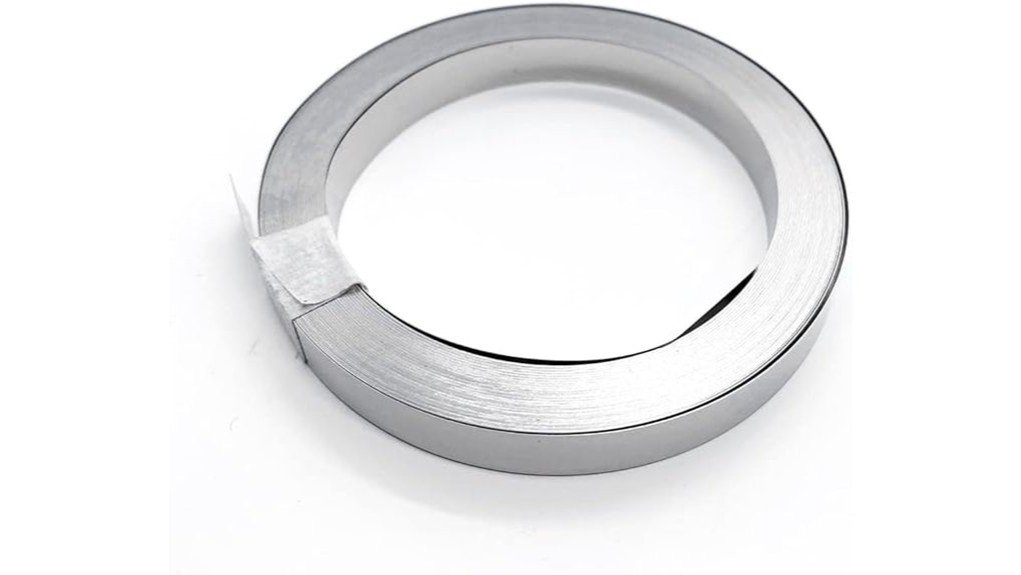
These 10-meter nickel-plated steel strips are 0.15 mm thick and 8 mm wide, and are sold as connector tabs for spot welding 18650 lithium cell packs. They are worth considering if you build low-drain packs and want a cheap, long roll that is easy to cut. Skip them for high-current builds, where pure nickel strip carries current better.
Quick specs at a glance
| Item | Per the listing |
|---|---|
| Type | Nickel-plated steel strip (SPCC) for battery tabs |
| Size | 0.15 mm thick x 8 mm wide |
| Length | 10 meters (about 32.8 ft) |
| Weight | About 3.48 oz |
| Intended use | Joining 18650 cells by spot welding |
Check Current Price on Amazon →
Nickel-plated steel versus pure nickel strip
The key thing to understand is the base metal. This strip is steel with a nickel coating. The plating helps resist rust and makes the surface weldable, but the steel underneath conducts electricity considerably worse than pure nickel does. That means more resistance, more heat and more voltage drop in the same size strip.
For small cells running low currents, that is often acceptable. For anything that draws many amps, such as e-bikes, power tools or vapes, builders usually choose pure nickel or add parallel strips. If you want to compare, see our pure nickel strip review.
How to check it works for your pack
- Estimate the load. Work out the peak current your pack must deliver. Plated steel is best for modest loads.
- Confirm the welder range. A typical hobby spot welder handles 0.1 to 0.2 mm strip. Plated steel needs more energy than pure nickel at the same thickness, so you may need higher pulse settings. For an example, see the portable battery spot welder.
- Match the width. 8 mm is a common width for 18650 terminals. Check your cell format and any holder, such as a cell spacer holder.
- Plan for doubled strips. If you want more current capacity, you can use two layers or parallel runs, but follow a recognised pack design guide.
- Think about heat. Strips that get warm in use signal an undersized path. Add cross-section or reduce load.
Pros and limitations
Pros
- A long 10-meter roll gives plenty of material for several packs.
- Steel base is stiff and easy to cut and shape.
- Plating protects against rust better than bare steel.
- Usually cheaper than pure nickel (check current pricing).
Limitations
- Higher electrical resistance than pure nickel, so not suited to high-drain packs.
- Needs more welder energy and may leave less consistent welds on weak machines.
- Cut ends expose bare steel and can rust over time if stored damp.
- Do not assume current ratings from the width alone. The listing gives dimensions, not an ampacity.
Tips for better welds and safer packs
- Clean cell terminals and strip with isopropyl alcohol before welding.
- Test on scrap cells and pull the strip to check the weld holds.
- Use two weld spots per cell terminal where practical.
- Wear safety glasses. Keep strip from bridging cell terminals, which causes a short.
- Do not weld on damaged or swollen cells. Use a battery management system for multi-cell packs and insulate exposed strip.
- Work on a non-flammable surface and keep a fire-safe container nearby.
Related guides
- Harfington nickel strip for another strip option.
- Pure nickel strips for higher-current pack builds.
- Faiuot dual-farad spot welder as a welder to pair with strip.
Frequently Asked Questions
Are nickel-plated steel strips as good as pure nickel strips?
They are cheaper and stronger, but steel carries current less well than nickel, so the strip runs warmer at the same load. They are fine for low-drain packs such as small flashlights or light-duty devices. For high-current e-bike or power-tool packs, pure nickel, or a thicker or doubled strip, is a safer choice.
What size is this strip and which cells does it suit?
Per the listing, it is about 0.15 mm thick and 8 mm wide, in a 10-meter roll, and described as SPCC nickel-plated steel. The width suits the terminals of 18650 cells. Check that your spot welder can handle 0.15 mm material before ordering a large roll.
Can I solder nickel-plated steel strip instead of spot welding?
Soldering directly to a cell applies a lot of heat and can damage it, so spot welding is the standard method. Plated steel also solders less easily than pure nickel. If you must solder a battery connection, use proper tabs, short contact times and follow cell maker guidance.
How do I store the strip so it stays usable?
Keep it dry, away from salt air and moisture, and wrapped or bagged so the plating is not scratched. If the steel base shows through at cut ends, surface rust can form over time. Wipe the weld area clean with isopropyl alcohol before welding for the best contact.
Conclusion
This nickel-plated steel strip is an inexpensive 0.15 x 8 mm roll for light-duty 18650 packs. Use pure nickel when current is high, and test every weld before putting a pack into service.
See This Nickel Strip Roll on Amazon →