Disclosure: As an Amazon Associate, we earn from qualifying purchases. If you click a link on this page and make a purchase, we may receive a small commission at no extra cost to you.
Good TIG gloves need to balance heat protection with fingertip control. If the leather feels too bulky, you lose the feel needed to guide filler rod and hold a steady torch angle. The Black Stallion TIG Welding Gloves focus on dexterity with a 65% goatskin and 35% cotton blend, a seamless index finger, an unlined palm, and Kevlar stitching. They make the most sense for welders who want better touch during precise TIG work, but they are not the right choice if you need heavy insulation for high-spatter MIG or stick welding.
Quick Verdict
Rating: 8.4/10, Recommended with caveats
Best For: TIG welders who want flexible gloves for control, filler rod handling, and lighter precision work.
Bottom Line: These gloves offer a strong mix of feel, finger protection, and durable stitching for TIG welding. The tradeoff is that the unlined palm and dexterity-first design are not ideal for every high-heat or high-spatter job.
| Specification | Detail |
|---|---|
| Brand | Black Stallion |
| Product Type | TIG welding gloves |
| Material | 65% goatskin and 35% cotton blend |
| Palm Design | Unlined palm for improved feel and control |
| Index Finger | Seamless index finger for better tactile sensitivity |
| Finger Coverage | Full coverage on the pinky and ring fingers for hot spot protection |
| Reinforcement | DragPatch side reinforcement for added durability and insulation |
| Stitching | Kevlar stitching for heat-resistant seam strength |
| Best Use | TIG welding, filler rod control, detailed fabrication, and precision torch work |
| Care Note | Hand clean with mild soap and warm water, then let the gloves dry fully before storage. |
What Are the Black Stallion TIG Welding Gloves?
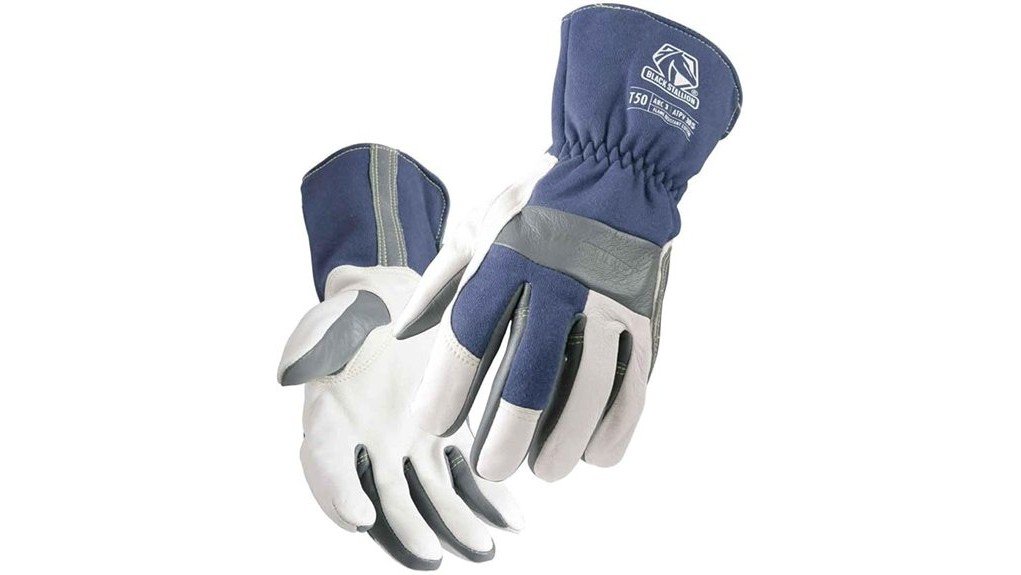
The Black Stallion TIG Welding Gloves are hand protection made for TIG welding, where touch and control matter as much as heat resistance. The article-supported material blend is 65% goatskin and 35% cotton, which gives the gloves a softer feel than many heavier welding gloves.
The design centers on fingertip sensitivity. A seamless index finger helps you feel the torch and filler rod more clearly, while the unlined palm helps you maintain grip without adding unnecessary bulk. Black Stallion also adds full coverage on the pinky and ring fingers, DragPatch side reinforcement, and Kevlar stitching to improve protection in common wear and heat areas.
Who Should Buy It?
Best For
- TIG welders who need better feel when feeding filler rod.
- Fabricators who prefer soft goatskin-style dexterity over bulky insulation.
- Users who want Kevlar stitching and side reinforcement for better glove life.
Skip If
- You need thick gloves for heavy MIG, stick welding, or constant spatter.
- You prefer a fully lined palm for more insulation from radiant heat.
- You need confirmed warranty, sizing, or color details before ordering.
Before You Buy: Choose these gloves for TIG control, not maximum heat insulation. If your work involves heavy spatter, long contact with hot metal, or stick welding slag, compare them with thicker welding gloves before you decide.
Material Composition and Design Features
The main reason to consider these gloves is the goatskin and cotton blend. Goatskin-style welding gloves are often chosen for flexibility, and this article specifically notes that the blend supports softness, hand movement, and fine motor control during detailed work.
The seamless index finger is especially useful for TIG welding. With fewer seams in the contact area, you get a cleaner feel when you pinch filler rod or adjust torch position. That matters when you need smooth, small movements instead of a thick glove that fights your hand.
The unlined palm also supports control. It lets you feel your grip more directly, which can help during short beads, small parts, and careful repositioning. The tradeoff is clear: an unlined palm gives you less insulation than a heavily lined glove, so you still need to avoid direct contact with hot workpieces.
Reinforcement and Durability
Black Stallion includes DragPatch side reinforcement to protect a common wear area. This matters if you rest the side of your hand near the work surface or brush against metal edges during setup and torch movement.
The article also highlights Kevlar stitching. That detail is important because seams are often a weak point on welding gloves. Heat-resistant stitching helps the glove hold together better than standard thread when exposed to welding heat and routine shop wear.
The pinky and ring finger coverage adds another layer of practical protection. Those fingers can sit closer to hot surfaces during awkward angles, so extra coverage helps reduce hot spots during careful TIG work.
Performance in TIG Welding Applications
These gloves are built around precision rather than bulk. For TIG welding, that is a sensible design choice because you need steady torch control, filler rod feed, and enough finger movement to make small adjustments.
The seamless index finger and unlined palm support tactile feedback. You can feel the filler rod better and keep a lighter grip on the torch. That can make the gloves more comfortable for thin material, small welds, repair work, and detailed fabrication.
Heat protection is still part of the design, but it is not unlimited. The full pinky and ring finger coverage, DragPatch reinforcement, and Kevlar stitching help in hot work areas. Still, you should treat these as TIG gloves, not as a replacement for heavier gloves when your work creates more spatter or sustained radiant heat.
How It Performs in Real Use
For Filler Rod Control
The best use case is filler rod handling. The soft material, seamless index finger, and unlined palm help you feed rod smoothly without losing too much touch through the glove.
For Small Fabrication Jobs
For short TIG beads, light fabrication, and small metal parts, the gloves should feel easier to control than thicker welding gloves. The dexterity-first design helps when you need to reposition small parts or maintain a steady hand angle.
For Longer Welding Sessions
The goatskin and cotton blend should feel comfortable during repeated TIG tasks because it allows more hand movement. During longer sessions, the main limit is heat buildup, so you may need breaks or a heavier glove if the workpiece becomes too hot.
For Shop Durability
The DragPatch reinforcement and Kevlar stitching give the gloves a stronger durability story than a basic thin leather glove. They are still wear items, so expect lifespan to depend on heat exposure, abrasion, and how often you drag the glove against sharp or rough metal.
How to Use These Gloves Correctly
Pick the right size before you focus on features. TIG gloves should fit close enough for control, but they should not pinch your fingers or restrict circulation. If a glove feels too tight, you may lose the hand movement that makes this type of glove useful.
Keep the gloves dry and clean before storage. Moisture, oil, and shop grime can reduce comfort and shorten leather life. Let them air dry fully after use, and avoid storing them under heavy tools or sharp metal edges.
Pro Tip: Use these gloves for the hand that needs the most feel, then keep a heavier pair nearby for hot part handling, grinding cleanup, or any task with more sparks and spatter.
Material Safety and Comfort
These gloves touch your skin during hot work, so comfort and safe use both matter. The article-supported material blend is 65% goatskin and 35% cotton, with an unlined palm that favors feel. If you have sensitive skin or react to leather products, wear them briefly at first and stop using them if irritation occurs.
Do not use any TIG glove as your only safety control. Follow the product label, your shop safety rules, and the guidance for your welding process. Use proper eye, face, clothing, and respiratory protection when the job requires it.
Pros and Cons
Pros
- 65% goatskin and 35% cotton blend supports flexibility and comfort.
- Seamless index finger improves tactile sensitivity for filler rod control.
- Unlined palm gives better feel than many bulkier welding gloves.
- DragPatch side reinforcement adds durability in a common wear area.
- Kevlar stitching helps protect seams from heat-related failure.
Cons
- Unlined palm offers less insulation than heavier lined welding gloves.
- Not the best choice for heavy MIG, stick welding, or constant spatter.
- Size, color, and warranty details should be confirmed on the seller page before ordering.
Is It Worth the Price?
The Black Stallion TIG Welding Gloves are worth considering if you care more about dexterity than maximum insulation. The value comes from the article-supported mix of goatskin and cotton, seamless index finger, unlined palm, DragPatch reinforcement, and Kevlar stitching.
They make the most sense as a smart buy for everyday TIG work, especially if you often handle filler rod or small parts. They are not the best fit if you want one glove for every welding process, because heavier MIG or stick work usually calls for more insulation and spatter protection.
How It Compares to Alternatives
Compared with thicker stick welding gloves, these Black Stallion gloves should feel more precise but less insulated. Compared with basic thin TIG gloves without side reinforcement, the DragPatch and Kevlar stitching give them a stronger durability profile for regular shop use.
If your main concern is heat shielding, compare them with lined welding gloves. If your main concern is touch, filler rod control, and a flexible hand feel, these gloves are a better match.
Frequently Asked Questions
Are the Black Stallion TIG Welding Gloves good for TIG welding?
Yes, they are designed around TIG welding needs such as dexterity, filler rod control, and hand movement. The seamless index finger and unlined palm help you keep a better feel during precise work.
What material are these gloves made from?
The article-supported material is a 65% goatskin and 35% cotton blend. This mix supports softness and flexibility, which are useful for TIG work that needs fine hand control.
Why does the seamless index finger matter?
A seamless index finger reduces bulk and seam interference where you need the most touch. That can help when you feed filler rod, adjust your grip, or hold a steady torch angle.
Do these gloves protect against heat?
They include full coverage on the pinky and ring fingers, DragPatch side reinforcement, and Kevlar stitching to help with heat exposure during TIG work. They are still dexterity-focused gloves, so avoid direct contact with hot metal and use heavier gloves when the job demands more insulation.
Are these gloves machine washable?
No. Clean them by hand with mild soap and warm water when needed, then let them dry fully before storage. Avoid harsh chemicals and machine washing because they can damage leather and reduce glove life.
What size should you choose?
Choose a size that feels close but not tight. A tight glove can reduce dexterity, while a loose glove can make filler rod control harder. Check the current Amazon size options before ordering.
Who should skip these welding gloves?
Skip them if your main work is heavy MIG, stick welding, slag cleanup, or frequent hot part handling. Those jobs usually need thicker gloves with more insulation and stronger spatter protection.
The Bottom Line
The Black Stallion TIG Welding Gloves are a strong fit if you want flexible TIG gloves with a goatskin and cotton blend, seamless index finger, unlined palm, DragPatch reinforcement, and Kevlar stitching. They are best for precision welding and filler rod control, but you should skip them if you need heavy insulation for high-spatter or high-heat welding tasks.