Disclosure: As an Amazon Associate, we earn from qualifying purchases. If you click a link on this page and make a purchase, we may receive a small commission at no extra cost to you.
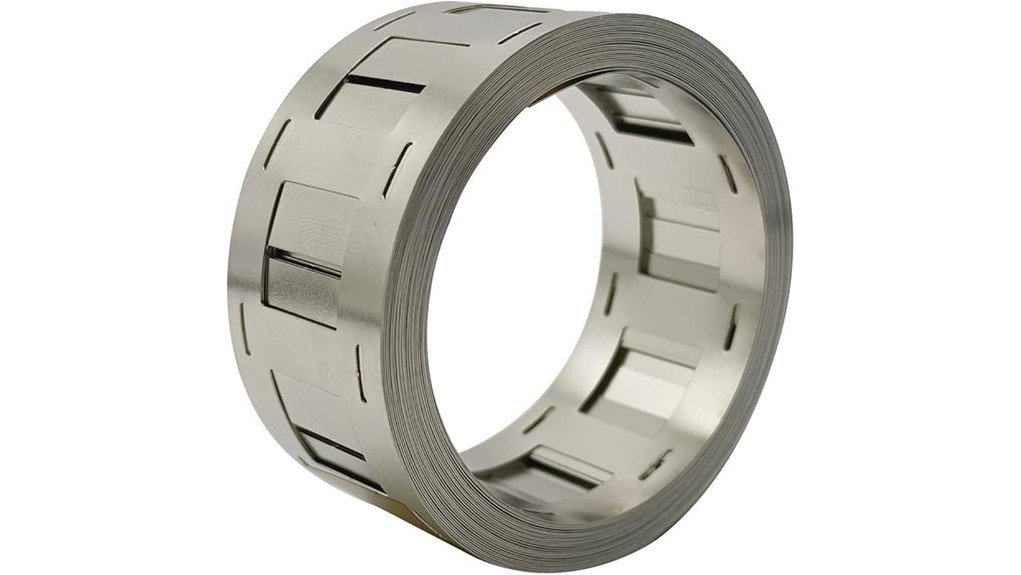
Building or repairing 18650 battery packs depends on small parts that carry current safely and consistently. The 2P Nickel Plating Strip is made for battery connection work where you need a cut-to-length strip for parallel pack layouts. Its 0.15mm thickness, 27mm width, 5M length, and 20.2mm spacing give you a practical starting point for DIY battery assemblies. This review helps you decide whether it fits your project, what it does well, and where you should be careful before using it around lithium cells.
Quick Verdict
Rating: 8/10
Best For: DIY battery builders who need a 2P nickel plating strip for 18650 pack connections.
Bottom Line: This strip is useful when you need a long, cuttable connector material for spot-welded battery packs. The main tradeoff is that you must confirm it matches your cell layout, current needs, and welding setup before using it in a working pack.
| Specification | Detail |
|---|---|
| Product Name | 2P Nickel Plating Strip |
| Product Type | Battery pack connector strip |
| Design | 2P strip layout for battery connection work |
| Thickness | 0.15mm |
| Width | 27mm |
| Length | 5M, approximately 16.4ft |
| Spacing | 20.2mm spacing |
| Material Note | Nickel plating strip, confirm whether your project requires pure nickel before buying |
| Compatibility | Article-supported use with 18650 lithium battery pack projects |
| Installation Method | Cut to length and secure with a spot welding machine |
| Best Use | DIY battery pack assembly, electronic repair, and battery connection layouts |
| Safety Note | Use proper battery-building practices, check polarity, avoid shorts, and follow your spot welder and cell manufacturer guidance. |
What Is the 2P Nickel Plating Strip?
The 2P Nickel Plating Strip is a cuttable connector strip for battery pack assembly, especially 18650 lithium cell projects. It measures 0.15mm thick, 27mm wide, and 5M long, so you have enough material for multiple small layouts or a larger DIY pack project.
The strip is designed to be placed over lithium battery cells and attached with a spot welding machine. Its stated benefits include high conductivity, oxidation resistance, corrosion resistance, and easy cutting for custom layouts.
This product makes the most sense when you already understand your battery configuration and need strip material that can support clean, repeatable connections. It is not a complete battery-building kit, and it does not replace safe pack design, proper insulation, cell matching, or correct welding technique.
Before You Buy: Confirm that a nickel plating strip is acceptable for your battery pack. Some high-current projects may require pure nickel strip, a different thickness, or a different layout based on cell type and load.
Who Should Buy It?
Best For
- DIY battery builders working on 18650 battery pack layouts.
- Users who need a 5M strip they can cut to custom lengths.
- Projects that use a spot welding machine for battery connections.
Skip If
- You need confirmed pure nickel material for a high-current battery pack.
- You do not have a proper spot welder or safe battery-building setup.
- Your cell spacing, pack layout, or current demand requires a different strip size.
Product Features and Specifications
The strongest part of this strip is its simple, project-friendly format. At 5M long, it gives you more flexibility than small pre-cut tabs, especially when you need to adjust length for a custom pack layout.
The 0.15mm thickness helps keep the strip manageable for cutting and spot welding. The 27mm width and 20.2mm spacing are important details because they affect how well the strip lines up with your battery cells.
The article-supported claims include high conductivity, oxidation resistance, and corrosion resistance. Those traits matter because weak or inconsistent battery connections can cause voltage drop, heat buildup, or long-term reliability issues.
Build Quality and Materials
This is described as a nickel plating strip, so you should treat the material wording carefully. Nickel plating can help with surface protection and electrical contact, but it is not the same claim as confirmed pure nickel.
For light to moderate DIY battery connection work, the strip design can be useful because you can cut it cleanly and shape it around your pack layout. For demanding battery builds, you should check the seller details and compare the strip against your expected current load before final assembly.
Conductivity and Battery Performance
A battery connector strip needs to move current between cells with as little resistance as practical. The product description highlights high conductivity, which is useful for efficient energy transfer in 18650 battery packs.
Good conductivity can support steadier pack performance, but it depends on more than the strip alone. Your cell quality, weld strength, strip thickness, pack design, insulation, and current draw all affect the final result.
The strip may work well for DIY projects where clean connections and repeatable placement matter. Still, you should not use it as a shortcut for proper electrical planning, especially in packs that power tools, e-bikes, scooters, or other higher-load devices.
Fit and Compatibility
The 2P layout, 27mm width, and 20.2mm spacing make this strip most relevant for battery layouts that match those dimensions. It is especially aimed at 18650 battery pack projects, based on the article-supported product details.
Before cutting the strip, place it over your cell group and check alignment. The strip should sit where the weld points belong without forcing the cells out of position or creating contact with areas that should stay insulated.
Pro Tip: Dry-fit the strip over your battery layout before welding. Mark your cuts first, then check cell spacing, polarity, and insulation clearance before you make permanent connections.
Application and Usage Instructions
To use the strip, cut it to the needed length, position it on the lithium battery cell group, and secure it with a spot welding machine. This approach is common for battery pack assembly because it avoids prolonged heat exposure from soldering directly to battery cells.
You should use cutting tools that leave clean edges and avoid burrs that could damage insulation. After cutting, keep the strip flat enough for stable contact, then align it carefully before welding.
Always follow your spot welder instructions and the battery cell manufacturer’s safety guidance. Check polarity before welding, keep metal tools away from exposed terminals, and inspect the finished pack for loose welds or accidental shorts.
Compatibility and Safety
Battery pack work can be risky if you use the wrong material, the wrong layout, or poor welding technique. This strip may help create secure connections, but it does not make a battery pack safe by itself.
Use the strip only with cells and pack designs that match its size and electrical needs. If you are building a pack for high-drain use, confirm the required strip material, thickness, and current capacity before you start.
You should also use proper insulation rings, fish paper, heat shrink, and battery management protection where your pack design requires them. If you are unsure about pack design or current ratings, ask a qualified battery technician before using the pack.
How It Performs in Real Use
For DIY 18650 Battery Packs
The 5M length gives you enough material to cut several sections for custom pack layouts. This is helpful when you are testing a layout, adjusting strip length, or building more than one small battery pack.
For Parallel Battery Connections
The article notes that the strip supports robust connections in parallel configurations. That makes the 2P layout useful when your cell spacing matches the strip and you need repeatable connection points.
For Electronics Repair Projects
For small electronic assemblies, the strip can help you create direct battery connections without relying on loose wire bridges. The main benefit is cleaner placement, but you still need enough clearance to prevent shorts.
For Long-Term Use
The stated oxidation and corrosion resistance may help the strip hold up better in storage and regular use. Long-term performance still depends on weld quality, pack protection, and the environment where the battery pack operates.
Common Mistakes to Avoid
Do not assume this strip fits every 18650 layout just because it is made for battery projects. Measure your cell holder, cell spacing, and connection path before making the first cut.
Do not solder directly to lithium cells as a substitute for spot welding unless the cell manufacturer or a qualified professional specifically supports that method. Excess heat can damage cells and create safety risks.
Do not leave sharp strip edges exposed inside the pack. Any edge that can rub through insulation or touch another conductor should be corrected before the battery is charged or used.
Pros and Cons
Pros
- 5M length gives you flexible material for multiple cuts or custom layouts.
- 0.15mm thickness is manageable for cutting and spot welding work.
- 27mm width and 20.2mm spacing support specific 2P battery layouts.
- Article-supported oxidation and corrosion resistance help with durability.
- Useful for 18650 battery pack assembly when your layout matches the strip.
Cons
- Material is described as nickel plating, so pure nickel requirements need confirmation.
- Not ideal if your battery layout does not match the 27mm width or 20.2mm spacing.
- Requires a proper spot welding machine and safe battery-building knowledge.
Is It Worth the Price?
The 2P Nickel Plating Strip is worth considering if you need a simple consumable strip for 18650 battery pack work. Its value comes from the 5M length, cut-to-fit format, and battery-focused dimensions.
You get the most value if your projects need repeated strip cuts rather than a few pre-cut tabs. That makes it a practical buy for hobby battery builders, repair work, and small electronics projects.
It is not the best fit if you need confirmed pure nickel, a thicker strip, or a strip rated for a specific high-current build. In those cases, your safest choice is to verify the exact material and electrical requirements before buying.
How It Compares to Alternatives
Compared with pre-cut nickel tabs, this 5M strip gives you more flexibility because you can cut the exact length you need. Pre-cut tabs may be easier for beginners, but they give you less control over custom pack layouts.
Compared with confirmed pure nickel strip, this nickel plating strip needs more buyer caution if current capacity matters. Compared with loose wire connections, it can create a cleaner battery pack layout when used with the right spot welding setup.
Frequently Asked Questions
Is the 2P Nickel Plating Strip flexible for tight spaces?
Yes, the strip is thin enough to cut and position for many battery layouts. You should still avoid sharp bends that could weaken the strip or create poor contact at the weld points.
Can this strip be used for 18650 battery packs?
Yes, the article-supported use case is 18650 battery pack assembly. Check your cell spacing, pack layout, and current requirements before cutting or welding the strip.
Is this pure nickel or nickel-plated material?
The article identifies it as a nickel plating strip, not confirmed pure nickel. If your battery pack requires pure nickel for current handling or durability, verify the seller’s material details before buying.
What tools do you need for installation?
You need cutting tools and a spot welding machine. You should also use proper battery insulation materials and safety gear based on your pack design.
Can you solder this strip directly to battery cells?
The article-supported method is spot welding. Direct soldering to lithium battery cells can expose cells to excess heat, so follow cell manufacturer guidance or get professional help if you are unsure.
How should you store the strip?
Store it in a cool, dry place away from moisture and extreme temperatures. Keeping it clean and dry helps protect the strip surface before use.
Who should skip this product?
Skip it if you do not know your pack’s current requirements or if your project requires a verified pure nickel strip. You should also skip it if you do not have the tools or experience to spot weld battery cells safely.
The Bottom Line
The 2P Nickel Plating Strip is a practical choice for DIY battery builders who need a 0.15mm x 27mm x 5M strip for 18650 pack connection work. Its main strengths are cut-to-length flexibility, article-supported conductivity, and corrosion resistance, while its main limitation is the need to confirm material type and compatibility for your exact battery build.
Buy it if the dimensions match your pack and you already have a safe spot welding setup. Skip it if your project needs confirmed pure nickel, higher current handling, or professional battery engineering support.