Disclosure: As an Amazon Associate, we earn from qualifying purchases. If you click a link on this page and make a purchase, we may receive a small commission at no extra cost to you.
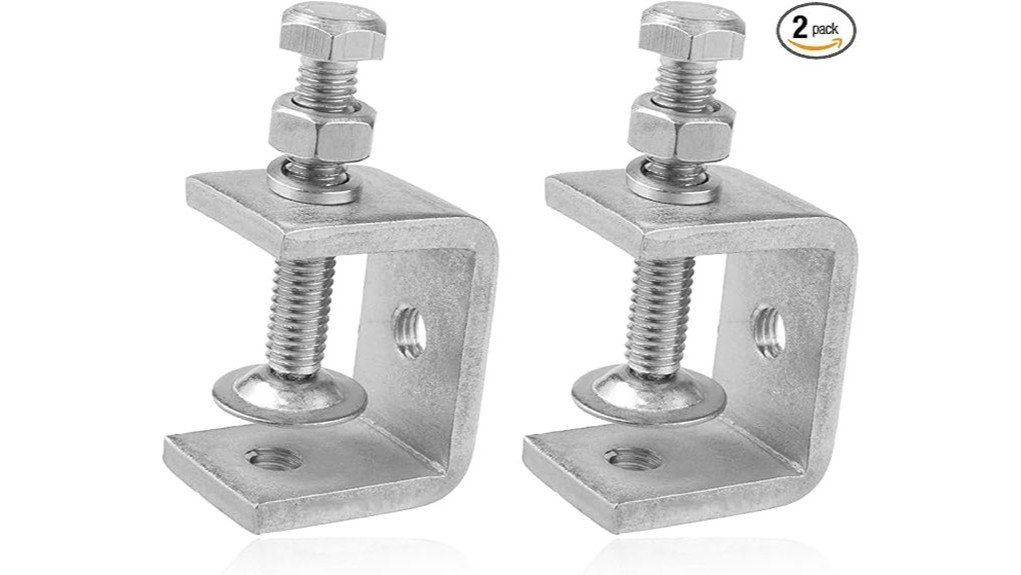
Small clamps can make or break a project when you need steady pressure on thin parts, trim pieces, small boards, or light metalwork. The 2 Pack 304 Stainless Steel C Clamps is built for compact clamping jobs where rust resistance, controlled tightening, and surface protection matter more than heavy-duty force. This review helps you decide if the 30mm jaw opening and 0-25mm clamping range match your work. The main strength is the stainless steel build, while the main limitation is the small working range.
Quick Verdict
Rating: 8/10
Best For: DIY users, woodworkers, crafters, and light metalworking users who need small rust-resistant clamps.
Bottom Line: These compact 304 stainless steel C clamps are a smart add-on for small projects that need steady pressure without harsh surface contact. Skip them if you need a large opening, verified load rating, or heavy-duty shop clamping power.
| Specification | Detail |
|---|---|
| Product type | Compact C clamp set |
| Count | 2 clamps |
| Material | 304 stainless steel |
| Design | Screw-style C clamp with protective pad design |
| Jaw opening | 30mm |
| Clamping range | 0-25mm |
| Approximate weight | About 100g per clamp |
| Surface protection | Protective pad design to help reduce pressure marks and material deformation |
| Best use | Woodworking, crafting, light metalwork, table clamping, and small support tasks |
| Not ideal for | Thick stock, high-force clamping, heavy welding fixtures, or large assemblies |
| Safety note | Measure your material first and keep it within the 0-25mm clamping range. |
What Are the 2 Pack 304 Stainless Steel C Clamps?
The 2 Pack 304 Stainless Steel C Clamps are compact screw-style clamps made to hold small materials in place while you cut, glue, align, assemble, mark, or support parts. The listed 30mm jaw opening and 0-25mm clamping range make them better for thin materials than thick lumber or large fabrication pieces.
The key material is 304 stainless steel. That matters when you store tools in garages, sheds, utility rooms, or damp work areas where cheaper metal parts may corrode faster. Each clamp is listed at about 100g, so the pair is easy to keep in a small tool drawer, craft box, or mobile repair kit.
These clamps are best viewed as small precision holding tools, not as a replacement for full-size C clamps. They work well when your project needs controlled pressure on a compact surface, but they are not made for high-force clamping or oversized workpieces.
Key Takeaways
- The 304 stainless steel construction supports rust resistance and normal workshop durability.
- The 30mm jaw opening and 0-25mm clamping range make these clamps best for small and medium-light holding tasks.
- The protective pad design helps reduce pressure marks and deformation on the clamped surface.
- The 2-pack format gives you balanced pressure when one clamp would let the piece twist or lift.
- These clamps are not the right choice for thick stock, large fixtures, or high-force industrial clamping.
Before You Buy: Check your material thickness before ordering. The supported clamping range is 0-25mm, so these clamps are not designed for thick boards, large welding fixtures, or heavy fabrication setups.
Who Should Buy It?
Best For
- DIY users who need small clamps for light holding, alignment, and support.
- Woodworkers working with thin boards, trim, panels, templates, or small assemblies.
- Crafters and hobbyists who want rust-resistant clamps with surface-protective pads.
Skip If
- You need to clamp material thicker than 25mm.
- You need large shop clamps for heavy woodworking, welding fixtures, or thick metal stock.
- You need a verified brand, load rating, model number, or warranty term before buying.
Build Quality and Materials
The strongest point of these clamps is the 304 stainless steel construction. For a small clamp, rust resistance is useful because hand tools often sit in toolboxes, garages, sheds, and utility areas where moisture and dirt can shorten tool life.
Stainless steel also helps the clamp keep a cleaner feel through repeated use. That does not make the clamp unlimited in strength. Because the supported range is 0-25mm and each clamp weighs about 100g, you should treat this set as compact holding hardware rather than heavy-duty shop equipment.
The protective pad design adds practical value because direct metal contact can dent, scratch, or deform softer materials. It is especially useful when you clamp thin trim, finished wood, small craft pieces, light sheet material, or delicate edges.
Jaw Opening and Clamping Range
The 30mm jaw opening gives you room for many small parts, thin boards, templates, light metal pieces, craft materials, and fixture points. The practical working range is listed as 0-25mm, which is the number that matters most before you buy.
That range is useful when you need close control, but it can feel limiting if your project uses thick boards, layered parts, or wide edges. Measure the piece you plan to clamp and leave a small amount of adjustment room so the screw can tighten without forcing the clamp beyond its comfortable range.
Protective Pad Design
The protective pad design helps spread pressure across the contact point. That can reduce surface marks when you work with finished wood, thin sheet material, small craft parts, trim pieces, or painted surfaces.
The pad does not guarantee a mark-free result in every situation. Softer materials can still compress if you overtighten the screw. Use firm pressure rather than excessive force, especially on soft wood, decorative pieces, thin metal, or finished surfaces.
Applications and Use Cases
These clamps fit small workshop jobs where stability and control matter. In woodworking, you can use them to hold narrow stock, small joints, edge guides, or lightweight parts during layout and assembly. In crafting, the 2-pack setup helps when you need pressure on two points instead of one.
For light metalworking, the stainless steel build and compact size can help with temporary holding and positioning. They are also useful for general household tasks, such as table clamping, supporting small parts, or holding a window shade component during adjustment. The key is matching the clamp size to the task rather than expecting large-clamp performance from a compact tool.
How It Performs in Real Use
For Small Woodworking Projects
The 0-25mm range works well for thinner boards, strips, small trim pieces, and light assembly work. The protective pad is helpful when the visible face of the material matters. You still need to avoid overtightening on soft wood or thin finished surfaces.
For Crafting and Hobby Work
The approximate 100g weight per clamp makes the set easy to move around a craft table. The 2-pack format helps when one clamp is not enough to keep a piece from twisting or lifting. This is useful for small glued parts, templates, model pieces, or alignment work.
For Light Metalworking
The 304 stainless steel construction is a practical advantage around light metalworking areas because rust resistance can help tool life. These clamps can support light positioning tasks, but they should not be treated as high-force welding clamps or a substitute for larger fabrication fixtures.
For Home and Garage Use
These clamps are easy to store and useful for quick hold-down jobs around the home or garage. They are best kept for smaller support tasks, such as holding a thin part in place while you measure, mark, glue, drill, or adjust.
How to Use It Correctly
Start by checking that your material fits within the 0-25mm clamping range. Place the protective pad flat against the work surface, then tighten the screw until the clamp feels secure. Stop once the piece no longer moves, because extra force can damage softer materials.
When using both clamps, place them evenly so the pressure is balanced. This helps prevent the workpiece from shifting, tilting, or lifting at one end. For finished surfaces, consider adding a scrap pad or thin protective layer under the clamp if the material is especially soft or easy to mark.
Pro Tip: Use the two clamps as a pair when aligning a small board, strip, or metal piece. One clamp holds the position, while the second helps prevent rotation or edge lift.
Common Mistakes to Avoid
Do not use these clamps just because the jaw can open around the edge of a piece. The 0-25mm clamping range still matters because the screw needs enough room to tighten without stressing the clamp or sitting at an awkward angle.
Avoid using the clamp as a lifting hook, hanging support, or body-weight support. Also avoid clamping directly onto delicate finished surfaces without checking pressure first. When the material is soft, add a scrap pad and tighten gradually.
Maintenance and Storage
Although 304 stainless steel is rust-resistant, basic care still helps the clamps last longer. Wipe dust, glue residue, moisture, and metal debris from the clamp after use. Keeping the screw threads clean also helps the clamp tighten smoothly over time.
Store the pair in a dry drawer, small parts bin, or toolbox compartment. If you use them around glue, paint, or metal filings, clean the pads before the next project so debris does not transfer to your work surface.
Material Safety and Work Surface Protection
The article-supported material is 304 stainless steel, which is a practical choice for a clamp because it resists rust better than many basic steel tools. The protective pad design also helps reduce deformation on the material being clamped.
Use normal workshop safety habits. Keep fingers clear of pinch points, do not overtighten the screw, and do not use these clamps for lifting, hanging, or supporting body weight. For welding or heat-related tasks, confirm the product instructions and avoid exposing pads or contact points to conditions beyond what the seller recommends.
Pros and Cons
Pros
- 304 stainless steel construction supports rust resistance and workshop durability.
- 30mm jaw opening works for many small clamping and alignment tasks.
- 0-25mm clamping range is useful for thin materials and compact projects.
- Protective pad design helps reduce surface marks and deformation.
- 2-pack quantity gives you better balance than using one clamp alone.
Cons
- Not suitable for material thicker than the supported 0-25mm range.
- Brand, model number, load rating, and warranty details are not verified in the source article.
- Not ideal for heavy-duty welding fixtures or large woodworking assemblies.
Is It Worth the Price?
These clamps are worth considering if you need a compact, rust-resistant 2-pack for light shop work, DIY tasks, and small material holding. The value comes from the 304 stainless steel build, the protective pad design, and the ability to use two clamps at once for better stability.
They make the most sense as a small-tool add-on rather than your only clamping solution. If your projects often involve thick lumber, large metal pieces, or high clamping pressure, you will get better value from larger C clamps or purpose-built welding clamps.
Because no verified load rating or warranty term is included in the article-supported details, buyers who need professional shop documentation should check the seller listing carefully before ordering.
How It Compares to Alternatives
Compared with larger cast iron C clamps, these stainless steel clamps are smaller, lighter, and better for compact projects where rust resistance and surface protection matter. Larger cast iron clamps are usually better when you need more jaw depth, heavier pressure, or wider material capacity.
Compared with spring clamps, these screw-style C clamps give you more controlled tightening. Spring clamps are faster for temporary holds, but they may not give you the same steady pressure on small alignment tasks. These 304 stainless steel C clamps make the most sense when you want compact size, controlled pressure, and a 2-pack setup.
Frequently Asked Questions
What size material can these clamps hold?
The supported clamping range is 0-25mm, with a jaw opening of 30mm. Measure your material before buying, especially if you plan to clamp thicker boards, layered parts, or wide edges.
Are these clamps good for woodworking?
Yes, they can work well for small woodworking jobs involving thin boards, trim, edge guides, and light assembly. They are not the best choice for thick lumber or high-pressure glue-ups.
Can I use them for metalworking or welding tasks?
They can help with light metal positioning and small support tasks. For welding fixtures, heavy fabrication, or thick metal parts, use larger clamps designed for that level of force and heat exposure.
Will the protective pad prevent all surface marks?
The protective pad design helps reduce deformation and marking, but it cannot prevent every mark on soft or finished materials. Use moderate pressure and add a scrap protective layer when clamping delicate surfaces.
Can these replace larger C clamps?
No. These clamps are better for small holding and alignment tasks. Use larger C clamps when you need more jaw depth, higher pressure, or support for thicker material.
Are the clamps suitable for outdoor use?
The 304 stainless steel construction supports rust resistance, which is helpful for damp garages, sheds, and occasional outdoor project use. Still, wiping the clamps dry and storing them indoors will help protect the threads and pads.
What warranty do these clamps include?
The source article does not verify a specific warranty term. Check the Amazon listing and seller details before ordering if warranty coverage is important to you.
The Bottom Line
The 2 Pack 304 Stainless Steel C Clamps is a recommended-with-caveats choice for small woodworking, crafting, light metalwork, and general DIY holding tasks. Buy it if you want compact rust-resistant clamps with a protective pad design, but skip it if you need a larger clamping range, verified load rating, or heavy-duty shop capacity.