Disclosure: As an Amazon Associate, we earn from qualifying purchases. If you click a link on this page and make a purchase, we may receive a small commission at no extra cost to you.
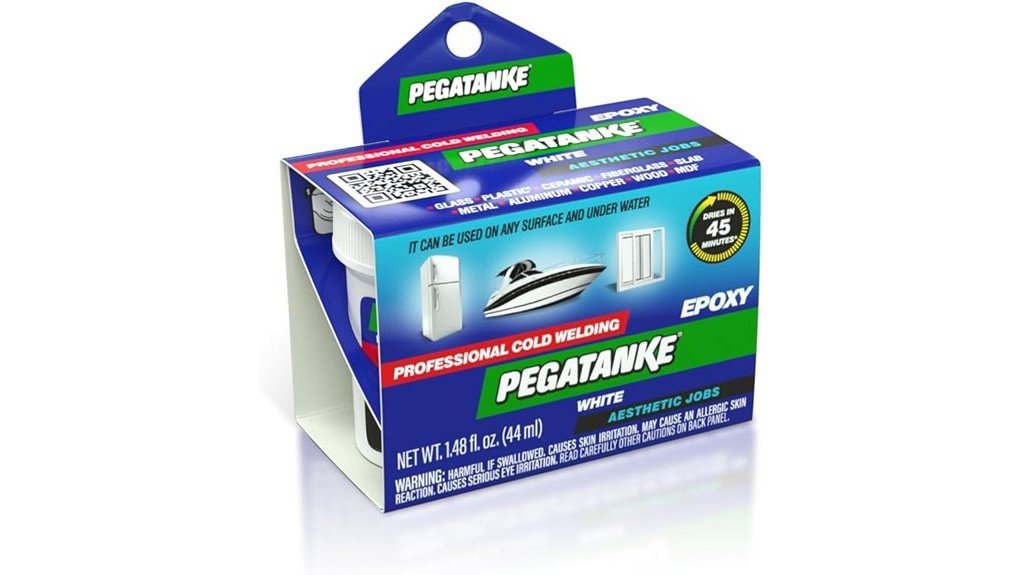
Strong repairs can fail fast when the adhesive cannot handle pressure, vibration, water, or mixed materials. The PEGATANKE White 2 Part Epoxy Resin is made for tougher repair jobs where basic household glue is not enough. It uses a two-part cold-weld formula that bonds to metal, wood, ceramic, glass, PVC, plastic, tile, fiberglass, and similar rigid surfaces. This review helps you decide where it performs well, where surface prep matters most, and when a more specialized adhesive may be the safer choice.
Quick Verdict
Rating: 8/10, Recommended with caveats
Best For: Heavy-duty repairs on rigid materials, wet surfaces, and mixed household, automotive, or marine parts
Bottom Line: PEGATANKE offers strong, waterproof bonding and broad material compatibility for repair work. The tradeoff is that you must mix it correctly, prepare the surface well, and avoid flexible or acrylic-heavy repairs.
Key Specifications
| Specification | Detail |
|---|---|
| Brand | PEGATANKE |
| Product Name | PEGATANKE White 2 Part Epoxy Resin |
| Product Type | Two-part epoxy adhesive and cold-weld repair compound |
| Color | White |
| Net Content | 1.48 oz |
| Texture | Thick paste after mixing |
| Mixing Ratio | Equal parts compound 1 and compound 2 |
| Stir Time | About 3 minutes with the included spatula |
| Dry Time | Typically 1 to 2 hours |
| Full Cure Time | Around 8 hours, depending on conditions and repair thickness |
| Bond Strength Claim | Up to 550 lbs of dead weight per 1.48 oz under ideal conditions |
| Pressure Claim | Up to 120 PSI under ideal conditions |
| Compatible Surfaces | Metal, steel, aluminum, copper, MDF, ceramic, paving stone, wood, glass, PVC, plastic, tile, and fiberglass |
| Known Limitation | Less effective on acrylic surfaces |
| Best Use | Rigid repairs where strength, water resistance, and gap filling matter more than flexibility |
What Is the PEGATANKE White 2 Part Epoxy Resin?
The PEGATANKE White 2 Part Epoxy Resin is a cold-weld adhesive made for repair jobs that need more strength than standard glue. You mix compound 1 and compound 2 in equal parts, stir the blend for about three minutes, and apply it as a thick paste before it begins to set.
It is designed for rigid surfaces such as metal, wood, ceramic, glass, PVC, tile, and fiberglass. The white finish also makes it more useful for visible repairs on refrigerators, boats, freezers, water heaters, window treatments, and light-colored household surfaces.
The main appeal is its combination of waterproof performance, high dead-weight strength claim, and broad material compatibility. The main limitation is that it depends heavily on clean surfaces, correct mixing, and enough cure time before stress is applied.
Who Should Buy It?
Best For
- DIY users who need a stronger bond for rigid household repairs
- Vehicle and workshop owners repairing brackets, housings, surface cracks, or non-critical parts
- Boat, water-tank, or appliance owners who need a waterproof adhesive for controlled repair work
Skip If
- You need a flexible adhesive for rubber, soft plastic, fabric, or high-movement joints
- You are repairing acrylic, where the product is not as effective
- The repair is safety-critical, load-bearing, or part of a pressurized system that requires professional service
Before You Buy: Do not treat this epoxy as a universal fix for every pressure, fuel, exhaust, or structural repair. Use it only where the product label fits the material and job, and get professional help for critical vehicle, plumbing, marine, or safety-related repairs.
Build Quality and Bonding Performance
PEGATANKE’s strength comes from its two-part epoxy formula, which cures into a hard, rigid bond. The product claims it can hold up to 550 lbs of dead weight per 1.48 oz and resist up to 120 PSI under ideal conditions.
Those numbers are useful for comparing it against lighter household adhesives, but real results depend on the repair surface. Clean metal, glass, tile, ceramic, and wood usually give epoxy a better grip than oily, dusty, glossy, flexible, or loose surfaces.
The cured bond is better suited to rigid repairs than moving joints. If the joined parts bend, twist, expand, or vibrate heavily, the hard epoxy layer may crack or separate over time.
Surface Compatibility
This epoxy is built for broad surface use, including metal, steel, aluminum, copper, MDF, ceramic, paving stone, wood, glass, PVC, plastic, tile, and fiberglass. That makes it useful when you need to bond dissimilar materials, such as metal to ceramic or plastic to wood.
The key exception is acrylic. PEGATANKE states that it works on many surfaces but is not as effective on acrylic, so you should choose a plastic-specific adhesive for acrylic sheets, acrylic fixtures, or clear acrylic repairs.
Because it applies as a thick paste, it can help fill small gaps better than thin liquid glues. That paste texture is useful around cracks and uneven surfaces, but it can look bulky if you need an invisible repair line.
Waterproof and Wet-Surface Use
PEGATANKE White is designed for wet surfaces and can dry underwater. That makes it more practical for boats, water-related housings, appliance areas, and emergency wet-surface sealing than many standard epoxies.
Wet use still requires realistic expectations. Underwater repairs are harder because water, pressure, surface slime, and movement can reduce adhesion. You should clean and roughen the repair area whenever possible, then allow the epoxy to cure without stress.
For critical leaks, pressurized plumbing, fuel systems, or marine safety parts, use this product only as directed and consider it a temporary or reinforcement repair until a proper replacement can be made.
Ease of Use
The application process is simple, but it is not mistake-proof. You clean the repair area, mix equal parts of both compounds, stir for about three minutes, apply the paste, and join the parts before the mixture starts to set.
The dry time is typically 1 to 2 hours, with a full cure around 8 hours. You should avoid loading, sanding, drilling, painting, or exposing the repair to heavy stress before the full cure period passes.
Because the formula is a thick paste, you may need a small applicator, masking tape, or a disposable mixing surface for neater work. Wear gloves and follow the product label, especially when working indoors or around water-contact surfaces.
How It Performs in Real Use
For Household Appliance Repairs
The white finish makes PEGATANKE useful for visible repairs around refrigerators, freezers, and light-colored appliance trim. It works best when the broken part is rigid and clean, such as a plastic mount, ceramic piece, or small housing crack.
For Automotive and Workshop Repairs
For vehicles and tools, it can help with non-critical surface cracks, brackets, covers, and housings where welding is not practical. You should not use it as the only repair on parts that affect braking, steering, suspension, fuel safety, or high-pressure operation.
For Marine and Wet Repairs
The waterproof formula gives it an advantage for controlled wet-surface repairs on boats, tanks, and water-exposed parts. For best results, remove loose material, clean the area, and give the epoxy enough cure time before exposing it to movement or pressure.
For DIY Projects and Mixed Materials
PEGATANKE is useful when you need to join rigid materials that do not match, such as tile to wood, ceramic to metal, or fiberglass to plastic. Its gap-filling paste works well for repair work, but it may be too thick for delicate crafts or thin invisible seams.
How to Use It Correctly
Start by cleaning both surfaces thoroughly. Remove oil, dust, rust, loose paint, old adhesive, and moisture when the repair allows it, because contamination can reduce bond strength.
Mix equal amounts of compound 1 and compound 2 on a disposable surface. Stir for about three minutes until the mixture looks consistent, then apply it to the repair before it begins to set.
Press the parts together and keep them stable during the initial dry period. Allow the repair to cure for around 8 hours before applying load, pressure, or heavy vibration.
Pro Tip: Lightly sand glossy metal, plastic, tile, or painted surfaces before applying the epoxy. A slightly rough surface gives the cured paste more mechanical grip and can improve long-term hold.
Common Mistakes to Avoid
The most common mistake is mixing unequal amounts of the two compounds. If the ratio is off, the epoxy may stay soft, cure unevenly, or fail earlier than expected.
Another common issue is rushing the cure time. A repair may feel dry after 1 to 2 hours, but that does not mean it is ready for pressure, vibration, or full load.
You should also avoid applying it over dirty, oily, flaky, or flexible surfaces. Epoxy bonds to the surface layer, so a weak surface layer can break away even when the epoxy itself cures hard.
Compatibility and Safety Notes
PEGATANKE is a repair adhesive, not a substitute for certified parts, professional welding, or code-compliant plumbing work. Use it carefully around pressure, heat, fuel, electrical, food-contact, or potable-water areas, and follow the product label for safe handling.
Work in a ventilated area when possible, keep the compounds away from children, and avoid skin or eye contact. If you are repairing an item that affects safety, structural support, or a vehicle system, get a qualified technician’s opinion before relying on epoxy alone.
The product works on many plastics, but acrylic is a known weak spot. For acrylic, soft rubber, flexible vinyl, fabric, or silicone-like surfaces, you may get better results from an adhesive made for that exact material.
Pros and Cons
Pros
- Strong dead-weight claim makes it useful for tougher rigid repairs
- Works on many common surfaces, including metal, wood, ceramic, glass, PVC, tile, and fiberglass
- Waterproof formula can dry underwater when the job is prepared correctly
- White finish is helpful for appliances, boats, and light-colored visible repairs
- Thick paste consistency helps fill small cracks, gaps, and uneven repair areas
Cons
- Requires accurate equal-part mixing and about three minutes of stirring
- Not as effective on acrylic and not ideal for flexible joints
- Needs clean, stable surfaces and full cure time to reach best performance
- May not be suitable as the only fix for critical pressure, fuel, marine, or structural repairs
Need a Strong Repair Epoxy?
Check the product details and confirm the material match before you buy.
Is It Worth the Price?
PEGATANKE sits in the mid-range epoxy category because it offers more repair strength and wet-surface capability than basic craft or household glues. It makes the most sense if you want one adhesive for several rigid materials instead of buying separate products for metal, ceramic, tile, and fiberglass repairs.
You get the best value when you use it for workshop, home, appliance, vehicle, or boat repairs where its thick paste and waterproof cure solve a real problem. It is less valuable if you need a fast cosmetic glue, a flexible sealant, or a material-specific adhesive for acrylic.
For occasional repair work, the 1.48 oz size is practical because you mix only what you need. For larger jobs, you should confirm the needed quantity before buying because the small tube size may not cover wide gaps or long seams.
How It Compares to Alternatives
Compared with standard five-minute epoxies, PEGATANKE focuses more on strong, waterproof repair work than quick bonding. That makes it better for tough repairs, but less convenient when you need a fast, clean cosmetic fix.
Compared with steel-filled industrial epoxies, PEGATANKE White gives you a cleaner light-colored finish and broader household appeal. A specialized metal epoxy may still be better for extreme heat, heavy machining, or metal-only repairs.
Compared with silicone sealants, this epoxy cures harder and grips rigid materials better. Silicone is usually the better choice when the joint needs flexibility or movement resistance.
Frequently Asked Questions
Can PEGATANKE White Epoxy Resin be used underwater?
Yes, this white PEGATANKE epoxy is designed for wet surfaces and can dry underwater. You still need to clean and stabilize the repair area as much as possible for the best bond.
How long does it take to fully cure?
It usually dries in 1 to 2 hours and reaches full cure around 8 hours. Temperature, repair thickness, water exposure, and surface condition can affect the real cure time.
What materials does it bond best?
It is made for rigid materials such as metal, steel, aluminum, copper, MDF, ceramic, paving stone, wood, glass, PVC, plastic, tile, and fiberglass. It works best when the surfaces are clean, roughened, and held still during curing.
Is PEGATANKE good for acrylic?
No, acrylic is a weak fit compared with other supported materials. For acrylic repairs, choose an adhesive made specifically for acrylic or plastic bonding.
Can it handle high-pressure repairs?
The product claims resistance up to 120 PSI under ideal conditions. For critical pressure systems, fuel systems, plumbing, or safety-related parts, use professional repair guidance instead of relying on epoxy alone.
Do you need to sand the surface first?
Sanding is not always required, but it often helps on smooth, glossy, painted, plastic, or metal surfaces. A slightly rough surface gives the epoxy more grip after it cures.
Is it flexible after curing?
No, this type of epoxy cures into a hard, rigid bond. It is not the best choice for rubber, fabric, flexible plastic, or joints that bend often.
What is the most common mistake when using it?
The most common mistake is poor preparation. Unequal mixing, dirty surfaces, loose rust, oily residue, and rushing the 8-hour cure can all weaken the final bond.
The Bottom Line
PEGATANKE White 2 Part Epoxy Resin is a strong choice if you need a waterproof, rigid repair adhesive for metal, wood, ceramic, glass, PVC, tile, fiberglass, or mixed-material repairs. It is best for prepared surfaces and patient users who can mix equal parts correctly and allow full cure time.
Skip it for acrylic, flexible joints, fast cosmetic fixes, or safety-critical repairs that need certified replacement parts or professional work. Its biggest strength is high-strength multi-surface bonding, while its biggest limitation is how much the result depends on preparation and correct use.