Disclosure: As an Amazon Associate, we earn from qualifying purchases. If you click a link on this page and make a purchase, we may receive a small commission at no extra cost to you.
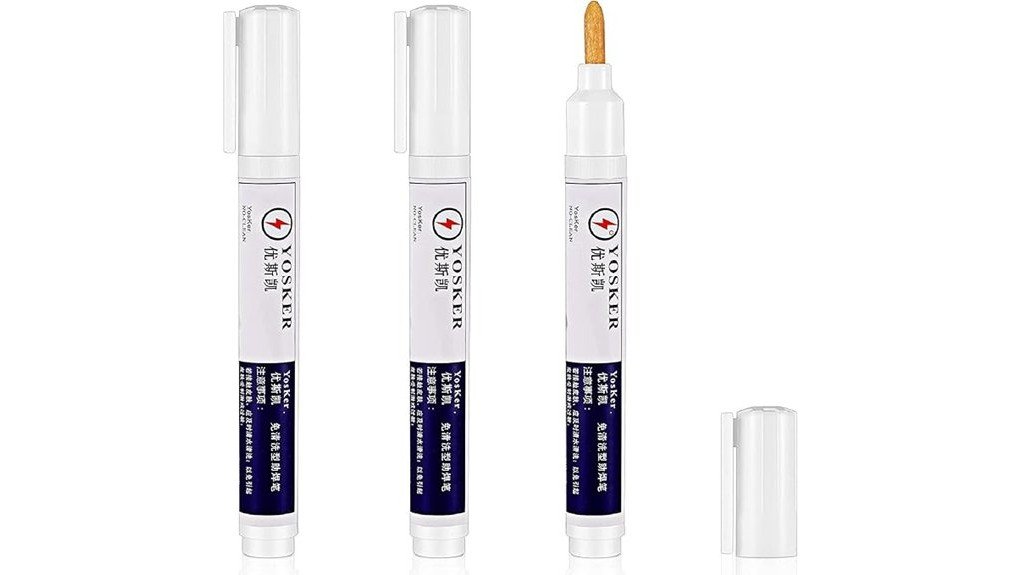
Flux control matters when you are repairing small electronics, cleaning oxidized pads, or touching up PCB solder joints. The 3 Pieces No Clean Soldering Pen set is made for controlled flux application in electronics tabbing, wiring, and PCB board maintenance. Each pen measures about 5.6 inches, which makes the set easy to keep on a bench, in a tool bag, or near a small repair station. This review will help you decide if the 3-pack is useful for your soldering work, and where its limits matter.
Quick Verdict
Rating: Recommended with caveats
Best For: hobby electronics repairs, PCB maintenance, wiring touch-ups, and portable soldering kits.
Bottom Line: This 3-pack is a practical choice if you want a small flux applicator that helps place flux more precisely than a brush or bottle. The main tradeoff is that the article does not confirm a brand, exact flux chemistry, or full manufacturer specs, so you should check the current Amazon listing before buying.
Key Takeaways
- The set includes three no-clean soldering pens, each measuring about 5.6 inches long.
- The pen format helps you apply flux in a controlled way on PCB pads, wiring points, and electronics repair areas.
- The low solids content described in the article is meant to reduce residue compared with heavier flux applications.
- The compact size makes the pens easy to store in a repair kit, pocket, bench drawer, or mobile tool pouch.
- Best results depend on careful use, proper tip priming, and cleaning the pen after each soldering session.
| Specification | Detail |
|---|---|
| Product name | 3 Pieces No Clean Soldering Pen set |
| Product type | No-clean flux applicator pen for soldering work |
| Count or quantity | 3 pens |
| Pen length | Approximately 5.6 inches each |
| Design | Portable pen-style applicator with controlled tip application |
| Best use | PCB maintenance, electronics tabbing, wiring, rework, and repair soldering |
| Residue note | Article-supported low solids content designed to minimize residue |
| Care note | Press the tip before first use and clean with alcohol after use, as described in the article |
| Safety note | Use only as directed, work on powered-off electronics, and follow safe soldering practices |
What Is the 3 Pieces No Clean Soldering Pen?
The 3 Pieces No Clean Soldering Pen is a small flux applicator set for soldering and electronics repair. Instead of dipping a brush into a bottle, you use the pen tip to place flux where you need it, such as on PCB pads, wire joints, tabs, and small repair points.
The article describes each pen as about 5.6 inches long, which makes the set easy to carry and easy to store. The no-clean, low-solids design is meant to leave very little visible residue after soldering, which can help when you want a cleaner repair area.
This is not a soldering iron, solder wire, desoldering tool, or full repair kit. It is an add-on flux applicator that works best when you already have the right soldering tools and you need better control over where the flux goes.
Before You Buy: The current article does not verify the brand, exact flux chemistry, warranty, or full material list. Check the Amazon listing and product label before using it on sensitive electronics or professional repair work.
Who Should Buy It?
Best For
- Electronics hobbyists who need a small flux pen for PCB touch-ups.
- Repair users who want controlled flux application around wiring, tabs, and solder pads.
- Tool-kit buyers who prefer a compact 3-pack instead of one larger bottle of flux.
Skip If
- You need a verified brand-name flux with a published technical data sheet.
- You want a complete soldering kit with iron, solder, wick, and accessories included.
- Your work requires a specific flux standard, certification, or chemistry that is not confirmed here.
Design and Build Quality
The biggest design advantage is the pen format. A pen tip gives you better control than pouring flux or using a wide brush, especially when you work near small pads, tiny traces, or tight wiring points.
The article also describes the pens as lightweight and portable. That matters if you keep a compact electronics kit in a drawer, vehicle, tool bag, or workbench organizer. Since the set includes three pens, you can keep one at your main station and store backups for later use.
The article mentions a leak-proof design, but it does not provide the exact material or cap construction. For that reason, store the pens capped, upright when possible, and away from heat.
Flux Application and Soldering Performance
Flux helps clean the soldering area so solder can wet the surface more evenly. In practical use, this can help when a joint looks dull, when old pads have light oxidation, or when a wire end needs a cleaner bond.
The no-clean format is meant to reduce the need for heavy cleanup after soldering. That said, no-clean does not always mean zero residue in every situation. Too much flux, repeated passes, or high-heat work can still leave visible marks, so you should apply only the amount needed for the joint.
For small PCB repairs, the controlled tip is the main benefit. You can touch the pen to the pad or joint area, apply a thin layer, and then solder without flooding nearby components.
Residue Control and Cleaning
The article states that the flux has low solids content and leaves nearly no residue. That can be helpful when you are working on electronics where excess residue may make inspection harder or collect dirt over time.
Still, cleanup is sometimes wise after repair work. If you see leftover flux around a joint, clean the area according to your board requirements and product label. The original article recommends cleaning the pen with alcohol after each session to help keep it working properly.
Pro Tip: Use the pen like a marker, not like a squeeze bottle. A light pass on the pad or wire is usually easier to control than repeated heavy applications.
Compatibility and Safety
This flux pen set is aimed at electronics tabbing, wiring, PCB board maintenance, automotive electronics, and computer-related repair work. It should be used as a soldering aid, not as a cleaner for powered electronics or a substitute for proper diagnostics.
Always power off and unplug the device before applying flux or soldering. Let hot parts cool before handling, work in a ventilated area, and follow the instructions on your soldering iron, solder, flux label, and circuit board service guidance.
If you repair boards with sensitive coatings, professional requirements, or warranty concerns, confirm that a no-clean flux pen is acceptable before use. Some professional or mission-critical electronics work may require a specific flux type and documented cleanup process.
How It Performs in Real Use
For PCB Touch-Ups
For small PCB touch-ups, the pen tip helps you apply flux to one pad or joint without spreading it over a wide area. That makes it useful for reflowing a dull joint, touching up a connector pin, or preparing a small surface for fresh solder.
For Wiring Repairs
For wiring work, the pen can help coat a stripped wire end or small terminal before soldering. The compact shape is easier to control than a bottle when you are working in a tight space, such as an electronics enclosure or small repair tray.
For Automotive and Computer Work
The original article describes the pens as useful for automotive and computer work. In those settings, the main benefit is portability. You can keep a pen with your repair supplies and apply flux without carrying a larger container.
For Long-Term Tool Storage
A 3-pack gives you backups, but storage still matters. Keep the caps secure, avoid hot storage areas, and check the tip before each use. If a pen dries out, leaks, or applies unevenly, replace it rather than forcing it into a sensitive repair.
Setup and Maintenance Tips
Before first use, the original article recommends pressing the pen tip to release air and start the flow. Do this gently over a safe work surface so you can control the first amount of flux that reaches the tip.
After soldering, cap the pen tightly and clean the outside of the tip area if residue builds up. The article recommends cleaning with alcohol after each session, which can help prevent dried flux from affecting future application.
Do not press the tip hard against delicate components. Use light contact, apply a thin amount, and keep the pen away from live circuits, open flames, and surfaces that may react with flux.
Pros and Cons
Pros
- Three pens in one set give you backups for your bench, tool bag, or mobile kit.
- 5.6-inch size is compact enough for pocket storage and small repair spaces.
- Pen-style tip helps apply flux more precisely than a bottle or wide brush.
- No-clean, low-solids format is designed to reduce visible residue after soldering.
- Useful for PCB maintenance, wiring, electronics tabbing, automotive work, and computer repairs.
Cons
- Brand, exact flux chemistry, and full material details are not confirmed in the article.
- Not a full soldering kit, so you still need solder, an iron, and other repair tools.
- No-clean flux can still leave residue if you apply too much or use it repeatedly in one area.
Is It Worth the Price?
The 3 Pieces No Clean Soldering Pen set looks like a strong value for the price if you need a basic flux applicator for everyday electronics work. The 3-pack format is useful because flux pens can dry out, get misplaced, or live in different repair kits.
It is worth considering if you care more about controlled application and portability than verified brand-name documentation. You get the most value if you already solder and simply need a cleaner way to apply flux to small joints.
It is not the best fit if your work requires a specific flux certification, manufacturer data sheet, or known chemistry. In that case, a documented flux from a known electronics supply brand may be safer.
How It Compares to Alternatives
Compared with bottled no-clean liquid flux, this pen set is easier to carry and easier to control on small points. A bottle may be better if you work on larger areas or need more volume for frequent bench repairs.
Compared with paste flux, a pen is cleaner and faster for light PCB touch-ups, but paste may be easier to place on some surface-mount work. Rosin flux pens are another option if you prefer a traditional flux type, but they may require more cleanup depending on the formula.
Frequently Asked Questions
What is the 3 Pieces No Clean Soldering Pen used for?
It is used to apply flux before soldering electronics, wiring, PCB pads, tabs, and repair points. The pen tip helps you place flux in a controlled area instead of spreading it widely.
Does no-clean flux mean you never have to clean the board?
Not always. No-clean flux is designed to leave less residue, but heavy application or repeated heating can still leave visible residue. Clean the board when your repair standards, inspection needs, or product label call for it.
How many pens come in the package?
The article describes the package as a 3-piece set. Each pen measures about 5.6 inches long, making the set easy to split between a bench, travel kit, and backup storage.
Can beginners use these soldering pens?
Yes, beginners can use them if they already understand basic soldering safety. Start with light pressure, apply a thin amount of flux, and practice on scrap wire or a practice board before working on valuable electronics.
Can these pens replace solder or a soldering iron?
No. The pen applies flux only. You still need the correct solder, a suitable soldering iron, safe work setup, and any other tools required for the repair.
How should you prepare the pen before first use?
The original article recommends pressing the pen tip before first use to release air and start flow. Do this gently over a safe surface so you do not over-apply flux.
How do you maintain the pen after soldering?
Cap it tightly after use and clean the tip area if residue builds up. The article recommends cleaning with alcohol after each session to help maintain smooth application.
Who should skip this flux pen set?
Skip it if you need a verified brand, a technical data sheet, a specific flux chemistry, or a flux approved for a professional repair standard. This set makes more sense for general electronics maintenance and hobby repair work.
The Bottom Line
The 3 Pieces No Clean Soldering Pen set is a practical buy if you want a compact flux applicator for PCB repair, wiring touch-ups, and general electronics maintenance. Its main strength is controlled application in a small 5.6-inch pen format, while its main limitation is the lack of verified brand and full technical specifications in the source article.
Buy it if you need a simple 3-pack for everyday soldering support. Skip it if your repair work requires documented flux chemistry, certified materials, or a manufacturer data sheet.