Disclosure: As an Amazon Associate, we earn from qualifying purchases. If you click a link on this page and make a purchase, we may receive a small commission at no extra cost to you.
Plastic cracks, broken tabs, and small holes can be hard to repair with filler alone because the damaged area still needs internal support. The 5 Pieces Welding Mesh set gives you stainless steel reinforcement sheets that can be embedded with a plastic welder for stronger repairs on items like bumpers, kayaks, and plastic tabs. This review explains what the mesh does well, where it has limits, and what you should check before you buy. It is a practical add-on for repair work, but it is not a complete plastic welding kit by itself.
Quick Verdict
Rating: 8.2/10, recommended with caveats
Best For: DIY plastic repair, bumper tab reinforcement, kayak patch support, and small workshop repair jobs.
Bottom Line: The stainless steel mesh is useful when you need to reinforce a plastic weld rather than simply cover a crack. The main tradeoff is that you still need the right plastic welder, heat control, and surface preparation to get a clean result.
| Specification | Detail |
|---|---|
| Product name | 5 Pieces Welding Mesh |
| Product type | Stainless steel welding mesh for plastic repair reinforcement |
| Quantity | 5 mesh pieces |
| Sheet size stated in article | 15 x 20 cm (about 5.9 x 7.9 inches) |
| Material | Stainless steel |
| Compatibility | Designed for use with plastic welders on suitable plastic repair projects |
| Common uses | Bumper repairs, kayak restoration, plastic tab fabrication, and hole reinforcement |
| Safety note | Use proper eye protection, gloves, ventilation, and the instructions for your plastic welder. |
What Is the 5 Pieces Welding Mesh?
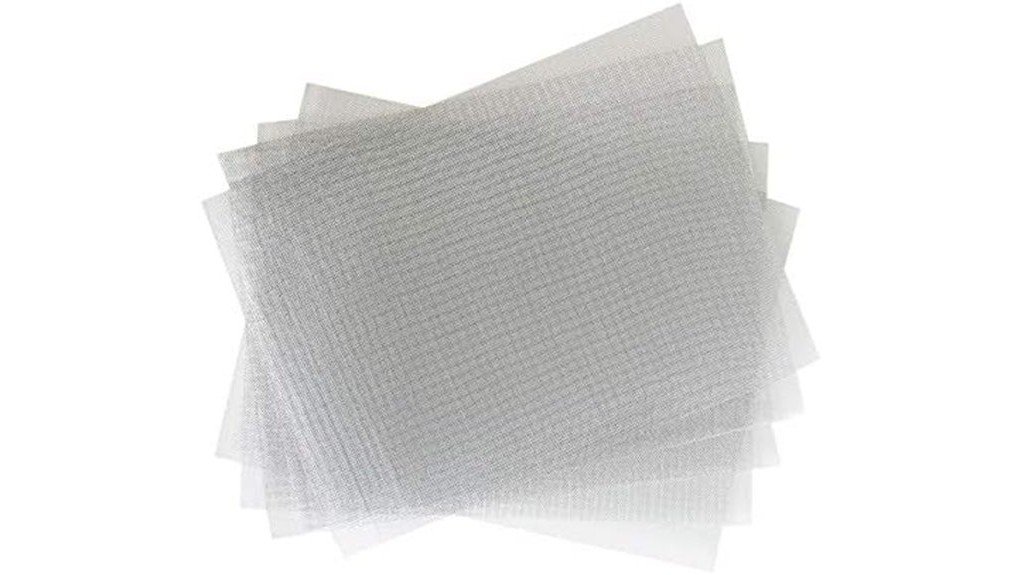
The 5 Pieces Welding Mesh set is a pack of stainless steel reinforcement sheets made for plastic welding repairs. Instead of relying only on melted plastic or filler, you can place the mesh over or behind the damaged area, then use heat to embed it into the repair zone.
This type of mesh is most useful when a plastic part has lost strength around a crack, tab, or small opening. It helps spread stress across a wider area, which can make the finished repair feel more solid than a surface-only patch. Because the article-supported size is 15 x 20 cm per sheet, you can trim the mesh to fit smaller repair spots.
Before You Buy: This is reinforcement mesh, not a complete repair system. You still need a compatible plastic welder, basic safety gear, and enough skill to control heat without warping the plastic.
Who Should Buy It?
Best For
- DIY users repairing cracked plastic bumpers, tabs, trims, or panels.
- Kayak owners who need mesh support while filling small holes or damaged plastic sections.
- Shops and hobbyists who already own a plastic welder and want extra reinforcement material on hand.
Skip If
- You need a full plastic welding kit with a welder, rods, staples, and finishing tools.
- You are repairing a safety-critical or load-bearing part and cannot confirm the correct repair method.
- You want a no-heat adhesive patch that does not require plastic welding experience.
Key Features of the Welding Mesh
The main feature is the 5-piece stainless steel mesh set. Each sheet gives you a flexible reinforcement layer that can be cut to size and embedded into damaged plastic. That makes it useful for repairs where the surrounding plastic still needs support after the crack or hole is filled.
The article-supported sheet size is 15 x 20 cm (5.9 x 7.9 inches). That is large enough for many small bumper, tab, and kayak patches, yet easy to trim for tight spots. For larger cracks, you may need to use more than one piece or overlap sections carefully.
Materials and Build Quality
Stainless steel is a good fit for reinforcement mesh because it offers corrosion resistance and heat tolerance. Those traits matter when the repair may be exposed to moisture, road grime, or outdoor storage. For kayak and bumper work, a rust-resistant reinforcement layer is more useful than plain steel that may corrode over time.
The mesh design also helps the melted plastic lock around the metal. When the plastic cools, the mesh can act like an internal brace inside the repair. The result depends on the plastic type, heat setting, surface prep, and how well the mesh is seated into the material.
Versatile Applications for Repairs
This welding mesh is best viewed as a reinforcement aid for plastic parts. It can help when a crack needs support, a missing tab needs to be rebuilt, or a hole needs backing before filler or melted plastic is added.
| Repair Application | How the Mesh Helps | Buyer Note |
|---|---|---|
| Bumper repairs | Adds backing and spreads stress across a cracked area. | Best for plastic repair areas, not metal body work. |
| Kayak restoration | Provides support while filling holes or worn sections. | Check the plastic type and test heat carefully. |
| Plastic tab fabrication | Helps rebuild small tabs that need extra strength. | Trim the mesh so it fits without adding too much bulk. |
Fit and Compatibility
The mesh is described as compatible with plastic welders, which makes it most useful for thermoplastic repair jobs where heat can soften the base material. It is not meant to replace the welder, plastic filler rod, or finishing tools. Think of it as the reinforcement layer that supports the repair from inside.
Compatibility still depends on the plastic you are fixing. Some plastics weld more easily than others, and some parts can warp if too much heat is applied. Before using the mesh on a visible or expensive part, test your welder settings on scrap material or a hidden area when possible.
How to Use the Welding Mesh Effectively
Start by cleaning the repair area so dirt, wax, grease, paint flakes, and loose plastic do not weaken the weld. Cut the mesh slightly larger than the damaged area so it overlaps solid plastic around the crack or hole. Rounded corners can reduce snagging and make the patch easier to seat.
Place the mesh over the damaged section and use your plastic welder to heat it gradually. The goal is to embed the mesh into softened plastic without burning the surface or pushing the metal completely through the part. After the area cools, you can add compatible plastic filler, sand the repair, and finish it as needed.
Pro Tip: Cut the mesh with a little extra overlap, then dry-fit it before heating. A patch that is too small may not spread stress well, while a patch that is too large can be harder to hide under the finished surface.
How It Performs in Real Use
For Bumper Cracks and Tabs
For bumper cracks and broken plastic tabs, the mesh gives your repair a stronger backing layer. It works best when the crack edges are aligned, the plastic is clean, and the mesh is embedded across solid material on both sides of the damaged area.
For Kayak Holes and Outdoor Plastic
For kayak restoration, stainless steel mesh can help support a patch where plastic has cracked or worn through. The corrosion resistance is helpful around water, but you still need a watertight plastic repair method and careful finishing to reduce leaks.
For Small Workshop Repairs
If you repair plastic parts often, a 5-piece pack is useful to keep in a drawer with your welder and filler supplies. You can cut small pieces for tabs, brackets, panels, and other non-critical plastic parts without using a full sheet each time.
For Long-Term Durability
Long-term performance depends on the repair technique as much as the mesh itself. Good surface prep, correct heat, and enough overlap give the mesh a better chance to hold. Poor prep or overheating can leave the repair weak even if the mesh material is durable.
Material Safety and Repair Notes
Plastic welding creates heat, fumes, and sharp metal edges, so basic safety matters. Wear eye protection and gloves, work in a ventilated area, and follow the instructions for your plastic welder. Cut mesh edges can be sharp, so handle trimmed pieces carefully.
Do not rely on this mesh alone for safety-critical vehicle parts, high-load brackets, or repairs where failure could cause injury or property damage. For structural automotive repairs, pressure-bearing parts, or repairs that affect safety systems, get professional guidance before using a DIY mesh patch.
Customer Feedback and Experiences
Customer feedback in the source article is positive overall, especially for bumper, kayak, and plastic tab repairs. Users appreciate that the mesh can make repairs feel more solid when paired with a plastic welder. The most useful praise centers on reinforcement, ease of trimming, and the ability to support small holes.
The feedback also points to a realistic limitation: the mesh is only one part of the repair. Buyers who already understand plastic welding will get more value from it than buyers expecting a ready-to-use patch. Your result will depend on prep work, heat control, and the type of plastic being repaired.
Pros and Cons
Pros
- 5-piece set gives you multiple sheets for separate repair jobs.
- Stainless steel construction supports corrosion resistance for outdoor or moisture-exposed repairs.
- Can be cut to fit smaller tabs, cracks, holes, and curved repair areas.
- Useful with plastic welders for reinforcing bumpers, kayaks, and plastic components.
- Helps strengthen repairs that may be weak with filler alone.
Cons
- Does not include the plastic welder or filler materials needed for a complete repair.
- Correct heat control is required, so beginners may need practice before using it on visible parts.
- Not suitable as a stand-alone fix for safety-critical or heavy-load parts.
Is It Worth the Price?
The 5 Pieces Welding Mesh set is a smart buy for everyday repair work if you already have a compatible plastic welder. Because it supplies multiple stainless steel sheets, it gives you material for several small repairs instead of one single-use patch.
The best value goes to buyers who repair plastic parts more than once, such as bumper tabs, kayak damage, and broken plastic brackets. It may be less useful if you only need a one-time cosmetic repair or if you do not own the tools needed to embed the mesh correctly.
How It Compares to Alternatives
Compared with plastic welding rods alone, this mesh adds a reinforcement layer that can help support cracks and missing sections. Compared with hot staples, mesh can cover a wider area, while staples are often better for narrow crack stitching. Compared with epoxy or adhesive patches, mesh is better suited to heat-based plastic repairs where you want the reinforcement locked into the part.
The 5 Pieces Welding Mesh makes the most sense when you need broad support behind a plastic weld. If you need a faster no-heat patch, an adhesive repair kit may be easier. If you need to bridge a long crack with precise points of support, a hot stapler kit may be worth comparing.
Frequently Asked Questions
Can the welding mesh be cut to different sizes?
Yes. The mesh can be trimmed so you can match the shape of a crack, tab, or small hole. Use a piece that overlaps solid plastic around the damage instead of cutting it exactly to the broken edge.
Is this mesh compatible with every plastic?
No mesh can guarantee compatibility with every plastic part. It works best when the base plastic can be repaired with heat from a plastic welder. Check the plastic type and test a hidden area when possible.
Do you need a plastic welder to use it?
Yes, for the intended use you need a suitable plastic welder or heat-based repair tool. The mesh provides reinforcement, but it does not melt or bond into the plastic by itself.
Will the stainless steel mesh rust?
The article describes the mesh as stainless steel, which is chosen for corrosion resistance. That makes it better suited to moisture-exposed repairs than plain steel, but the finished repair still depends on proper sealing and surface prep.
Can you reuse the same mesh after it has been welded into plastic?
Usually, no. Once a cut piece is embedded into a repair, it is meant to stay there as reinforcement. Unused sections from the 5-piece set can be saved for later repairs.
What common mistake should you avoid?
Avoid using too much heat too quickly. Overheating can warp the plastic, sink the mesh too deeply, or create a rough surface that takes more finishing work. Build heat gradually and follow your welder instructions.
Who should skip this welding mesh?
Skip it if you need a complete kit, a cosmetic adhesive patch, or a repair method for safety-critical parts. It is best for users who already have plastic welding tools and understand basic heat repair.
The Bottom Line
The 5 Pieces Welding Mesh set is a useful reinforcement add-on for buyers who repair plastic bumpers, kayaks, tabs, and small holes with a plastic welder. Its stainless steel construction and cut-to-fit format make it practical for several repair scenarios, but it is not a stand-alone fix or a substitute for proper welding technique. Choose it if you need stronger backing for plastic repairs, and skip it if you need a complete beginner kit or a repair for a safety-critical part.