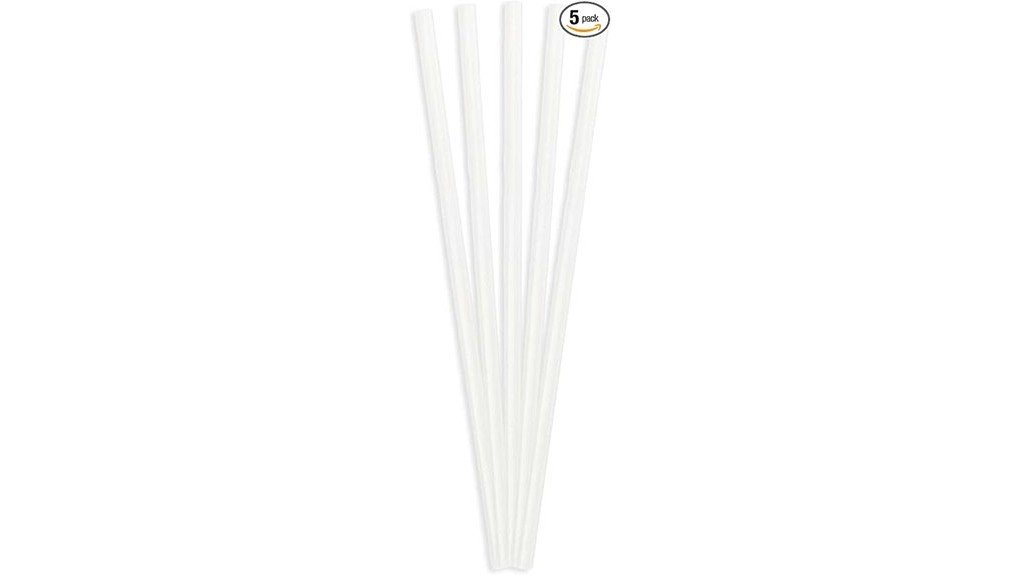
The Poly Welder Pro welding strips present an innovative solution for repairing polyethylene materials. Measuring 2 inches wide and 12 inches long, these strips are made from low-density polyethylene (LDPE), ensuring a strong bond that surpasses traditional adhesives. Users have successfully applied them to various products, such as water tanks and ATV fenders, demonstrating their versatility. With a focus on ease of use and effective results, these strips offer a practical approach to common repair challenges. What makes them stand out?
Key Takeaways
- Poly Welder Pro Strips provide a practical solution for repairing polyethylene products, suitable for both casual users and professionals.
- Each strip is crafted from low-density polyethylene (LDPE), ensuring strong bonds with both LDPE and HDPE materials.
- Users report successful, invisible repairs on various items like water tanks and ATV fenders, highlighting enhanced durability.
- The strips’ resistance to chemical reactions contributes to their longevity, making them reliable for diverse repair needs.
- Following the step-by-step repair guide ensures optimal results, addressing common issues effectively for a seamless repair process.
How Poly Welder Pro Strips Can Fix Your Repair Problems
Poly Welder Pro strips offer a practical solution for repairing a variety of polyethylene products, making them an essential tool for both casual users and professionals alike.
With notable repair versatility, these 12-inch long, 1/16-inch thick strips are designed to withstand the demands of various applications, from water tanks to ATV fenders.
Employing effective welding techniques, they create durable bonds that adhesives often cannot achieve. This innovative product, crafted from LDPE, guarantees strong connections while matching colors for invisible repairs.
Key Features of Poly Welder Pro Welding Strips
The Poly Welder Pro welding strips stand out due to their specific design and material properties, making them a valuable tool for polyethylene repairs.
Each strip measures 12 inches long, 3/8 inches wide, and 1/16 inches thick, crafted from low-density polyethylene (LDPE), ensuring material compatibility with various polyethylene products.
The welding benefits include strong bonds with both LDPE and HDPE, facilitating durable repairs. Additionally, the strips resist chemical reactions, enhancing their longevity.
Strong bonds with LDPE and HDPE ensure durable, long-lasting repairs while resisting chemical reactions for enhanced longevity.
Ideal for applications requiring invisible repairs, these strips offer an effective solution for fixing water tanks, fenders, and more, empowering users to achieve reliable, seamless results in their repair endeavors.
Customer Success Stories With Poly Welder Pro
Success stories from users of the Poly Welder Pro welding strips illustrate the practical advantages these tools provide for various repair projects.
Customer testimonials highlight successful repairs on polyethylene products, including water tanks and ATV fenders. Users report enhanced durability due to the unique flow properties of the LDPE material, which creates strong bonds.
With each strip measuring 12″ long and 1/16″ thick, these welding strips are designed for effective, invisible repairs, seamlessly matching the color of the original product.
Such positive feedback underscores the reliability and efficiency of the Poly Welder Pro in addressing diverse repair needs.
Using Poly Welder Pro: A Step-By-Step Guide
When tackling a repair project with Poly Welder Pro welding strips, it is essential to follow a structured process to achieve ideal results.
Begin by identifying the repair materials, ensuring they are compatible with LDPE. Next, clean the damaged area thoroughly to remove any debris or contaminants.
Utilize appropriate welding techniques by heating the strips, then apply them over the repair site, ensuring a secure bond. Allow the weld to cool and cure, verifying strength before testing the repair.
Troubleshooting Common Issues With Poly Welder Pro?
Troubleshooting issues with Poly Welder Pro requires a systematic approach to identify and rectify common problems that may arise during the repair process.
Implementing effective repair techniques while guaranteeing welding safety is essential. Here are three common issues and their solutions:
- Inadequate Bonding: Confirm proper temperature settings and clean surfaces before welding.
- Uneven Repair: Maintain a steady hand and consistent pressure during application for uniform results.
- Material Compatibility: Verify that the polyethylene type matches with LDPE strips to guarantee the best adhesion.
Frequently Asked Questions
Are Poly Welder Pro Strips Reusable After Initial Use?
The Poly Welder Pro strips are not reusable after initial application, ensuring durability in repairs. This one-time use emphasizes cost effectiveness, offering a reliable solution for polyethylene products without compromising on the quality of the bond.
Can These Strips Be Painted After Application?
While painting techniques can enhance aesthetics, the adhesive properties of Poly Welder Pro strips may limit paint adhesion. For best results, users should consider testing small areas before committing to painting post-application.
What Temperature Range Can Poly Welder Pro Strips Withstand?
The Poly Welder Pro strips exhibit impressive temperature durability, typically withstanding a range from -40°F to 180°F. This guarantees peak welding efficiency, allowing users to achieve reliable repairs under various environmental conditions, empowering their repair endeavors.
How Should I Store Unused Poly Welder Pro Strips?
Unused Poly Welder Pro strips should be stored in a cool, dry place, away from direct sunlight. Proper storage enhances strip longevity, ensuring these versatile tools remain ready for action when needed, promoting independence in repairs.
Are There Any Specific Safety Precautions When Using These Strips?
Specific safety precautions include wearing appropriate safety gear, such as gloves and goggles, and following recommended welding techniques to prevent injuries. Ensuring a well-ventilated workspace further enhances safety during the welding process.