Disclosure: As an Amazon Associate, we earn from qualifying purchases. If you click a link on this page and make a purchase, we may receive a small commission at no extra cost to you.
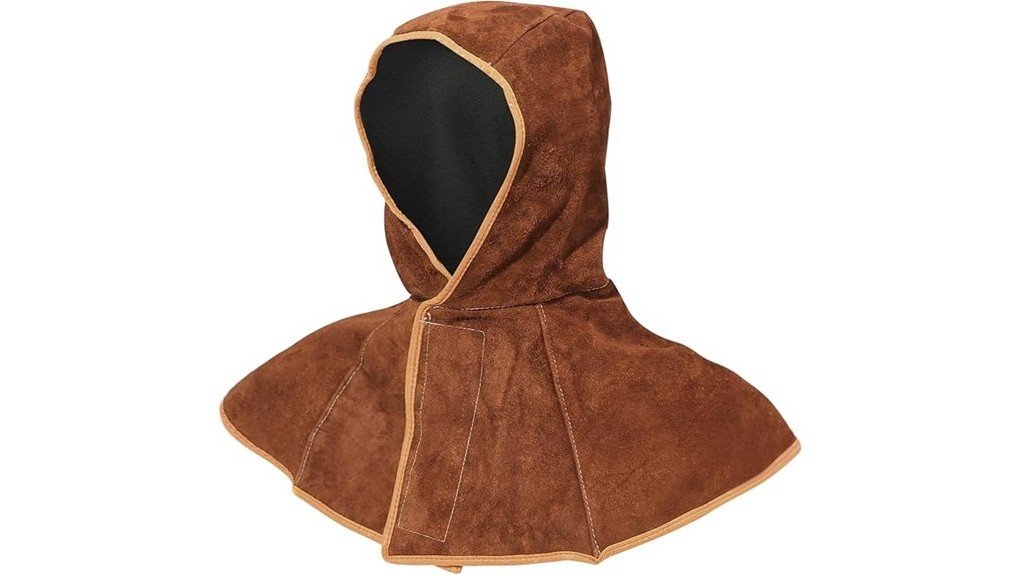
Welding protection needs to cover more than your face, especially when sparks, spatter, and heat can reach your head, neck, and shoulders. The Premium Cowhide Leather Welding Hood is built for welders who want full head coverage, a leather exterior, reinforced stitching, and a more comfortable fit during longer work sessions. This review helps you decide where it makes sense, what details to check before buying, and why it should still be used as part of a complete PPE setup.
Quick Verdict
Rating: Recommended with caveats, 7.8/10
Best For: Welders who want leather head and shoulder coverage for sparks, spatter, and heat exposure around the upper body.
Bottom Line: The cowhide leather build, shoulder drape, reinforced Kevlar stitching, and adjustable fit make this hood a practical option for welding protection. The main tradeoff is that the source article does not confirm exact sizing, certifications, or warranty terms, so you should verify those details on the Amazon listing before you buy.
| Specification | Detail |
|---|---|
| Product name | Premium Cowhide Leather Welding Hood |
| Product type | Leather welding hood |
| Primary material | Cowhide leather |
| Stitching | Reinforced Kevlar stitching |
| Coverage | Full head coverage with integrated shoulder drape |
| Interior | Breathable material with soft interior lining |
| Fit | Adjustable fit for different head shapes |
| Best use | Welding, shop work, and spark-prone tasks where head, neck, and shoulder coverage matter |
| Care note | Hand clean gently, inspect regularly, and store in a cool, dry place |
| Safety note | Use with the correct welding helmet, lens shade, eye protection, gloves, jacket, and workplace-approved PPE for your task |
What Is the Premium Cowhide Leather Welding Hood?
The Premium Cowhide Leather Welding Hood is a leather protective hood designed to cover your head and extend protection toward the shoulders. Its cowhide exterior is meant to help shield against sparks, spatter, and heat exposure that can occur during welding and related shop tasks.
The hood uses reinforced Kevlar stitching, which is a practical detail because seams often take stress when you pull the hood on, adjust the fit, or work near heat. The integrated shoulder drape gives you more coverage than a basic cap-style welding cover, especially when sparks fall downward or bounce off nearby work surfaces.
This is not a replacement for a proper welding helmet or rated eye and face protection. Instead, it works best as an added protective layer for welders who already use the correct helmet, shade, gloves, jacket, and other PPE required for the job.
Key Takeaways
- The cowhide leather shell gives you a durable outer layer for spark, spatter, and heat exposure during welding work.
- Full head coverage and the shoulder drape help protect areas that a standard welding helmet may not cover fully.
- Reinforced Kevlar stitching supports long-term durability in high-wear seam areas.
- The breathable material and soft interior lining help reduce discomfort during longer sessions.
- The adjustable fit is useful, but you should still confirm sizing and compatibility before buying.
- Care matters: gentle cleaning, dry storage, and regular inspections help preserve the hood’s protective value.
Who Should Buy It?
Best For
- Welders who want extra head, neck, and shoulder coverage around sparks and spatter.
- Shop users who prefer leather protective gear over lighter fabric covers.
- Anyone who values reinforced stitching and a softer interior for longer work sessions.
Skip If
- You need a complete welding helmet with a lens, shade, or auto-darkening filter.
- You require verified certification, exact sizing, or warranty details before purchase.
- You prefer lightweight headwear for quick, low-spark tasks in cooler conditions.
Before You Buy: This hood should not be treated as your only welding protection. Confirm the Amazon listing details, choose a proper fit, and pair it with task-appropriate eye, face, hand, body, and respiratory protection when needed.
Features and Benefits of the Premium Cowhide Leather Welding Hood
The main benefit of this welding hood is coverage. The full head design and integrated shoulder drape help protect areas that can stay exposed when you only wear a helmet or face shield. That matters when sparks fall from overhead work, bounce off metal, or land near the neck and collar area.
The cowhide leather construction gives the hood a tough outer layer for demanding shop use. Leather is also useful because it handles sparks and brief heat exposure better than many lightweight materials. The brown cowhide exterior gives it a traditional welding-gear look, but the bigger value is the added coverage and abrasion resistance.
Reinforced Kevlar stitching is another important detail. Stitching can become a weak point on protective gear, especially around seams that flex or rub against other PPE. The reinforced seams help the hood hold its shape and stay usable longer when you clean it, store it, and inspect it properly.
Comfort and Fit for Extended Use
Protection matters most, but comfort affects how often you will actually wear the hood. The breathable material helps reduce trapped heat, which can be useful during longer welding sessions or shop work in warm conditions. It will still feel warmer than thin fabric, so you should expect some added heat from the leather coverage.
The soft interior lining improves wearability against your head and neck. This is helpful if you work for extended periods, because rough interior materials can become distracting fast. A softer contact layer also makes the hood easier to wear with other gear, as long as the fit does not interfere with your helmet or safety glasses.
The adjustable fit gives you some flexibility for different head shapes. Before you rely on it for work, test the hood with your welding helmet, safety glasses, respirator, and any other PPE you normally wear. You want the hood secure enough to stay in place without pulling, bunching, or blocking your view.
Pro Tip: Try the hood on with your full welding setup before starting a job. Check your helmet movement, side visibility, safety glasses fit, and shoulder drape position while you bend, turn, and look down at the workpiece.
Material Safety and Comfort
The source article supports three key material details: cowhide leather, reinforced Kevlar stitching, and a soft breathable interior. Together, these features make the hood more practical for spark-prone work than a simple cloth cover. The leather exterior handles the outside exposure, while the interior helps reduce irritation during longer wear.
You should still inspect the hood before each use. Look for cracked leather, loose seams, burn marks, thin spots, or damaged areas around the shoulder drape. A damaged hood may not protect evenly, and welding PPE should not be used when wear affects coverage or fit.
For regulated workplaces, follow your employer’s PPE requirements and the product label. This hood can support protection around the head and shoulders, but it does not remove the need for proper eye and face protection, correct lens shade, gloves, sleeves, jacket, and safe welding procedures.
How It Performs in Real Use
For MIG, TIG, or Stick Welding Prep
During welding prep and active shop work, the hood’s biggest advantage is upper-body coverage. The shoulder drape helps close the gap between your helmet area and work shirt or jacket collar, which can reduce exposed skin around the neck.
For Overhead or Awkward Positions
The full head coverage is useful when sparks may fall from above or come from an odd angle. You should still avoid unsafe positioning, but the drape gives you a better protective barrier than a basic cap when you need to work near overhead welds or tight spaces.
For Long Sessions
The breathable material and soft lining help the hood feel more manageable during longer wear. It may still feel warm because cowhide leather adds bulk and coverage, so take breaks when needed and avoid using damaged or overly stiff leather gear.
For Outdoor or Mobile Work
Cowhide can work well for mobile welding jobs, but it should not be treated as waterproof gear. Keep it dry when possible, and store it away from moisture after use. Wet leather can stiffen, weaken, or become uncomfortable over time.
Fit Tips Before You Buy
Start by checking the size options or fit details on the Amazon listing. The source article mentions adjustable sizing, but it does not provide exact measurements. If you wear bulky safety glasses, a respirator, or a larger helmet, extra fit testing matters.
When you first try the hood, move the way you move while welding. Turn your head, bend forward, look down, raise your arms, and check that the shoulder drape stays in a useful position. The hood should not pull your helmet out of place or create blind spots.
Also check how it layers with your jacket collar. A good fit should overlap enough to reduce exposed skin without bunching so much that it becomes uncomfortable or unsafe.
Maintenance and Durability Insights
The hood’s durability depends on both material quality and care. Cowhide leather and reinforced Kevlar stitching give it a strong foundation, but heat, sparks, sweat, dust, and moisture can still wear down protective gear over time.
For cleaning, use gentle hand cleaning rather than harsh scrubbing or soaking. Remove surface dirt and grime, then let the hood dry fully before storage. Avoid storing it in a damp toolbox, wet truck bed, or humid corner of the shop.
Regular inspections are just as important as cleaning. Check the seams, shoulder drape, and leather surface before use. If the hood develops holes, loose stitching, hardened cracks, or thin burned areas, replace it instead of relying on damaged protection.
Pros and Cons
Pros
- Cowhide leather exterior helps protect against sparks, spatter, and heat exposure.
- Full head coverage and shoulder drape protect more area than a simple welding cap.
- Reinforced Kevlar stitching supports durability in high-stress seam areas.
- Soft interior lining improves comfort during longer work sessions.
- Adjustable fit helps the hood work for different head shapes and PPE setups.
Cons
- Exact size range, certification details, and warranty terms were not confirmed in the source article.
- Leather coverage may feel warm or bulky during long sessions in hot conditions.
- Not a replacement for a proper welding helmet, lens shade, gloves, or other required PPE.
Is It Worth the Price?
The Premium Cowhide Leather Welding Hood is worth considering if you want more coverage around your head, neck, and shoulders without relying only on a standard helmet. Its value comes from the cowhide leather build, reinforced Kevlar stitching, breathable interior, and shoulder drape.
This makes the most sense for welders who work often enough to care about comfort and long-term durability. It is less compelling if you only need a basic welding cap or if you require verified certifications, exact measurements, or confirmed warranty coverage before purchase.
Since prices and seller details can change, check the current Amazon listing before you decide. Focus on fit, materials, return policy, and whether the hood matches your specific welding setup.
How It Compares to Alternatives
Compared with a basic welding cap, this hood gives you more coverage because it protects the full head area and includes a shoulder drape. Compared with a complete welding helmet, it does not provide the viewing lens, filter shade, or face shield function you need for arc protection.
If you want lighter headwear, a simple cap may feel cooler. If you need eye and face protection, a welding helmet is the correct core item. The Premium Cowhide Leather Welding Hood makes the most sense as an added leather coverage layer for spark, spatter, and upper-body protection.
Frequently Asked Questions
Is the Premium Cowhide Leather Welding Hood a replacement for a welding helmet?
No. This hood is best used as added leather coverage for your head, neck, and shoulders. You still need a proper welding helmet, correct lens shade, and other PPE for your welding process.
What material is used in this welding hood?
The source article describes the hood as made from cowhide leather with reinforced Kevlar stitching. It also mentions a breathable material and soft interior lining for comfort.
Can you wear safety glasses under this hood?
The hood is described as having an adjustable fit, but you should test it with your own safety glasses before work. Make sure the glasses sit correctly and that the hood does not push them out of position.
Is this hood suitable for outdoor welding?
It can be useful for outdoor or mobile welding when you need leather coverage. Do not treat it as waterproof gear, and store it dry after use to help protect the leather.
How should you clean the cowhide leather welding hood?
Use gentle hand cleaning to remove dirt and grime. Avoid soaking the leather, let it dry fully, and store it in a cool, dry place.
What should you inspect before each use?
Check the leather surface, reinforced seams, shoulder drape, and adjustment points. Do not use the hood if you see holes, loose stitching, severe cracking, or burned areas that reduce coverage.
Who should skip this welding hood?
Skip it if you need a full welding helmet, a verified certification listing, or exact sizing before purchase. You may also prefer a lighter option if you only do short, low-spark tasks.
The Bottom Line
The Premium Cowhide Leather Welding Hood is a solid option if you want added leather coverage for your head, neck, and shoulders during welding and shop work. Its best strengths are the cowhide leather shell, reinforced Kevlar stitching, shoulder drape, and comfort-focused interior.
Skip it if you need a complete helmet, confirmed certification details, or exact sizing before you buy. For the right user, it is a practical protective layer, but it should always be used with the rest of your task-appropriate PPE.