Disclosure: As an Amazon Associate, we earn from qualifying purchases. If you click a link on this page and make a purchase, we may receive a small commission at no extra cost to you.
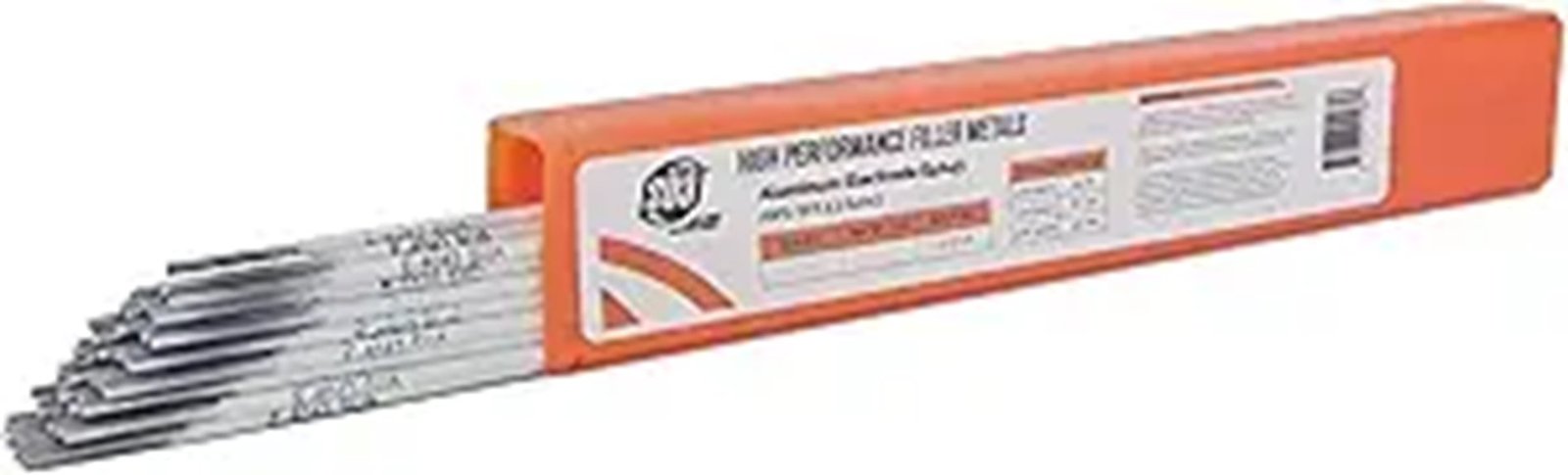
Aluminum stick welding can be frustrating when the rod is hard to start, the weld puddle feels unstable, or oxide buildup gets in the way. The SÜA Aluminum E4043 Stick Electrode Rod is made for welders who want an aluminum electrode for repair, maintenance, and small production jobs. This review explains what the rod offers, where it makes sense, and where you may want a different aluminum welding setup. Its main strengths are a stable arc, low-spatter performance, and a coated E4043 design, but you still need clean aluminum, dry storage, and the right welding technique to get the best result.
Quick Verdict
Rating: 8.2/10
Best For: Welders who need E4043 aluminum stick electrodes for repair work, automotive parts, irrigation piping, refrigeration equipment, and general aluminum maintenance.
Bottom Line: The SÜA Aluminum E4043 Stick Electrode Rod is a strong pick if you want a coated aluminum rod that supports stable arc starts, low spatter, and dense weld deposits. It is not the easiest path for every aluminum job, especially if your workpiece is dirty, thin, coated, or better suited to TIG or MIG aluminum welding.
| Specification | Detail |
|---|---|
| Brand | SÜA |
| Model / Alloy | E4043 aluminum electrode rod |
| Product Type | Aluminum stick electrode rod |
| Rod Diameter | 3/32 inch |
| Rod Length | 14 inches |
| Package Weight / Quantity | 0.5 lb package, approximately 26 rods according to the source article |
| Coating | Special extruded coating designed to support a dense, air-hole-free surface |
| Compatible Materials | All weldable grades of aluminum sheets, plates, and extrusions, when properly prepared |
| Supported Use | Production, maintenance, and repair work |
| Common Applications | Automotive parts, irrigation piping, refrigeration equipment, aluminum sheets, plates, and extrusions |
| Care Note | Store in a cool, dry place and protect the rods from moisture before use |
What Is the SÜA Aluminum E4043 Stick Electrode Rod?
The SÜA Aluminum E4043 Stick Electrode Rod is a coated aluminum welding rod made for repair, maintenance, and production tasks on weldable aluminum. It is listed in the source article as a 14-inch rod with a 3/32-inch diameter and about 26 rods in a 0.5 lb package.
The rod uses an E4043 aluminum alloy format with a special extruded coating. That coating is meant to support smoother arc behavior, easier oxide removal, and strong, dense weld deposits when the base metal is cleaned and prepared correctly.
This product makes the most sense for welders who already understand aluminum prep or who want to practice aluminum stick welding on suitable workpieces. It is not a shortcut around cleaning, fit-up, heat control, or basic welding safety.
Before You Buy: The original source article included a conflicting intro spec, so this revised review uses the repeated body-supported size of 3/32 inch by 14 inches. Check the Amazon listing details before ordering if rod diameter, length, or package count is critical for your job.
Who Should Buy It?
Best For
- Welders who need E4043 aluminum electrodes for small repair and maintenance work.
- Automotive, irrigation, and refrigeration repair jobs where aluminum compatibility matters.
- Users who want a rod designed for stable arc behavior, low spatter, and dense weld deposits.
Skip If
- You need a verified diameter, count, or package spec and do not want to confirm the current Amazon listing first.
- You are welding very thin aluminum where TIG or MIG control may be a better fit.
- Your aluminum is painted, oily, heavily oxidized, or coated and you cannot prep it safely before welding.
Product Features and Specifications
The SÜA Aluminum E4043 Stick Electrode Rod is built around a coated 3/32-inch by 14-inch aluminum rod format. The article-supported package note lists approximately 26 rods per 0.5 lb package, which is useful if you are estimating material needs for small repairs or practice passes.
The special extruded coating is one of the main reasons to consider this product. It is described as helping create a dense, air-hole-free surface, which matters because aluminum welds are sensitive to oxide, dirt, moisture, and poor puddle control.
The rod is also described as suitable for SMAW or oxyacetylene applications. For most buyers, that means you should match the rod to your actual welding process, machine capability, and job requirements before you buy.
Arc Stability and Ease of Use
Arc stability is one of the strongest points of this electrode. The source article describes stable arc operation at low amperages, rapid ignition, minimal spatter, and lower fumes during use.
Those traits help when you are working on aluminum repairs where control matters. A rod that starts more easily and produces less spatter can reduce cleanup time and make practice sessions less frustrating.
Even so, aluminum stick welding still has a learning curve. You need to clean the work area, remove oxide, avoid contamination, and test your settings on scrap before touching a part you care about.
Weld Quality and Corrosion Resistance
The SÜA E4043 rod is described as producing strong, dense welds that are porosity-free when used correctly. That matters because porosity can weaken a weld and make the finished joint less reliable.
The article also notes corrosion resistance and good color matching. These are useful traits for visible aluminum repairs, but your final result still depends on base-metal condition, prep quality, heat control, and the welding process you use.
For best results, treat this as a rod that rewards careful setup. Rushing the cleaning step or welding over oxide, grease, paint, or moisture can lead to weak, dirty, or inconsistent welds.
Fit and Compatibility
This electrode is described as compatible with weldable aluminum sheets, plates, and extrusions. That gives it a broad use range for shop repairs, but it does not mean every aluminum item is a good candidate for stick welding.
Thin aluminum can be difficult because heat builds quickly. Thicker parts, brackets, plates, or repair pieces may be more forgiving, especially when you can practice on scrap material first.
Common use cases listed in the source article include irrigation piping, refrigeration equipment, and automotive parts. Those are practical categories, but you should still follow the correct repair procedure for the part, especially when strength, pressure, vibration, or safety matters.
Applications and Versatility
The SÜA Aluminum E4043 Stick Electrode Rod is best viewed as a versatile repair rod for weldable aluminum, not as a universal fix for every aluminum problem. It can be useful for production, maintenance, and repair work where a 3/32-inch E4043 rod fits the job.
For automotive work, it may help with suitable aluminum parts where stick welding is acceptable and heat control is manageable. For irrigation piping and refrigeration equipment, the main advantage is having an aluminum-compatible rod that can support strong, dense deposits when the joint is clean.
For shop practice, the package size is also useful. A 0.5 lb pack with roughly 26 rods gives you enough material to practice starts, short beads, and basic technique before moving to a real repair.
How It Performs in Real Use
For Small Aluminum Repairs
For small repairs, the rod’s easy ignition and stable arc are the main benefits. You still need tight fit-up and clean base metal, but the coated design can make short repair beads more manageable than a rod that starts poorly or throws heavy spatter.
For Automotive Parts
On compatible aluminum automotive parts, the SÜA E4043 rod is most useful when you can remove the part, clean it well, and control heat. It is not ideal for critical structural repairs unless the repair procedure allows it and the welder has the right skill level.
For Irrigation or Equipment Repair
For irrigation piping or equipment repairs, corrosion resistance and joint density matter. This rod can make sense for maintenance work, but the surface should be free of water, oil, dirt, and oxide before welding begins.
For Practice and Skill Building
For practice, the 3/32-inch rod size and small package format make it practical for learning starts, bead shape, and travel speed. Beginners should expect trial and error because aluminum reacts quickly to heat and contamination.
How to Use It Correctly
Start by cleaning the weld area until the aluminum surface is free of dirt, grease, paint, and heavy oxide. Use a clean stainless wire brush or a suitable grinder dedicated to aluminum so you do not contaminate the workpiece with steel particles.
Keep the rods dry before use. Moisture can hurt arc behavior and weld quality, so store the package in a cool, dry place and close it after removing the rods you need.
Test your settings on scrap aluminum of similar thickness before welding the final part. This helps you check arc start, bead shape, travel speed, and heat input without risking the actual repair.
Pro Tip: Clean the aluminum immediately before welding, then run a short test bead on scrap. Aluminum oxide forms quickly, and a fresh cleaning step can make the rod easier to start and control.
Compatibility and Safety
Use this rod only on aluminum materials that are suitable for welding. Coated, painted, oily, anodized, or unknown materials may need special preparation, and some coatings can create unsafe fumes when heated.
Wear welding gloves, a properly rated welding helmet, protective clothing, and eye protection. Work with good ventilation and keep flammable materials away from the weld area.
If you are repairing a pressure part, vehicle part, refrigeration component, or load-bearing part, follow the correct repair procedure or consult a qualified welding professional. A good-looking bead is not always proof that the joint is safe for service.
Pros and Cons
Pros
- 3/32-inch by 14-inch rod size is useful for a range of aluminum repair tasks.
- Special extruded coating is designed to support dense, air-hole-free weld deposits.
- Article-supported performance notes include stable arc behavior, rapid ignition, and minimal spatter.
- Compatible with weldable aluminum sheets, plates, and extrusions when properly prepared.
- Suitable for repair, maintenance, automotive parts, irrigation piping, and refrigeration equipment.
Cons
- Package count, rod size, and listing details should be checked before purchase because the original source had one conflicting intro spec.
- Not ideal for every aluminum repair, especially very thin material or critical structural work.
- Requires clean aluminum, dry rod storage, and proper technique to avoid poor weld quality.
Customer Feedback and Ratings
Buyer feedback described in the source article is generally positive, with users highlighting ease of use, low spatter, strong weld deposits, and corrosion resistance. Those comments align with the product’s main appeal: a coated aluminum rod that can help make small aluminum repair work more controlled.
Because ratings and review counts can change over time, confirm the current Amazon listing before you rely on any specific star rating or review total. Focus more on recent buyer comments about arc start, packaging condition, rod consistency, and the type of aluminum work being done.
Warranty and Return Policy
The original article referenced Amazon’s 30-day return process. Since return eligibility can vary by seller, account, and item condition, check the current Amazon return window on the product page before ordering.
If you receive damaged packaging, incorrect rod size, or a package count that does not match the listing, start by checking your Amazon order page. Keep the packaging until you confirm the rods are the correct type and size.
Is It Worth the Price?
The SÜA Aluminum E4043 Stick Electrode Rod is worth considering if you need a small pack of aluminum electrodes for repair, maintenance, or practice work. Its value comes from the E4043 alloy format, coated design, and article-supported performance notes such as stable arc behavior and minimal spatter.
It is a smart buy for everyday use if you already have the right welding setup and you work with weldable aluminum often enough to use the rods before storage becomes an issue. It is less compelling if you only need one tiny repair or if your project would be easier with TIG, MIG, or a professional repair service.
The main value limitation is verification. Since the source contained one conflicting size claim, check the current listing details before purchase if the exact rod size, quantity, or package weight matters to your job.
How It Compares to Alternatives
Compared with generic E4043 aluminum stick electrodes, the SÜA rod stands out in the article for its special extruded coating, rapid ignition, lower spatter, and dense weld deposit claims. That makes it a practical choice if you want a coated rod for repair work rather than an uncoated filler option.
If you need more precise heat control on thin aluminum, 4043 TIG filler rods may be a better match. If you want faster production work on suitable aluminum parts, a MIG aluminum setup may be worth comparing. The SÜA E4043 rod makes the most sense when you specifically want a stick-style aluminum electrode for repair and maintenance tasks.
Frequently Asked Questions
What size are the SÜA Aluminum E4043 electrodes?
The article-supported size is 3/32 inch in diameter and 14 inches long. The original intro contained a conflicting size claim, so confirm the current Amazon listing before ordering if size is critical.
How many rods come in the package?
The source article lists a 0.5 lb package with approximately 26 rods. Package count can vary by listing or seller, so check the product page before buying.
What aluminum can you weld with these rods?
The rods are described as suitable for weldable grades of aluminum sheets, plates, and extrusions. Always confirm the base metal is weldable and clean before starting.
Are these rods beginner-friendly?
They can be approachable for beginners because the article describes rapid ignition, stable arc behavior, and minimal spatter. Still, aluminum stick welding takes practice, so start on scrap before repairing a real part.
How should you store the electrodes?
Store the rods in a cool, dry place and keep the package closed when not in use. Moisture can affect arc performance and weld quality.
How do you prepare aluminum before using these rods?
Remove dirt, grease, paint, and oxide from the weld area. Use a clean stainless brush or suitable abrasive dedicated to aluminum, then weld soon after cleaning.
Can these rods be used on coated or painted aluminum?
Do not weld through paint, oil, heavy oxide, or unknown coatings. Remove coatings safely first, and avoid heating materials that may release harmful fumes unless you have the right procedure and ventilation.
Who should skip the SÜA Aluminum E4043 rod?
Skip it if you need verified current specs without checking the listing, if your project is thin aluminum that needs finer heat control, or if the repair is structural or safety-critical. In those cases, a TIG, MIG, or professional repair may be a better fit.
The Bottom Line
The SÜA Aluminum E4043 Stick Electrode Rod is recommended with caveats for welders who need a coated E4043 aluminum rod for small repairs, maintenance, practice, and compatible shop work. Its strongest points are stable arc behavior, low-spatter performance, and dense weld deposit claims, while its main limitation is that aluminum prep and technique still matter a lot. Skip it if you need a more controlled process for thin aluminum or if you are working on a critical part that requires a certified repair procedure.