Disclosure: As an Amazon Associate, we earn from qualifying purchases. If you click a link on this page and make a purchase, we may receive a small commission at no extra cost to you.
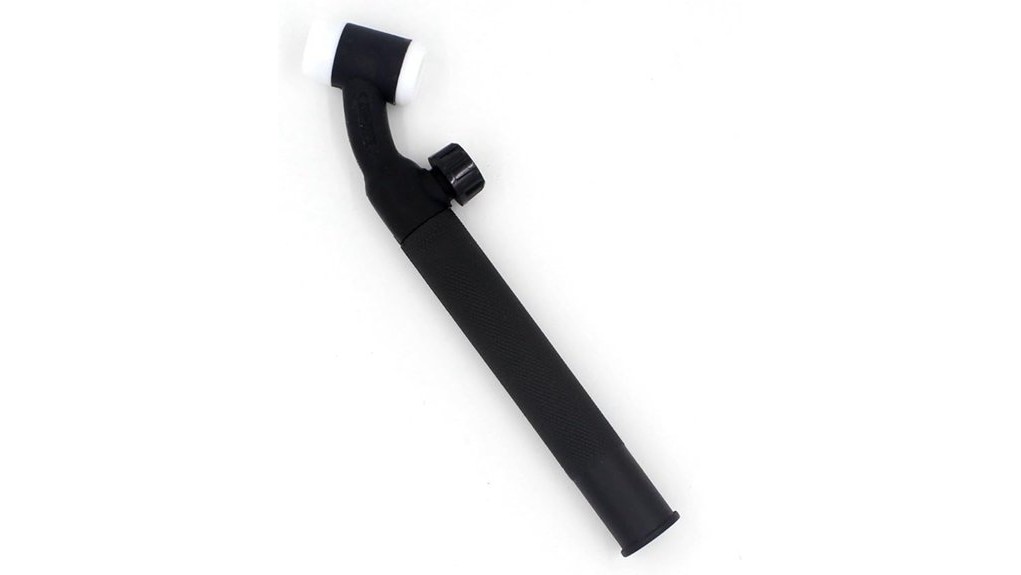
Choosing a TIG torch is not just about finding one that fits your machine. You also need a torch that feels steady in your hand, reaches awkward joints, and gives you enough control over gas and heat for clean welds. The WP-17FV TIG Welding Torch is built around a lightweight 1.2-pound body, a non-slip handle, a flexible head, and integrated gas control. This review breaks down where it works well, where you should be cautious, and who should consider it before buying.
Quick Verdict
Rating: 8/10
Best For: TIG welders who want a lightweight, flexible, air-cooled torch for tight spaces and general work up to 150 amps.
Bottom Line: The WP-17FV TIG Welding Torch is a strong choice if you want better hand control, a flex head, and built-in gas control in one torch. The main tradeoff is that you still need to confirm machine compatibility, connector fit, and consumables before purchase.
| Specification | Detail |
|---|---|
| Model | WP-17FV |
| Product type | TIG welding torch |
| Design | Flex head with integrated gas valve/control |
| Head movement | Pivots up to 180 degrees, based on the product information provided |
| Weight | 1.2 pounds |
| Handle | Non-slip handle for grip and hand control |
| Cooling style | Air-cooled design |
| Amperage use | Suitable for applications up to 150 amps, according to the article details |
| Consumables | Compatible with various electrodes and gas lenses |
| Best use | Tight spaces, angled welds, hobby TIG work, light professional use, and general fabrication tasks |
| Safety note | Confirm machine compatibility, connector fit, gas connection, consumable size, and amperage limits before use. |
What Is the WP-17FV TIG Welding Torch?
The WP-17FV TIG Welding Torch is an air-cooled TIG torch designed for welders who need hand control, access, and gas adjustment in a compact tool. The model name points to the main buyer appeal: a flexible torch head and gas control built into the torch body.
At 1.2 pounds, it is light enough for longer welding sessions where hand fatigue can affect bead consistency. The flex head helps when the workpiece, fixture, or weld joint blocks a straight approach. The integrated gas valve gives you direct control at the torch, which can be useful when your TIG setup depends on manual gas flow control.
Before You Buy: This review is based on the product details provided in the article. Before ordering, confirm the exact connector, cable length, gas fitting, torch package contents, and compatibility with your TIG welder on the current Amazon listing.
Who Should Buy It?
Best For
- Welders who need a flexible torch head for tight, angled, or awkward joints.
- Hobby and light professional users working within the torch’s stated 150-amp application range.
- Buyers who want a lightweight TIG torch with a non-slip handle and manual gas control.
Skip If
- You need a torch for work above the stated 150-amp range.
- Your TIG machine requires a connector or gas setup that this torch package does not include.
- You prefer a rigid-head torch for repeatable bench work where head movement is not needed.
Design and Build Quality
The WP-17FV focuses on practical control rather than extra features. Its flex head design helps you position the torch when you cannot comfortably hold a straight torch angle. That matters when you are welding inside brackets, around tubing, near corners, or on parts that are already clamped into place.
The torch weighs 1.2 pounds, which helps reduce wrist strain during longer passes. The non-slip handle is also a useful detail because TIG welding often requires small hand movements. A slippery handle can make it harder to hold a steady arc length, especially when your gloves are dusty or warm.
The air-cooled design keeps the torch simpler than a water-cooled setup. That can be a benefit if you want fewer parts to manage, but it also means you should pay attention to heat buildup during longer or higher-amperage work. Staying within the stated application range helps protect the torch and keeps performance more predictable.
Performance and Functionality
The main performance benefit is control. The integrated gas valve lets you manage shielding gas at the torch, while the flex head lets you change your approach angle without fighting the workpiece. Together, those features can help you maintain a better torch position and reduce awkward hand posture.
The torch is described as suitable for applications up to 150 amps. That makes it better suited for common TIG work, repairs, fabrication practice, and controlled shop projects than for heavy high-amperage welding. For thicker material or long heat-heavy passes, you should compare your job needs against the torch rating and your machine settings.
The WP-17FV also supports common TIG consumable flexibility, including various electrodes and gas lenses. This helps if you like to adjust your setup for bead shape, gas coverage, joint access, or tungsten size. Always match consumables to the torch body, collet, cup, gas lens, and welding task.
User Experience and Comfort
Comfort is one of the stronger reasons to consider this torch. The lightweight handle makes it easier to hold a steady position, and the non-slip surface helps you keep a firm grip while wearing welding gloves. This is especially helpful during detailed welds where small shakes or grip changes can affect the puddle.
The flex head can also reduce wrist strain. Instead of bending your wrist sharply to reach an inside corner, you can adjust the torch head and keep your hand in a more natural position. That does not replace good technique, but it can make practice and longer sessions more comfortable.
Pro Tip: Before your first weld, dry-fit the torch angle with the machine off. Set the flex head so your wrist stays relaxed, then confirm that the cup, tungsten, and gas lens still have enough clearance around the joint.
Compatibility and Safety
The WP-17FV can be a good fit for many TIG setups, but compatibility is the detail you should check first. TIG torches can vary by connector style, gas connection, cable setup, switch setup, and package contents. Do not assume it will fit every machine just because the torch type sounds familiar.
You should also confirm that your welding machine, amperage range, tungsten size, cup setup, and shielding gas arrangement match the torch and the work you plan to do. The article notes compatibility with various electrodes and gas lenses, but that still requires the correct parts for your exact setup.
For safety, stay within the torch’s stated application range and stop if the torch, cable, handle, or fittings show signs of heat damage or wear. TIG welding also requires proper eye protection, gloves, ventilation, and safe handling of hot metal. Follow your welder manual and the torch documentation for setup, gas flow, and maintenance.
How It Performs in Real Use
For Tight Spaces
The flex head is the standout feature when access is limited. If a rigid torch forces your hand into a poor angle, the WP-17FV gives you more room to approach the joint. This can help around brackets, inside corners, small fabrication projects, and repair work where the part cannot be easily moved.
For Longer Practice Sessions
The 1.2-pound weight and non-slip handle make the torch easier to manage during repeated practice beads. Less hand fatigue can help you focus on travel speed, torch angle, and puddle control. That benefit is most noticeable when you are learning TIG or working through several short welds in one session.
For General Fabrication
For general TIG work within the stated 150-amp application range, the torch gives you useful control without a complex cooling system. It should fit best in light fabrication, repair, hobby welding, and shop work where access and comfort matter. For heavy-duty production welding, compare it carefully against higher-capacity or water-cooled options.
For Detail Work
The flexible head and gas control can help when you need to make small adjustments between welds. You can position the torch more carefully and manage gas flow at the handle. This setup supports cleaner technique, but final weld quality still depends on prep, machine settings, tungsten condition, and shielding gas coverage.
Setup Tips Before First Use
Start by checking the torch package against your welder’s requirements. Confirm the connector, gas fitting, cable, and consumables before you thread anything into place. If a part does not seat cleanly, stop and verify the size rather than forcing the connection.
Next, inspect the torch head, handle, gas valve, cable, and fittings. Make sure the gas path is clean and that the tungsten, collet, cup, and gas lens are installed correctly. Once the torch is connected, test gas flow before striking an arc.
Finally, set the flex head before welding. Avoid bending it repeatedly during a hot session, and do not use the head movement as a substitute for proper torch angle. The flex design is there to improve access, not to force the torch into positions outside normal use.
Cleaning and Maintenance
Good maintenance helps the WP-17FV stay reliable. After use, let the torch cool, then inspect the cup, tungsten, collet, gas lens, and torch head. Replace worn consumables when they affect arc stability, gas coverage, or fit.
Keep gas passages clean and check for loose fittings. Dust, spatter, and damaged consumables can reduce shielding gas quality and make welds harder to control. If you notice leaks, unstable gas flow, or unusual heat, stop using the torch until the issue is found.
Store the torch with the cable relaxed instead of tightly kinked. A clean, dry storage area helps protect the handle, fittings, and consumables. This is a simple step, but it matters if you want consistent performance over time.
Pros and Cons
Pros
- Flex head pivots up to 180 degrees for better access in tight spaces.
- 1.2-pound body helps reduce hand and wrist fatigue during longer sessions.
- Non-slip handle supports better grip while wearing welding gloves.
- Integrated gas valve/control gives you direct gas adjustment at the torch.
- Air-cooled design keeps the setup simpler than a water-cooled torch system.
Cons
- You must verify connector, cable, gas fitting, and machine compatibility before buying.
- Not the best fit for work above the stated 150-amp application range.
- Package contents, warranty terms, and included consumables may vary by seller listing.
Is It Worth the Price?
The WP-17FV TIG Welding Torch is worth considering if you need better access, manual gas control, and a light torch for general TIG work. Its value comes from the combination of a flex head, non-slip handle, air cooling, and stated 150-amp application range.
It makes the most sense for buyers who care about comfort and torch angle more than heavy-duty amperage capacity. If your current torch feels awkward in tight joints, this model may be a smart buy for everyday use. If you need a torch for high-amperage production work, this is not the best fit.
How It Compares to Alternatives
Compared with a rigid WP-style TIG torch, the WP-17FV gives you more angle control because of the flexible head. That can make it easier to work around fixtures, tubing, and corners. A rigid torch may still be better if you prefer a fixed head for repeat bench work.
Compared with smaller torches, the WP-17FV may feel more capable for general shop use, while still staying light enough for comfort. Compared with water-cooled setups, its air-cooled design is simpler, but it is not meant to replace a torch built for higher-amperage, heat-heavy welding.
Frequently Asked Questions
What is the WP-17FV TIG Welding Torch best used for?
It is best used for TIG welding jobs where access, torch angle, and hand comfort matter. The flex head, 1.2-pound body, and non-slip handle make it useful for tight spaces, repair work, hobby fabrication, and general welding within the stated 150-amp range.
Can the WP-17FV be used with different TIG welding machines?
It may work with different TIG welding machines, but you need to confirm the connector, cable setup, gas fitting, and torch compatibility first. Do not buy based only on the model name because TIG machines and torch connections can vary.
What consumables are compatible with the WP-17FV?
The article notes compatibility with various electrodes and gas lenses. You should still match the cup, collet, tungsten, gas lens, and torch body parts to your exact torch setup before welding.
Is the WP-17FV good for beginners?
Yes, it can be beginner-friendly because the lightweight body and non-slip handle make it easier to control. Beginners should still learn proper torch angle, tungsten prep, gas flow, and amperage settings before judging weld quality.
Is the flex head really useful?
The flex head is useful when a straight torch angle makes the job uncomfortable or hard to reach. It can help with inside corners, brackets, tubing, and clamped parts, but it should be adjusted with care and not forced past normal use.
How do you clean and maintain the WP-17FV TIG Welding Torch?
Let the torch cool, then inspect the cup, tungsten, collet, gas lens, head, cable, and fittings. Keep gas passages clean, replace worn consumables, and store the torch without sharp cable bends.
Who should skip this TIG torch?
Skip it if your work requires more than the stated 150-amp application range or if your machine connection does not match. You may also prefer another torch if you need a water-cooled setup or a fixed rigid head for repeat production work.
The Bottom Line
The WP-17FV TIG Welding Torch is a strong option for TIG welders who want a lightweight torch with a flex head, non-slip grip, integrated gas control, and air-cooled simplicity. It is best for general work up to the stated 150-amp range, especially when access and comfort matter. Skip it if you cannot confirm compatibility with your machine or need a torch for higher-amperage work.