SÜA ERCuSi-A Welding Rod Review

SÜA ERCuSi-A Welding Rod delivers exceptional performance and durability—discover what sets it apart from other welding rods in the market.

Disclosure: As an Amazon Associate, we earn from qualifying purchases. If you click a link on this page and make a purchase, we may receive a small commission at no extra cost to you.

By Editorial Team · Reviewed for accuracy · Last updated July 2026

Choosing a silicon bronze TIG rod comes down to control, compatibility, and the type of joint you need to make. The SÜA ERCuSi-A Welding Rod is made for welders who work with copper, brass, bronze, steel, cast iron, and thin sheet-metal projects where a clean bronze-colored deposit is useful. This review helps you decide whether the 36-inch by 1/16-inch version is the right fit for repair work, ductwork, metal furniture, shop projects, or light fabrication. Its main strength is versatility across TIG and oxyacetylene work, but it is not the right rod for aluminum or every structural steel job.

Quick Verdict

Rating: Recommended with caveats

Best For: TIG welders who need a 1/16-inch ERCuSi-A silicon bronze rod for copper alloys, brass, bronze, galvanized sheet work, light repairs, and low-heat joining tasks.

Bottom Line: The SÜA ERCuSi-A rod gives you a useful mix of corrosion resistance, good flow, and strong deposits for the right materials. Skip it if you need aluminum filler, a general-purpose steel filler rod, or a rod for a code-critical structural weld without an approved procedure.

Check Price on Amazon →

Specification Detail
Brand SÜA
Model / Part Number CuSiAR10x116, based on fallback listing data
AWS Classification ERCuSi-A silicon bronze filler rod
Product Type Silicon bronze TIG welding rod
Rod Size 36 inches long by 1/16 inch diameter, also listed as 1.6 mm diameter
Material Copper-based silicon bronze alloy with about 3% silicon
Package Weight 1 lb package in the reviewed size
Package Dimensions 36 x 1.5 x 1.5 inches, based on fallback listing data
Compatible Processes TIG and oxyacetylene welding or brazing applications
Common Materials Copper, brass, bronze, copper alloys, steel, galvanized sheet metal, and cast iron in suitable applications
Article-Stated Tensile Strength 51,000 psi, with many ERCuSi-A references listing about 50,000 psi minimum
Available Package Options Article states 1 lb, 2 lb, 5 lb, and 10 lb options may be available
Best Use Light fabrication, repair, bronze-colored deposits, corrosion-resistant surfacing, and joining compatible metals

What Is the SÜA ERCuSi-A Welding Rod?

The SÜA ERCuSi-A Welding Rod is a copper-based silicon bronze filler rod used for TIG and oxyacetylene work. The reviewed version measures 36 inches long and 1/16 inch in diameter, which makes it a practical size for controlled, smaller welds and brazing-style joints.

ERCuSi-A filler is known for joining copper, copper-silicon, and copper-zinc base metals, along with certain steel and cast iron applications when the project calls for silicon bronze. It is often used where you want good corrosion resistance, smooth flow, and lower heat input than some fusion welding setups.

This is not a one-rod solution for every metal in your shop. It works best when your base metal, joint design, heat control, shielding gas, and welding process match the rod’s intended use.

Before You Buy: ERCuSi-A silicon bronze rod is not for aluminum welding and should not be treated as a universal replacement for mild steel, stainless steel, or code-critical structural filler metals. Match the rod to your base metal, process, and project requirements before you start.

Who Should Buy It?

Best For

  • Welders who need a 1/16-inch silicon bronze filler rod for thin material and controlled TIG work.
  • Repair and fabrication projects involving copper, brass, bronze, steel, galvanized sheet metal, or cast iron in suitable applications.
  • Shop users who want corrosion-resistant bronze deposits for ductwork, metal furniture, cabinets, or light repair work.

Skip If

  • You need filler metal for aluminum, stainless steel, or a standard mild-steel weld.
  • Your project requires a certified structural welding procedure and the filler is not approved for that job.
  • You want a thick rod for heavy fill passes rather than a finer 1/16-inch rod for control.

Product Features and Specifications

The main feature is the ERCuSi-A silicon bronze alloy. It contains copper as the base metal with silicon added to improve flow, wetting, strength, and corrosion resistance for the right applications.

The 36-inch rod length gives you a familiar TIG filler format, while the 1/16-inch diameter helps with heat control on smaller joints and thinner material. That smaller diameter can be a benefit when you want a controlled puddle, but it may feel slow if you need to fill a large joint.

The rod measures 36 inches long and 1/16 inch in diameter, offering good control for smaller welding and brazing tasks.

The reviewed package is a 1 lb option. The original article also notes 2 lb, 5 lb, and 10 lb package choices, which can matter if you use silicon bronze often and want to reduce reordering.

Material and Build Quality

Silicon bronze filler metal is valued because it can produce strong, corrosion-resistant deposits while flowing well under the right heat. For welders, that means the rod can be easier to control on compatible materials than some higher-heat filler choices.

The bronze-colored deposit also makes it useful when appearance matters. This can help on visible repair work, decorative metalwork, furniture frames, and sheet-metal projects where a neat bead is part of the final result.

The article states a tensile strength of 51,000 psi. Many ERCuSi-A references list a minimum tensile strength around 50,000 psi, so you should treat the number as a general performance reference rather than a replacement for the product label, data sheet, or project specification.

Fit and Compatibility

The SÜA ERCuSi-A rod is suited to TIG and oxyacetylene work. It is commonly used with copper, brass, bronze, copper alloys, steel, galvanized sheet metal, and cast iron when the joint design and procedure call for silicon bronze.

It is especially relevant for light fabrication, steel cabinets, metal furniture, ductwork, and surfacing work in areas where corrosion resistance matters. It can also help when you want to join dissimilar compatible metals, but the base metal must still match the filler’s intended use.

Do not use this rod for aluminum. Aluminum requires filler metals made for aluminum alloys, and using the wrong rod can lead to weak joints, poor flow, and wasted material.

Applications and Use Cases

The SÜA ERCuSi-A Silicon Bronze TIG Welding Rod fits a range of repair and fabrication tasks. It can be useful for copper welding, brass repair, bronze work, sheet-metal projects, ductwork, cabinets, metal furniture, and some cast iron or steel applications.

For shop use, the strongest appeal is flexibility. You can use it for TIG work when you want good arc control or for oxyacetylene applications when that process better fits the repair.

For corrosion-prone parts, silicon bronze can also make sense as a surfacing filler. It is not a substitute for proper design, cleaning, or base-metal preparation, but it gives you a filler choice that is known for corrosion-resistant deposits.

How It Performs in Real Use

For Thin Sheet Metal

The 1/16-inch diameter gives you better control on thinner pieces than a heavier filler rod. That can help when working on galvanized sheet, ductwork, cabinets, or small brackets where excess heat can cause distortion.

For Copper, Brass, and Bronze Work

This rod is most at home with copper-based metals and compatible bronze or brass applications. The silicon bronze alloy helps the filler flow smoothly, which can make it useful for repairs and visible joints.

For Steel and Cast Iron Repair

The rod can be used in certain steel and cast iron applications, especially when you need a bronze filler deposit rather than a standard steel weld. You should still confirm the procedure, joint design, and strength requirements before using it on load-bearing work.

For Ductwork, Furniture, and Shop Projects

The rod suits practical light-fabrication jobs where a neat bead and corrosion-resistant deposit matter. It is a good fit for controlled repair work, but it may not be the fastest choice when you need high deposition or heavy fill.

Performance and Benefits

The SÜA ERCuSi-A rod gives you three practical benefits: corrosion resistance, good weldability, and useful strength for the right type of joint. Those traits make it a strong option when you need more than a basic brazing rod but do not want to use a filler that adds too much heat for the material.

The 3% silicon content helps with flow and bead appearance. This is useful when your goal is a clean bronze-colored deposit that bonds well to compatible base metals.

The main limitation is specialization. You buy this rod because you need ERCuSi-A silicon bronze, not because you need a general filler for every TIG job.

Pro Tip: Clean the joint well before welding or brazing with silicon bronze. Remove oil, paint, rust, coatings, and loose scale so the rod can flow more evenly and the finished bead is easier to control.

How to Use It Correctly

Start by confirming that ERCuSi-A is the right filler for your base metal and joint. Then prepare the surface carefully because contamination can affect flow, bead shape, and final strength.

Use the correct shielding gas, torch setup, and polarity for your machine and procedure. If you are unsure about machine settings, start with the product label, your welder manual, or a qualified welding reference before working on the final part.

For critical repairs, test on scrap material first. This helps you dial in heat, filler speed, puddle control, and bead appearance before you work on the actual piece.

Storage and Handling

Store the rods in a dry, clean location away from moisture, oil, and shop debris. A sealed tube or rod storage container helps protect the filler from contamination between uses.

Keep rods straight and avoid dropping or bending them. A 36-inch rod can be awkward in a crowded shop, so storing it in the original tube or a rigid holder can prevent damage.

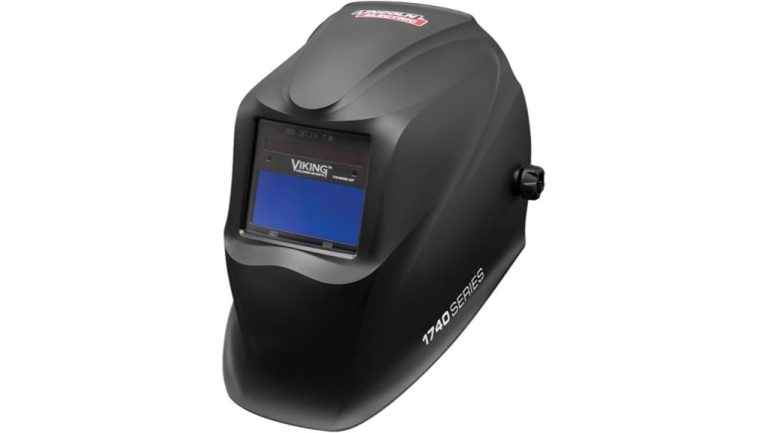
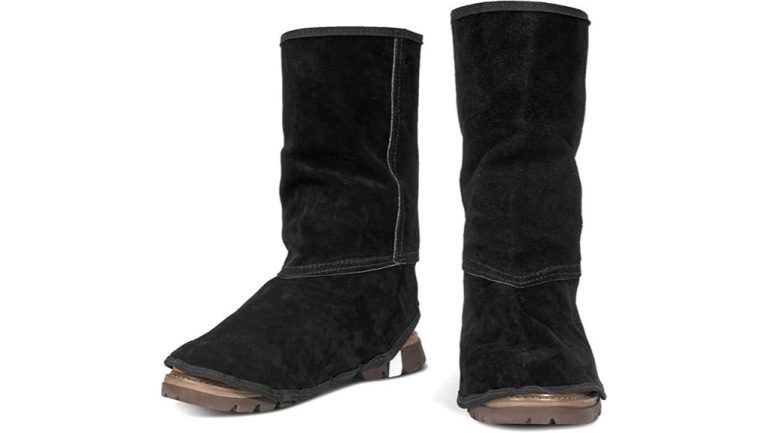
Always use proper welding safety gear, including a welding helmet, gloves, eye protection, ventilation, and flame-resistant clothing. Follow the product safety data sheet and your welding machine instructions.

Pros and Cons

Pros

  • ERCuSi-A silicon bronze alloy works well for copper, brass, bronze, and selected steel or cast iron applications.
  • 1/16-inch diameter gives good control for thinner material and smaller joints.
  • 36-inch length is a familiar TIG filler rod format for shop and repair use.
  • Good corrosion resistance makes it useful for surfacing and compatible repair work.
  • Usable with TIG and oxyacetylene processes when your setup and procedure match the material.

Cons

  • Not suitable for aluminum welding.
  • Not a universal replacement for mild steel, stainless steel, or structural filler metals.
  • 1/16-inch rods may feel slow for larger gaps, heavy fill, or thick workpieces.

Check Price on Amazon →

Is It Worth the Price?

The SÜA ERCuSi-A Welding Rod is worth considering if you specifically need silicon bronze filler in a 1/16-inch size. It offers strong value for buyers who work on light fabrication, repair, ductwork, bronze-colored beads, or compatible dissimilar-metal jobs.

It is not the best fit if you only need basic steel filler or if you rarely work with copper alloys, brass, bronze, galvanized sheet, or silicon bronze applications. In that case, a more common TIG filler may make more sense for your shop.

The best value comes from matching the package size to your workload. A 1 lb pack is practical for occasional use, while larger packs may suit frequent users if the same rod size and alloy match their projects.

How It Compares to Alternatives

Compared with standard mild-steel TIG filler rods, the SÜA ERCuSi-A rod is more specialized. It makes more sense when you want silicon bronze flow, corrosion resistance, and compatibility with copper-based metals or selected sheet-metal applications.

Compared with other ERCuSi-A rods from brands such as RADNOR, Blue Demon, or WeldingCity, the key buying differences are package size, rod diameter, seller availability, and the exact product documentation you can access. The SÜA option makes the most sense if you want the listed 36-inch by 1/16-inch format and the package size fits your work.

Frequently Asked Questions

What is the SÜA ERCuSi-A welding rod used for?

It is used for TIG and oxyacetylene welding or brazing work involving copper, brass, bronze, steel, galvanized sheet metal, and cast iron in suitable applications. It is especially useful when you want a silicon bronze deposit with good flow and corrosion resistance.

Can these rods be used for aluminum welding?

No. ERCuSi-A silicon bronze rods are not made for aluminum welding. Use an aluminum filler rod that matches the aluminum alloy and welding process you are using.

Are these rods compatible with all TIG welders?

They can be used with TIG equipment when your setup, shielding gas, polarity, and base metal match the procedure. Always follow your welder manual and the product label before using the rod on final work.

What size is the reviewed SÜA ERCuSi-A rod?

The reviewed rod is listed as 36 inches long and 1/16 inch in diameter. The diameter is also commonly listed as 1.6 mm, which is useful for finer control on smaller joints and thin material.

What is the shelf life of SÜA ERCuSi-A welding rods?

The practical shelf life depends on storage conditions. Keep the rods dry, clean, and protected from moisture or contamination so they remain ready for reliable use.

How should you store the welding rods?

Store them in a cool, dry, ventilated area and keep them away from oil, moisture, and shop dust. A sealed rod tube or rigid storage container helps keep the 36-inch rods clean and straight.

Do these rods require special handling precautions?

Use normal welding safety precautions, including proper eye protection, gloves, ventilation, and flame-resistant clothing. Also follow the safety data sheet, product label, and your welding machine instructions.

Who should skip this rod?

Skip it if you need aluminum filler, a common mild-steel filler, or a rod for a certified structural weld without an approved procedure. It is best for buyers who already know they need ERCuSi-A silicon bronze.

The Bottom Line

The SÜA ERCuSi-A Welding Rod is a solid choice if you need a 36-inch by 1/16-inch silicon bronze filler rod for TIG or oxyacetylene work on compatible metals. Its main strengths are corrosion resistance, controlled flow, and broad use across copper alloys and selected sheet-metal projects.

Skip it if you need aluminum filler, heavy structural filler, or a general rod for every welding job. For the right material and procedure, it is recommended with caveats and offers practical value for shop, repair, and light fabrication work.

Ready to Buy?

Check the latest price and product details before you decide.

Check Price on Amazon →

Alfred Chase
Alfred Chase
Articles: 2875

Leave a Reply

Your email address will not be published. Required fields are marked *