Disclosure: As an Amazon Associate, we earn from qualifying purchases. If you click a link on this page and make a purchase, we may receive a small commission at no extra cost to you.
Choosing jewelry solder is not just about buying enough pieces for your bench. You need a solder that melts predictably, flows cleanly, and gives you enough material for practice, repairs, and small design work. The Sadnyy Silver Jewelry Solder is built around a large 330-piece chip supply plus three solder wires, making it useful if you want a ready-to-sort set for silver jewelry projects. This review breaks down its supported specs, best uses, safety limits, and who should consider a different solder format.
Quick Verdict
Rating: Recommended with caveats
Best For: Jewelry makers who want pre-cut silver solder chips, extra solder wire, and a melting range suited to torch-based silver work.
Bottom Line: Sadnyy Silver Jewelry Solder gives you a generous chip count and multiple solder wire pieces for repairs, necklaces, bracelets, rings, earrings, and DIY jewelry work. The main tradeoff is that you still need the right heat source, flux, surface prep, and safety setup for clean results.
| Specification | Detail |
|---|---|
| Brand | Sadnyy |
| Product type | Silver jewelry solder set |
| Included solder chips | 330 silver chips |
| Chip size | 2 x 2 mm each |
| Included solder wires | Three solder wires |
| Wire length | Approximately 8.27 inches each |
| Melting range | 1325°F to 1450°F |
| Best use | Silver jewelry making, jewelry repairs, and small DIY metal projects |
| Storage note | Keep chips and wires clean, dry, labeled, and sealed when not in use |
| Safety note | Use proper ventilation, eye protection, heat-safe tools, and a suitable soldering setup |
What Is the Sadnyy Silver Jewelry Solder?
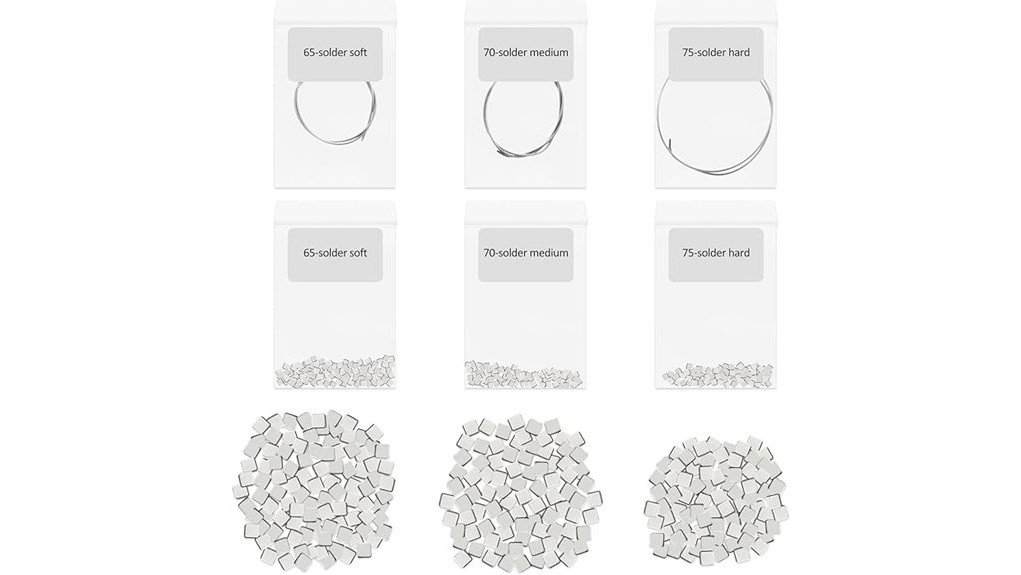
The Sadnyy Silver Jewelry Solder is a solder set made for small jewelry work where you need controlled placement and enough material for repeated projects. The set includes 330 silver chips, each measuring 2 x 2 mm, plus three solder wires that are each approximately 8.27 inches long.
The chip format helps when you want to place small pieces at joints before heating, while the wire pieces give you another option for shaping or cutting solder to fit the work area. With a listed melting range of 1325°F to 1450°F, this is a high-heat jewelry solder, not a low-temperature craft adhesive or basic electronics solder.
Before You Buy: This solder requires proper heat control and safe soldering practice. It is not the best choice if you need a low-temperature solder for simple electronics work, or if you do not have the right torch, flux, ventilation, and heat-safe work surface.
Key Takeaways
- The Sadnyy Silver Jewelry Solder includes 330 silver chips and three solder wires, giving you enough material for multiple jewelry repairs and practice pieces.
- Each chip measures 2 x 2 mm, which helps with controlled placement on small joints.
- The solder wires are approximately 8.27 inches long, so you can cut or shape them for different repair needs.
- The listed melting range of 1325°F to 1450°F makes it suitable for torch-based silver jewelry work.
- It is best for necklaces, bracelets, rings, earrings, and DIY jewelry projects where clean prep and heat control matter.
Who Should Buy It?
Best For
- Jewelry makers who want pre-cut solder chips for small, controlled joints.
- DIY users repairing silver necklaces, bracelets, rings, earrings, or similar pieces.
- Beginners who want enough chips and wire to practice placement and heat control.
Skip If
- You need soft solder for circuit boards, low-heat craft work, or delicate electronics.
- You do not have safe torch equipment, ventilation, flux, and heat-resistant tools.
- You need verified alloy details, certifications, or warranty terms before purchasing.
Product Features and Specifications
The main strength of the Sadnyy Silver Jewelry Solder is the mix of quantity and format. You get 330 small chips for precise placement, along with three solder wires for projects where wire is easier to cut, bend, or portion.
The 2 x 2 mm chip size is practical for jewelry work because you can place small pieces near seams, jump rings, bezels, or connection points without using large chunks of solder. That can help reduce waste, especially when you are working on small pieces that need controlled solder flow.
The listed 1325°F to 1450°F melting range gives you a clear expectation for the heat level required. You should plan to use the solder with proper jewelry soldering tools and follow the product label for compatible metals, flux, and heating method.
Build Quality, Quantity, and Packaging
With 330 chips in the set, this solder is better suited to repeated use than a small sample pack. The larger count gives you room to practice, make mistakes, and handle several repair jobs without needing to reorder after one or two projects.
The included solder wires add flexibility. Chips are helpful for predictable placement, while wire can be useful when you want to cut a custom length or prepare your own small pieces. For new jewelers, having both formats can make it easier to learn which style feels more controlled on different joints.
Pro Tip: Keep the chips and wires separated, labeled, and sealed after opening. Before using the solder on a finished piece, test a small amount on scrap metal so you can see how it flows with your torch, flux, and base metal.
Performance and Efficiency
Sadnyy Silver Jewelry Solder is designed for small jewelry joints where smooth flow and strong adhesion matter. The article-supported melting range helps you plan your heating sequence and avoid treating it like a low-temperature solder.
For best results, your metal should be clean, fitted closely, and properly fluxed before heating. Solder is not meant to fill large gaps, so a poor joint fit can still lead to weak or messy results even when the solder itself flows well.
Flow and Heat Control
The small chip format can help you control how much solder sits at the joint. This matters on rings, earrings, and necklace components because too much solder can create extra cleanup work after the joint cools.
The melting range of 1325°F to 1450°F means heat control is a real part of the process. If you overheat the area, you may get oxidation, excess flow, or cleanup problems. If you underheat it, the solder may not flow into the joint correctly.
Adhesion and Finish
The original article notes strong adhesion and smooth flow. In real use, those results depend on clean metal, close contact between parts, the right flux, and steady heat. When those basics are handled well, the small chip size can support cleaner joints and a more polished finish.
Applications and Versatility
The Sadnyy Silver Jewelry Solder is most useful for jewelry repairs and small creative projects. You can use it for necklaces, bracelets, rings, earrings, and other silver jewelry pieces when the base metal and soldering method are compatible.
The set may also help with small DIY metal tasks, but you should treat those as non-critical projects unless the product label and your skill level support the job. It should not be used as a substitute for professional electrical, plumbing, automotive, or load-bearing repair materials.
How It Performs in Real Use
For Jewelry Repairs
For broken chains, loose connections, and small jewelry joints, the 2 x 2 mm chips are easy to portion. You can place a small chip where the repair is needed instead of cutting a piece from a larger sheet each time.
For New Jewelry Projects
If you make simple earrings, rings, pendants, or bracelets, the chip count gives you enough material for multiple assemblies. The wire pieces are helpful when a project needs a longer solder section or a custom-cut piece.
For Practice Sessions
Beginners benefit from having extra solder available. The 330-piece count gives you room to practice heating, flow, and cleanup on scrap metal before moving to a finished piece.
For Organized Bench Work
The set is easier to manage when you store the chips in a sealed, labeled container and keep the wires straight or coiled neatly. Clean storage helps prevent contamination that can affect solder flow.
How to Use It Correctly
Start by cleaning the metal surfaces so they are free from oil, oxidation, dirt, and old residue. Place the joint tightly before adding solder, since silver solder works best when the parts fit closely.
Use compatible flux and heat-safe tools according to the product label and your jewelry soldering setup. Place a small chip or trimmed wire section near the joint, then heat the metal evenly so the solder flows where it is needed.
After the piece cools, inspect the joint before polishing or finishing. If the solder did not flow fully, check your surface prep, joint fit, flux coverage, and heat control before repeating the repair.
Compatibility and Safety
This solder is mainly positioned for silver jewelry work and certain compatible metal alloys. Before using it on mixed metals, plated items, or sentimental jewelry, test first or ask a qualified jeweler for guidance.
Because the solder melts at high temperatures, you should wear eye protection, use ventilation, keep flammable materials away, and work on a heat-safe surface. Do not touch heated metal with bare hands, and let parts cool fully before handling or cleaning them.
For electrical repairs, car maintenance, or home improvement tasks, use caution. The original article mentions these broader uses, but this type of jewelry solder is not a universal fix for code-sensitive, safety-critical, or load-bearing work.
Pros and Cons
Pros
- Includes 330 silver chips, giving you enough material for several repairs and practice projects.
- Small 2 x 2 mm chip size supports controlled placement on jewelry joints.
- Three solder wires add flexibility when you need custom lengths or different placement options.
- Melting range of 1325°F to 1450°F is clearly stated for planning your soldering setup.
- Useful for necklaces, bracelets, rings, earrings, and DIY silver jewelry work.
Cons
- Not ideal if you need low-temperature solder for basic electronics or craft repairs.
- Requires proper heat control, flux, ventilation, and a safe soldering surface.
- Alloy details, certifications, and warranty terms are not confirmed in the source article.
Is It Worth the Price?
The Sadnyy Silver Jewelry Solder is worth considering if you want a set with both chips and wire instead of buying only one solder format. The 330-chip count makes it a smart buy for everyday jewelry practice, small repairs, and bench work where you need repeatable portions.
Its value is strongest for hobby jewelers, repair-focused users, and beginners who want enough solder to build confidence. It is not the best fit if you need verified alloy details, a professional-grade brand spec sheet, or a solder made for low-temperature electronics work.
How It Compares to Alternatives
Compared with sheet solder, this set saves prep time because the chips are already cut into small 2 x 2 mm pieces. Compared with paste solder, it gives you solid chips and wire rather than a syringe-based format, which some users may find easier to store for long periods.
Plain solder wire may be better if you prefer to cut every piece yourself. The Sadnyy set makes the most sense if you want a ready supply of small chips plus backup wire for different jewelry repair situations.
Frequently Asked Questions
Is Sadnyy Silver Jewelry Solder suitable for beginners?
Yes, it can work for beginners because the set includes many small chips and extra solder wire for practice. You still need proper safety gear, flux, heat control, and a basic understanding of jewelry soldering before using it on a finished piece.
What metals can you use it with?
The article supports use mainly with silver jewelry and certain compatible metal alloys. For plated pieces, mixed metals, or valuable jewelry, test first or ask a jeweler before applying heat.
How hot does this solder need to get?
The listed melting range is 1325°F to 1450°F. That means you should plan for a proper jewelry soldering setup rather than a basic low-temperature soldering iron.
How should you store the solder chips and wires?
Store the chips and wires in dry, sealed, labeled containers so they stay clean and easy to find. Keeping solder organized also helps prevent contamination that can affect flow during heating.
Can you use this solder for electrical repairs?
The source article mentions electrical repairs, but this product is primarily presented as jewelry solder. For circuit boards, wiring, or code-sensitive electrical work, use solder and methods made for that specific application.
What safety precautions should you take?
Wear eye protection, work in a ventilated area, keep flammable items away, and use heat-safe tools. Follow the product label and do not handle heated metal until it has cooled fully.
Who should skip this solder set?
Skip it if you need a low-heat solder, a verified professional alloy data sheet, or a product for safety-critical repairs. It is better suited to small jewelry projects where you can control the heat and prepare the joint correctly.
The Bottom Line
The Sadnyy Silver Jewelry Solder is a solid choice for jewelry makers who want a generous supply of pre-cut chips and solder wire for silver repairs and DIY projects. Its biggest strengths are the 330-chip count, 2 x 2 mm chip size, and stated 1325°F to 1450°F melting range, while its main limitation is that it requires the right tools, safety setup, and soldering technique.
Buy it if you want a practical solder set for small jewelry work. Skip it if you need low-temperature electronics solder, verified alloy documentation, or a product for safety-critical repairs.