Disclosure: As an Amazon Associate, we earn from qualifying purchases. If you click a link on this page and make a purchase, we may receive a small commission at no extra cost to you.
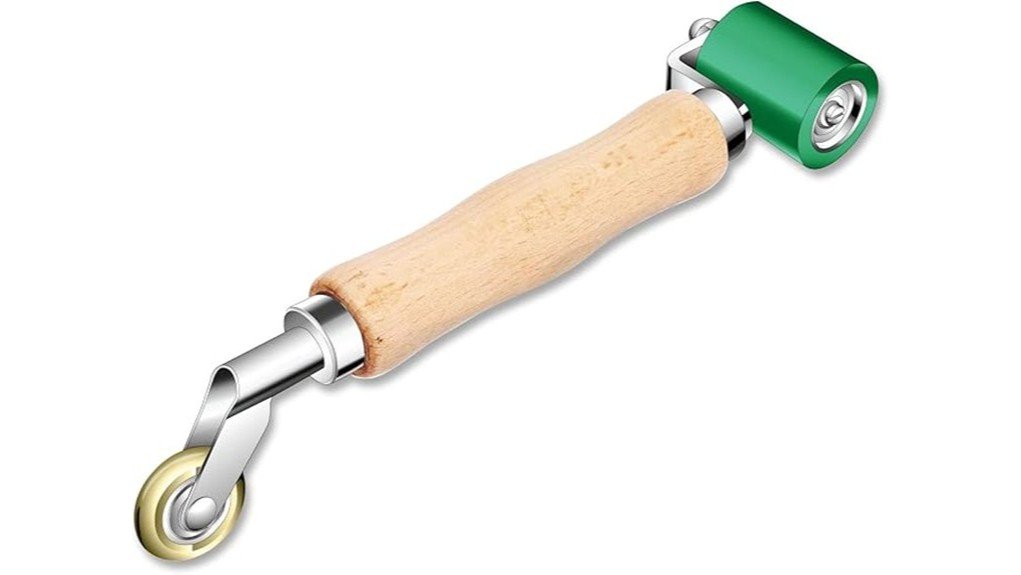
Air bubbles, lifted seams, and wrinkled edges can ruin an otherwise careful flooring or wallpaper project. This Seam Roller is built to help you press seams, edges, and tight detail areas with more control than your hands alone can provide. Its main strengths are the 40mm silicone roller, the 6mm brass detail roller, and the lightweight handle design. The tradeoff is that it still depends on correct pressure, surface prep, and the right adhesive or repair material for the job.
Quick Verdict
Rating: 8/10, Recommended with caveats
Best For: DIY users working on vinyl flooring, linoleum seams, wallpaper edges, and small roofing repair details.
Bottom Line: This seam roller is a useful hand tool when you need steady pressure across seams and corners. It is not a shortcut for poor surface prep, and it may require careful pressure control on uneven or delicate surfaces.
| Specification | Detail |
|---|---|
| Product type | Seam roller hand tool |
| Main roller size | 40mm silicone roller |
| Detail roller | 6mm brass detail roller |
| Approximate weight | About 1.5 pounds, based on the source article |
| Handle design | Ergonomic handle for better grip during longer tasks |
| Material notes | Silicone main roller and brass detail roller |
| Heat note | Silicone component is described as enduring temperatures up to 100°C |
| Best use | Flooring installation, wallpaper hanging, seam pressing, and small repair work |
| Care note | Clean gently and keep the rollers free of adhesive buildup and debris |
What Is the Seam Roller?
The Seam Roller is a manual pressing tool made for projects where seams, edges, and bonded surfaces need firm contact. The 40mm silicone roller gives you a wider contact area for flat seams, while the 6mm brass detail roller helps you work into narrower spaces, edges, and corners.
It is mainly useful for home improvement tasks such as vinyl flooring, linoleum, wallpaper, and small roofing repairs. Instead of pressing material down with your fingers, you can apply more even pressure across the seam. That helps reduce air pockets and loose edges when the surface, adhesive, and material are prepared correctly.
The design is simple, but that is part of its appeal. There is no motor, battery, or setup process. You use hand pressure, direction, and repeated passes to improve contact between the surface and the material being installed or repaired.
Who Should Buy It?
Best For
- DIY users installing vinyl, linoleum, peel-and-stick flooring, or similar seam-based materials.
- Homeowners hanging wallpaper who need help pressing edges and removing small bubbles.
- Repair-focused users who want one tool for both wider seams and narrow detail areas.
Skip If
- You need a powered floor roller for large commercial flooring jobs.
- Your project requires a specific manufacturer-approved roller size or pressure rating.
- You want a tool that can fix poor adhesive choice, dirty surfaces, or uneven subfloor problems by itself.
Before You Buy: Check your flooring, wallpaper, roofing, or adhesive instructions before using this tool. Some materials may require a specific roller type, pressure level, or curing process.
Material Quality and Construction
The main roller uses a 40mm silicone component. Silicone is a practical choice for this kind of tool because it gives a smooth contact surface and is described as resistant to wear and heat up to 100°C. For most home installation and repair tasks, that gives you a useful balance of grip, pressure, and surface protection.
The 6mm brass detail roller is the more precise part of the tool. It is better suited to small seams, corners, and narrow edges where the larger silicone roller may feel too wide. This makes the tool more useful than a basic single-width seam roller when your project includes both broad runs and detailed trim areas.
The tool also has an ergonomic handle. That matters during longer projects because seam work often requires repeated passes, not just one press. A comfortable grip can help you keep pressure steadier and reduce hand strain, especially when working along long floor seams or multiple wallpaper strips.
Ease of Use and Comfort
This Seam Roller is easy to understand, even if you do not use seam tools often. You place the roller over the seam, apply controlled pressure, and move slowly along the joint. The main skill is using enough pressure to improve contact without stretching, denting, or shifting the material.
The lightweight design helps with maneuverability. At about 1.5 pounds, it has enough weight to feel steady in the hand without becoming tiring too quickly. That is useful when you are working overhead on wallpaper or bending over a floor for several passes.
The handle shape also helps you guide the roller in a straight line. This is especially helpful when you are trying to press a seam without pushing adhesive out unevenly or causing the material to drift out of alignment.
Performance on Flooring and Wallpaper
For flooring, the 40mm silicone roller is the main working surface. It gives you a wider path for pressing vinyl, linoleum, and similar materials into place. When the subfloor is clean and the adhesive is compatible, the roller can help improve contact and reduce small air pockets near the seam.
For wallpaper, the same controlled pressure can help flatten edges and work out minor wrinkles. It is most useful after the strip is aligned correctly. It should not be used as a forceful correction tool for badly placed wallpaper, since pushing too hard can stretch or mark some materials.
In both cases, the roller works best as part of a careful process. Measure first, align the material, smooth by hand, then use the roller for final pressure along the seam and edge areas.
Precision Detail Work
The 6mm brass detail roller is useful when the project has narrow contact points. This may include inside corners, trim edges, small patch repairs, and tight seams where the 40mm silicone roller cannot sit flat. The smaller roller gives you more control, but it also concentrates pressure into a smaller area.
Because brass is firmer than silicone, you should be careful on delicate surfaces. Test a hidden area first when working with soft wallpaper, thin vinyl, or decorative finishes. The detail roller can be helpful, but too much pressure may leave marks on materials that are not designed for firm rolling.
Cleaning and Maintenance
Cleaning matters because adhesive residue can reduce the tool’s performance. After each use, wipe the silicone and brass rollers with a soft cloth. If adhesive has started to build up, use gentle cleaning methods and avoid harsh chemicals unless the product instructions for your adhesive and tool allow them.
Inspect both rollers before storage. Look for stuck grit, dried adhesive, flat spots, or visible damage. A dirty roller can transfer debris onto wallpaper or flooring, and a damaged roller may leave uneven pressure marks.
Store the tool in a dry place where the rollers will not be pressed against sharp objects. This helps protect the silicone surface and keeps the brass detail roller ready for precise work.
Pro Tip: Before rolling a visible seam, test the pressure on a scrap piece or hidden edge. This helps you learn how much force the material can handle without shifting, stretching, or marking.
How It Performs in Real Use
For Vinyl and Linoleum Flooring
The 40mm silicone roller is the most useful part for flooring seams. It lets you press along the joint with a steady, repeatable motion. You still need a clean subfloor and correct adhesive, but the roller helps improve contact where fingers alone may leave uneven pressure.
For Wallpaper Hanging
On wallpaper, the tool can help press edges, seams, and small bubbles after the strip is aligned. Use lighter pressure than you would on flooring, especially on textured or delicate wallpaper. The goal is to smooth the surface, not force the paper into position.
For Roofing Repairs
For small roofing repair details, the roller can help press compatible patch or seam materials into contact. Because outdoor repairs may involve weather, moisture, heat, and product-specific instructions, you should follow the repair material’s directions closely. The roller is a pressure tool, not a substitute for correct waterproofing materials.
For Long-Term DIY Use
The combination of silicone and brass gives this tool more range than a single roller. You can use the wider roller for straight seams and the narrow brass roller for detail work. That makes it useful to keep in a DIY kit if you handle occasional flooring, wallpaper, and repair projects.
How to Use It Correctly
Start with a clean, dry surface unless your adhesive or material instructions say otherwise. Dust, grit, moisture, and old adhesive can weaken the bond and may also scratch or mark the finish when rolled under pressure.
Use slow passes instead of fast, heavy strokes. Begin near the center of the seam or material and work outward when you need to move air toward the edge. On long seams, overlap each pass slightly so pressure stays consistent.
Match the roller to the area. Use the 40mm silicone roller on larger flat seams and the 6mm brass detail roller only where you need narrow, focused pressure. When in doubt, use less pressure first, then increase gradually if the material can handle it.
Material Safety and Compatibility
This tool touches finished surfaces, adhesive areas, and repair materials, so compatibility matters. The silicone roller may be gentler than a metal roller on many surfaces, but it can still leave marks if the material is soft, wet, thin, or freshly coated. The brass detail roller is useful for precision, but it should be used carefully on delicate finishes.
Do not use the tool on hot surfaces above the stated heat tolerance of the silicone component. The source article describes the silicone as enduring temperatures up to 100°C, so avoid applications that exceed that range. Always follow the instructions for the flooring, wallpaper, roofing patch, or adhesive you are using.
For roofing, structural repairs, or waterproofing work, make sure the repair material is suitable for the job. A seam roller can help apply pressure, but it does not verify adhesion strength, weather sealing, or long-term repair safety.
Pros and Cons
Pros
- 40mm silicone roller gives useful coverage for flooring, wallpaper, and other flat seams.
- 6mm brass detail roller helps with narrow seams, corners, and edge work.
- Ergonomic handle improves control during repeated passes.
- Lightweight design makes it easier to guide during longer DIY projects.
- Simple manual design requires no batteries, charging, or setup.
Cons
- Not a replacement for a heavy floor roller on large or professional installations.
- Requires correct pressure and surface prep to avoid shifting or marking materials.
- May not match projects that require a specific roller size or manufacturer-approved tool.
Is It Worth the Price?
This Seam Roller is worth considering if you need a simple hand tool for seam pressure, edge work, and small installation tasks. The value comes from having both a 40mm silicone roller and a 6mm brass detail roller in one tool, rather than buying separate wide and narrow rollers.
It makes the most sense for homeowners and DIY users who handle occasional flooring, wallpaper, and repair projects. It is a smart buy for everyday use if you want better pressure control than your hands can provide.
It is not the best fit if your work involves large commercial flooring jobs, heavy-duty sheet goods, or materials that require a very specific roller. In those cases, you may need a larger roller or a tool approved by the material manufacturer.
How It Compares to Alternatives
Compared with a basic rubber seam roller, this tool offers a more detailed second roller for tight areas. Compared with a metal-only hand roller, the silicone main roller may be a better fit for projects where you want a smoother contact surface across wider seams.
A heavy floor roller may be better for large flooring installations because it can apply more weight across broad surfaces. This Seam Roller makes more sense when you need a compact tool for seams, edges, wallpaper, and smaller repair work.
Frequently Asked Questions
Can the Seam Roller be used on uneven surfaces?
It can be used on some uneven surfaces, but results depend on how uneven the surface is. The 40mm silicone roller works best when it can sit flat, while the 6mm brass detail roller may help in tighter spots.
How do you clean and maintain the Seam Roller?
Wipe the rollers after use with a soft cloth and remove adhesive residue before it hardens. Avoid harsh chemicals unless the tool and adhesive instructions confirm they are safe.
What is the weight of the Seam Roller?
The source article describes the tool as weighing approximately 1.5 pounds. That gives it a steady hand feel while still being light enough for repeated passes during DIY work.
Is the Seam Roller suitable for outdoor use?
It may be useful for some outdoor repair tasks, such as pressing compatible roofing repair materials. Store it dry after use, and always follow the repair material’s instructions for temperature, moisture, pressure, and curing time.
Can it remove air bubbles from wallpaper?
Yes, it can help press out small air bubbles when the wallpaper is still workable and correctly aligned. Use light, controlled pressure because some wallpaper can stretch, tear, or mark if rolled too hard.
What is the 6mm brass detail roller for?
The 6mm brass roller is for narrow seams, corners, and edge details where the wider 40mm silicone roller may not fit. Use it carefully on delicate surfaces because the smaller contact area creates more focused pressure.
Who should skip this Seam Roller?
Skip it if your project requires a heavy floor roller, a specific pressure-rated roller, or a tool approved by the material manufacturer. It is better for DIY seam work, wallpaper edges, and small repairs than large commercial installations.
Are replacement parts available for the Seam Roller?
The source article says replacement part options are available, but compatibility may vary by model or seller. Check the current product listing and seller details before buying replacement parts.
The Bottom Line
The Seam Roller is a practical choice if you want one compact tool for pressing flooring seams, wallpaper edges, and tight repair details. Its main strength is the mix of a 40mm silicone roller and a 6mm brass detail roller, while its main limitation is that it cannot replace correct prep, adhesive choice, or heavier tools for large jobs.
Buy it if you want better control on small to medium DIY seam work. Skip it if your material requires a specific roller or a larger pressure tool.