Disclosure: As an Amazon Associate, we earn from qualifying purchases. If you click a link on this page and make a purchase, we may receive a small commission at no extra cost to you.
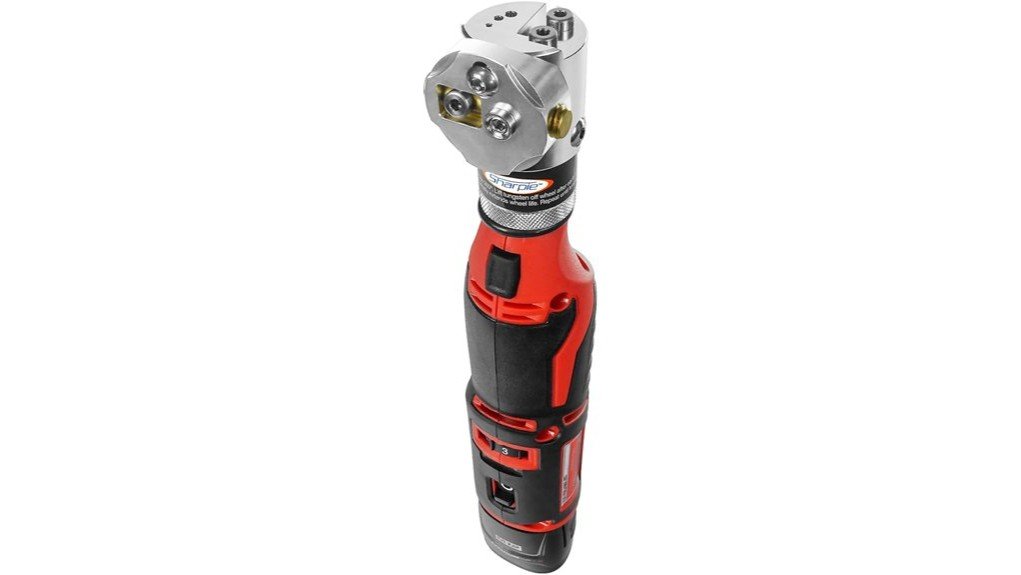
Hand-grinding tungsten on a bench wheel can work, but it often leads to uneven points, wasted tungsten, and more exposure to grinding debris. The Arc-Zone Cordless Sharpie DXCL Grinder is built for TIG welders who want repeatable tungsten prep without setting up a large shop grinder. This review helps you decide whether its cordless M12 design, 15° to 45° angle adjustment, and enclosed diamond-wheel system are worth the cost. It is a precise tungsten tool, but it is not a general-purpose grinder for every shop task.
Quick Verdict
Rating: 8/10, Recommended with caveats
Best For: TIG welders who need consistent tungsten shaping, cordless portability, and safer grinding control
Bottom Line: The Sharpie DXCL gives you controlled tungsten grinding with adjustable tapers, a cut-off/scoring function, and a compact cordless format. The tradeoff is its narrow purpose: it is made for tungsten electrodes, not broad workshop grinding or high-volume industrial production.
| Specification | Detail |
|---|---|
| Brand | Arc-Zone |
| Model | Cordless Sharpie DXCL, A-PTGK-DXCL |
| Product Type | Cordless tungsten electrode grinder |
| Grind Angle Range | 15° to 45° adjustable taper |
| Tungsten Size Range | .040″, 1/16″, 3/32″, and 1/8″ electrodes |
| Minimum Tungsten Grind Length | 1-1/4″ (31.7 mm) |
| Power | 12V cordless M12 lithium-ion system |
| No-Load RPM | 5,000 to 32,000 RPM |
| Motor Length | 9″ motor, 11″ with grinder head |
| Weight | 0.9 lb (0.4 kg) |
| Wheel Design | Double-sided industrial diamond grinding/cutting wheel |
| Main Functions | Grind tungsten tapers, add tip flats, and score or cut tungsten |
| Package Note | Battery and charger are listed with the DXCL. Collet and accessory bundles can vary by version, so confirm the selected listing option before purchase. |
| Best Use | TIG welding electrode preparation in shop or field setups |
What Is the Sharpie DXCL Grinder?
The Sharpie DXCL Grinder is a cordless tungsten electrode grinder from Arc-Zone. It is designed for TIG welding prep, where the shape of the tungsten point affects arc starts, puddle control, and weld consistency.
Instead of using an open bench grinder, you set the tungsten in the grinder head and use the adjustable angle system to create a more repeatable taper. The tool supports common TIG tungsten sizes from .040″ to 1/8″, with an important note that .040″ collet availability can depend on the kit or listing option.
The Sharpie DXCL also lets you add a small tip flat or score/cut contaminated tungsten. That makes it more specialized than a simple sharpener, especially when you want to remove only the damaged end of an electrode instead of wasting extra material.
Who Should Buy It?
Best For
- TIG welders who want repeatable tungsten angles from 15° to 45°
- Mobile welders who need a cordless tungsten grinder for field work
- Fabrication shops that want safer tungsten prep than open-wheel grinding
Skip If
- You need one grinder for steel, aluminum, blades, and general shop work
- You need a bench-mounted production grinder for constant high-volume use
- You do not want to verify collet and accessory details before ordering
Before You Buy: Confirm the exact kit version before checkout. The DX grinder and DX Pro Kit can include different accessories, and the .040″ collet may be sold separately depending on the selected package.
Design and Build Quality
The Sharpie DXCL uses a cordless M12 motor platform, which makes it easier to use away from a bench or outlet. At about 0.9 lb, the grinder is light enough for a field bag, service truck, or compact TIG cart.
The grinder head uses an enclosed diamond-wheel design. That matters because open bench wheels can grab thin tungsten and throw it back toward the operator. The enclosed setup does not remove the need for eye protection, ventilation, and safe dust handling, but it gives you better control during normal tungsten prep.
The double-sided diamond wheel supports grinding and cut-off/scoring tasks. The benefit is simple: you can sharpen, flatten, or trim a tungsten electrode with one dedicated tool instead of switching between a bench grinder, belt sander, and hand tools.
Grinding Performance and Arc Control
The biggest reason to choose this grinder is repeatability. The 15° to 45° adjustment range lets you tune the tungsten taper for different TIG jobs, from fine arc control on thinner material to a broader point for higher-current work.
A consistent tungsten shape can help you get cleaner starts and more predictable puddle behavior. It will not fix poor machine settings or contaminated base metal, but it does remove one common variable from TIG welding.
The 5,000 to 32,000 RPM speed range gives the grinder enough flexibility for different tungsten sizes and grinding habits. Smaller electrodes need a lighter touch, while larger 1/8″ tungsten may benefit from slower, steadier passes to avoid overheating or wasting material.
Cut-Off, Scoring, and Tip-Flat Function
The Sharpie DXCL does more than create a sharp point. It can score or cut off contaminated tungsten, which helps when the end gets dipped into the puddle or picks up debris during welding.
The tip-flat option is also useful. A small flat at the end of a sharply ground tungsten can reduce tip breakoff and help the electrode hold up better during use. This is especially helpful when you want a stable arc but do not want an extremely fragile needle point.
These functions make the grinder more valuable for welders who prep tungsten often. If you only sharpen an electrode once in a while, a lower-cost setup may be enough.
Compatibility and Sizing
The grinder supports .040″, 1/16″, 3/32″, and 1/8″ tungsten electrodes. Those sizes cover many TIG welding setups, including thin-gauge work, stainless fabrication, aluminum work, and general shop repair.
Before you buy, check the electrode sizes you use most often. If .040″ tungsten is part of your work, pay close attention to the collet note on the product listing or seller page. Some package versions include the .040″ collet, while others list it as a separate accessory.
Safety, Dust, and Maintenance Notes
The enclosed grinding wheel improves safety compared with grinding tungsten on the side of an exposed bench wheel. You still need proper PPE, including safety glasses, and you should follow the product manual for cleaning and wheel changes.
Tungsten grinding creates fine dust, so do not treat this like a casual household tool. Empty and clean the grinder as directed, keep dust away from food and open work areas, and avoid grinding in wet locations or near flammable materials.
Maintenance should stay simple for most users. Keep the head clean, avoid forcing the tungsten into the wheel, and replace the diamond wheel when grinding quality drops. For best results, use the grinder only for tungsten electrodes.
Pro Tip: Pick one angle for a repeated weld setup and keep it consistent. Changing the taper between welds can change arc behavior, even when your amperage and shielding gas stay the same.
How It Performs in Real Use
For Shop TIG Welding
In a fabrication shop, the Sharpie DXCL helps keep tungsten prep consistent between welders. That can reduce guesswork when several people use the same TIG machine or work from the same weld procedure.
For Mobile Repairs
The cordless format is useful for service trucks and field repairs because you do not need to carry a full bench grinder setup. The 0.9 lb weight also makes it easier to keep the tool in a welding bag.
For Thin Stainless and Aluminum
Precision TIG work benefits from a clean, repeatable tungsten point. When you work on thinner stainless or aluminum, a controlled taper can make the arc easier to place and reduce the chance of wandering.
For Contaminated Tungsten
When you dip tungsten into the weld puddle, the scoring and cut-off feature helps you remove the damaged section more cleanly. That can save time compared with bending, snapping, or over-grinding the electrode.
Setup Tips Before First Use
Start by reading the manual and checking the installed collet size against the tungsten you plan to grind. A mismatched collet can lead to poor alignment and uneven grinding.
Use light, steady pressure instead of forcing the tungsten into the wheel. Let the diamond wheel do the work, and rotate or feed the electrode as directed by the grinder setup.
Keep a small routine for tungsten prep: cut or score contaminated ends, grind the taper, add a small flat if needed, then store clean tungsten away from dirt and grinding dust. That routine gives you more repeatable results than sharpening only after the electrode is badly damaged.
Pros and Cons
Pros
- Adjustable 15° to 45° taper helps you repeat tungsten geometry
- Supports common TIG tungsten sizes from .040″ to 1/8″
- Cordless 12V design works well for field and shop use
- Enclosed diamond-wheel system improves control during grinding
- Cut-off, scoring, and tip-flat functions add more value than sharpening alone
Cons
- Made for tungsten electrodes only, not general grinding
- Accessory and collet contents can vary by selected kit
- Costs more than a basic bench grinder or simple handheld sharpening setup
Check the Sharpie DXCL Listing
Review the current kit contents, collet options, and product details before ordering.
Is It Worth the Price?
The Sharpie DXCL sits in the premium range for a single-purpose welding accessory. That makes sense if you sharpen tungsten often, care about repeatable arc behavior, and want a cordless tool that travels easily.
You get the most value if you use TIG regularly and want a dedicated grinder instead of improvising with a bench wheel. The enclosed design, adjustable angle range, cut-off function, and tip-flat option all support cleaner tungsten preparation.
It is less compelling for occasional TIG users who only sharpen a few electrodes each month. In that case, the higher cost may be harder to justify unless safety and consistency are your main concerns.
How It Compares to Alternatives
Compared with a basic bench grinder, the Sharpie DXCL gives you better tungsten alignment, a safer enclosed wheel, and more repeatable taper control. A bench grinder is cheaper and more versatile, but it is also easier to contaminate tungsten or create inconsistent points.
Compared with larger dedicated tungsten grinders, the Sharpie DXCL trades production capacity for portability. If you run constant high-volume TIG production, a bench-mounted industrial grinder may be better. If you want cordless precision for shop and field use, the Sharpie DXCL fits the middle ground well.
Frequently Asked Questions
What tungsten sizes does the Sharpie DXCL support?
It supports .040″, 1/16″, 3/32″, and 1/8″ tungsten electrodes. Check the selected kit contents before buying because the .040″ collet may vary by package.
What angle range does it grind?
The verified adjustable grind angle range is 15° to 45°. That range covers many TIG welding jobs, from finer arc control to broader tapers for heavier work.
Can it be used for other materials?
No. This grinder is intended for tungsten electrodes. Use a different grinder for general metal shaping, tool sharpening, or abrasive workshop tasks.
Is the Sharpie DXCL cordless?
Yes. It uses a 12V cordless M12 lithium-ion system, which makes it useful for field work, service trucks, and shops without a dedicated grinder station.
How much does the grinder weigh?
The grinder is listed at about 0.9 lb. That light weight makes it easier to carry than a bench-mounted tungsten grinder.
Does it include a battery and charger?
The DXCL listing notes an M12 lithium-ion battery and charger, but bundle details can vary by seller and selected version. Always check the current Amazon option before you buy.
Is it better than using a bench grinder?
For tungsten prep, yes, it gives you better angle control and a more enclosed grinding setup. A bench grinder is more versatile, but it is less precise for repeatable tungsten geometry.
Who should skip the Sharpie DXCL?
Skip it if you need a general shop grinder or only sharpen tungsten occasionally. It makes the most sense for TIG users who value repeatability, portability, and a dedicated tungsten workflow.
The Bottom Line
The Sharpie DXCL Grinder is a strong choice for TIG welders who want consistent tungsten tapers, cordless convenience, and a safer enclosed grinding process. You should skip it if you need a multi-material grinder or a lower-cost option for occasional electrode prep. Its main strength is repeatable tungsten control, while its main limitation is its specialized use and kit-content details that need checking before purchase.