Disclosure: As an Amazon Associate, we earn from qualifying purchases. If you click a link on this page and make a purchase, we may receive a small commission at no extra cost to you.
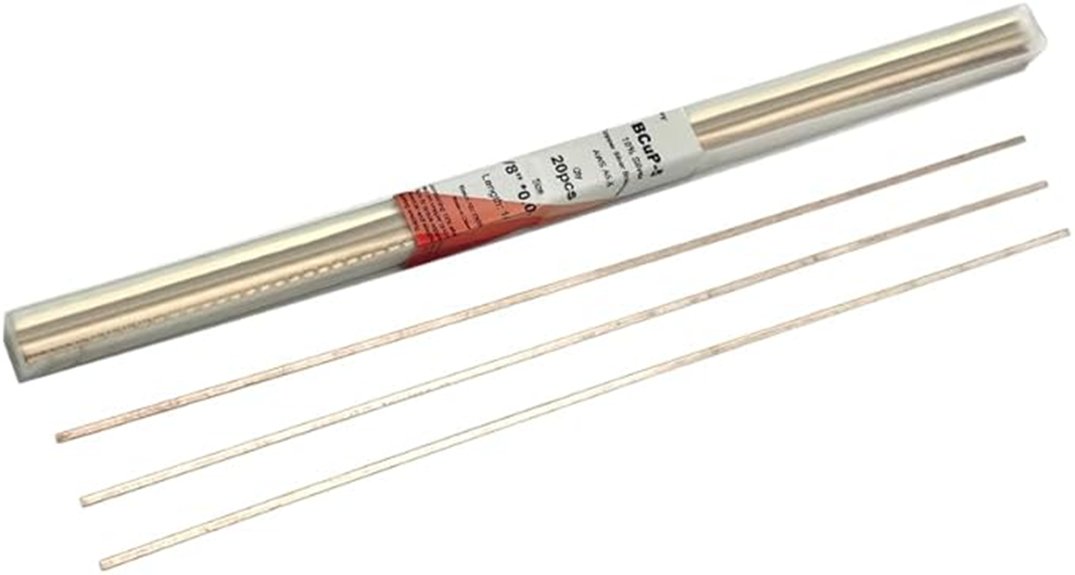
Choosing a brazing rod for copper HVAC work is not just about silver percentage. You also need the right melting range, joint clearance, base-metal compatibility, and flux choice. These 15% Silver Brazing Rods AWS BCuP-5 are designed for copper, brass, and bronze joining tasks where strong flow and reliable wetting matter. This review helps you decide whether this 0.050 x 1/8 x 14 inch flat rod set fits your repair, refrigeration, air-conditioning, or shop work, while also pointing out where it is not the right filler metal.
Quick Verdict
Rating: Recommended with caveats
Best For: Copper HVAC, refrigeration, air-conditioning, and copper-to-brass brazing work where BCuP-5 filler is appropriate.
Bottom Line: These 15% BCuP-5 silver brazing rods make sense if you need a flat, high-silver phos-copper filler rod for copper tubing and fittings. The main tradeoff is compatibility: they are not suitable for aluminum, steel, ferrous metals, or every nickel-containing alloy.
| Specification | Detail |
|---|---|
| Product type | Silver phosphorus copper brazing filler rods |
| AWS classification | BCuP-5 |
| Silver content | Approximately 14.8% to 15.2% silver, based on the supplied article/listing details |
| Rod size | 0.050 x 1/8 x 14 inches |
| Design | Flat brazing rods |
| Package count | 20 rods, based on the indexed product listing details |
| Solidus temperature | 1190°F |
| Liquidus temperature | 1475°F |
| Typical brazing range | 1300°F to 1500°F |
| Recommended joint clearance | About 0.001 to 0.005 inches, based on the supplied article |
| Compatible base metals | Copper, brass, and bronze when used with the correct technique and flux where required |
| Best use | HVAC, refrigeration, air-conditioning copper joints, copper fittings, and selected electrical conductor work |
| Safety note | Not for aluminum or ferrous metals. Use ventilation, eye protection, gloves, and flux guidance appropriate to the base metal. |
What Are These 15% Silver Brazing Rods?
These rods are AWS BCuP-5 silver brazing rods, a phosphorus-copper filler alloy with about 15% silver. The 15% silver content helps improve ductility and flow compared with lower-silver phosphorus copper alloys, which can help when you need a sound joint on copper tubing or fittings.
The rods use a flat profile and measure 0.050 x 1/8 x 14 inches. That size works well for controlled feeding with a torch because you can apply filler gradually instead of flooding the joint. The 1190°F solidus and 1475°F liquidus give the alloy a broad melting range, so heat control still matters.
For copper-to-copper brazing, phosphorus in the alloy can act as a self-fluxing agent. For brass, bronze, or copper-to-brass work, you should use a suitable brazing flux and follow the filler-metal instructions.
Before You Buy: Do not treat BCuP-5 as a universal brazing rod. It is not made for aluminum brazing, and it is generally not recommended for steel, iron, or other ferrous metals because brittle joints can result.
Who Should Buy It?
Best For
- HVAC and refrigeration users brazing copper tubing and fittings.
- Metalworkers who need 15% silver BCuP-5 filler for copper, brass, or bronze joints.
- Repair shops that want flat rods for controlled filler application with a gas torch.
Skip If
- You need filler for aluminum brazing.
- You are joining steel, iron, or ferrous parts.
- You want a flux-coated rod for every joint instead of managing flux separately.
Key Features and Specifications
The main feature is the 15% silver BCuP-5 composition. In practical terms, that gives you a filler metal often used for copper refrigeration and air-conditioning joints where flow, wetting, and ductility matter.
The rods have a solidus temperature of 1190°F and a liquidus temperature of 1475°F. The typical working range of 1300°F to 1500°F gives the alloy enough heat window for capillary flow, but you still need even heating and a properly cleaned joint.
The article-supported joint clearance range of 0.001 to 0.005 inches is important. A joint that is too tight may not draw filler properly, while a loose joint can reduce strength and make the filler bridge poorly.
Materials, Flow, and Wetting
BCuP-5 filler is known for good flow on copper and copper-base metals. When the joint reaches the proper temperature, the filler should flow into the clearance rather than sit on top like a bead.
The silver content supports better ductility than lower-silver phos-copper options. That helps in HVAC and refrigeration work, where copper lines may face vibration, thermal cycling, and service stress.
Still, the rod does not fix poor joint preparation. Oil, oxide, old residue, and poor fit-up can block wetting and create weak spots. Clean metal and steady heat matter as much as the filler rod itself.
Compatibility and Safety
These rods are best matched with copper, brass, and bronze. Copper-to-copper joints usually do not require separate flux because the phosphorus in the alloy helps with self-fluxing on copper.
For brass, bronze, or copper-to-brass joints, use an appropriate brazing flux. Flux choice matters because brass and bronze oxidize differently than pure copper, and poor flux use can leave weak or dirty joints.
Do not use these rods for aluminum brazing. Aluminum needs different filler metals and techniques. You should also avoid using BCuP-5 on steel or iron unless a qualified procedure specifically calls for it, because phosphorus-containing alloys can create brittle interfaces on ferrous metals.
Pro Tip: Heat the base metal, not the rod tip. Touch the rod to the joint only when the base metal is hot enough to draw the filler by capillary action.
How It Performs in Real Use
For HVAC Copper Line Repairs
For copper tubing and fittings, these rods are a practical choice because BCuP-5 is widely used in air-conditioning and refrigeration work. The 15% silver content helps the filler flow cleanly when the joint is properly cleaned, fitted, and heated.
For Copper-to-Brass Connections
The rods can work on copper-to-brass connections, but you should not skip flux. A suitable brazing flux helps protect the brass surface and supports proper wetting, especially around fittings and service valves.
For Tight or Intricate Joints
The flat 0.050 x 1/8 inch profile gives you good control when feeding filler into smaller joints. It is useful when you need to add filler gradually and avoid overloading the joint.
For General Shop Use
For a small shop or repair kit, a 20-piece set gives you a useful supply without committing to a large tube. It is best for users who already understand torch setup, joint cleaning, ventilation, and base-metal compatibility.
How to Use It Correctly
Start by cleaning the joint area until the metal is bright and free from oil, oxidation, coating, and dirt. A wire brush, abrasive pad, or approved solvent can help, but the final surface should be dry before brazing.
Fit the parts with a narrow, even clearance. The supplied article recommends 0.001 to 0.005 inches, which supports capillary action and helps the filler flow through the joint instead of pooling on the outside.
Use flux when brazing brass, bronze, or copper-to-brass joints. For copper-to-copper work, the phosphorus in the filler alloy may provide self-fluxing action, but you should still follow the rod label and your job procedure.
Common Mistakes to Avoid
Do not melt the rod with the flame and drip it onto a cold joint. That usually creates a surface bead rather than a bonded brazed joint. The base metal needs to reach brazing temperature first.
Do not assume more filler means a stronger joint. A clean, well-fitted joint with proper capillary flow is usually stronger and neater than an oversized filler buildup.
Do not use the same rod for every metal in your shop. Aluminum, steel, cast iron, and many specialty alloys need different filler metals, procedures, and heat control.
Pros and Cons
Pros
- 15% silver BCuP-5 alloy is well suited for copper HVAC and refrigeration brazing.
- 1190°F to 1475°F melting range supports controlled flow when heated correctly.
- Flat 0.050 x 1/8 x 14 inch rods are easy to feed into small joints.
- Works with copper, brass, and bronze when the right flux and procedure are used.
- 20-piece quantity is practical for repair kits, field work, and small shops.
Cons
- Not suitable for aluminum brazing.
- Not recommended for steel, iron, or general ferrous-metal joining.
- Brass and bronze applications require proper brazing flux.
Benefits of Using Silver Brazing Rods
The biggest benefit is controlled flow on copper-base materials. With the right joint clearance, BCuP-5 can flow into the connection and form a strong bond without needing excessive filler buildup.
The silver content also improves ductility compared with lower-silver phosphorus copper fillers. That matters when the finished assembly may face vibration, thermal expansion, or service movement.
You also get a practical balance between professional use and small-job convenience. The rods are sized for hand feeding, and the 20-piece count gives you enough material for multiple small repairs or practice joints.
Applications in Various Industries
In HVAC and refrigeration, these rods are most useful for copper tubing, air-conditioning line sets, refrigeration fittings, and similar copper connections. The alloy’s flow behavior makes it a common choice for leak-tight copper joints when the base metal is prepared correctly.
In automotive and equipment repair, the rods may help with compatible copper, brass, or bronze parts. You should confirm the base metal before brazing because many vehicle parts use aluminum, steel, or coated metals that require different filler materials.
In electrical and shop work, the alloy can be useful for selected copper conductors or copper-base assemblies. Always consider heat damage, nearby insulation, and service conditions before applying torch heat.
Is It Worth the Price?
These rods are worth considering if you specifically need 15% BCuP-5 filler for copper HVAC, refrigeration, or copper-to-brass work. They sit in a practical middle ground: more specialized than basic copper-phosphorus rods, but not as broad-use as high-silver, flux-dependent brazing alloys made for mixed metals.
You get the most value if you already know your base metals and need the 0.050 x 1/8 x 14 inch flat rod format. The value drops if you are guessing at material compatibility or need one filler for aluminum, steel, and copper jobs.
The honest limitation is that correct technique matters. Poor cleaning, poor fit-up, wrong flux choice, or overheating can waste the rod and leave you with an unreliable joint.
How It Compares to Alternatives
Compared with lower-silver phos-copper rods such as BCuP-2 or BCuP-3, BCuP-5 is often chosen when you want improved ductility and a proven HVAC/refrigeration filler type. Lower-silver options may cost less, but they may not offer the same balance of flow and service ductility.
Compared with high-silver brazing alloys made for broader mixed-metal work, these BCuP-5 rods are more focused. They make the most sense for copper and copper-base metals, not for steel, aluminum, or general-purpose fabrication.
Frequently Asked Questions
Can I use these 15% silver brazing rods on copper?
Yes. BCuP-5 rods are primarily used for copper and copper-base joints. For copper-to-copper brazing, the phosphorus in the alloy can provide self-fluxing action when the joint is clean and properly heated.
Do I need flux with these rods?
For copper-to-copper brazing, separate flux is usually not required with phosphorus copper filler. For brass, bronze, or copper-to-brass joints, use an appropriate brazing flux.
Can I use these rods for aluminum brazing?
No. These BCuP-5 rods are not made for aluminum. Aluminum brazing needs compatible aluminum filler metal, proper surface preparation, and a process designed for aluminum oxide control.
Are these rods suitable for steel or iron?
No. Phosphorus-containing BCuP filler metals are generally not recommended for steel, iron, or other ferrous metals. They can form brittle compounds and create unreliable joints.
What joint clearance works best?
The supplied article recommends about 0.001 to 0.005 inches. A narrow, even gap helps capillary action pull the molten filler through the joint.
How should I store silver brazing rods?
Store them in a clean, dry place away from moisture, chemical fumes, and shop contamination. Keeping the rods clean helps preserve flow and wetting performance during future use.
What safety gear should I wear when brazing?
Use eye protection, heat-resistant gloves, protective clothing, and good ventilation. Brazing uses high heat and can create fumes, so follow the product label, flux instructions, and your workplace safety rules.
Who should skip this product?
Skip it if you need aluminum filler, steel brazing alloy, or a general-purpose rod for mixed metals. It is best for users who already know they need BCuP-5 for copper or copper-base joints.
The Bottom Line
The 15% Silver Brazing Rods AWS BCuP-5 are a solid choice for copper HVAC, refrigeration, and copper-base brazing jobs where proper fit-up, heat control, and compatibility are already understood. Buy them if you need 0.050 x 1/8 x 14 inch flat BCuP-5 rods for copper, brass, or bronze work, but skip them for aluminum, steel, or unknown metals.