Disclosure: As an Amazon Associate, we earn from qualifying purchases. If you click a link on this page and make a purchase, we may receive a small commission at no extra cost to you.
Silver brazing works best when the filler rod matches your metal, torch setup, and joint gap. The Hicarer AWS BAg-7 Silver Brazing Rods are a 3-stick, flux-coated set made for users who need a high-silver brazing filler for copper, brass, steel, stainless steel, cast iron, and small metal repairs. This review helps you decide whether the 2 mm by 50 cm rods fit your project, skill level, and safety setup. The main strength is easy-flowing BAg-7 style performance for close-fitting joints, while the main limitation is that brazing still depends on clean metal, correct heat, and careful handling.
Quick Verdict
Rating: 8/10, Recommended with caveats
Best For: DIY users, repair techs, and metalworkers who need a 56% silver BAg-7 style rod for small, close-fitting brazed joints.
Bottom Line: The Hicarer AWS BAg-7 Silver Brazing Rods give you a compact 3-stick set with flux coating, controlled size, and broad metal compatibility. They are not a fix for dirty base metal, wide gaps, weak torch heat, or safety-critical work without the right process control.
| Specification | Detail |
|---|---|
| Brand | Hicarer |
| Model / Standard | AWS BAg-7 silver brazing rods |
| Product type | Flux-coated silver brazing solder rods |
| Package count | 3 sticks |
| Silver content | 56% silver, based on the product listing claim |
| Listed material | Silver, copper, and zinc, based on the product listing claim |
| Coating | Flux coated |
| Color | Blue coating, based on the product listing claim |
| Rod diameter | 2 mm, also listed as 2/25 inch |
| Rod length | 50 cm, also listed as 20 inches |
| Compatible metals mentioned | Copper, brass, steel, stainless steel, cast iron, iron alloys, and non-ferrous alloys other than aluminum |
| Best use | Small repairs, metal bonding, plumbing-style work, and close-fitting metal joints |
| Package note | Manual measurement may create slight size variation, based on the listing note |
| Safety note | Use eye protection, heat-resistant gloves, ventilation, and the instructions on the package for your specific joint. |
What Are the Hicarer AWS BAg-7 Silver Brazing Rods?
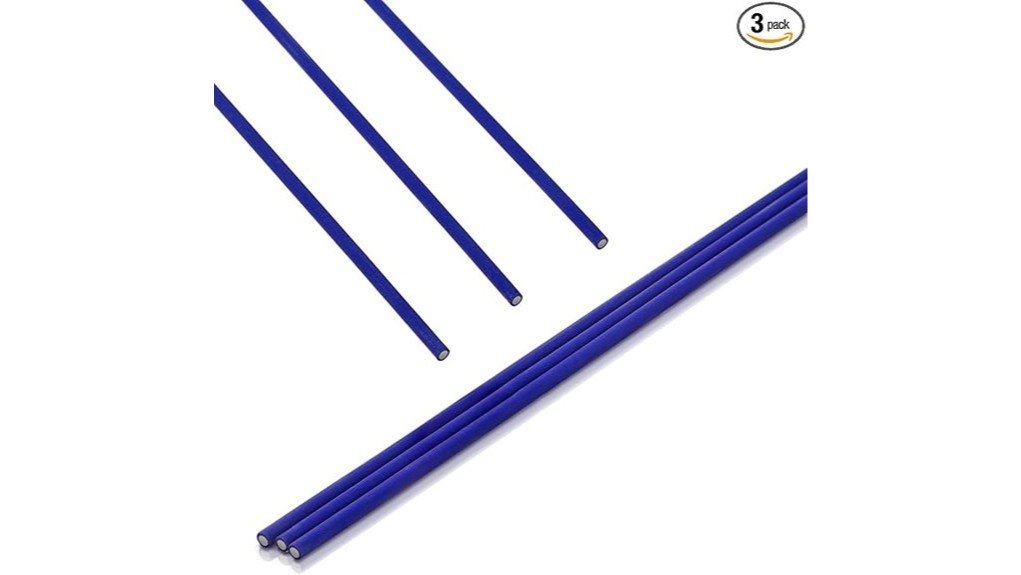
The Hicarer AWS BAg-7 Silver Brazing Rods are filler rods used to join metal parts with heat and capillary action. The listing describes them as a 3-stick set of 56% silver, flux-coated brazing rods with a 2 mm diameter and 50 cm length.
They sit in the high-silver brazing category rather than the soft solder category. That matters because silver brazing needs more heat than electronics solder, but it can create stronger metal joints when you use the right base metal, joint clearance, and heating method.
The product is aimed at small repair work, shop projects, and detailed brazing tasks on copper, brass, steel, stainless steel, and cast iron. It makes the most sense when the pieces fit closely enough for the filler to flow into the seam instead of sitting on top.
Before You Buy: Do not choose these rods by silver percentage alone. Check your base metal, joint gap, torch heat, flux coating condition, and code requirements before starting, because poor prep can ruin even a good brazing rod.
Who Should Buy It?
Best For
- DIY users repairing copper, brass, steel, stainless steel, or cast iron parts.
- Metalworkers who want a flux-coated, high-silver rod for close-fitting joints.
- Home repair projects where a clean brazed joint matters more than the lowest material cost.
Skip If
- You need welding electrode, soft solder, aluminum filler, or a filler for electronics work.
- Your joint has a large gap that needs heavy filling instead of capillary flow.
- You do not have proper ventilation, eye protection, gloves, and safe heating equipment.
Materials and Alloy Details
The strongest product detail is the 56% silver claim. In silver brazing, a high-silver BAg-7 style filler is usually chosen for lower working temperature, fluid flow, and good penetration into tight joints compared with many lower-silver options.
The listing states silver, copper, and zinc as the material makeup. Standard BAg-7 reference alloys commonly include silver, copper, zinc, and tin, so you should confirm the package label before using these rods for critical, pressure-bearing, or code-regulated work.
The blue flux coating is useful because it can reduce the need for separate flux handling on small jobs. Still, flux coating can be damaged by humidity, shop dirt, or rough storage, so inspect each rod before you heat the joint.
Flux Coating and Flowability
Good flow is the main reason to consider these rods. The listing describes a narrow melting range, good flowability, and bonding strength, which matters when you want the filler to move into the joint instead of forming a bead on the surface.
The flux coating helps fight oxidation while the base metal reaches brazing temperature. It does not replace cleaning, because oil, paint, rust, plating, or heavy oxidation can still block wetting and weaken the finished joint.
Heat control matters as much as filler choice. Heat the base metal evenly, then touch the rod to the joint area. When the joint reaches the correct temperature, the filler should follow the heat and pull into the gap.
Pro Tip: Cut a short test piece and braze scrap from the same metal before your main repair. This lets you check torch heat, flux behavior, rod flow, and cleanup without risking the finished part.
Compatibility and Best Applications
The product listing mentions copper, brass, steel, stainless steel, cast iron, iron alloys, and non-ferrous alloys other than aluminum. That gives the rods useful range for small household repairs, shop fixtures, brackets, tubing, and mixed-metal projects.
For copper and brass, these rods make the most sense on clean, close-fitting joints where the filler can wick through the seam. For steel and stainless steel, you need more attention to surface prep, oxide removal, heat balance, and post-braze cleanup.
Cast iron can be more demanding because old castings may contain oil, carbon, cracks, or uneven porosity. Test first when the part matters, and avoid using this small rod set as a shortcut for structural repairs.
Rod Size and Handling
Each rod is listed as 2 mm in diameter and 50 cm long. That size gives you better control than a thick filler rod when you work around small brackets, tight seams, or detailed repair areas.
The 20-inch length also keeps your hand farther from the heat while feeding the rod. That helps with comfort, but you still need heat-resistant gloves and a steady torch angle because brazing temperatures can injure you quickly.
The 3-stick package is practical for a few repairs or trial runs. It is not the best choice if you need to complete many joints, train multiple users, or stock a fabrication shop.
Safety and Handling Notes
Brazing uses high heat, open flame, and fumes, so safety comes before performance. Wear safety glasses or a face shield, heat-resistant gloves, long sleeves, and closed-toe shoes. Work in a well-ventilated area because flux fumes, heated coatings, and metal oxides can irritate your lungs.
Never braze sealed containers, unknown plated metals, painted parts, or parts that may contain flammable residue. Heating the wrong coating or residue can create dangerous fumes or fire risk.
If you are working on plumbing, gas lines, pressure systems, vehicles, food-contact parts, or structural parts, follow the relevant code and get professional guidance when needed. For critical work, confirm the exact alloy, flux, joint clearance, and process requirements before you use this product.
How It Performs in Real Use
For Small Household Repairs
These rods make sense for small repair jobs where you can clean the part, control the heat, and fit the pieces closely. The 2 mm diameter gives you enough control for brackets, small copper or brass parts, and detailed repair work.
For Copper and Brass Work
Copper and brass are natural use cases for high-silver brazing filler. When the joint is clean and evenly heated, the rod can flow into the seam and leave a neat bond instead of a bulky surface patch.
For Steel and Stainless Steel
Steel and stainless steel work can be more sensitive to oxidation and surface condition. You may need careful cleaning, steady heating, and complete flux residue removal after the joint cools. Test first if appearance, corrosion resistance, or strength matters.
For Learning Brazing Technique
New users can learn a lot from a high-silver, flux-coated rod because it rewards clean metal and even heating. Practice on scrap first, watch how the filler flows, and adjust your torch angle before working on the final piece.
How to Use It Correctly
Start by cleaning both metal surfaces until they are free from oil, paint, rust, and oxidation. A clean joint helps the filler wet the metal and reduces the chance of weak bonding.
Dry-fit the parts before heating so the gap stays tight and even. Silver brazing works through capillary action, so a large or uneven gap can stop the filler from flowing where you need it.
Heat the base metal evenly rather than melting the rod directly in the flame. Touch the rod to the joint area once the workpiece is hot enough. If the filler balls up, the surface may be dirty, the part may be too cold, or the flux may not be working correctly.
Let the finished joint cool naturally unless your project instructions say otherwise. After cooling, clean away flux residue because leftover flux can be corrosive or messy. Inspect the joint for gaps, poor wetting, or uneven flow before putting the part back into service.
Common Mistakes to Avoid
The biggest mistake is trying to use these rods like low-temperature soft solder. They need brazing heat, clean metal, and enough thermal input to bring the base metal to the right temperature.
Another common mistake is using the rod to fill a wide gap. These rods are better for close-fitting joints because the filler is meant to flow through the seam.
You should also avoid overheating the rod coating before the base metal is ready. If you burn the flux too early, the joint may oxidize and the filler may refuse to wet the surface.
Pros and Cons
Pros
- 56% silver content supports smooth flow and controlled brazing performance.
- Flux-coated design can simplify small repair work when the coating is intact.
- Works with several listed metals, including copper, brass, steel, stainless steel, and cast iron.
- 2 mm diameter is practical for smaller repairs and detailed metal joints.
- 3-stick package is useful for light repair work, practice, and occasional shop use.
Cons
- Not ideal for large gaps, aluminum, electronics soldering, or structural repairs.
- Requires correct surface prep, ventilation, heat control, and safe torch handling.
- Listing composition details should be confirmed on the package before critical or regulated work.
Is It Worth the Price?
The Hicarer AWS BAg-7 Silver Brazing Rods are worth considering if you need a small pack of high-silver, flux-coated filler rods for occasional metal repair. They are better for buyers who care about flow, joint penetration, and broad metal compatibility than for buyers who only want the cheapest filler option.
They offer strong value for the price if you will use them for copper, brass, steel, stainless steel, or cast iron projects where a clean brazed joint matters. The value drops if you need bulk quantity, a bare rod for your own flux process, or a filler for large-gap repair.
How It Compares to Alternatives
Compared with lower-silver brazing rods, these Hicarer AWS BAg-7 rods should appeal to users who want better flow and a lower working range. Compared with soft solder, they are better suited to stronger metal joining tasks, but they require higher heat and more safety care.
Compared with phosphorus-copper brazing rods often used on copper HVAC-style work, these rods offer broader listed compatibility that includes steel and stainless steel. Compared with bare 56% silver rods, the flux coating may be easier for light repair users, but it also makes storage and coating condition more important.
Frequently Asked Questions
Do the Hicarer AWS BAg-7 Silver Brazing Rods need extra flux?
The product listing describes these rods as flux coated, so extra flux may not be needed for some small jobs. Still, check the package instructions before use, especially if you are brazing stainless steel, old metal, or a critical joint.
What metals can these rods join?
The listing mentions copper, brass, steel, stainless steel, cast iron, iron alloys, and non-ferrous alloys other than aluminum. Real compatibility still depends on surface prep, joint clearance, flux behavior, and heat control.
How many rods come in the package?
The product listing describes the package as 3 silver brazing solder rods. That count is enough for small repairs or practice, but it may be limited for larger projects or repeated shop use.
What size are the rods?
The listing gives the rod size as 2/25 inch by 20 inches, with a 2 mm diameter and 50 cm length. Slight size variation can happen because the listing notes manual measurement.
Can I use these rods with a propane torch?
You may be able to use a propane torch on small parts if it can heat the base metal enough for brazing. Larger parts can pull heat away quickly, so they may need a hotter torch or a different setup.
Are these rods good for beginners?
They can work for beginners who already have safe torch equipment and understand basic brazing prep. Practice on scrap first because the result depends on clean metal, even heat, and correct filler flow.
How should I store flux-coated silver brazing rods?
Store them in a dry place away from moisture, dust, oil, and shop chemicals. Keep the flux coating protected because damaged or contaminated flux can affect flow and joint quality.
Who should skip these rods?
Skip them if you need soft solder, welding electrode, aluminum filler, or a rod for large-gap repair. You should also avoid using them on safety-critical, pressure-rated, or code-regulated work unless you can confirm the exact alloy and process requirements.
The Bottom Line
The Hicarer AWS BAg-7 Silver Brazing Rods are a good fit if you need a 3-stick, flux-coated, 56% silver brazing rod set for small metal repairs, clean copper or brass joints, and careful shop work. Skip them if you need a filler for aluminum, large gaps, unprepared metal, or regulated repairs that require verified alloy documentation and professional process control. For the right buyer, the main strength is smooth flow into close-fitting joints, while the main limitation is the need for correct prep, heat, safety gear, and package verification.