As an Amazon Associate, Garage Welding may earn from qualifying purchases. This does not change the price you pay.
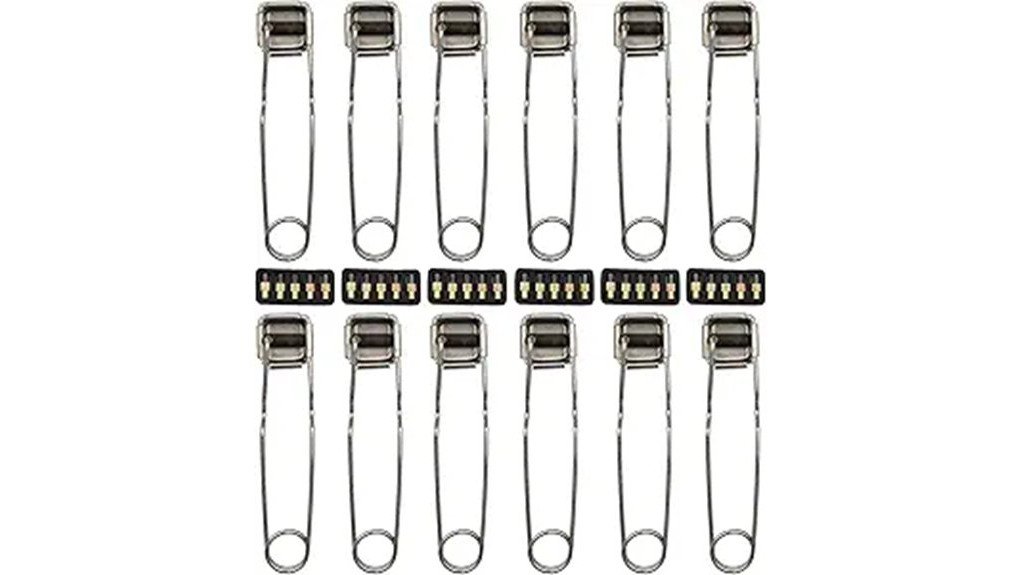
This single flint torch striker is a hand-held spark lighter for oxy-acetylene and other fuel-gas torches, supplied with spare flints. It is worth having if you cut, braze or weld with gas torches and want a dependable, battery-free way to light them. Skip it if your torch has built-in ignition or if you only use disposable lighters.
Single Flint Torch Striker at a Glance
| Item | Per the listing |
|---|---|
| Type | Single flint hand striker |
| Construction | Steel body, described as high-tensile |
| Extras | Spare flints included (listing mentions 30) |
| Size | Listing gives about 5 in length; package size listed larger |
| Use | Lighting oxy-fuel and other gas torches |
| Verify | Cup size, flint type and what is in the pack |
Check Current Price on Amazon →
What It Is and Who It Suits
A flint striker is a plain tool: a cup with a flint and a serrated steel surface that sparks when you scrape across. It uses no fuel and no batteries, which is why it lives on cutting and brazing carts in many shops.
It suits welders, plumbers and hobbyists using torch handles that need an external flame source. A single-flint design is the simplest layout, and it is easy to replace the flint when it wears. It does not help with torches that have a pilot or electric ignition.
How to Check It Fits Your Use
- Torch type: Works with most hand-lit torches, including oxy-acetylene and propane or MAPP torches.
- Cup size: Make sure the cup surrounds a standard tip without touching the end of the nozzle.
- Flint type: Check that the spare flints match the striker and note how they are replaced.
- Pack contents: Look at whether the listing includes spare flints and how many strikers come in the pack.
- Grip: Look for a handle that feels secure with leather gloves.
Pros and Limitations
Pros
- No fuel or battery; works in cold weather and on a job site.
- Cheap, simple tool with replaceable flints.
- Keeps your hand away from the tip compared to a match.
Limitations
- Needs a free hand and some practice to light neatly.
- Flints wear out and the cup can clog with soot.
- Not rated as a safety device; it is only a lighter.
Lighting a Torch Safely
- Check hose connections and the torch with soapy water before lighting.
- Open the fuel valve slightly, then strike a spark at the torch tip.
- Once lit, add oxygen slowly to reach a neutral flame as needed.
- To shut down, close the fuel valve first to put out the flame, then the oxygen valve, and follow your torch maker’s instructions for the full procedure.
- Keep the striker in a dry place, away from grease, and replace flints when sparks weaken.
Wear safety glasses and gloves, and keep flammables clear. Lighting with an unregulated gas flow can cause popping or soot, so keep flows low and consistent.
View Torch Striker on Amazon →
Alternatives and Related Guides
- For a rebuild kit for a Victor torch, see the Victor CA2460 and CA2470 torch repair kit review.
- If you cut with gas, read the oxygen acetylene cutting torch kit review.
- For a refillable lighter option, see the Whip-It! Ion Lite torch review.
- For small propane work, check the Bernzomatic Worthington 336737 torch review.
Frequently Asked Questions
How do I light a torch with a flint striker?
Open the fuel valve slightly first, then hold the striker so the cup surrounds the tip and strike across the flint toward the flame area. Add oxygen only after the fuel is burning, and keep the gas flow low so you do not get a large pop or blow-out.
Why is a flint striker better than a match or butane lighter?
A butane lighter or match puts your hand close to the torch tip and the flame can flare back. A striker keeps your hand a bit farther away, works without fuel or a battery, and is made for the quick, low-gas lighting torches need.
How often do the flints need replacing?
Flints wear down with use, so replace them when sparks get weak or the cup stops lighting reliably. The listing says spare flints are included. Keep the cup clean of soot and slag, and make sure the flint is seated firmly.
Is a striker safe to use around oxygen and fuel gas?
Used correctly, yes, because the spark only ignites gas at the tip. Never use it near leaking gas, around vapors or in a closed space. Keep gas flow low, ventilate the area, and make sure all connections are leak tested first.
Verdict
A simple, low-cost striker that every gas-torch user should have within reach. Check the current listing for flint type and quantity before ordering.
Check Current Price on Amazon →