Disclosure: As an Amazon Associate, we earn from qualifying purchases. If you click a link on this page and make a purchase, we may receive a small commission at no extra cost to you.
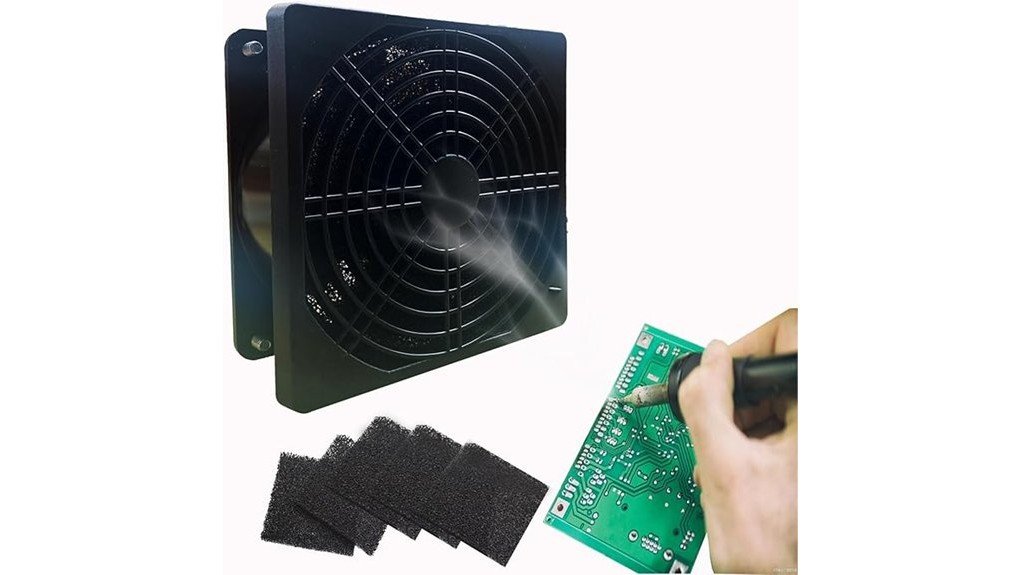
Soldering fumes can rise straight into your breathing zone, especially when you work close to a circuit board or small jewelry piece. The IQIETOY Solder Fume Extractor gives you a simple bench-top way to pull smoke toward an activated carbon filter instead of letting it drift around your workspace. It uses a 3000 RPM fan and includes five activated carbon filters, making it a practical pick for hobby electronics, small repair benches, and occasional soldering tasks. This review breaks down where it works well, where it has limits, and what you should know before you buy.
Quick Verdict
Rating: 8/10, Recommended with caveats
Best For: Hobby soldering, electronics repair, small workbenches, and short soldering sessions.
Bottom Line: This solder fume extractor is a useful low-complexity smoke absorber when you keep it close to the work area. It is not a substitute for a professional ducted ventilation system if you solder for long hours or need industrial-level fume control.
| Specification | Detail |
|---|---|
| Brand | IQIETOY |
| Product Type | Solder fume extractor and soldering smoke absorber |
| ASIN | B0CTH66DGM |
| Fan Speed | 3000 RPM |
| Fan Design | High-performance fan with double ball bearing design |
| Fan Service Life | Up to 50,000 hours, according to the listing |
| Filter Type | Activated carbon filters |
| Included Filters | 5 activated carbon filters |
| Filter Size | 4.8 x 4.8 x 2.1 inches |
| Effective Capture Distance | About 5 to 6 inches from the fan |
| Best Use | Workbench electronics maintenance, soldering work, small repairs, and hobby projects |
| Safety Note | Use close to the soldering point and follow safe ventilation practices for your workspace. |
What Is the IQIETOY Solder Fume Extractor?
The IQIETOY Solder Fume Extractor is a compact smoke absorber made for small soldering workstations. It pulls smoke toward a replaceable activated carbon filter, helping reduce the amount of visible solder smoke that spreads across your bench.
The product listing highlights a 3000 RPM fan, a double ball bearing fan design, and five activated carbon filters. The listed capture range is 5 to 6 inches, so placement matters. You get the best results when the extractor sits close to the solder joint and faces the smoke path directly.
This type of extractor makes the most sense for hobbyists, electronics repair work, small motherboard maintenance, and occasional bench soldering. It is less suitable for heavy daily production work, large welding fumes, or any setup that needs tested industrial ventilation.
Who Should Buy It?
Best For
- Electronics hobbyists who solder small wires, circuit boards, or repair parts.
- Small workbench users who want a simple smoke absorber without a hose system.
- Jewelry, craft, and DIY users who need fume control for short soldering sessions.
Skip If
- You need industrial local exhaust ventilation for long daily soldering work.
- You cannot place the fan within about 5 to 6 inches of the soldering point.
- You want a sealed multi-stage filtration unit with a hose, HEPA-style stage, or ducted exhaust.
Before You Buy: This is a close-range bench smoke absorber. It works best when the smoke travels directly into the fan, so do not expect room-wide air purification or industrial fume extraction.
Importance of Smoke Extraction in Soldering
When you solder, smoke and flux fumes can rise from the work area and move toward your face. A fume extractor helps by pulling those fumes away from your breathing zone before they spread around the room.
This matters because soldering fumes can irritate your eyes, nose, throat, and upper respiratory system. Good habits still matter, though. You should work in a ventilated area, keep your face out of the smoke path, and follow the safety instructions for your solder, flux, and work environment.
The IQIETOY unit supports that safer setup by using a fan and activated carbon filter near the source. It is most useful as a bench-side tool for reducing visible smoke during small soldering jobs.
Features and Performance of the Solder Fume Extractor
3000 RPM Fan and Close-Range Suction
The 3000 RPM fan is the main performance feature. It is designed to draw smoke from about 5 to 6 inches away, which is a realistic range for a compact bench extractor.
That short range is also the main limitation. If you place the extractor too far from the solder joint, the smoke may rise past the fan instead of going through the filter. You should position it beside or behind the workpiece so the smoke moves into the face of the unit.
Double Ball Bearing Fan Design
The listing describes a high-performance fan with a double ball bearing design and a service life of up to 50,000 hours. For a bench tool, that is useful because the fan is the part that does the hard work every time you solder.
A longer fan service life can reduce the chance of early failure, but it does not remove the need for basic care. Keep the intake clear, avoid blocking the filter, and stop using the unit if the cord, switch, fan, or housing appears damaged.
Five Activated Carbon Filters
The extractor comes with five activated carbon filters. Activated carbon filters help capture smoke and odors from soldering, and they are easy to replace when performance drops.
Filter condition affects airflow. A dirty or saturated filter can reduce suction, so replace it when you notice weaker smoke capture, strong lingering odor, visible buildup, or discoloration. For frequent soldering, you may need to replace filters more often than an occasional hobby user.
Pro Tip: Place the extractor before you heat the joint. Aim the fan face toward the smoke path, then keep the soldering point within the listed 5 to 6 inch range for better capture.
Design and Build Quality
The design is simple: a bench fan pulls smoke through an activated carbon filter. That straightforward layout makes it easy to understand, easy to place, and easy to maintain.
The article and listing do not verify a heavy-duty metal body, sealed filtration chamber, or advanced multi-stage filter system. That means you should view it as a compact workbench smoke absorber, not as a professional lab-grade extractor.
The fan should be positioned on a stable surface where it will not tip, slide, or interfere with your iron stand, solder spool, wires, or small components. A clean bench setup helps the extractor do its job without adding clutter.
Noise Level and Work Comfort
The listing describes the fan as low noise. In practical use, any fan-based extractor will create some sound, but a compact unit like this should be easier to tolerate than many larger shop extraction systems.
Noise matters when you solder for longer sessions or work on detailed repairs. If you are sensitive to fan noise, place the unit as close as needed for smoke capture while keeping it out of your direct hand path.
Applications and Customer Support Benefits
The IQIETOY Solder Fume Extractor fits several small-workstation tasks. It is best for jobs where the smoke source is fixed and close enough for the fan to capture it.
- Electronic motherboard maintenance
- Circuit board repair
- Small wire soldering
- Jewelry soldering and craft work
- Home hobby projects that use solder or flux
The listing also notes that buyers can contact the seller if the product does not meet expectations. That support note is helpful, but you should still check the current Amazon listing for updated return terms, seller details, and package contents before you order.
How It Performs in Real Use
For Electronics Repair
For circuit boards, small wires, and motherboard maintenance, this extractor makes the most sense when you can keep it close to the work. The fan can pull visible smoke away from the board, which keeps the immediate work area cleaner and more comfortable.
For Jewelry and Craft Soldering
For small jewelry or craft jobs, the compact format is useful because you can place it near the workpiece without building a large ventilation setup. You still need to watch the direction of the smoke and adjust the angle as your work position changes.
For Small Workbenches
The simple bench design works well in small spaces where a ducted system may be too large. Since the effective range is limited, keep the unit close and avoid placing tall tools, hands, or fixtures between the solder joint and the fan.
For Longer Sessions
For longer soldering sessions, filter condition becomes more important. If the filter clogs or the fan face gets dirty, smoke capture may drop. Keep extra filters nearby and inspect the unit before longer repair jobs.
Setup Tips for Better Results
Start by placing the extractor on a flat, stable surface. The fan should face the solder joint, not the side of your hand or the back of the workpiece.
Keep the soldering point within about 5 to 6 inches of the fan. If the smoke rises past the extractor, move the fan closer or adjust the angle. You should see the smoke travel toward the filter instead of drifting upward.
Do not block the intake with tools, a silicone mat edge, loose wires, or your hand. Also, avoid using the extractor near loose paper, flammable debris, or unstable items that could shift while you work.
Compatibility and Safety Notes
This extractor is suitable for small bench soldering tasks, but it does not remove the need for safe work habits. Use it with good room ventilation when possible, keep your face out of the smoke path, and follow the instructions for your solder and flux.
Do not treat a compact activated carbon smoke absorber as a guaranteed solution for all fumes, gases, or hazardous materials. If you solder professionally, work with unknown coatings, use strong chemicals, or solder for long periods every day, consider a properly specified local exhaust system and workplace safety guidance.
You should also inspect the unit before use. Stop using it if you notice a damaged cord, loose switch, burning smell, unusual fan noise, or reduced airflow that does not improve after filter replacement.
Pros and Cons
Pros
- 3000 RPM fan gives close-range smoke capture for small soldering jobs.
- Five activated carbon filters are included, so you have replacements ready.
- Simple bench-top design is easy to place near electronics and repair work.
- Double ball bearing fan design supports long service life, according to the listing.
- Useful for hobby electronics, small repairs, jewelry work, and compact workstations.
Cons
- Works best only within the listed 5 to 6 inch capture range.
- Not a replacement for professional ducted ventilation or industrial fume control.
- Filter performance depends on proper replacement and correct placement.
Is It Worth the Price?
The IQIETOY Solder Fume Extractor is worth considering if you want a simple, close-range smoke absorber for small soldering tasks. Its value comes from the 3000 RPM fan, five included filters, and easy bench placement.
It is a smart buy for everyday hobby use if you solder electronics, small wires, or occasional repair parts. You get the most value when your work area lets you place the fan close to the smoke source.
It is not the best fit if you need a sealed, hose-based, multi-stage, or professionally rated extraction system. For heavy use, a more advanced fume extractor may be a better long-term investment.
How It Compares to Alternatives
Compared with a KOTTO-style solder smoke absorber, the IQIETOY unit has a similar close-range bench concept and uses activated carbon filters. KOTTO models often highlight rubber feet, a handle, and 120V power details, so compare those features if desk stability and portability matter to you.
Compared with the Hakko FA-400, this IQIETOY model looks more like a budget-friendly hobby option. The Hakko FA-400 is a more established bench smoke absorber with published specifications and optional mounting positions. The IQIETOY makes the most sense if you want a simple extractor with multiple included filters and do not need a premium bench system.
Frequently Asked Questions
How close should the IQIETOY Solder Fume Extractor be to the soldering point?
Keep it within about 5 to 6 inches of the soldering point. The fan should face the smoke path directly so the fumes move into the filter instead of rising past the unit.
How often should you replace the activated carbon filters?
Replace the filter when smoke capture weakens, odor increases, airflow drops, or the filter looks dirty. Heavy soldering will wear through filters faster than occasional hobby use.
Can this extractor replace room ventilation?
No. This is a close-range bench smoke absorber, not a full room ventilation system. Use it as part of a safer setup that also keeps your workspace ventilated and your face out of the smoke path.
Is it suitable for electronics repair?
Yes, it is a good fit for small electronics repair and motherboard maintenance when placed close to the work. It is especially useful for short soldering jobs on a bench or hobby station.
Can it be used for jewelry soldering?
It can help with small jewelry soldering tasks where the smoke source stays close to the fan. For stronger fumes, larger torches, or professional jewelry work, use a ventilation setup that matches your materials and workspace.
Does it come with replacement filters?
The listing states that it comes with five activated carbon filters. Check the current product page before buying because package contents can change by seller or listing update.
Who should skip this solder fume extractor?
Skip it if you solder for long periods every day, need documented industrial fume control, or cannot place the extractor close to the soldering point. A hose-style or ducted extraction system may be better for those setups.
The Bottom Line
The IQIETOY Solder Fume Extractor is a practical choice for hobbyists and small-bench users who want a simple way to pull solder smoke through activated carbon filters. Its strongest points are the 3000 RPM fan, five included filters, and easy close-range setup.
Buy it if you handle small electronics repairs, jewelry soldering, or occasional DIY soldering and can keep the unit near your work. Skip it if you need professional ventilation, room-wide purification, or a more advanced multi-stage extractor.