Disclosure: As an Amazon Associate, we earn from qualifying purchases. If you click a link on this page and make a purchase, we may receive a small commission at no extra cost to you.
Choosing the wrong TIG filler rod can leave you with weak joints, messy bead appearance, or poor corrosion resistance. The Stainless Steel TIG Welding Rod ER308L is built for stainless steel TIG work where you need clean, controlled welds on common 300-series stainless metals. This review helps you decide whether the 1/16" x 16" ER308L rod size fits your project, machine setup, and welding skill level. Its biggest strength is the low-carbon ER308L composition, while the main limitation is that it is not a universal filler rod for every metal or every production setting.
Quick Verdict
Rating: 8.2/10, Recommended with caveats
Best For: TIG users welding 304, 304L, 308, 308L, 321, or 347 stainless steel on small to medium projects.
Bottom Line: This ER308L TIG rod is a practical choice if you want a low-carbon stainless filler rod that supports clean, corrosion-resistant welds. Skip it if you need filler for aluminum, heavy production MIG work, or a different stainless alloy that requires another filler match.
| Specification | Detail |
|---|---|
| Brand | Hlimior |
| Model / Classification | ER308L stainless steel TIG welding rod |
| Product type | TIG/GTAW stainless steel filler rods |
| Rod diameter | 1/16" (about 1.6 mm) |
| Rod length | 16" |
| Package weight | 1.5 lb |
| Approximate quantity | About 100 pieces, based on seller-stated package information |
| Material | Low-carbon ER308L stainless steel |
| Shielding gas | 100% argon or argon/helium gas shielding |
| Common stainless compatibility | 304, 304L, 308, 308L, 321, and 347 stainless steel |
| Best use | Stainless TIG fabrication, repair, automotive parts, machinery, structural frames, and marine-related stainless work |
| Warranty note | Manufacturer warranty terms were not verified. Check the current Amazon listing for return details before purchase. |
What Is the Stainless Steel TIG Welding Rod ER308L?
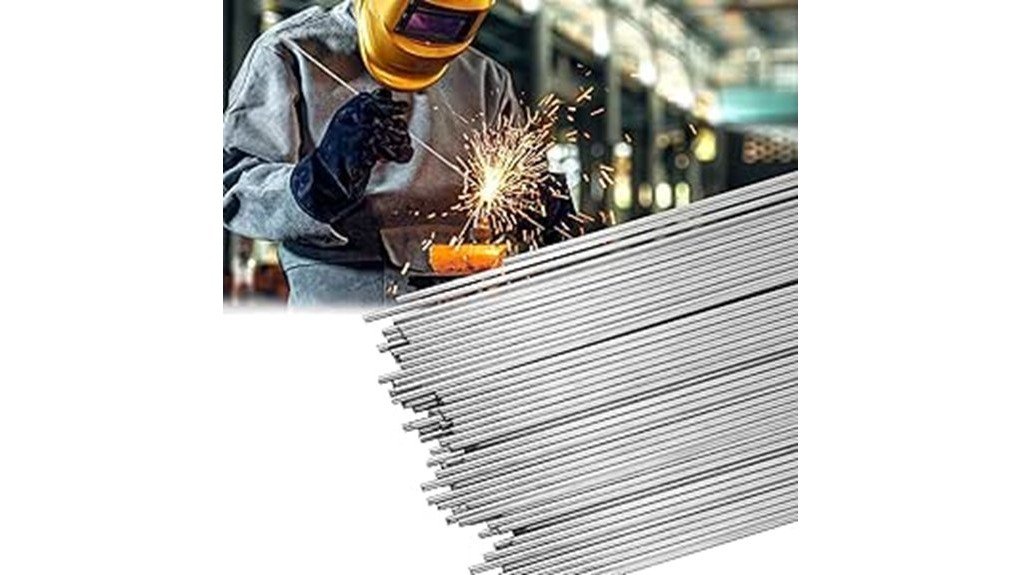
The Stainless Steel TIG Welding Rod ER308L is a low-carbon stainless filler rod for TIG welding. The product listing identifies it as a Hlimior ER308L rod in a 1/16" diameter, 16" length, and 1.5 lb package.
ER308L filler metal is commonly used when you need to weld matching or similar 300-series stainless steels, especially 304 and 304L. The low-carbon "L" grade helps reduce the chance of carbide precipitation, which matters when corrosion resistance is part of your welding goal.
This rod makes the most sense for welders who already use a TIG setup with proper shielding gas and clean metal preparation. It is not a shortcut for poor fit-up, wrong gas flow, contaminated base metal, or mismatched filler selection.
Who Should Buy It?
Best For
- TIG welders working with 304, 304L, 308, 308L, 321, or 347 stainless steel.
- Repair and fabrication jobs that need a clean bead and good corrosion resistance.
- Smaller stainless projects where a 1/16" filler rod is easier to control.
Skip If
- You need filler for aluminum, cast iron, or general stick welding.
- Your stainless alloy requires a different filler, such as ER309L, ER316L, ER321, or ER347.
- You want a high-volume production solution where MIG wire may be faster.
Before You Buy: Match the filler rod to the base metal before you weld. ER308L works well for many 304-series stainless jobs, but it is not the right filler for every stainless alloy or dissimilar-metal joint.
Performance Features of ER308L Welding Rod
The main reason to choose ER308L is its low-carbon stainless steel composition. That low-carbon design supports corrosion resistance in the weld deposit, especially when you use it with compatible 300-series stainless base metals.
The 1/16" diameter gives you good control on thinner or smaller stainless parts. It lets you feed the filler carefully into the puddle without adding too much metal at once, which helps when bead appearance matters.
The original product details highlight minimal spatter and clean, uniform welds. With TIG welding, your actual result still depends on clean base metal, proper tungsten preparation, correct amperage, and steady shielding gas coverage.
Material and Stainless Compatibility
ER308L is most useful when you are welding common stainless grades such as 304, 304L, 308, 308L, 321, and 347. That makes it a practical filler for general stainless fabrication, shop repairs, exhaust-related stainless work, and many machinery or frame applications.
The rod can be used with 100% argon or argon/helium shielding gas. Argon is the common choice for TIG stainless work, while argon/helium blends may help when you need more heat input or faster travel speed.
Do not assume ER308L is the best filler for every stainless job. If you are welding 316 stainless, high-heat service parts, dissimilar stainless-to-carbon-steel joints, or code-regulated work, confirm the filler with a welding procedure, filler chart, or qualified welding professional.
Rod Size, Handling, and Arc Control
The 1/16" diameter is a useful size for many small and medium TIG jobs. It is slim enough for controlled filler addition, which helps when you want a tidy bead on thinner stainless material.
The 16" length is shorter than many traditional 36" TIG rods. That can be convenient for bench work, tight spaces, hobby use, or field repair kits, but it also means each rod may run out sooner on longer welds.
Because TIG welding gives you separate control over heat and filler, this rod rewards steady technique. Keep the rod tip inside the shielding gas envelope, avoid touching the tungsten, and trim contaminated rod ends before continuing the weld.
Pro Tip: Clean stainless with a dedicated stainless wire brush or clean abrasive before welding. Cross-contamination from carbon steel tools can hurt bead quality and corrosion resistance.
Compatibility and Applications
This TIG welding rod works best for stainless fabrication where clean bead appearance and controlled filler deposition matter. Typical uses include automotive stainless parts, shop fixtures, machinery components, structural stainless frames, and marine-related stainless repairs.
For construction or shipbuilding work, use it only when ER308L matches the specified material and welding procedure. Professional and code-related projects may require documented filler classification, weld procedure approval, or inspection standards.
For home shops and small fabrication work, the rod is most useful when you already have a TIG welder, stainless-compatible shielding gas, proper PPE, and enough experience to control heat input. Beginners can use it, but stainless TIG work has a learning curve.
How It Performs in Real Use
For Stainless Sheet and Light Fabrication
The 1/16" size helps you add filler gradually on lighter stainless work. That can reduce bulky beads and make it easier to control the puddle when you are working on smaller parts.
For Automotive and Exhaust-Related Stainless Work
ER308L is a sensible choice for compatible stainless automotive brackets, tubing, and repair pieces. You still need to confirm the actual stainless grade, because some exhaust systems or aftermarket parts may use alloys that call for a different filler.
For Shop Repairs and General Fabrication
The 1.5 lb package gives you enough rods for multiple small repairs and practice runs. The shorter 16" rod length can be easier to manage in a compact shop, especially when you weld around fixtures or tight corners.
For Long-Term Corrosion Resistance
Low-carbon ER308L is designed to support corrosion-resistant welds on compatible stainless steel. The final durability still depends on surface preparation, proper shielding, post-weld cleaning, and whether the filler matches the base metal.
How to Use It Correctly
Start by confirming your base metal. If the workpiece is 304 or 304L stainless, ER308L is often a common match. If you do not know the stainless grade, stop and identify it before welding.
Use clean shielding gas and keep the rod end inside the gas coverage while feeding the puddle. Stainless welds can discolor, oxidize, or lose quality if shielding gas coverage is poor.
Store the rods in a dry place and keep them away from oil, grinding dust, and carbon steel contamination. Wipe rods if needed before use, and discard or trim any rod section that becomes contaminated during welding.
Safety and Material Notes
Welding stainless steel requires serious safety habits. Wear a welding helmet with the correct shade, flame-resistant gloves, long sleeves, and eye protection for grinding or cleanup work.
Use proper ventilation or fume extraction, especially when welding stainless steel. Welding fumes can be hazardous, and stainless work may produce fumes that require stricter control than basic mild steel projects.
Follow your welder manual, gas supplier instructions, filler rod safety data sheet, and workplace rules. If you are welding structural, pressure, marine, or safety-critical parts, use a qualified welding procedure instead of relying on general product guidance.
Pros and Cons
Pros
- Low-carbon ER308L composition supports corrosion-resistant stainless welds.
- 1/16" diameter gives good control on small and medium TIG projects.
- Works with common stainless grades such as 304, 304L, 308, 308L, 321, and 347.
- Compatible with 100% argon or argon/helium shielding gas.
- 1.5 lb package is useful for practice, repair work, and multiple small projects.
Cons
- Not suitable for every stainless alloy or dissimilar-metal weld.
- 16" rods may run out faster than longer 36" TIG rods on extended welds.
- Requires proper TIG setup, shielding gas, surface prep, and technique.
Is It Worth the Price?
This ER308L rod is worth considering if you need a practical stainless TIG filler for compatible 300-series stainless work. It offers strong value for the price when you want a 1.5 lb pack for repair jobs, practice beads, and smaller fabrication tasks.
The value is strongest for buyers who care about clean TIG control and corrosion-resistant stainless welds. It is not the best fit if you need longer rods, documented industrial certifications, or a filler type for a different alloy.
How It Compares to Alternatives
Compared with ER316L, ER308L is usually the better match for many 304 and 304L stainless projects, while ER316L is often considered for 316 stainless or more corrosion-demanding environments. Compared with ER309L, ER308L is not usually the first choice for many stainless-to-carbon-steel dissimilar joints.
Compared with MIG stainless wire, this TIG rod gives you more manual control and cleaner detail work, but it is slower. Choose this ER308L rod if your priority is controlled stainless TIG welding rather than high-speed production.
Frequently Asked Questions
What stainless steel can you weld with ER308L?
ER308L is commonly used for 304, 304L, 308, 308L, 321, and 347 stainless steel. Always confirm your base metal before welding, especially on critical or unknown parts.
Can you use this rod for mild steel?
Do not treat ER308L as a general mild steel filler rod. Some stainless-to-steel jobs require a different filler, often ER309L, so check a filler selection chart or welding procedure first.
What shielding gas should you use with ER308L TIG rods?
Use 100% argon for many stainless TIG jobs. Argon/helium blends may help with more heat input or faster travel speed, but your welder setup and material thickness should guide the choice.
Is 1/16" a good TIG rod size?
The 1/16" size works well for many light and medium stainless TIG projects. It gives you controlled filler addition, but thicker material may require a larger rod, more heat, or multiple passes.
How should you store ER308L TIG rods?
Store the rods in a dry, clean location away from moisture, oil, and grinding dust. Keep them separated from carbon steel contamination when corrosion resistance matters.
Can beginners use ER308L rods?
Beginners can practice with ER308L, but stainless TIG welding demands careful heat control and clean shielding gas coverage. Practice on scrap pieces before welding a visible or load-bearing part.
How many rods come in the package?
The seller-stated package information lists a 1.5 lb pack with about 100 pieces. Because counts can vary by seller packaging, confirm the current Amazon listing before ordering.
Who should skip this ER308L TIG rod?
Skip it if you are welding aluminum, cast iron, or an alloy that calls for another filler. You should also skip it for code work unless the rod and procedure meet your project requirements.
The Bottom Line
The Stainless Steel TIG Welding Rod ER308L is a solid buy if you need a 1/16" low-carbon stainless filler rod for compatible TIG welding projects. Its strongest advantage is controlled, corrosion-resistant stainless welding, while its main limitation is alloy compatibility.
Buy it for 304-series stainless repair, practice, and fabrication work. Skip it if your project calls for another filler metal, documented industrial certification, or a faster production process.