Disclosure: As an Amazon Associate, we earn from qualifying purchases. If you click a link on this page and make a purchase, we may receive a small commission at no extra cost to you.
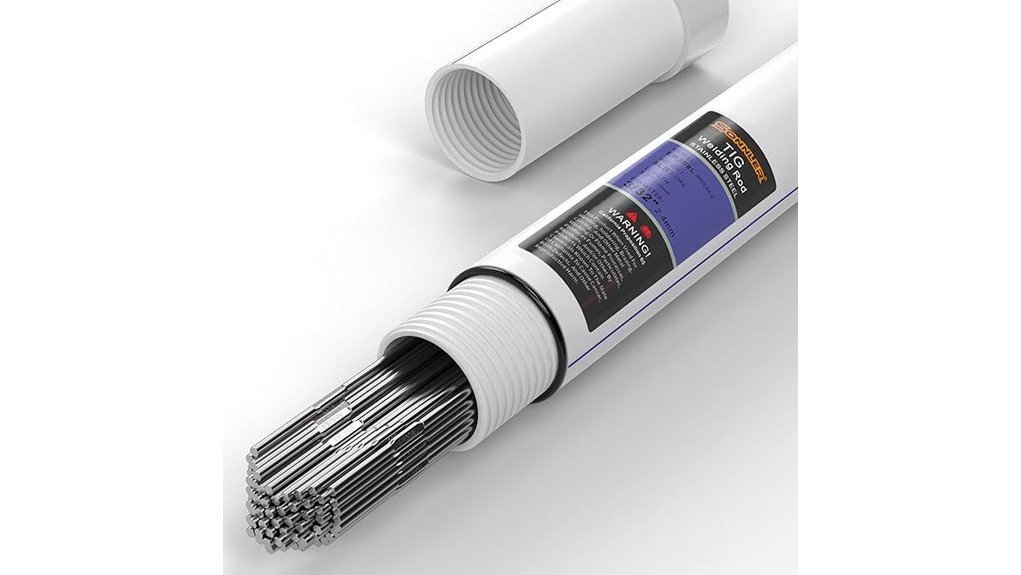
Choosing the right TIG filler rod matters when you are welding stainless steel and want a clean bead, good corrosion resistance, and less cleanup after the job. The ER308L Stainless Steel TIG Welding Rod is made for stainless applications such as 304 and 308, with a 3/32 inch diameter and 16 inch rod length listed in the source article. It is a practical choice if you need a 5 lb pack for shop work, repairs, fabrication, or repeated stainless TIG projects. The main tradeoff is that ER308L is not a universal stainless filler, so you still need to match it to your base metal, welding procedure, and shielding gas setup before you buy.
Quick Verdict
Rating: Recommended with caveats
Best For: Welders using TIG on compatible 304 and 308 stainless steel projects.
Bottom Line: This ER308L rod makes sense if you want a stainless TIG filler with low splatter behavior, corrosion resistance, and a useful 3/32 inch size. Skip it if your project needs a different filler classification, a verified brand-specific data sheet, or a rod for carbon steel, aluminum, or incompatible stainless grades.
| Specification | Detail |
|---|---|
| Product type | Stainless steel TIG welding rod |
| Filler classification | ER308L |
| Rod size | 3/32 inch diameter x 16 inch length |
| Package weight | 5 lb, according to the source article |
| Compatible stainless types stated | 304 and 308 stainless steel |
| Welding process | TIG welding |
| Shielding gas noted | 100% Argon or Argon/Helium mix |
| Main strengths stated | Low splatter characteristics and corrosion resistance |
| Return policy stated | 30-day free return and exchange policy |
| Warranty stated | Two-year warranty against manufacturing defects, according to the source article |
What Is the ER308L Stainless Steel TIG Welding Rod?
The ER308L Stainless Steel TIG Welding Rod is a filler rod for gas tungsten arc welding on compatible stainless steel. In this article, the listed size is 3/32 inch x 16 inch, and the package weight is 5 pounds, which makes it better suited to repeated use than a small sample pack.
The rod is aimed at welders working on stainless steel types such as 304 and 308. The “L” in ER308L refers to a low-carbon filler classification, which is commonly chosen when you want good stainless weld appearance and corrosion resistance in the right application. You still need to confirm that ER308L matches your base metal, joint design, and job requirements before starting the weld.
Before You Buy: Do not choose this rod by stainless appearance alone. Match the ER308L classification to the base metal, service environment, and welding procedure, especially if you are welding 316 stainless, dissimilar metals, pressure parts, food-contact equipment, or code-related work.
Key Takeaways
- The ER308L classification is best suited to compatible stainless steel work, especially the 304 and 308 stainless types stated in the article.
- The listed 3/32 inch x 16 inch size gives you a common TIG rod diameter for controlled stainless welds.
- The 5 lb package is useful if you weld stainless regularly and do not want to reorder after a few small jobs.
- Low splatter behavior can reduce cleanup when your fit-up, amperage, tungsten, and shielding gas are dialed in correctly.
- Use the recommended shielding gas setup, such as 100% Argon or an Argon/Helium mix, based on your machine, material thickness, and procedure.
Who Should Buy It?
Best For
- Welders joining compatible 304 or 308 stainless steel with a TIG process.
- Shop users who want a 5 lb supply instead of a small hobby pack.
- Projects where corrosion resistance and a clean stainless weld bead matter.
Skip If
- You need filler for aluminum, mild steel, cast iron, or another non-stainless material.
- Your project calls for a different stainless filler, such as a 316-grade filler for certain 316 stainless applications.
- You need fully verified brand, heat lot, certification, or code documentation before purchase.
Features and Benefits of ER308L Welding Rod
The strongest reason to consider this rod is its fit for common stainless TIG work. The article lists compatibility with 304 and 308 stainless steel, which covers many general fabrication, repair, and shop projects. For the right base metal, ER308L can help you produce a clean weld with good stainless corrosion resistance.
The listed 3/32 inch diameter is a useful middle-ground size. It is thick enough for many general TIG jobs, but still manageable for controlled feeding when you are working around corners, seams, brackets, tubing, or small stainless parts.
The 16 inch length also gives you enough rod to work smoothly without changing filler too often. That helps when you need a steady rhythm and consistent filler addition across a longer bead.
Corrosion Resistance and Stainless Compatibility
ER308L is meant for stainless welding, not general steel welding. Its corrosion resistance is most useful when the filler metal is properly matched to the base stainless and the finished weld is cleaned and protected as needed for the job.
For 304 and 308 stainless projects, this rod is a reasonable match based on the article’s stated compatibility. It can be used for many shop repairs, stainless brackets, light fabrication, and non-code projects when your procedure allows it.
The limitation is important: stainless filler selection depends on the exact alloy and service conditions. If your weld will face chemicals, salt exposure, high heat, food-contact use, pressure, or structural requirements, check the project specification or ask a qualified welding professional before using any filler rod.
Shielding Gas and Weld Performance
The article recommends 100% Argon or an Argon/Helium mix. For many TIG stainless setups, argon is the common starting point because it gives stable shielding and clean arc behavior when the flow rate and cup setup are correct.
An Argon/Helium mix may help in some situations where you need more heat input or better travel speed, especially on thicker material. That does not mean helium is required for every job. It can cost more and may need setup changes, so match the gas to your machine, tungsten, cup size, and material thickness.
Pro Tip: Before judging the rod, test it on clean scrap from the same stainless grade. Confirm your tungsten prep, amperage, gas flow, travel speed, and filler feed before welding the final part.
Low Splatter and Cleanup
The article highlights low splatter characteristics, which is useful when you want a cleaner stainless finish. Less splatter means less grinding, brushing, and post-weld cleanup, especially on visible stainless parts.
Still, low splatter is not only about the rod. Poor shielding, dirty base metal, wrong polarity, bad fit-up, or too much heat can still create weld defects or extra cleanup. This rod gives you a good starting point, but your setup and technique matter just as much.
Handling, Size, and Package Value
At 3/32 inch x 16 inch, this rod should feel familiar if you have used TIG filler before. The 16 inch length gives you enough reach without becoming awkward for most bench work, while the 3/32 inch diameter is easier to feed consistently than very thin wire on heavier joints.
The 5 lb package is best for welders who expect to use ER308L more than once. If you only need a few rods for one tiny repair, a smaller pack may be more practical. If you work with stainless often, the larger pack can reduce interruptions and help keep the same filler type on hand.
Customer Feedback and Performance
The source article reports a 4.7 out of 5 star customer rating. Since live listing verification was not available during this edit, treat that rating as article-provided context, not a newly verified current rating.
Buyer feedback in the source article centers on low splatter, reliable stainless performance, and corrosion resistance. Those are the right factors to watch when you evaluate this rod in your own shop. A good result should show steady arc behavior, smooth filler flow, clean bead profile, and no obvious contamination when your stainless prep is correct.
For best results, judge this rod on a clean test weld using the same stainless grade, shielding gas, joint fit-up, and amperage range you plan to use on the final project.
How It Performs in Real Use
For Shop Fabrication
For common stainless fabrication, this rod is useful when you are building or repairing parts made from compatible stainless grades. The 5 lb pack makes sense if you weld brackets, frames, fixtures, or stainless components often enough to keep filler in stock.
For Small Repairs
For small stainless repairs, the 3/32 inch size gives you controlled filler addition without being too bulky for most TIG work. You still need clean metal, tight fit-up, and the right heat input to avoid sugaring, porosity, or an oversized bead.
For Visible Stainless Work
Low splatter behavior is helpful when the weld will be visible. On stainless trim, small parts, or exposed fabrication, less cleanup can help protect the final appearance. Use proper shielding and cleaning methods so the weld does not discolor more than expected.
For Regular Stainless Users
The 5 lb package is better for regular stainless users than for someone who only needs one or two rods. If you store the rods correctly, the larger pack can be a convenient supply for repeated TIG projects.
How to Use It Correctly
Start by confirming that your base metal is compatible with ER308L. Clean the joint area before welding, remove oil or surface contamination, and use stainless-only brushes or tools when possible so you do not transfer carbon steel contamination onto stainless parts.
Use the shielding gas recommended for your setup. The article lists 100% Argon or an Argon/Helium mix, but your best choice depends on metal thickness, weld position, machine settings, and your procedure. Keep the gas coverage stable, especially around corners or outdoors where moving air can disturb the shielding envelope.
Feed the rod smoothly into the leading edge of the puddle. Dipping the filler into a contaminated puddle, touching the tungsten, or overheating the joint can hurt bead quality. If the weld looks dirty or porous, stop and fix the setup before continuing.
Storage and Care Tips
Store the rods in a dry, clean location. Moisture, shop dust, oils, and metal grinding debris can all affect weld quality, especially on stainless work where cleanliness matters.
An airtight tube, sealed rod container, or original packaging kept away from damp air can help protect the filler. If the rods become dirty, rusty, or contaminated, do not use them on a critical weld.
Compatibility and Safety Notes
This rod is for TIG welding, so you need the right welder, tungsten, shielding gas, PPE, and stainless prep tools. It is not a stick electrode, MIG wire, brazing rod, or flux-cored wire.
Follow your welder manual, product label, and shop safety procedures. TIG welding can expose you to intense light, heat, fumes, and shielding gas hazards. Use eye protection, gloves, ventilation, and safe gas cylinder handling every time.
If the weld is structural, pressure-bearing, food-contact, sanitary, marine, or code-regulated, do not rely on a general product review alone. Use the required welding procedure, filler specification, and inspection standard for that job.
Pros and Cons
Pros
- ER308L classification fits many compatible 304 and 308 stainless TIG projects.
- 3/32 inch x 16 inch rod size is practical for controlled filler feeding.
- 5 lb package is useful for repeated shop use or regular stainless fabrication.
- Low splatter characteristics can reduce cleanup when your TIG setup is correct.
- Article-supported 30-day return and two-year warranty claims add buyer confidence.
Cons
- Not suitable for every stainless grade or every service environment.
- Exact brand and live listing details could not be verified during this edit.
- Requires proper TIG setup, clean stainless prep, and correct shielding gas to perform well.
Warranty and Return Policy
The source article states that this ER308L rod includes a 30-day free return and exchange policy and a two-year warranty for manufacturing defects. It also references the Amazon.com Voluntary 30-Day Return Guarantee.
Before you order, review the current Amazon listing details because return windows and warranty handling can vary by seller, fulfillment method, and date of purchase. Keep your order record and packaging until you confirm the rods match the size, classification, and quantity you expected.
Is It Worth the Price?
This rod is worth considering if you regularly weld compatible stainless steel and want a 5 lb pack of ER308L filler in a common TIG size. The value is strongest for users who need more than a few rods and care about low splatter behavior, corrosion resistance, and consistent shop supply.
It may not be the best fit if you only need a tiny amount for a one-time repair. It is also not the right buy if your project requires a different filler classification, documented certs, or a verified brand-specific data sheet before welding.
How It Compares to Alternatives
Compared with smaller ER308L packs, this 5 lb option is better for regular users who do not want to reorder often. Compared with ER316L filler, ER308L is usually a better match for compatible 304 and 308 stainless work, while ER316L may be more appropriate for certain 316 stainless applications when the procedure calls for it.
Compared with MIG stainless wire, this TIG rod gives you manual filler control and is better suited to TIG setups. Choose it if your priority is controlled stainless TIG welding rather than faster wire-feed production.
Frequently Asked Questions
What is ER308L TIG welding rod best used for?
It is best used for TIG welding compatible stainless steel, especially 304 and 308 stainless types listed in the article. It is a good choice for general stainless fabrication, repairs, and shop work when your procedure allows ER308L filler.
Can you use this ER308L rod on 316 stainless steel?
Do not assume ER308L is the right filler for 316 stainless. Some 316 stainless applications may call for a different filler, so check the base metal, service environment, and welding procedure before you buy.
What shielding gas should you use with this TIG rod?
The source article recommends 100% Argon or an Argon/Helium mix. Many welders start with argon for TIG stainless, while helium blends may help in some thicker or higher-heat applications.
Is 3/32 inch a good TIG rod size?
A 3/32 inch filler rod is a useful size for many general TIG projects. It may be too large for very thin stainless and too small for some heavier work, so match the rod diameter to your material thickness and heat input.
Can ER308L be used outdoors?
The rod itself can be used on outdoor stainless projects, but TIG welding needs stable shielding gas coverage. Wind can disturb the gas shield and cause porosity or contamination, so use wind protection and follow safe welding practices.
How should you store stainless TIG welding rods?
Store them in a dry, clean container away from moisture, grinding dust, oil, and shop contamination. Keeping rods sealed when not in use helps protect weld quality and reduces the risk of contamination.
Who should skip this ER308L TIG rod?
Skip it if your project needs a different filler classification, verified material certificates, or a rod for non-stainless metals. You should also skip it if you cannot confirm that ER308L matches the base metal and service conditions.
The Bottom Line
The ER308L Stainless Steel TIG Welding Rod is a solid choice for welders who need a 3/32 inch x 16 inch stainless filler rod for compatible 304 and 308 TIG work. Its best strengths are low splatter behavior, corrosion resistance, and a useful 5 lb package, while the main limitation is compatibility: it is not the right filler for every stainless grade or every code-sensitive job.