Disclosure: As an Amazon Associate, we earn from qualifying purchases. If you click a link on this page and make a purchase, we may receive a small commission at no extra cost to you.
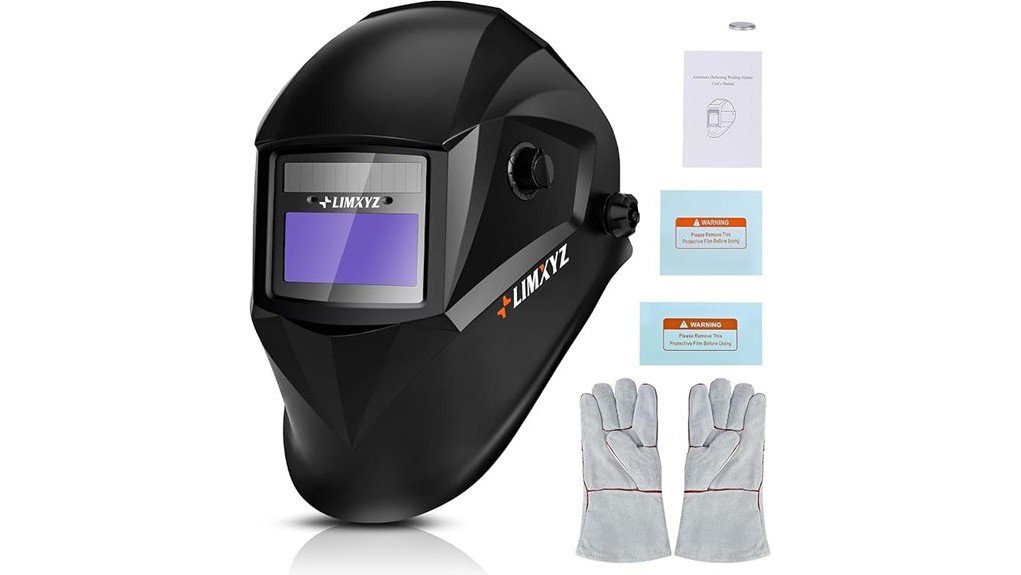
Choosing an auto-darkening welding helmet comes down to safety, visibility, comfort, and how well the lens reacts when the arc starts. The Welding Helmet Auto Darkening is built around a lightweight 0.9-pound shell, a 3.66 x 1.69 inch viewing area, two arc sensors, and a 1/10,000-second darkening response. That makes it appealing if you want a simple helmet for regular welding tasks without wearing a heavy hood all day. The main tradeoff is that the provided product details do not confirm the brand, certification label, exact warranty period, or replacement lens availability, so you should verify those details on the Amazon listing before buying.
Quick Verdict
Rating: 7.8/10
Best For: DIY welders, garage users, and light-duty shop work where low weight and quick darkening matter most.
Bottom Line: This helmet gives you useful core specs, including a 0.9-pound design, shade 4 to 13 adjustment, and a fast 1/10,000-second lens response. It is worth considering for comfort-focused welding, but buyers who need verified workplace certifications or premium lens clarity should check the listing and compare higher-end options.
| Specification | Detail |
|---|---|
| Product type | Auto-darkening welding helmet |
| Product name in article | Welding Helmet Auto Darkening |
| Weight | 0.9 pounds |
| Viewing area | 3.66 x 1.69 inches |
| Darkening speed | 1/10,000 second |
| Arc sensors | Two arc sensors |
| Shade range | Adjustable shade 4 to 13 |
| Power | Solar-cell powered design, based on provided article details |
| Fit system | Dynamically adjustable headwear |
| Comfort detail | Breathable padding |
| Build note | High impact-resistant materials, based on provided article details |
| Best use | Light-duty to general welding tasks where comfort, fast switching, and basic shade adjustment are priorities |
What Is the Welding Helmet Auto Darkening?
The Welding Helmet Auto Darkening is a welding hood designed to help protect your face and eyes while improving visibility before and during a weld. Instead of flipping a fixed-shade helmet up and down between welds, the lens darkens when the sensors detect the arc.
Its most useful article-supported specs are the 0.9-pound weight, 3.66 x 1.69 inch viewing area, two arc sensors, and 1/10,000-second darkening speed. These details point to a helmet made for users who want less neck strain and faster lens response during common welding work.
The helmet also offers an adjustable shade range from 4 to 13, which gives you room to set a lighter or darker view depending on the task. Still, you should always match the shade to your process, amperage, and safety requirements instead of relying on one setting for every job.
Key Takeaways
- The lens darkens in 1/10,000 second, which helps reduce the delay between arc start and eye protection.
- The 3.66 x 1.69 inch viewing area gives you a practical view of the weld zone without making the helmet bulky.
- At 0.9 pounds, the lightweight design can reduce neck fatigue during longer garage or shop sessions.
- The shade 4 to 13 range supports different welding and cutting tasks when adjusted correctly.
- The two arc sensors improve detection, but sensor placement and clean lens covers still matter for reliable performance.
Before You Buy: The provided product details do not confirm a specific safety certification, warranty length, brand name, or replacement lens part number. Check the Amazon listing, helmet markings, and your workplace rules before using it for professional or regulated work.
Who Should Buy It?
Best For
- DIY welders who want a light helmet for short to medium garage projects.
- Users who value fast auto-darkening response and basic shade adjustment.
- Welders who want a lower-strain helmet for repeated tack welds, practice beads, or repair work.
Skip If
- You need verified ANSI, CSA, CE, or jobsite-specific certification details before purchase.
- You want a larger panoramic viewing area for production welding or complex fit-up work.
- You need confirmed warranty terms, brand support, or easy-to-source replacement parts.
Key Features and Benefits
The biggest strength of this helmet is its balance of low weight and core auto-darkening features. At 0.9 pounds, it should feel easier on your neck than many heavier hoods, especially when you are checking fit-up, lifting the hood often, or moving around a project.
The 3.66 x 1.69 inch viewing size is not huge, but it is practical for common welds where you need to see the joint, puddle, and nearby work surface. It works best when you keep the outside cover lens clean and position your head so the sensors have a clear path to the arc.
The adjustable shade 4 to 13 range gives you control for different tasks. Lower shades can be useful for setup or cutting-type tasks when appropriate, while darker shades are commonly needed for brighter arc welding work. Always use the shade recommended for your process and amperage.
Performance and Functionality
Performance depends on how quickly the lens reacts and how consistently the sensors detect the arc. This helmet uses two arc sensors and shifts from light to dark in 1/10,000 second, which is fast enough for many general welding situations.
The two-sensor setup helps the helmet detect the arc, but it is still possible to block sensors with your hand, torch angle, workpiece, or body position. If the helmet does not darken consistently, stop welding and inspect the sensors, lens cover, battery or power system, and shade setting before continuing.
The solar-cell powered design is another useful feature because it can help support the lens during welding. However, solar-assisted helmets may still rely on internal batteries or stored charge depending on the design, so you should check the listing or manual for the exact battery replacement method.
Comfort and Design
Comfort matters more than many buyers expect because a helmet that feels heavy or poorly balanced can affect your posture and focus. The 0.9-pound weight is the standout comfort feature here, especially for longer sessions or frequent repositioning.
The helmet includes dynamically adjustable headwear, which should help you tune the fit around your head. A proper fit keeps the lens aligned with your eyes, reduces pressure points, and helps prevent the helmet from sliding when you bend toward the work.
The article also notes breathable padding and high impact-resistant materials. That combination is useful because the helmet needs to feel wearable while still helping shield your face from sparks, spatter, and shop debris.
Safety and Materials
A welding helmet is safety gear, so you should treat the specs as a starting point, not the full safety decision. The article supports claims for fast darkening, shade adjustment, solar-cell power, and impact-resistant construction, but it does not confirm a specific certification mark.
Before using this helmet for professional work, confirm that the helmet label and product listing match the safety standards required by your shop, school, or employer. Also inspect the shell, headgear, lens, sensors, and cover plates before each use. Cracks, deep scratches, loose headgear, or unreliable darkening are reasons to stop and replace parts or the helmet.
For cutting, grinding, or outdoor work, use the correct mode and shade setting when available. Do not assume one helmet setting is safe for every task, and do not weld if the lens flickers, delays, or fails to darken.
How It Performs in Real Use
For Garage Welding
For garage projects, the low weight and auto-darkening lens make setup easier. You can position your torch, check your joint, and start the weld without repeatedly flipping the helmet up and down.
For Repeated Tack Welds
The 1/10,000-second darkening response is helpful when you are making a series of short tack welds. You still need to keep the sensors exposed to the arc, but the quick switch can make stop-and-start work feel smoother.
For Longer Sessions
The 0.9-pound weight is the main advantage during longer wear. Less weight can mean less neck strain, especially when you are leaning over a bench or working around a vehicle panel.
For Outdoor Use
The original article says the helmet is suitable for outdoor use and helps reduce bright-light visibility issues. In practice, outdoor welding can still be affected by glare, shadows, sun angle, and sensor exposure, so test the settings before starting a full weld.
Setup Tips Before First Use
Start by adjusting the headgear so the helmet sits level and close enough for a clear view through the lens. If the helmet sits too low, too high, or too loose, the viewing area will feel smaller and the hood may shift while you work.
Next, set the shade for your welding process and amperage. The shade 4 to 13 range gives you flexibility, but the right setting depends on the job. When in doubt, start darker, check visibility, and follow the safety guidance for your welding process.
Finally, clean the lens covers and check the sensors before striking an arc. Dust, spatter, scratches, and blocked sensors can reduce visibility or interfere with darkening performance.
Pro Tip: Before your first real weld, test the helmet on scrap metal using the same process and lighting conditions you plan to use. This lets you confirm the shade, fit, and sensor response before you work on an important part.
Cleaning and Maintenance
Use a soft cloth and mild soap when cleaning the shell or lens covers. Avoid harsh solvents unless the manual clearly allows them, because strong chemicals can damage plastics, coatings, or seals.
Inspect the cover lens often. A scratched or spatter-covered lens can make the viewing area feel smaller and may hide puddle detail. Replace worn cover plates when visibility drops instead of turning the shade lighter to compensate.
You should also check the headgear, padding, and sensor area. Loose headgear affects comfort, while dirty or blocked sensors can reduce auto-darkening reliability.
Pros and Cons
Pros
- Lightweight 0.9-pound design helps reduce neck strain.
- 1/10,000-second darkening speed supports quick arc response.
- Shade 4 to 13 adjustment gives you flexibility for different tasks.
- 3.66 x 1.69 inch viewing area is practical for general welding work.
- Adjustable headwear and breathable padding improve comfort during longer use.
Cons
- Brand, model number, and certification details are not confirmed in the provided article.
- The viewing area may feel limited if you prefer a larger panoramic lens.
- Warranty length and replacement lens availability should be verified before purchase.
Is It Worth the Price?
This helmet looks like a strong value for buyers who want the core benefits of an auto-darkening hood without focusing on premium extras. The light 0.9-pound build, quick darkening speed, adjustable shade range, and breathable padding are the main reasons to consider it.
You will get the most value if your priority is everyday garage welding, practice work, repairs, or occasional shop use. It is not the best fit if you need a confirmed professional certification, a very large viewing screen, or brand-backed replacement parts before you buy.
Because the article does not include a specific price, treat the final value as listing-dependent. Check the current Amazon price, included accessories, warranty information, and seller details before deciding.
How It Compares to Alternatives
Compared with a basic fixed-shade helmet, this auto-darkening model should be easier to use because you can see your setup before the arc starts. That can help with tack welds, short welds, and projects where you need frequent repositioning.
Compared with premium helmets from brands such as Miller, Lincoln Electric, or 3M Speedglas, this model appears more focused on light weight and basic function than advanced lens technology, larger viewing windows, or confirmed brand support. It makes the most sense if you want practical auto-darkening features and are willing to verify the safety details before purchase.
Frequently Asked Questions
How fast does this welding helmet darken?
The article lists a darkening speed of 1/10,000 second. That quick response helps protect your eyes when the arc starts, but you should stop using the helmet if the lens ever delays, flickers, or fails to darken.
Is the 3.66 x 1.69 inch viewing area large enough?
For general garage welding and repair work, the viewing area should be practical. If you want a wider view for production welding, awkward joints, or complex fabrication, compare it with helmets that have larger viewing screens.
Can this helmet be used for cutting tasks?
The article says the helmet can be used for cutting tasks, and the shade 4 to 13 range gives you adjustment room. Use the correct setting for the task and follow the manual or jobsite safety rules before cutting.
Is it suitable for outdoor welding?
The article describes the helmet as suitable for outdoor use. Outdoor glare, direct sun, and shadow changes can affect visibility, so test the shade and sensor response before starting a full weld outside.
How long does the battery last?
The original article says battery life can last several months depending on use, but it does not provide an exact battery type or replacement schedule. Check the Amazon listing or manual for the correct battery information before you rely on it for regular work.
How should you clean and maintain it?
Clean the shell and lens covers with a soft cloth and gentle soap. Inspect the sensors, lens covers, headgear, and padding often, and replace worn parts when visibility or fit gets worse.
What warranty does this helmet include?
The provided article mentions warranty coverage but does not state a warranty period. Verify the warranty length, seller policy, and replacement process on Amazon before ordering.
Who should skip this welding helmet?
Skip it if you need confirmed certification details, a larger viewing area, or a known brand with easy replacement parts. It is better suited for buyers who want a lightweight auto-darkening helmet and are willing to verify the listing details before purchase.
The Bottom Line
The Welding Helmet Auto Darkening is a solid choice if you want a light 0.9-pound helmet with quick 1/10,000-second darkening, shade 4 to 13 adjustment, and a practical viewing area for general welding. It is best for DIY and light-duty shop users, while buyers who need verified certifications, a larger lens, or confirmed warranty terms should compare higher-end options first.