Disclosure: As an Amazon Associate, we earn from qualifying purchases. If you click a link on this page and make a purchase, we may receive a small commission at no extra cost to you.
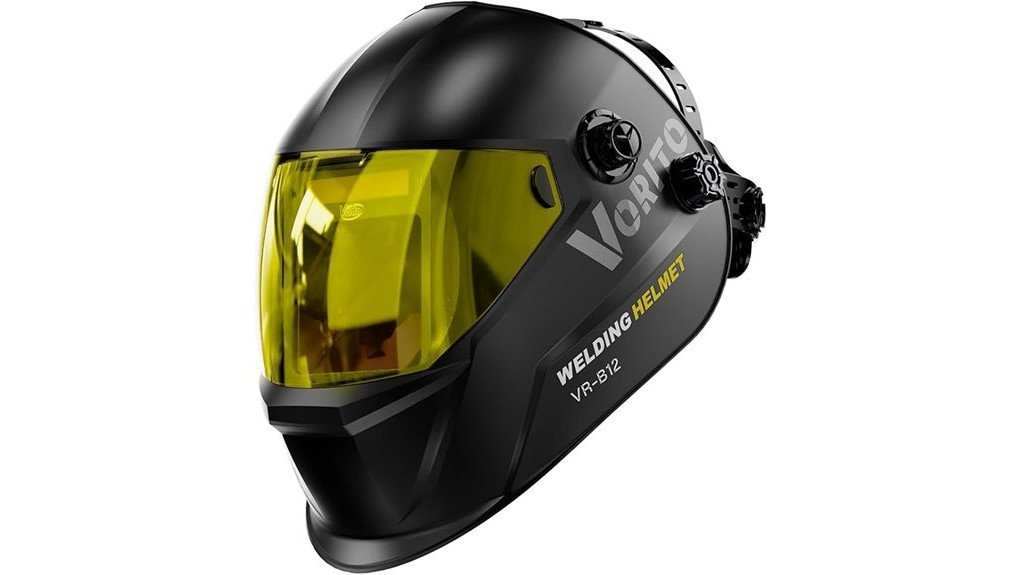
A welding helmet can feel fine in your hand and still fail the real test if the lens response, viewing area, or headgear slows you down. This auto-darkening welding helmet is positioned as a large-view option for TIG, MIG, and ARC welding, with four arc sensors, adjustable shade control, and a true-color solar-powered system. This review helps you decide whether those article-supported features make it a smart buy for garage and shop use. The main caution is verification: the supplied article lists conflicting viewing-area, response-time, and weight details, so you should confirm the live Amazon listing before ordering.
Quick Verdict
Rating: 8.0/10, recommended with caveats
Best For: DIY welders, garage users, and general shop users who want a larger view, fast auto-darkening response, and adjustable shade control.
Bottom Line: This helmet is worth considering if you want auto-darkening convenience for TIG, MIG, and ARC work without stepping into a premium pro-brand helmet. The tradeoff is that brand, certification, warranty, and exact size details were not fully verified from an active product page.
| Specification | Detail |
|---|---|
| Product type | Auto-darkening welding helmet |
| ASIN from affiliate link | B0DJL6PQ4M |
| Brand | Not verified in the supplied article |
| Model | Not verified beyond ASIN B0DJL6PQ4M |
| Viewing area | Article-supported as a large viewing area. The source lists about 3.94 x 2.87 inches, 3.94 x 3.23 inches, and 3.94 x 2.95 inches in different places. |
| Optical clarity | 1/1/1/1 optical clarity rating, according to the source article |
| Arc sensors | Four arc sensors |
| Response time | Article lists both 1/30,000 second and 1/25,000 second. Confirm the active listing or manual. |
| Shade range | Adjustable tint settings from shade 4 to 13, according to the source article |
| Supported welding types | TIG, MIG, and ARC welding, according to the source article |
| Lens material note | High-strength PC ADF lens, 2 mm thick, according to the source article |
| Power system | True-color solar-powered system, according to the source article |
| Weight | Source describes it as lightweight but lists 18 ounces, about 1.2 pounds, and 1.6 pounds in different places. |
| Certification note | No specific safety certification was named in the supplied article |
| Best use | Welding protection for users who want adjustable sensitivity, shade control, and a larger work view |
Before You Buy: Confirm the live Amazon listing before purchase. The supplied article supports the core feature set, but it gives conflicting numbers for viewing area, response time, and weight, and it does not verify the brand, model name, certification, warranty, or included accessories.
What Is This Auto-Darkening Welding Helmet?
This product is an auto-darkening welding helmet designed to protect your eyes and face while helping you see the joint before the arc starts. The lens changes from a lighter state to a darker shade when the sensors detect welding light, so you do not have to lift a passive hood between every tack, setup check, and bead.
The source article describes a large-view design, a 1/1/1/1 optical clarity rating, four arc sensors, shade 4 to 13 adjustment, and compatibility with TIG, MIG, and ARC welding. Those details make it most useful for welders who want one flexible helmet for common shop tasks instead of a fixed-shade hood.
The article also mentions an adjustable headband, a 2 mm high-strength PC ADF lens, and a true-color solar-powered system. Those are useful features, but the missing brand and certification details mean this review should be read as a practical buying guide, not a fully verified professional-equipment recommendation.
Who Should Buy It?
Best For
- DIY welders who want auto-darkening protection for TIG, MIG, and ARC work.
- Garage and repair users who want a larger viewing window for setup, tacking, and bead tracking.
- Shoppers who value adjustable shade and sensitivity controls more than verified premium-brand documentation.
Skip If
- You need a confirmed brand, exact model, certification label, and warranty before buying.
- You weld professionally and require published replacement lens, shell, and headgear support.
- You do not want to verify the current viewing size, response time, and weight on the Amazon listing.
Features and Benefits
Viewing Area and Optical Clarity
A larger viewing area helps you see the weld joint, torch angle, and nearby workpiece with less head movement. The supplied article gives more than one height measurement, so the safest claim is that the helmet is built around a large viewing-area design, not one confirmed exact window size.
The listed 1/1/1/1 optical clarity rating is the strongest article-supported visibility claim. For you, that should mean less distortion and more consistent shading across the lens than a lower-quality filter, which can help during layout, tacking, and bead tracking.
Auto-Darkening Response and Arc Sensors
The article positions this helmet as a fast-reacting auto-darkening model, but it lists both 1/30,000 second and 1/25,000 second. That conflict matters because response time is a safety and comfort feature, so you should check the label, listing, or manual before depending on one exact number.
Four arc sensors are useful because your hand, torch, clamp, or workpiece can block light from one direction. More sensor coverage can help the lens detect the arc more consistently when your welding angle changes.
Shade Range and Sensitivity Control
The article lists adjustable tint settings from shade 4 to 13. That range gives you room to move between lighter visibility tasks and darker arc welding work, depending on your process, current, material, and shop lighting.
Adjustable sensitivity helps when you move from a bright shop to a dim garage or from heavier welding to short tack welds. The best setting is not always the darkest or most sensitive one, so expect some trial and adjustment before the helmet feels natural.
Comfort and Headgear
The helmet is described as lightweight and fitted with an adjustable headband. That matters during longer sessions because poor balance, forehead pressure, and neck strain can distract you from torch angle and bead control.
The weight claim needs caution because the article gives more than one number. Treat comfort as a likely strength, but check the current listing and user photos for the exact weight, headgear style, and adjustment points.
Lens and Build Notes
The source article mentions a high-strength PC ADF lens that is 2 mm thick. It also describes a yellow tint and enhanced visual contrast, which may help some users see edges, puddle movement, and joint lines more clearly.
Build quality is not only about lens specs. Before buying, look for details on the outer cover lens, replacement parts, headband adjustment, sensor placement, and shell durability, since those details were not fully verified from a manufacturer page.
Pro Tip: Before your first real weld, test the auto-darkening function in a safe setup, then adjust shade, sensitivity, and delay for the process you plan to use. Do not assume one setting is right for TIG, MIG, stick welding, and grinding prep.
How It Performs in Real Use
For Garage and DIY Welding
For common garage welding, the biggest benefit is workflow. You can line up the joint in the light state, start the arc, and let the lens darken automatically instead of nodding a passive helmet down before every tack.
For TIG, MIG, and ARC Work
The article says the helmet supports TIG, MIG, and ARC welding. The shade 4 to 13 range gives you flexibility across those processes, but you still need to match the shade and sensitivity to amperage, arc brightness, and the instructions for the helmet.
For Longer Sessions
Longer welding sessions put more pressure on the headgear than quick repairs. The adjustable headband and lightweight positioning should help, but the final comfort depends on how well the helmet balances on your head and how easily the hood stays in place.
For Grinding and Prep Work
The source FAQ says the helmet can be used for grinding applications through adjustable tint and sensitivity features. Before using it that way, confirm whether the current product has a dedicated grind mode or clear grind setting instructions, and always protect against sparks and debris.
Setup Tips Before First Use
Start with the headband. The helmet should sit stable without pressing hard on your forehead, and the viewing window should line up naturally when you lower the hood.
Next, set the shade for your welding process and current range. A shade that feels comfortable is not enough if it is below the safe range for the work, so follow the product label or manual instead of guessing.
Test the sensitivity and delay before a full weld. If the lens flickers, fails to darken, or stays dark at the wrong time, stop and adjust the controls before continuing.
Compatibility and Safety
This helmet is described for TIG, MIG, and ARC welding, but that does not mean every setting is correct for every job. Welding current, arc brightness, joint position, and surrounding light all affect the shade and sensitivity you should use.
The article says the helmet meets rigorous safety standards, but it does not name a specific certification. Because this is protective equipment, verify any ANSI, CE, or other safety marking directly on the listing, product label, or manual before using it for professional work.
Inspect the helmet before each session. Do not weld with a cracked lens, damaged shell, loose headgear, unreliable auto-darkening response, or missing cover lens, because those problems can affect both visibility and protection.
Common Mistakes to Avoid
Do not buy based only on the largest viewing-area number in the article, because the source gives conflicting measurements. Use the Amazon product photos, listing bullets, and manual to confirm the active version.
Do not leave the helmet on one sensitivity setting for every task. Low-amp TIG, brighter MIG work, and stick welding can need different adjustments for dependable lens behavior.
Do not treat auto-darkening as a substitute for full safety checks. You still need the correct shade, proper face coverage, clean lenses, and safe work habits around sparks, slag, and UV exposure.
Pros and Cons
Pros
- Auto-darkening lens helps you position the work before the arc starts.
- Four arc sensors support arc detection from more angles.
- Shade 4 to 13 adjustment gives you flexibility across common welding tasks.
- Large-view design can make joint setup and bead tracking easier.
- Adjustable headband and lightweight positioning aim to reduce fatigue.
Cons
- Brand, model, warranty, and certification details were not verified from an active product page.
- The source article gives conflicting viewing-area, response-time, and weight values.
- Not ideal for buyers who need confirmed professional replacement-part support.
Is It Worth the Price?
This helmet is worth considering if you want a practical auto-darkening welding helmet with a large-view design, adjustable shade settings, and comfort-focused headgear. It fits best as a value-focused option for hobby, garage, and general shop use.
The strongest value goes to welders who move often between setup, tack welding, grinding prep, and longer beads. The auto-darkening lens and adjustable controls can make that work easier than using a basic passive helmet.
The honest limitation is documentation. If you need a fully verified professional helmet with confirmed certification, replacement lens support, exact weight, and clear warranty terms, check the current listing carefully or compare it with a known professional-brand model.
How It Compares to Alternatives
Compared with a passive welding helmet, this auto-darkening model should be easier to use because you can see the joint before the arc starts. It also gives you shade and sensitivity adjustment, which a fixed-shade hood does not provide.
Compared with premium professional auto-darkening helmets, the main gap is documentation. Premium options often publish clearer model numbers, certification markings, replacement-part support, and warranty terms, while this helmet makes more sense for buyers who can verify the current Amazon listing and mainly want large-view convenience.
Frequently Asked Questions
Is this welding helmet suitable for TIG, MIG, and ARC welding?
Yes, the source article says the helmet supports TIG, MIG, and ARC welding. You should still set the shade and sensitivity for the exact process, amperage, and work area lighting.
What is the viewing area?
The article describes a large viewing area, but it lists several sizes: about 3.94 x 2.87 inches, 3.94 x 3.23 inches, and 3.94 x 2.95 inches. Confirm the exact current listing size before buying.
How fast does the lens darken?
The source article lists both 1/30,000 second and 1/25,000 second. Treat it as a quick-response auto-darkening helmet, but verify the exact response time on the product page, label, or manual.
Can you use it for grinding?
The source FAQ says it can be used for grinding applications. Before doing that, confirm whether the helmet has a dedicated grind mode or clear grind settings, and keep proper protection against sparks and debris.
How should you adjust the sensitivity settings?
Start with the product instructions, then test the helmet in a safe setup. Increase or reduce sensitivity until the lens darkens reliably when the arc starts without flickering from surrounding light.
What safety details should you verify before use?
Check the product label, manual, or listing for named safety certifications, shade guidance, and operating instructions. Do not use the helmet if the lens, shell, sensors, or headgear appear damaged.
How should you clean and maintain the helmet?
Clean the lens with a soft cloth and avoid abrasive materials that can scratch the viewing area. Store the helmet where the lens, shell, and headgear will not be crushed or exposed to avoidable damage.
Who should skip this helmet?
Skip it if you need verified brand documentation, exact certification details, and confirmed replacement-part support before purchase. It is a better fit for buyers who can review the live listing and decide based on the current specs.
The Bottom Line
This auto-darkening welding helmet is a recommended-with-caveats pick for DIY, garage, and general shop welders who want a large-view design, four arc sensors, and adjustable shade control. Skip it if you need fully verified brand, certification, warranty, and replacement-part documentation before buying. Its main strength is flexible auto-darkening convenience, while its main limitation is incomplete product verification.