Disclosure: As an Amazon Associate, we earn from qualifying purchases. If you click a link on this page and make a purchase, we may receive a small commission at no extra cost to you.
A clean layout mark can save you from a crooked cut, misplaced hole, or scratched finished part. The Tungsten Carbide Tip Scribe is a compact manual marking tool made for hard surfaces such as stainless steel, glass, ceramic, metal sheets, and wood. This review helps you decide whether its hard carbide point, aluminum body, pen-style grip, and pocket clip fit your shop, craft bench, or tool bag. It is a useful pick for permanent guide lines, but it is not ideal for soft plastic, delicate finishes, or buyers who need fully verified brand, warranty, and package details before purchase.
Quick Verdict
Rating: 8/10
Best For: DIYers, fabricators, craft users, and hobbyists who need controlled scratch lines on hard materials.
Bottom Line: This scribe is worth considering if you want a reusable hand tool with a tungsten carbide tip, lightweight aluminum body, and pocket-friendly design. The tradeoff is product-detail certainty, since the brand, exact package count, and warranty terms are not verified here.
| Specification | Detail |
|---|---|
| Product name used in article | Tungsten Carbide Tip Scribe |
| Brand | Not confirmed in the available product details |
| Model | Not confirmed; affiliate link contains ASIN B0819GJWX3 |
| Product type | Manual marking and light engraving scribe |
| Tip material | Tungsten carbide |
| Body material | Aluminum body |
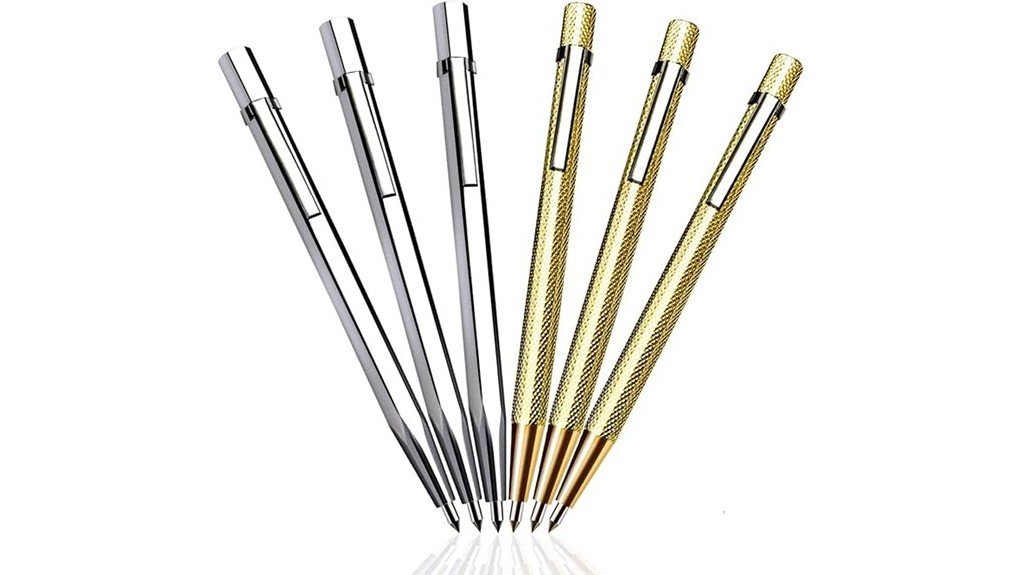
| Design | Pen-style body with knurled grip and pocket clip |
| Approximate length | About 6 to 6.5 inches, based on the provided article details |
| Approximate weight | Around 0.3 pounds, based on the provided article details |
| Power source | Manual tool, no batteries, ink, or charging required |
| Best use | Precision layout marks, cutting guides, drilling marks, template work, and light engraving prep |
| Compatible materials | Stainless steel, glass, ceramics, metal sheets, wood, and other hard surfaces that can accept a scratch line |
| Package note | Exact package count and included accessories are not confirmed here |
| Storage note | Use the pocket clip for carrying, and protect or reverse the tip when the design allows it |
| Warranty note | Warranty terms are not confirmed here and should be checked on the current listing |
| Safety note | Sharp point creates a scratch mark, so test first and avoid surfaces where cosmetic damage matters |
What Is the Tungsten Carbide Tip Scribe?
The Tungsten Carbide Tip Scribe is a hand marking tool for drawing fine, visible scratch lines on surfaces that ordinary pencils, pens, or softer points may not mark well. Its main working part is the tungsten carbide tip, which helps the tool keep a sharp point when you mark hard materials.
The aluminum body gives you a larger gripping area than a bare carbide point while keeping the tool small enough for a pocket, apron, bench drawer, or tool bag. The pen-style shape feels familiar in your hand, and the knurled grip can help you control pressure on slick metal, glass, or ceramic.
This scribe fits buyers who need layout marks before cutting, drilling, fitting, craft work, template work, or light engraving prep. It does not replace a powered engraver, rotary tool, glass cutter, center punch, or specialty marking system for every material.
Before You Buy: Confirm the current Amazon listing if brand, package quantity, included accessories, or warranty coverage matter to you. The review can support the tool type and article-listed details, but those buying details are not fully verified here.
Who Should Buy It?
Best For
- You need crisp guide lines on stainless steel, glass, ceramic, metal sheet, or wood.
- You want a compact manual scribe that fits in a pocket, apron, or tool bag.
- You do layout, DIY repair, woodworking templates, hobby projects, or craft marking.
Skip If
- You mainly mark soft plastic, painted finishes, polished surfaces, or parts that must stay scratch-free.
- You need confirmed brand documentation, exact accessories, or written warranty terms before buying.
- You need deep decorative engraving, repeated patterns, or starter dimples for drilling metal.
Features and Specifications
The main feature is the tungsten carbide tip. A hard carbide point is useful when you need a line that does not wipe away during measuring, handling, cutting, drilling, or light surface prep.
The aluminum body helps keep the scribe portable while giving your fingers enough surface area to control the point. At about 6 to 6.5 inches long and around 0.3 pounds, based on the provided article details, it should be easy to store near a ruler, square, template, or workbench setup.
The knurled grip and pocket clip matter in real use. The grip helps when your hands are dusty, gloved, or slightly oily, while the clip helps you keep the tool close instead of leaving it loose on a bench.
Design and Build Quality
The pen-style body suits the way most people already control a marking tool. You can hold it like a pen for light layout work or move closer to the tip when you need more pressure on a harder surface.
The aluminum body gives the scribe a practical balance between weight and control. It should feel more durable than a disposable marker, but it stays smaller than many shop layout tools.
The sharp tip is the part that needs the most care. Dropping the tool, storing it loose, or leaving the point exposed can damage the tip or scratch other items in your tool bag.
Performance on Various Materials
This scribe works best when you want a visible scratch line on a hard material. It is not an ink marker, so the mark is usually more permanent than a pen or pencil line.
Stainless Steel and Metal Sheets
On stainless steel and other metal sheets, the scribe can create a thin line for cutting, drilling, fitting, or fabrication layout. Start with light pressure, then add pressure only if the line is too faint.
Pressing too hard on metal can make the tip harder to control and may leave a deeper scratch than your project needs. Use a straightedge, square, or template when line accuracy matters.
Glass, Ceramic, and Tile
For glass, ceramic, and tile craft work, the hard tip can help you place a visible guide mark. These materials can chip, crack, or show unwanted scratches, so use a stable surface and test on scrap first.
Do not treat this scribe as a full glass cutter. It is better described as a marking tool for guide lines, layout points, and light scratch marks.
Wood and Template Work
On wood, the fine point can make a thinner layout line than a thick pencil. That helps with templates, joinery marks, craft shapes, and small fitment work.
Because wood is softer than metal or ceramic, you usually need less pressure. On finished wood, test in a hidden area because the scratch line may not erase cleanly.
Soft Plastic and Finished Surfaces
This scribe is not the best first choice for soft plastic. The hard point may drag, gouge, or leave a rough groove instead of a neat guide line.
For soft plastic, painted parts, polished decorative surfaces, or coated materials, a fine marker, pencil, tape guide, or material-safe scoring tool may be a better fit. Choose the marking method based on whether a scratch mark is acceptable.
Pro Tip: Make one light first pass before you deepen the line. A shallow guide mark helps you control the path, and a second pass is safer than forcing the tip on the first try.
How It Performs in Real Use
For Workshop Layout
In a shop setting, this scribe is useful for layout marks on metal brackets, panels, sheet material, and small repair parts. The pocket clip helps keep it nearby, and the knurled grip helps when you guide the point along a ruler or square.
For Glass, Ceramic, and Tile Craft Projects
For glass, ceramic, or tile projects, it can help you place guide marks before cutting, drilling, or decorating. The key is control: support the material fully, use light pressure, and avoid fragile edges until you have tested the technique.
For Woodworking and Hobby Use
For woodworking, model making, and hobby work, the thin point can mark more precisely than a broad pencil line. It works best when you need a physical guide line that stays visible through handling.
For Tool Bag and Jobsite Use
The slim body and pocket clip make this scribe easy to carry between a garage, jobsite, craft table, or bench. It does not need batteries, ink, charging, or replacement marker tips for normal manual marking tasks.
How to Use It Correctly
Clean the surface before marking so dirt, oil, or dust does not cause the tip to skip. Hold the scribe like a pen, keep your wrist steady, and pull the tip along your guide instead of pushing it awkwardly.
- Use light pressure for the first pass, especially on glass, ceramic, finished wood, and polished surfaces.
- Keep the scribe angle consistent so the line does not widen or wander.
- Use a ruler, square, template, or straightedge when accuracy matters.
- Test on scrap material before marking a finished part.
- Use the pocket clip for carrying, but protect the carbide point from drops and impacts.
- Reverse the tip when not in use if the design allows it.
Correct pressure matters more than force. Too little pressure may leave a faint line, while too much pressure can damage the surface or make the tool harder to steer.
Compatibility and Safety
The scribe is best matched with hard materials that can accept a scratch line, including stainless steel, glass, ceramics, metal sheets, and wood. It may also work on other metals when you need a visible guide mark before cutting or drilling.
Because the tip is sharp and made for hard surfaces, handle it like a pointed shop tool. Keep it away from children, avoid carrying it loose with the point exposed, and store it where the tip will not scratch other tools or surfaces.
When you mark brittle materials such as glass, ceramic, or tile, eye protection is a smart precaution. Also avoid using the scribe on coated, tempered, treated, high-value, or finished surfaces unless you have confirmed that a scratch line will not create damage, weaken a coating, or affect the part.
User Experience and Recommendations
The strongest buyer benefits are control, portability, and the hard tungsten carbide point. The pen-style body feels familiar, and the knurled grip gives you more contact than a smooth barrel when you are guiding the tip.
Use this scribe when a permanent or semi-permanent scratch line is useful. Skip it when you need a removable mark, a colored mark, or a surface-safe mark on plastic, paint, polished metal, finished wood, or decorative surfaces.
Pros and Cons
Pros
- Tungsten carbide tip is suited to hard materials like stainless steel, glass, ceramic, and metal sheets.
- Aluminum body keeps the tool portable while giving your fingers a larger gripping area.
- Pen-style design and knurled grip help with control during detailed layout work.
- Pocket clip makes it easier to carry in a tool bag, apron, or bench setup.
- Manual design needs no ink, batteries, charging, or powered setup for normal marking tasks.
Cons
- Not ideal for soft plastic, painted finishes, polished surfaces, or parts that must stay scratch-free.
- Brand, exact warranty terms, included accessories, and package count are not fully verified here.
- Requires careful pressure control on glass, ceramic, finished wood, tile, and decorative surfaces.
Is It Worth the Price?
This scribe can be a strong value for the price if you need a simple manual marking tool for hard surfaces. Its value comes from the carbide point, aluminum body, pocket clip, and daily usefulness in layout work.
You get the most value if you often mark stainless steel, glass, ceramics, metal sheets, or wood before cutting, drilling, or fitting parts. For one-time marks on easy surfaces, a pencil, tape guide, or marker may be enough.
The main limitation is product-detail certainty. Check the current Amazon listing before purchase if you need a confirmed brand, specific package quantity, included accessories, or warranty coverage for professional use.
How It Compares to Alternatives
Compared with a paint marker, this scribe creates a thinner and more durable guide line, but the mark is scratched into the surface instead of sitting on top of it. Compared with a standard steel awl, the tungsten carbide tip is better suited to harder materials where a softer point may dull faster.
A diamond-tip scribe may be worth comparing if your main work is glass or very hard ceramic. An automatic center punch is better when you need starter dimples for drilling metal. The Tungsten Carbide Tip Scribe makes the most sense if you want a compact manual tool for fine layout marks across several hard materials.
Frequently Asked Questions
What is the Tungsten Carbide Tip Scribe best used for?
It is best used for fine layout marks, cutting guides, drilling marks, template lines, and light engraving prep on hard materials. It makes the most sense when you want a scratch line that will not wipe away like ink or pencil.
Can you use this scribe on plastic?
It is not the best choice for soft plastic. The hard tip can gouge, drag, or leave rough marks, so a fine marker, pencil, tape guide, or plastic-safe scoring tool may be better.
Will it work on glass, ceramic, or tile?
It can mark glass, ceramic, or tile with a visible guide line, but you need light pressure and a stable surface. Test on scrap first because these materials can chip, crack, or show unwanted scratches.
Is it suitable for left-handed users?
Yes, the pen-style body can be held from either side, so left-handed users should be able to use it comfortably. The important part is to keep the angle and pressure steady while marking.
How long does the tungsten carbide tip last?
Tip life depends on the hardness of the materials you mark, how much pressure you use, and how you store the tool. You can help protect the point by cleaning the tool and covering or reversing the tip when it is not in use.
What does the scribe weigh?
The provided article details list the weight at around 0.3 pounds. That keeps it light enough for a pocket or tool bag while still giving you a solid hand-tool feel.
Does it come with a warranty or accessories?
Warranty terms, exact package count, and included accessories are not fully verified here. Check the current Amazon listing before buying if those details affect your decision.
Can it replace an engraving tool?
It can help with light engraving marks, layout lines, and guide marks, but it is not a full replacement for a powered engraver. Choose a rotary engraver or dedicated engraving system for deep decorative work, repeat patterns, or long engraving sessions.
The Bottom Line
The Tungsten Carbide Tip Scribe is a smart buy for you if you need a compact, controlled tool for marking stainless steel, glass, ceramics, metal sheets, or wood. Its main strengths are the tungsten carbide point, aluminum body, knurled grip, and pocket clip, while its main limitation is the lack of fully verified brand, warranty, and package details.
Skip it if you mainly work on soft plastic, polished decorative surfaces, painted finishes, or any material where a scratch mark would create damage. For hard-surface layout and everyday shop marking, the 8/10 verdict is fair because it offers useful performance with a few buying details you should confirm first.