Disclosure: As an Amazon Associate, we earn from qualifying purchases. If you click a link on this page and make a purchase, we may receive a small commission at no extra cost to you.
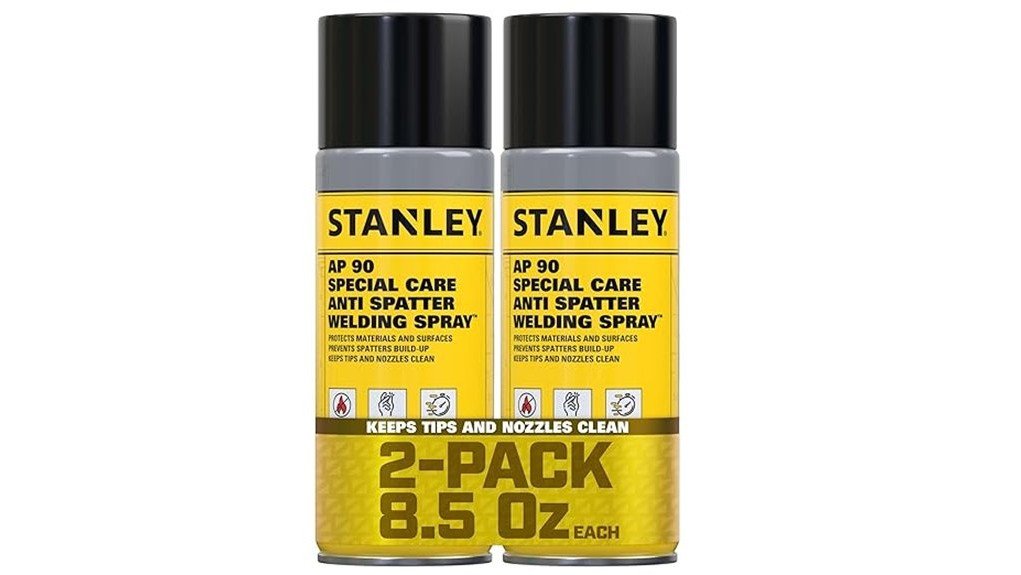
Welding spatter can turn a quick repair into extra scraping, nozzle cleaning, and surface prep. The Stanley AP90 Anti Spatter Spray is made to help reduce spatter build-up on welding tips, nozzles, and nearby work surfaces. This review helps you decide whether its silicone-based formula, two-bottle pack, and simple spray application fit your welding setup. It looks most useful for welders who want cleaner work areas, but you should still follow the product label and avoid surfaces where residue could cause finish problems.
Quick Verdict
Rating: 8/10
Best For: Welders and DIY users who want an easy anti-spatter spray for tips, nozzles, and surrounding work surfaces.
Bottom Line: Stanley AP90 is worth considering if you want a simple two-bottle anti-spatter spray for cleaner welding work and easier cleanup. The main tradeoff is that the supplied details do not confirm advanced specs, certifications, or coating compatibility, so you need to use it carefully and follow the label.
| Specification | Detail |
|---|---|
| Brand | Stanley |
| Model | AP90 |
| Product type | Anti-spatter welding spray |
| Formula | Silicone-based formula |
| Count or quantity | Two 8.5 oz bottles |
| Application distance | Apply from about 8 to 10 inches away |
| Best use | Helping reduce spatter build-up on welding tips, nozzles, and nearby surfaces |
| Compatibility note | Article-supported use mentions arc, MIG, and TIG welding processes |
| Safety note | Described as non-flammable after drying. Use with proper ventilation and follow the label. |
| Surface caution | Not recommended for painted surfaces unless the label confirms compatibility. |
What Is the Stanley AP90 Anti Spatter Spray?
The Stanley AP90 Anti Spatter Spray is a welding accessory designed to help stop molten spatter from sticking to tips, nozzles, and surrounding work areas. The supplied product details describe it as a silicone-based spray that comes in two 8.5 oz bottles.
This type of spray is not a welding machine, safety shield, or substitute for correct technique. It is an add-on product that helps reduce cleanup when you apply it correctly before welding. That makes it useful for garage work, small fabrication jobs, repair tasks, and professional environments where spatter control matters.
The main appeal is simple use. You shake the bottle, spray from about 8 to 10 inches away, and apply an even coat before work begins. The formula is also described as non-flammable after drying, which is helpful, but you should still use it with good ventilation and follow the product label.
Key Takeaways
- Stanley AP90 is a silicone-based anti-spatter spray made for welding tips, nozzles, and nearby surfaces.
- The package includes two 8.5 oz bottles, which is useful if you weld often or want one bottle for a shop and one for a mobile kit.
- Application is simple: shake the bottle, hold it about 8 to 10 inches away, and spray in a sweeping motion.
- The product details describe the spray as non-flammable after drying, but you should still use proper ventilation during application.
- It is not a fix for poor welding settings, dirty base metal, or bad technique. It works best as part of a cleaner welding routine.
Who Should Buy It?
Best For
- DIY welders who want less spatter stuck around tips, nozzles, and work areas.
- Shop users who want two bottles for repeated use across small welding jobs.
- Anyone who wants a simple spray-on product instead of spending extra time scraping spatter after every weld.
Skip If
- You need a product with verified certifications, a confirmed SDS, or documented industrial approval before purchase.
- You plan to spray painted, coated, or finish-critical surfaces without confirming compatibility first.
- You expect it to solve spatter caused by poor machine settings, dirty metal, or incorrect welding technique.
Before You Buy: Anti-spatter spray can help reduce cleanup, but it can also leave residue. Do not use it on painted or finish-sensitive surfaces unless the product label confirms it is safe for that surface.
Key Features of Stanley AP90 Anti Spatter Spray
Silicone-Based Spatter Control
The key feature is the silicone-based formula. It is designed to create a protective layer that helps stop spatter from bonding tightly to welding tips, nozzles, and nearby surfaces.
For you, that can mean less scraping and easier cleanup after welding. It can also help keep nozzles cleaner during repeated work, which is useful when you want to stay focused on the weld instead of stopping often for maintenance.
Two 8.5 oz Bottles
The two-bottle pack gives you more flexibility than a single small can. You can keep one bottle at the bench and another in a welding cart, truck, toolbox, or backup kit.
This is useful for repeat users because anti-spatter spray works best when applied before spatter sticks. Having a second bottle nearby helps you avoid skipping prep when a job starts quickly.
Simple Spray Application
Stanley AP90 does not require complicated setup. The article-supported instructions are to shake the bottle, hold it about 8 to 10 inches away, and spray with a sweeping motion for even coverage.
This makes it friendly for beginners, but it still benefits experienced welders. A consistent spray pattern helps you avoid heavy wet spots, missed areas, and waste.
Use Across Common Welding Jobs
The supplied article details mention use with arc, MIG, and TIG welding processes. In practical terms, this kind of product is most helpful when spatter is a regular cleanup problem.
MIG and stick welding users may notice the most value because those processes often create more visible spatter. TIG users may need it less often, but it can still be useful around fixtures or nearby surfaces when the job calls for extra protection.
Application and Usage Tips
Application of the Stanley AP90 Anti Spatter Spray is straightforward, but correct technique matters. Start with a clean area, shake the bottle before use, and keep the spray about 8 to 10 inches from the surface.
| Step | What to Do | Why It Matters |
|---|---|---|
| Preparation | Shake the bottle before use. | Helps the formula apply more evenly. |
| Distance | Hold the spray about 8 to 10 inches away. | Helps prevent over-application and missed spots. |
| Application | Use a light sweeping motion. | Creates more even coverage around the target area. |
Pro Tip: Apply a light, even coat before welding instead of soaking the surface. Too much product can create residue and may require extra cleaning before painting, coating, or finishing.
Benefits for Welders and DIY Enthusiasts
The main benefit is easier cleanup. When spatter does not bond as strongly to tips, nozzles, and nearby surfaces, you spend less time scraping and more time working.
That matters for small DIY repairs and longer shop sessions. Cleaner nozzles can also help you keep a more consistent workflow, especially when you are making several welds in a row.
The two-bottle format also helps if you work in more than one place. You can keep one bottle with your main welding equipment and the second bottle in a portable setup.
How It Performs in Real Use
For Garage Welding
For garage users, Stanley AP90 is most useful when you want a cleaner bench and less stuck-on spatter around the weld area. It can help reduce cleanup after small repairs, bracket work, and general fabrication tasks.
For MIG and Arc Work
MIG and arc welding can leave visible spatter on nearby surfaces. A light anti-spatter coating can make that residue easier to remove, but it will not correct poor settings, dirty metal, or incorrect wire speed.
For Nozzle Maintenance
Spraying around the nozzle area can help reduce build-up during repeated welding. This can be useful when you want fewer pauses for cleaning, especially during a longer job.
For Mobile or Occasional Use
The two 8.5 oz bottles make sense for users who split work between a shop and a job site. One bottle can stay with your main machine, while the other stays in a tool bag or truck kit.
Compatibility and Safety
The product details describe Stanley AP90 as non-flammable after drying. That is helpful, but you should still treat any spray product carefully during application.
Use it in a ventilated area, keep it away from open flame while applying, and follow the product label for drying time and safe use. Do not spray it on painted surfaces unless the label confirms compatibility because the source article warns that it may damage paint.
If you work in a professional shop, school, or regulated workspace, check the product label, safety documentation, or supplier information before adding it to your process. This review does not confirm certifications, warranty terms, or industrial approvals.
Common Mistakes to Avoid
- Spraying too much: A heavy coat can leave more residue than you need.
- Using it after spatter sticks: Anti-spatter spray works best before welding, not after cleanup starts.
- Ignoring surface finish: Avoid painted, coated, or finish-critical areas unless the label says it is safe.
- Skipping ventilation: Even if the product is described as non-flammable after drying, you should still apply spray products with airflow.
- Expecting it to fix technique: It helps with cleanup, but it does not replace proper welding settings or clean base metal.
Pros and Cons
Pros
- Silicone-based formula is designed to help prevent spatter build-up.
- Two 8.5 oz bottles give you more coverage than a single-bottle pack.
- Simple spray application works well for beginners and experienced users.
- Useful for welding tips, nozzles, and nearby surfaces where spatter collects.
- Described as non-flammable after drying, which supports safer use when handled correctly.
Cons
- Not recommended for painted surfaces without confirming compatibility.
- Does not replace proper welding settings, surface prep, or nozzle maintenance.
- Verified details for certifications, warranty, and full material documentation were not available in the supplied article.
Is It Worth the Price?
Stanley AP90 looks like a smart buy for everyday welding cleanup if you want a simple anti-spatter spray in a two-bottle pack. The value comes from convenience, not from advanced features or a long list of verified specifications.
You get the most value if you weld often enough to use both bottles and you want easier cleanup around nozzles, tips, and work surfaces. It is not the best fit if you need confirmed certifications, a specific industrial safety document, or guaranteed compatibility with painted surfaces before purchase.
How It Compares to Alternatives
Compared with nozzle gels, an anti-spatter spray can be faster to apply over a wider surface area. Nozzle gels may be better if you only want to protect the welding nozzle, while spray products make more sense when surrounding surfaces also need protection.
Compared with water-based anti-spatter options, the Stanley AP90 stands out in the supplied article because it uses a silicone-based formula. That may help with release, but it also means you should be careful around surfaces that need paint, coating, or final finishing.
Frequently Asked Questions
Is Stanley AP90 compatible with all welding processes?
The supplied article mentions use with arc, MIG, and TIG welding. In real use, you will likely get the most benefit during jobs where spatter is common, such as MIG or stick welding.
How do you apply Stanley AP90 Anti Spatter Spray?
Shake the bottle before use, hold it about 8 to 10 inches from the target area, and spray with a light sweeping motion. Follow the product label for drying time and safe handling.
Can you use it on painted surfaces?
The source article says it is not advisable to use the spray on painted surfaces because it may cause paint damage. Avoid painted, coated, or finish-sensitive surfaces unless the label confirms compatibility.
Does anti-spatter spray improve weld quality?
It can help keep the work area cleaner, but it does not replace proper welding settings, clean metal, or good technique. Think of it as a cleanup and protection aid, not a welding performance fix.
How long does the protection last after application?
Protection can vary by heat, spatter level, surface type, and how much product you apply. Reapply as needed during longer jobs and follow the product label for best results.
Is Stanley AP90 safe for indoor use?
The article describes the product as non-flammable after drying, but you should still apply it with proper ventilation. Keep spray products away from open flame during application and follow all label warnings.
Who should skip this anti-spatter spray?
Skip it if you need fully verified manufacturer documentation before buying or if you work mainly on surfaces that will be painted or coated immediately after welding. You may also want another option if you prefer a non-silicone formula.
The Bottom Line
The Stanley AP90 Anti Spatter Spray is a good fit if you want a simple two-bottle spray for reducing spatter build-up on welding tips, nozzles, and nearby surfaces. Its strongest points are easy application and practical cleanup support, while its main limitation is the lack of verified advanced specs, certifications, and surface-compatibility details in the supplied product information.
Buy it if you want a straightforward anti-spatter aid for everyday welding cleanup. Skip it if you need confirmed industrial documentation or plan to use it on painted or finish-critical surfaces without checking the label first.