Disclosure: As an Amazon Associate, we earn from qualifying purchases. If you click a link on this page and make a purchase, we may receive a small commission at no extra cost to you.
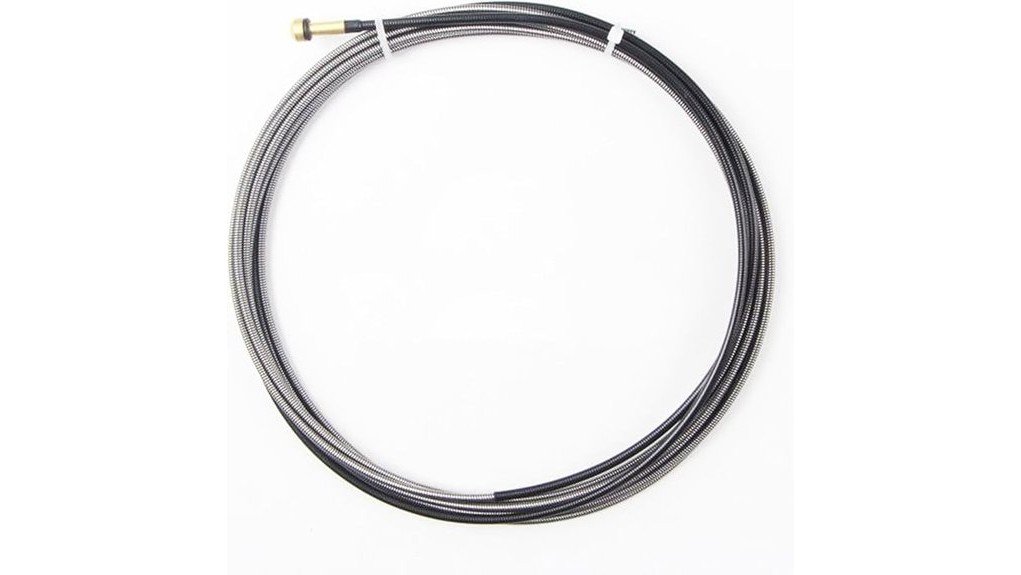
Wire feed problems can make a good MIG welder feel unreliable. A worn or poorly matched liner can cause hesitation, bird-nesting, burnback, and uneven arc starts before you ever touch the workpiece. The Steel Conduit Liner 35-40-15 is a 15-foot steel MIG liner for 0.030 to 0.035 inch wire in compatible Lincoln Magnum 100L and Tweco Mini/No.1 guns. This review helps you decide whether it is the right replacement part for smoother feeding, or whether your setup needs a different liner.
Quick Verdict
Rating: 8.3/10
Best For: MIG welders using Lincoln Magnum 100L or Tweco Mini/No.1 guns with 0.030 to 0.035 inch wire
Bottom Line: This liner makes sense when your MIG gun and wire size match its narrow compatibility range. It can improve feed smoothness and reduce internal drag, but it will not fix problems caused by the wrong contact tip, dirty drive rolls, or an incompatible gun.
| Specification | Detail |
|---|---|
| Brand | Not specified |
| Model | 35-40-15 |
| Product Type | MIG welding conduit liner |
| Design | Internal wire guide liner for MIG gun cable assemblies |
| Length | 15 ft |
| Wire Size Compatibility | 0.030 to 0.035 in MIG wire |
| Material | Steel |
| Listed Gun Compatibility | Lincoln Magnum 100L and Tweco Mini/No.1 guns |
| Best Use | Shop welding, repairs, maintenance work, and fabrication with compatible MIG setups |
| Care Note | Inspect for debris, wire shavings, kinks, and feed hesitation during routine MIG gun maintenance |
What Is the Steel Conduit Liner 35-40-15?
The Steel Conduit Liner 35-40-15 is an internal guide tube for MIG welding guns. It sits inside the gun cable and guides welding wire from the feeder toward the contact tip. A clean, correctly sized liner helps the wire move with less drag, which supports a steadier arc.
This model is listed for 0.030 to 0.035 inch wire and has a 15-foot length. That makes it relevant for common light fabrication, repair, and maintenance setups where those wire sizes are already in use.
The key limitation is compatibility. This is not a universal liner for every MIG gun, and the article-supported fitment points to Lincoln Magnum 100L and Tweco Mini/No.1 guns. You should confirm your gun model, wire diameter, and liner style before ordering.
Who Should Buy It?
Best For
- MIG welders using Lincoln Magnum 100L or Tweco Mini/No.1 guns
- Users running 0.030 to 0.035 inch wire in compatible shop setups
- Welders trying to reduce feed drag, hesitation, or inconsistent starts
Skip If
- Your MIG gun is not listed as compatible
- You use wire outside the 0.030 to 0.035 inch range
- You need an OEM-branded liner or a liner for aluminum-specific setups
Key Features and Performance
Fit and Compatibility
Fit is the most important buying factor for this liner. The supported article details point to Lincoln Magnum 100L and Tweco Mini/No.1 guns, so you should treat it as a specific replacement part rather than a general shop spare.
A liner can look similar to another liner and still fit poorly. The wrong liner can pinch the wire, leave extra play inside the cable, or create drag near the contact tip. That can make feed problems worse instead of better.
Wire Feed Stability
The main job of this liner is to reduce friction as MIG wire travels through the gun cable. When the wire feeds smoothly, your arc starts more predictably and the bead is easier to control.
This helps most during longer welds, repeated tack welds, and repair work where stop-and-start consistency matters. It will not solve every feed issue by itself, but it can remove one common source of drag when the old liner is worn or dirty.
Steel Construction
The liner uses steel construction, which suits common MIG wire use in compatible guns. Steel liners are practical for regular shop work because they can handle repeated wire movement inside the gun cable.
That durability does not make it maintenance-free. Wire dust, grinding debris, and metal shavings can still collect inside the liner path. Once the liner becomes rough, kinked, or packed with debris, replacement is often smarter than trying to force it back into service.
Installation and Setup
Correct installation affects the result as much as the liner itself. You need the liner seated properly, trimmed correctly for the gun design, and matched with the correct contact tip and drive roll setup.
After installation, test the wire feed before striking an arc. Feed the wire through the gun with the contact tip removed if your welder manual recommends that process, then reinstall the correct tip once the wire runs freely.
Maintenance Needs
A liner works best when the rest of the feed system is clean and aligned. Check the drive rolls, contact tip, nozzle area, and gun cable bends before blaming the liner alone.
Sharp cable bends increase friction, especially during long welds. Keeping the gun lead as straight as practical can help the liner do its job and reduce feeding strain.
Pro Tip: Replace the contact tip when you replace a worn liner if the tip shows burnback damage, wire wear, or an oversized bore. A fresh liner with a worn tip can still feed poorly.
How It Performs in Real Use
For Shop Fabrication
In a compatible shop setup, this liner helps maintain steady wire delivery during repeated beads and tack welds. That matters when you need consistent starts across multiple parts or repair passes.
For Short Repair Welds
Short repair welds often expose feed hesitation because you start and stop the arc more often. A cleaner liner path can make starts feel more predictable, especially after an old liner has caused sticking or sputtering.
For Longer Weld Runs
During longer welds, friction inside the gun cable can build into small pauses that affect bead shape. A correctly installed steel liner can reduce that drag and help the wire feed at a more even pace.
For Maintenance and Backup Use
This part also works as a practical spare for users who already know their gun compatibility. Keeping a matching liner available can reduce downtime when feed problems appear during a project.
Installation Tips Before First Use
Confirm the gun model and wire size before you remove the old liner. Compare the old liner path, retaining parts, and trim length with your welder or gun manual so you do not cut the replacement too short.
Clean the cable area before installing the new liner. Avoid letting grinding dust, metal chips, or shop debris enter the liner during the swap, since contamination can create new feed problems right away.
After installation, set drive roll tension carefully. Too little tension can slip, while too much tension can deform the wire and create shavings that collect inside the liner.
Before You Buy: Do not order this liner by length alone. Match the 35-40-15 model, 0.030 to 0.035 inch wire range, and listed gun compatibility against your actual MIG gun before buying.
Compatibility and Safety Notes
This liner belongs inside a welding gun, so installation should follow your welder or gun manual. Disconnect power and follow normal welding equipment safety steps before servicing the gun, feeder, contact tip, or liner path.
Do not force wire through a liner that feels blocked. Forcing wire can create bird-nesting at the feeder, damage the contact tip, or hide a deeper setup issue. If the liner is kinked, badly contaminated, or incorrectly sized, replacement is usually the safer fix.
For aluminum wire, soft wire, or specialty welding setups, confirm the correct liner type with your equipment manual. A steel liner that works well for common MIG wire may not be the right choice for every wire material.
Pros and Cons
Pros
- Designed for 0.030 to 0.035 inch MIG wire
- 15-foot length suits compatible full-size gun cable setups
- Steel construction supports regular shop and repair use
- Can reduce drag when replacing a worn or contaminated liner
- Specific listed fitment helps buyers avoid guessing across all MIG guns
Cons
- Limited compatibility, not a universal MIG liner
- Requires correct trimming, seating, and feed-system setup
- Brand and broader manufacturer details are not clearly specified in the provided article details
Need a Replacement Liner?
Check the product page and confirm your gun model before you order.
Is It Worth the Price?
The Steel Conduit Liner 35-40-15 is worth considering if you need a focused replacement liner for a compatible MIG gun. It offers strong value for the price when your current liner causes drag, feed hesitation, or inconsistent starts.
You get the most value when the rest of your feed system is already in good condition. If your drive rolls are worn, your contact tip is damaged, or your gun cable has sharp bends, the liner alone may not solve the issue.
It is not the best fit if you want a universal spare for several different welders. In that case, you should compare the exact liner part numbers recommended by each gun manufacturer before buying.
How It Compares to Alternatives
Compared with universal MIG liners, this model is more focused on listed Lincoln and Tweco compatibility. Universal liners may cover more setups, but a model-specific liner is often easier to trust when the fitment matches your gun.
Compared with OEM-branded replacement liners, this option may appeal more to buyers who want a practical replacement without paying for a higher-priced branded part. If brand traceability and official part matching matter most to you, an OEM liner from your gun manufacturer is worth comparing.
Frequently Asked Questions
What wire size does the Steel Conduit Liner 35-40-15 support?
The article-supported range is 0.030 to 0.035 inch MIG wire. Confirm that your wire, drive rolls, and contact tip all match that range before installing the liner.
Which MIG guns is it listed to fit?
The article lists compatibility with Lincoln Magnum 100L and Tweco Mini/No.1 guns. You should still compare your exact gun model and liner part style before ordering.
Will this liner fix bird-nesting?
It can help if bird-nesting comes from excess drag in a worn, dirty, or kinked liner. It may not help if the real cause is incorrect drive roll tension, the wrong wire size, or a damaged contact tip.
How often should you replace a MIG liner?
Replace it when you notice repeated feed hesitation, wire sticking, rough feeding, or visible liner damage. Heavy shop use, dirty wire, and grinding dust near the feeder can shorten liner life.
Can you use it with aluminum wire?
Do not assume it is the right liner for aluminum wire. Aluminum and other soft wires often need a different setup, so check your welder manual before using this steel liner for specialty wire.
Is installation difficult?
Installation is usually straightforward if the liner matches the gun. The main risks are cutting it too short, seating it poorly, or leaving debris inside the gun cable during the swap.
What should you check before blaming the liner?
Check the contact tip, drive roll size, drive roll tension, wire condition, and gun cable bends. Many feed problems come from several small issues working together.
Who should skip this liner?
Skip it if your gun is outside the listed compatibility, your wire size does not match, or you need a verified OEM replacement part. Also skip it if you need a liner for a specialty wire setup unless your manual confirms this type.
The Bottom Line
The Steel Conduit Liner 35-40-15 is a practical replacement for MIG welders who need smoother wire feed in compatible Lincoln Magnum 100L or Tweco Mini/No.1 setups. Its biggest strength is reduced liner-path drag for 0.030 to 0.035 inch wire, while its biggest limitation is narrow compatibility. Buy it only after you confirm your gun model, wire size, and installation requirements.